Xavi Garcia
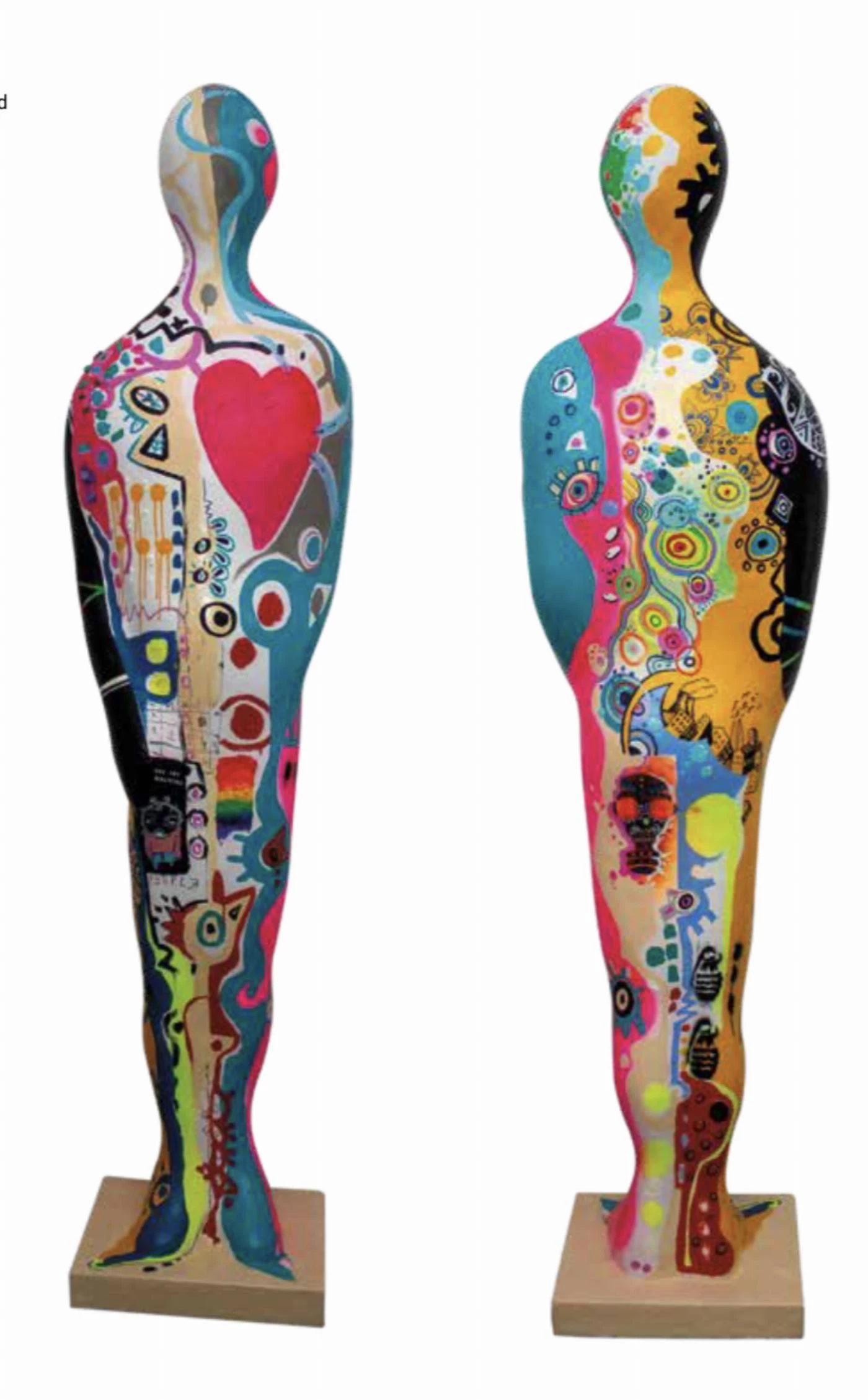
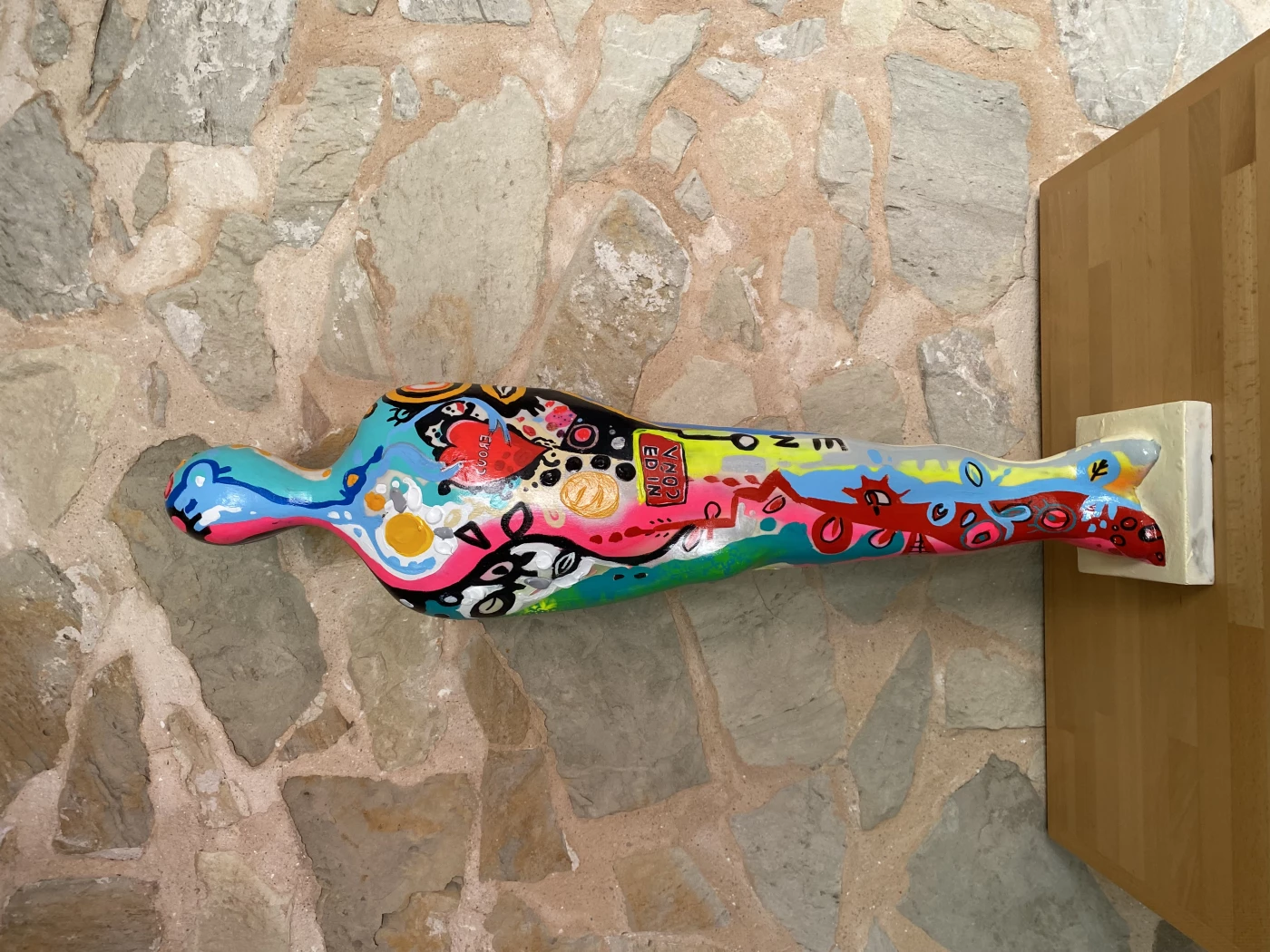
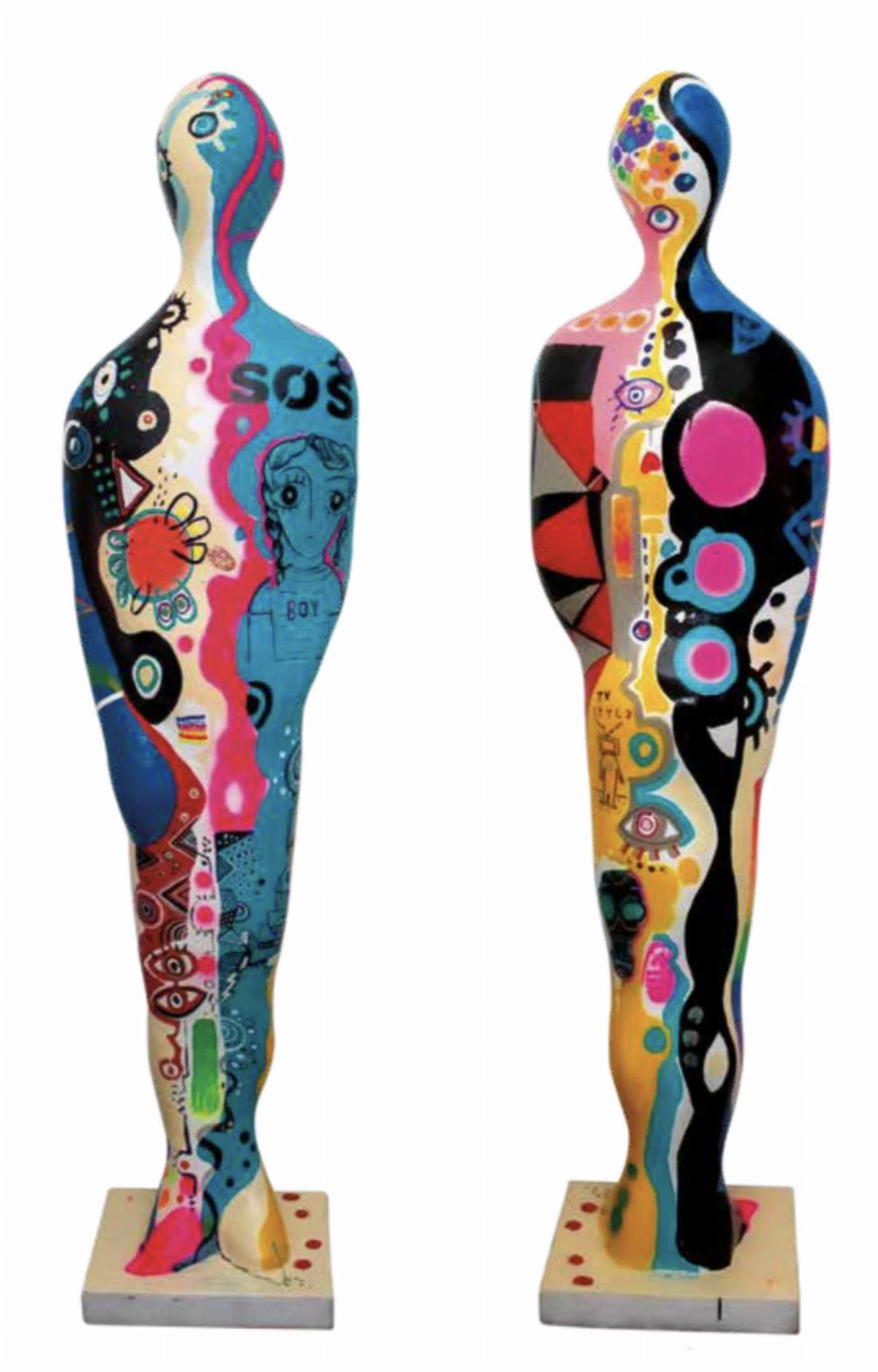
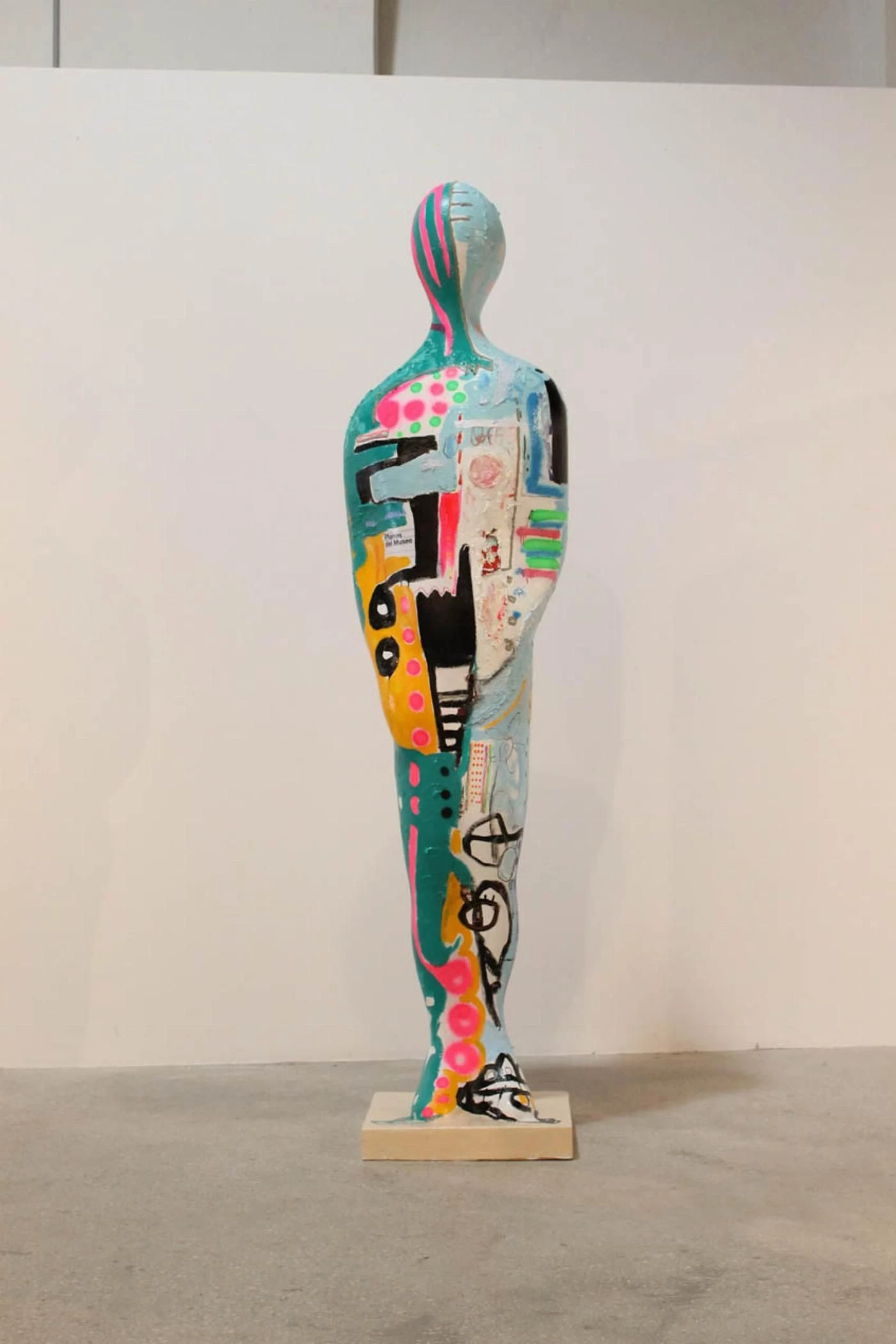
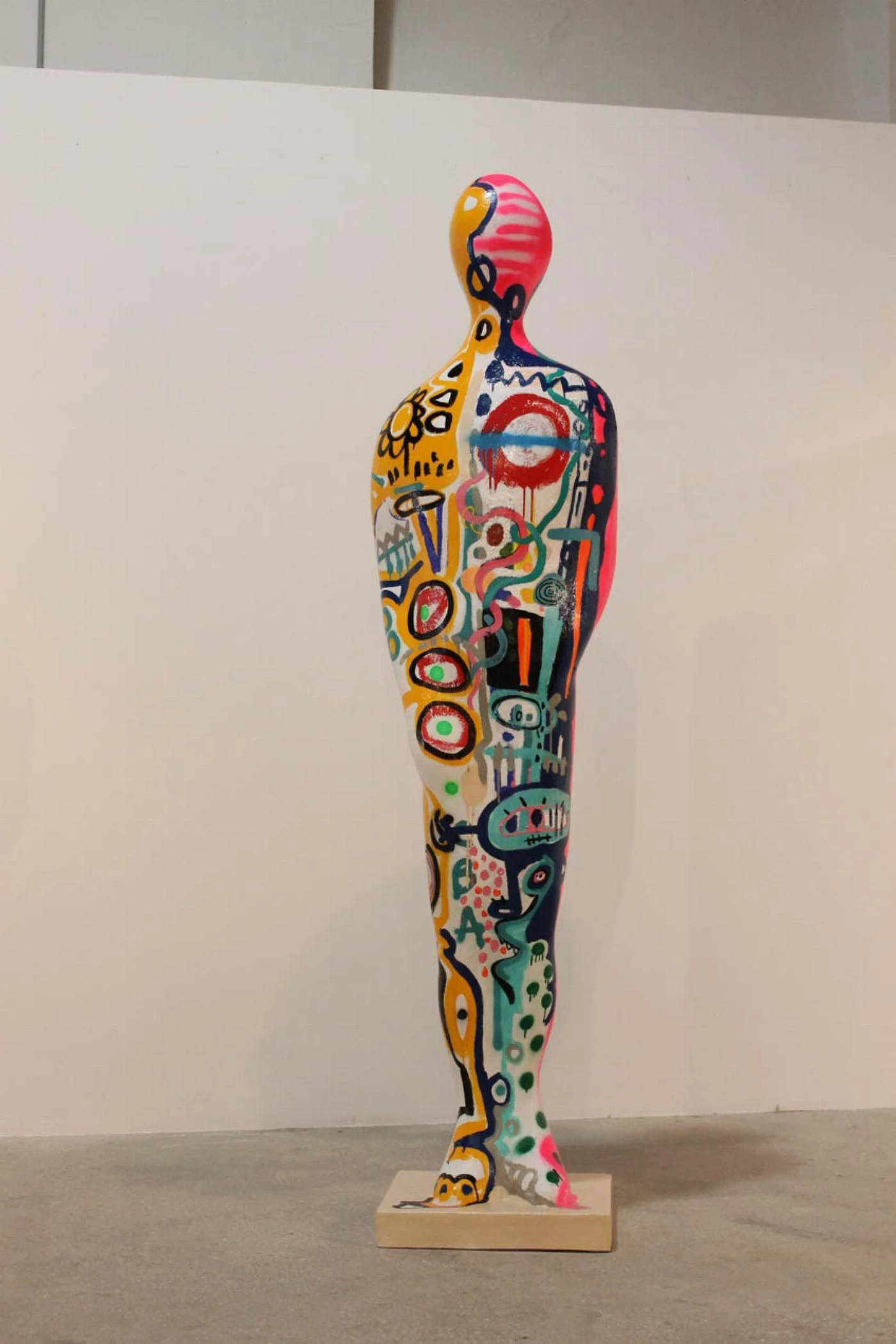
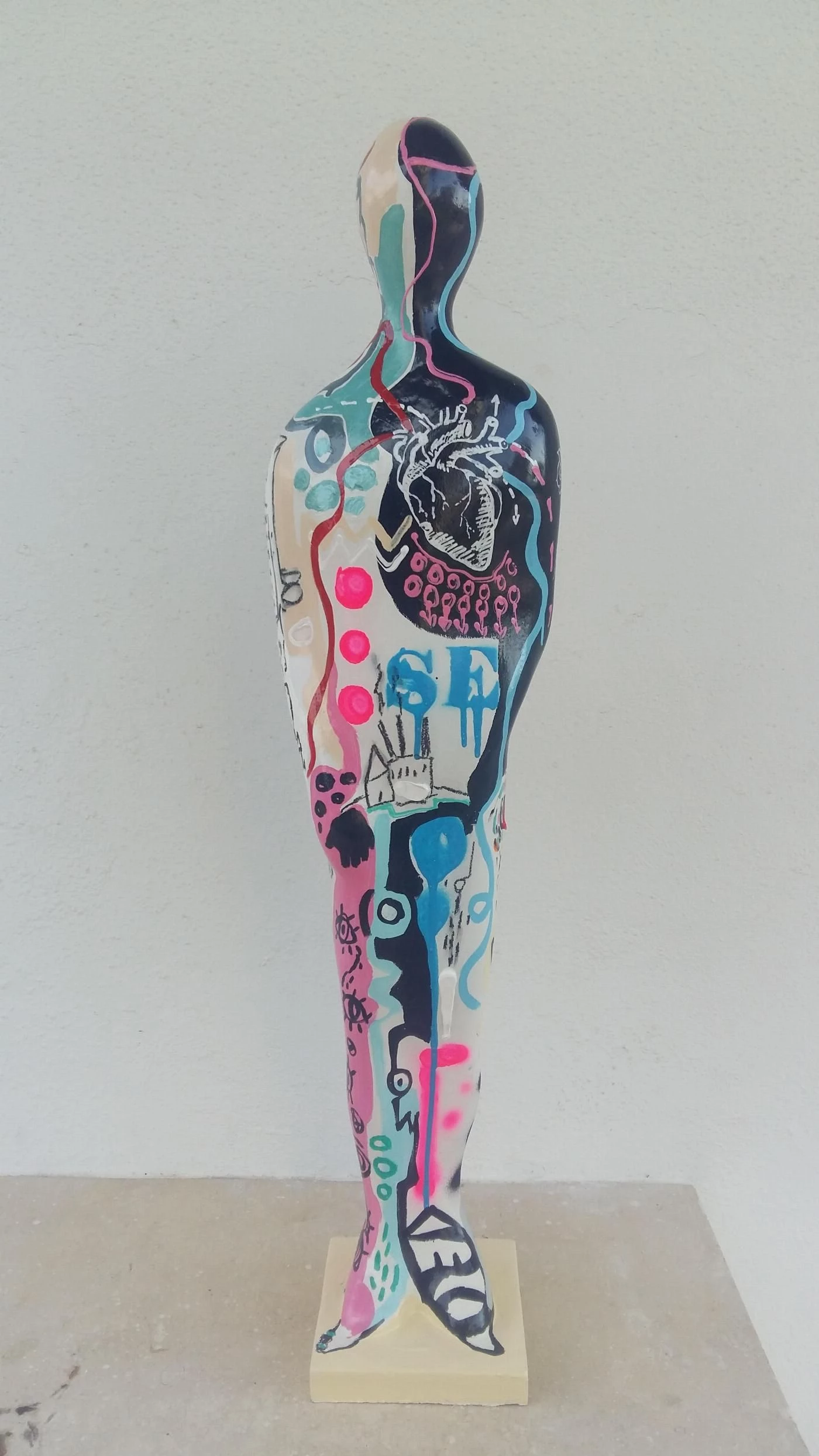
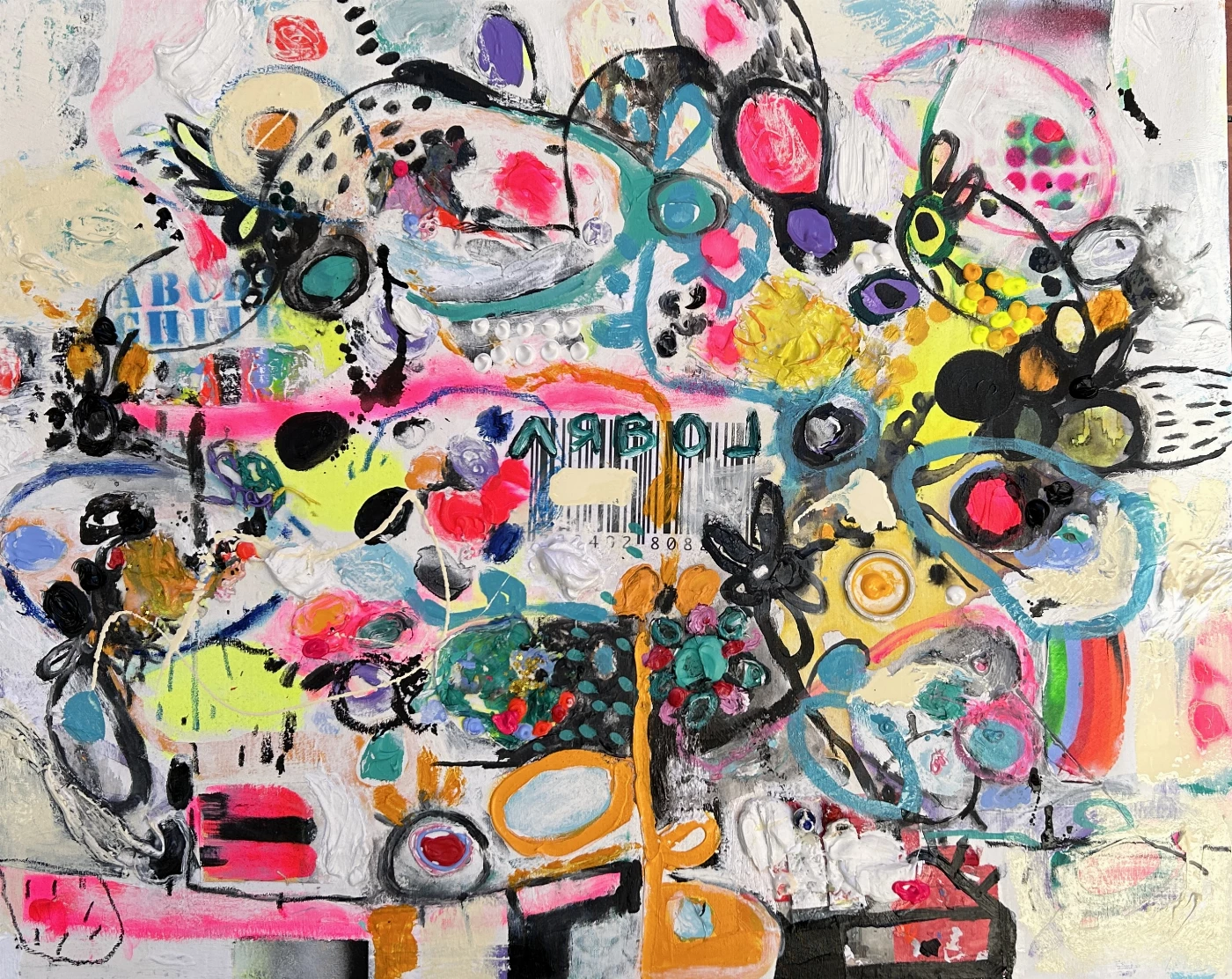
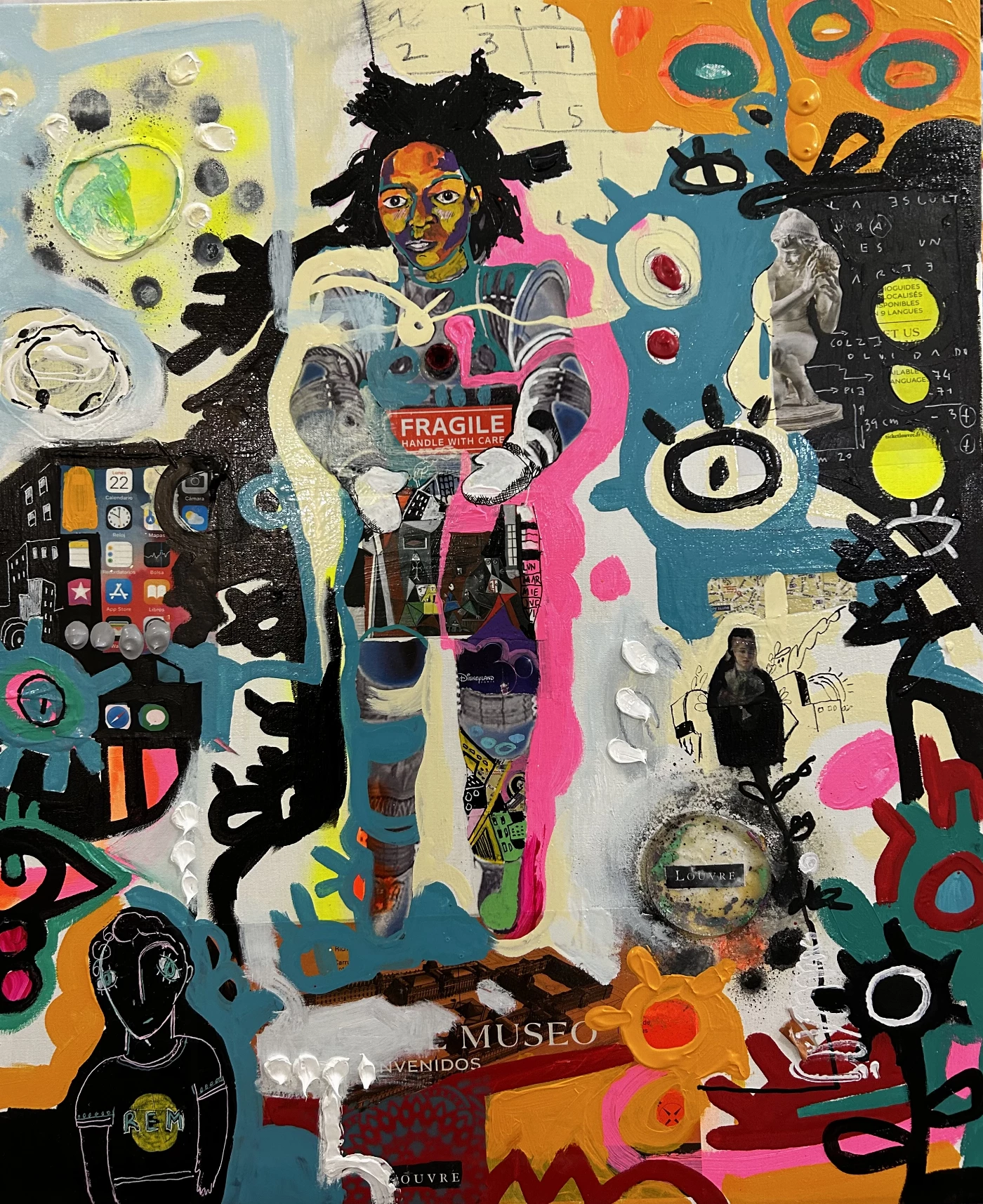
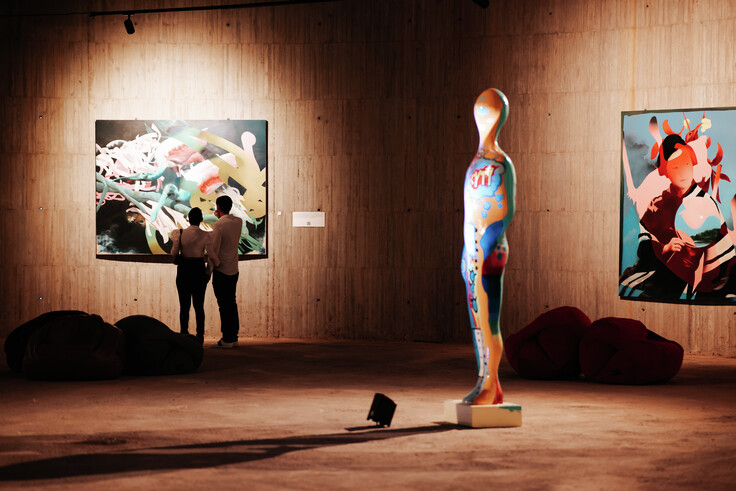
Xavi García is influenced by Pop and Urban art styles. His work results in a modern finish but with a purely classical process. He uses oil and acrylic in large quantities to create an innumerable range of mixed textures, one of his main characteristics. Xavi García has achieved international recognition, giving as much importance to the message as to the painting itself. He has participated in important international exhibitions both in Europe (London, Paris, Brussels, and Rome) and around the world (New York and Hong Kong).
Financial information
The Inner Forest (Bosque)
"Bosque" (Forest) is the organic evolution of the Urban Roots series, in which the artist delves even deeper into the complexities of the relationship between human beings and their environment. While Urban Roots focused on urban conflicts and individual identity within the social fabric, Bosque explores a more introspective and symbolic territory: that of the ecosystem as an emotional and political mirror of our time. In this new series, the forest is not just a physical place but a living metaphor for the collective unconscious, for broken bonds and possible reunions with nature. The works reveal moments of connection and disconnection with our roots, evoking both shelter and threat, fertility and wildness, the ancestral and the futuristic. Each piece in Bosque represents scenes or fragments of an "emotional forest," a space where collective fears, latent hopes, and present tensions reside.
Urban Roots
(URBAN ROOTS) RAÍCES URBANAS The Urban Roots series by the artist Xavi García from Monóvar offers a profound reflection on contemporary identity and the disconnection with nature in the urban context. Through trees emerging from fragments of the city —posters, tickets, maps, or QR codes—, the artist constructs a visual narrative where the organic and the artificial coexist in tension. These compositions, loaded with matière and textures, reveal a process of chaos and reconstruction that challenges the viewer about their place in the current world. The work combines mixed techniques with a clear expressive intention: to show how the city shapes individuals, while they seek their roots amidst noise and fragmentation. Urban Roots not only documents a social reality but also invites reflection on the need to reconnect with the essential, to reconcile nature and the urban environment in a balance as unstable as it is necessary.
Citizens
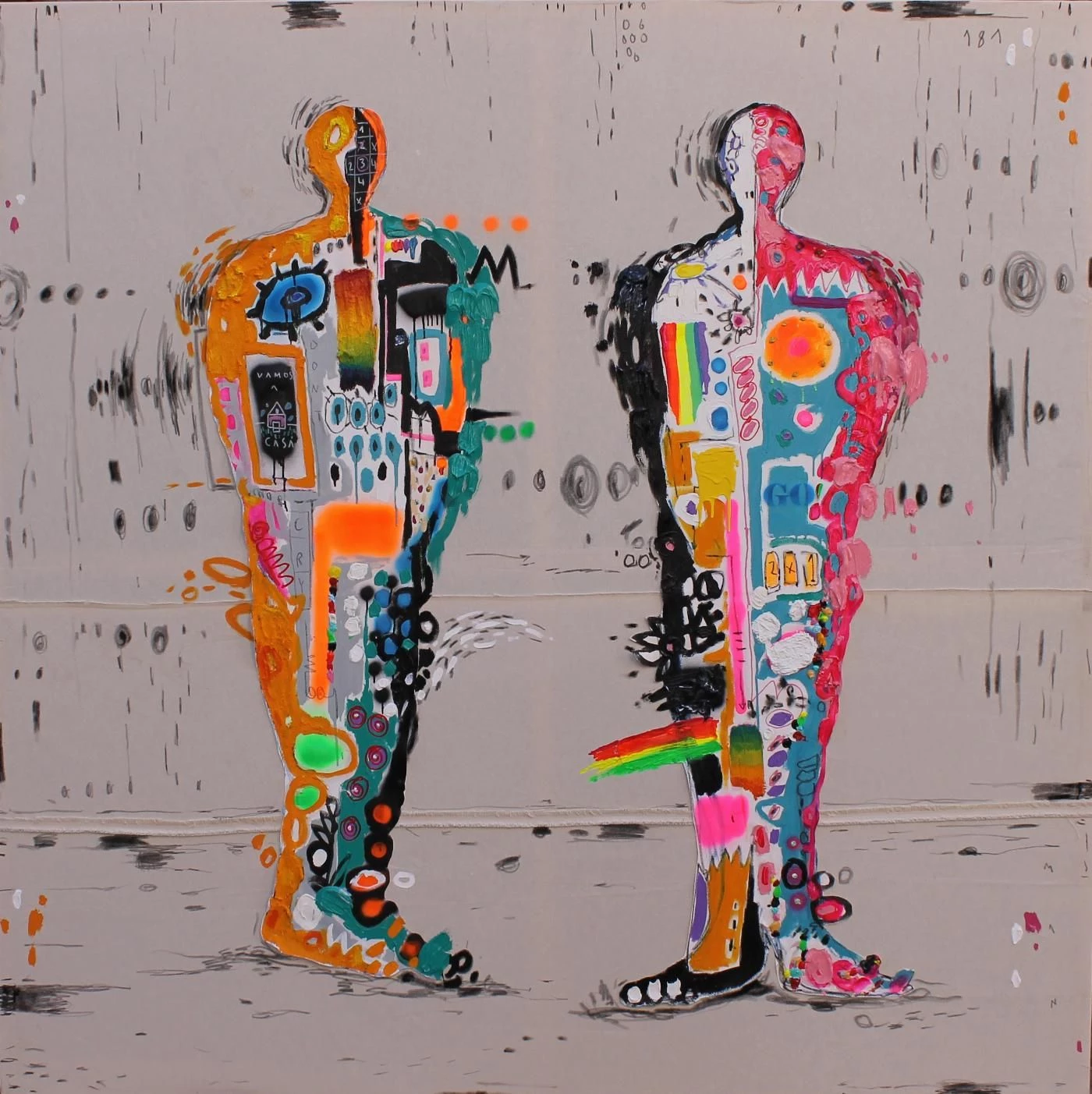
Citizens is the natural consequence of the series "Street Life" in which the artist has been working for the past few years. It should be clarified that none of them have a clear start and end date, as they coexist, complement each other, and evolve together. If "Street Life" is a look outwards, based on how everything around us influences us and conditions who we are (urban art, advertising, fashion, music, television, etc.), the "Citizens" series is a much more reflective and intimate look inwards at what is happening around us. In it, the artist introduces, within the "citizens," all those experiences and impulses that place us facing the loneliness of the individual, which he represents with the absence of color surrounding the protagonist of each piece. Both collections have been exhibited in Berlin, Brussels, Cairo, Madrid, Rome, New York, Basel, London, Shanghai, etc.
Travel Notebooks
Xavi García's "Cuadernos de Viaje" series is a visual exploration where urban scenes, landscapes, human figures, the planet, and portraits become the protagonists of these compositions. The house sometimes appears as a point of reference and a link to his roots. Through collage and large masses of paint, the artist enhances the narrative of each composition, enriching his work with diverse textures and techniques. The series is characterized by the fusion of landscapes with large portraits, where natural elements, such as majestic trees, and urban spaces intertwine with human figures. This combination generates a sense of continuity between the being and its environment, highlighting the interconnection between personal identity and landscape. With an expressive and evocative visual language, García invites the viewer on an introspective journey where each work becomes a visual story full of symbolism and emotion.
Icons
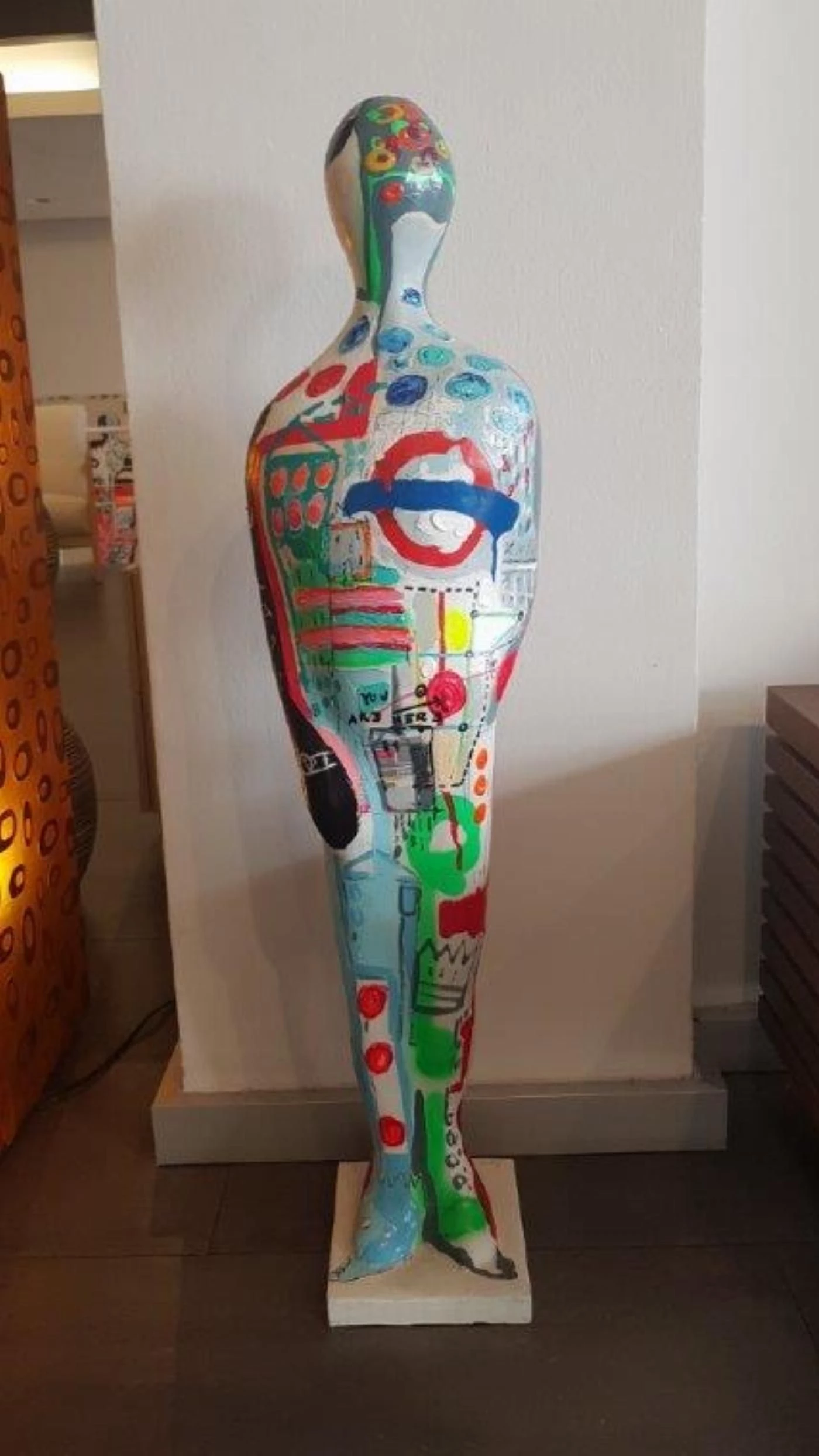
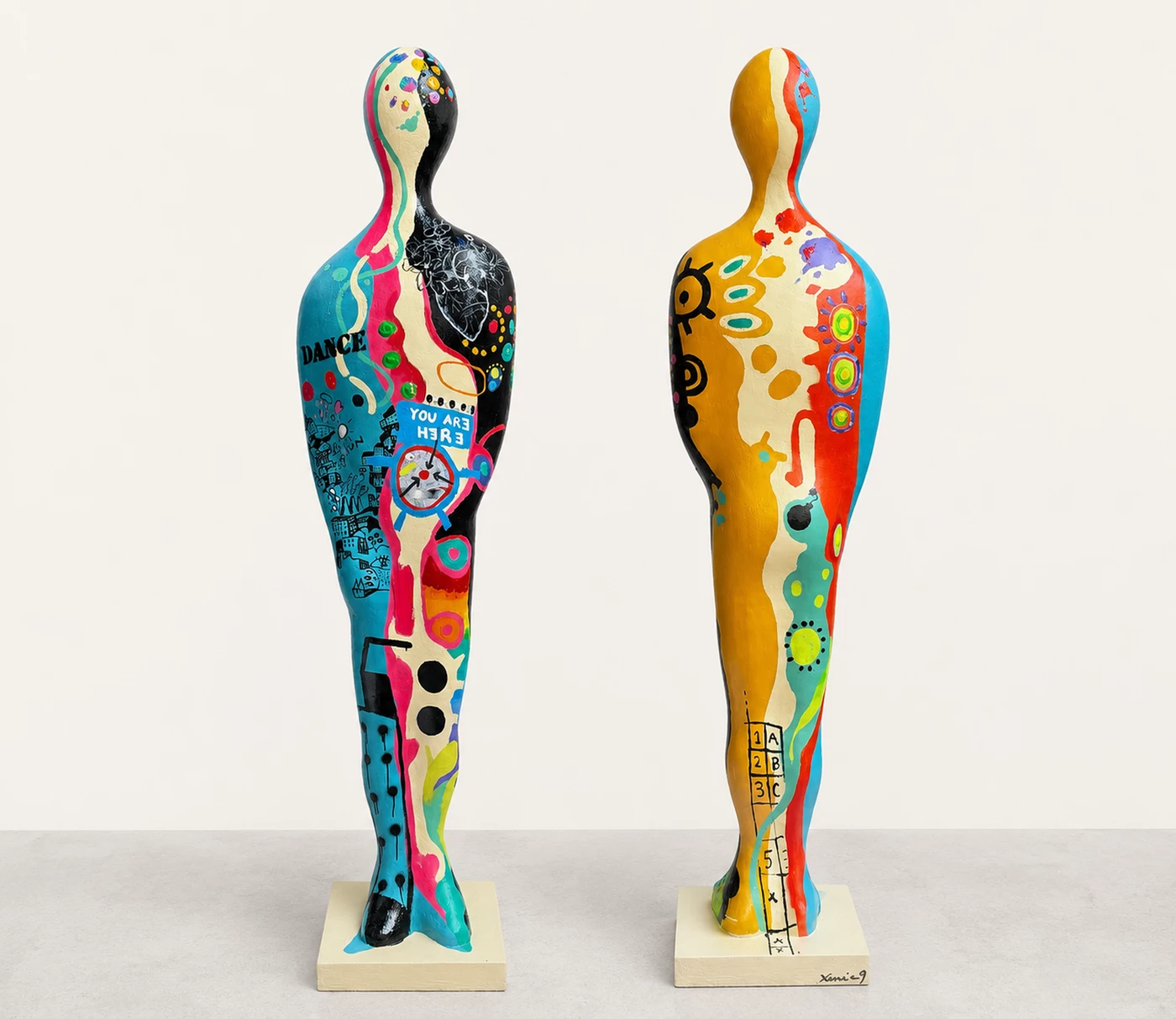
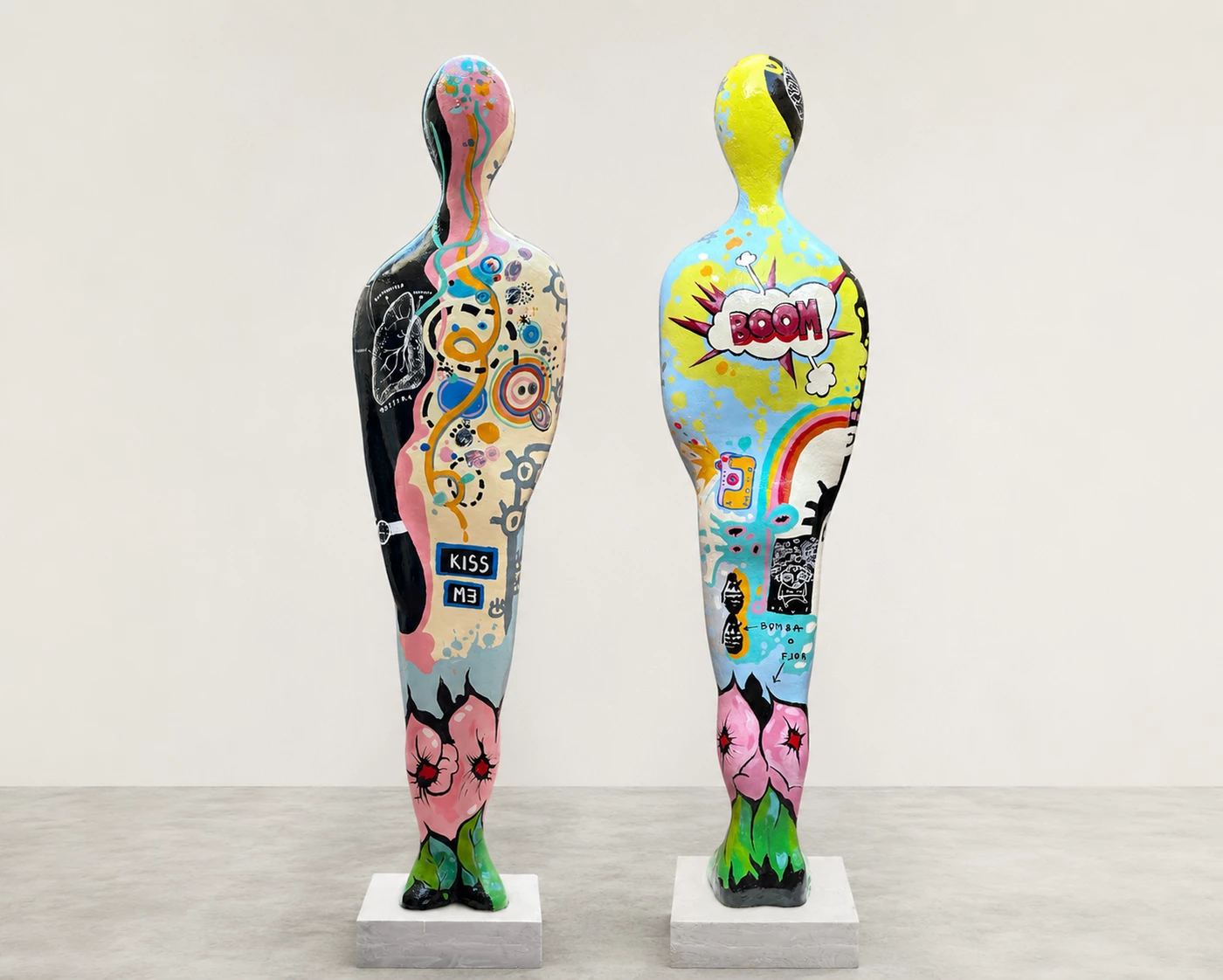
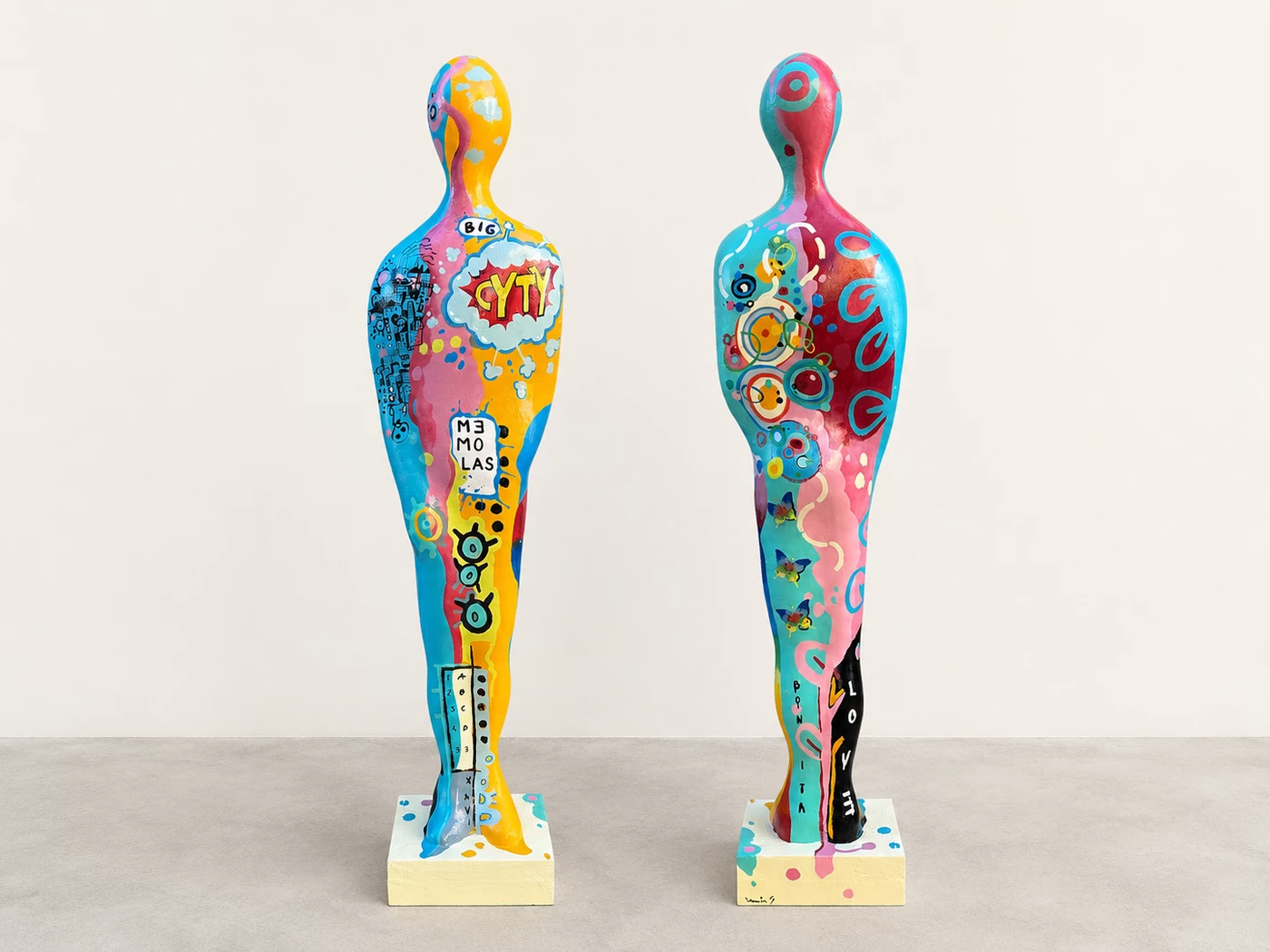
The "Icons" series is a branch of previous collections such as "Street Art", "Travel Notebooks", and "Citizens", where urban art, pop art, fashion, music, social media, and contemporary events coexist on the artistic support. Through this series, Xavi García uses symbols and icons from popular culture that have influenced our behavior or marked significant personal moments in his career as an artist and citizen. Figures such as Uma Thurman, John Travolta, Marilyn Monroe, Muhammad Ali, Amy Winehouse, or The Beatles appear. "Icons" reflects on the culture of image and digital hyperconnectivity: the cult of the selfie, exposure on social media, and how these dynamics have altered our relationships. A particularity of this collection is that the works are conceived to function in pairs, meaning there are always two pieces that visually and conceptually dialogue with each other.
Self-portraits
Xavi García, in his Self-portraits series, has created a profoundly introspective and critical work of contemporary society. His self-portraits go beyond physical representation: they are symbolic reflections of our time. By including elements such as QR codes and barcodes, he alludes to digitalization and questions themes such as identity, privacy, and consumption in the technological age. These symbols, integrated naturally into his works, show how technology has transformed our lives and relationships. The use of color is another key pillar of his artistic language: his compositions are marked by intense chromatic contrasts that evoke varied emotions, from joy to sadness. Thus, Xavi García's work not only communicates a personal experience but also challenges the viewer, inviting them to reflect on their place in an increasingly interconnected and fragmented world.
Girls
The "girls" series is based on the figure of a girl with her arms raised in a gesture of joy. This figure varies in its messages both internally and in everything around it. Usually, inside the girl, we can find messages or forms that claim the role of the most unprotected groups in society or claims that alert us to the critical environmental situation our planet is enduring.
Street Wandering
Xavi García's "Callejeando" series is a vibrant representation of urban life, where color and texture play an essential role in conveying energy, chaos, and dynamism. Through an intense palette and mixed techniques, the artist recreates the bustle of the city and the constant interaction between the individual and their environment. Influenced by urban art, contemporary expressionism, and digital culture, García reflects how elements such as music, fashion, advertising, and social media shape people's identities. His work offers a critique of the perception of reality in the technological era, exploring the tension between the real and the virtual. "Callejeando" invites reflection on who we are amidst so many external stimuli, becoming a visual testimony of the frenetic pace of current society and the complexity of living in an information-saturated urban environment.
Man on the Moon
Xavi García's "Man on the Moon" series is a reflection on the drift of our society, where the essential human element is relegated to egocentric and megalomaniacal projects. Through vibrant color and rich textures, the artist represents the disconnection with our environment, the deterioration of human relationships, and the loss of inner growth. His works convey a sense of urgency and sensory overload, reflecting how media and technology condition our perception. The textures provide a plastic dimension that invites the viewer to immerse themselves in the artwork. García, influenced by expressionism and digital aesthetics, merges traditional techniques with technological elements. Thus, he confronts us with the current paradox: while we pursue progress and new worlds, we forget the most basic aspects of our existence. His work invites us to pause and reconnect with our essence and with the planet.