Ikella Alonso

Ikella Alonso

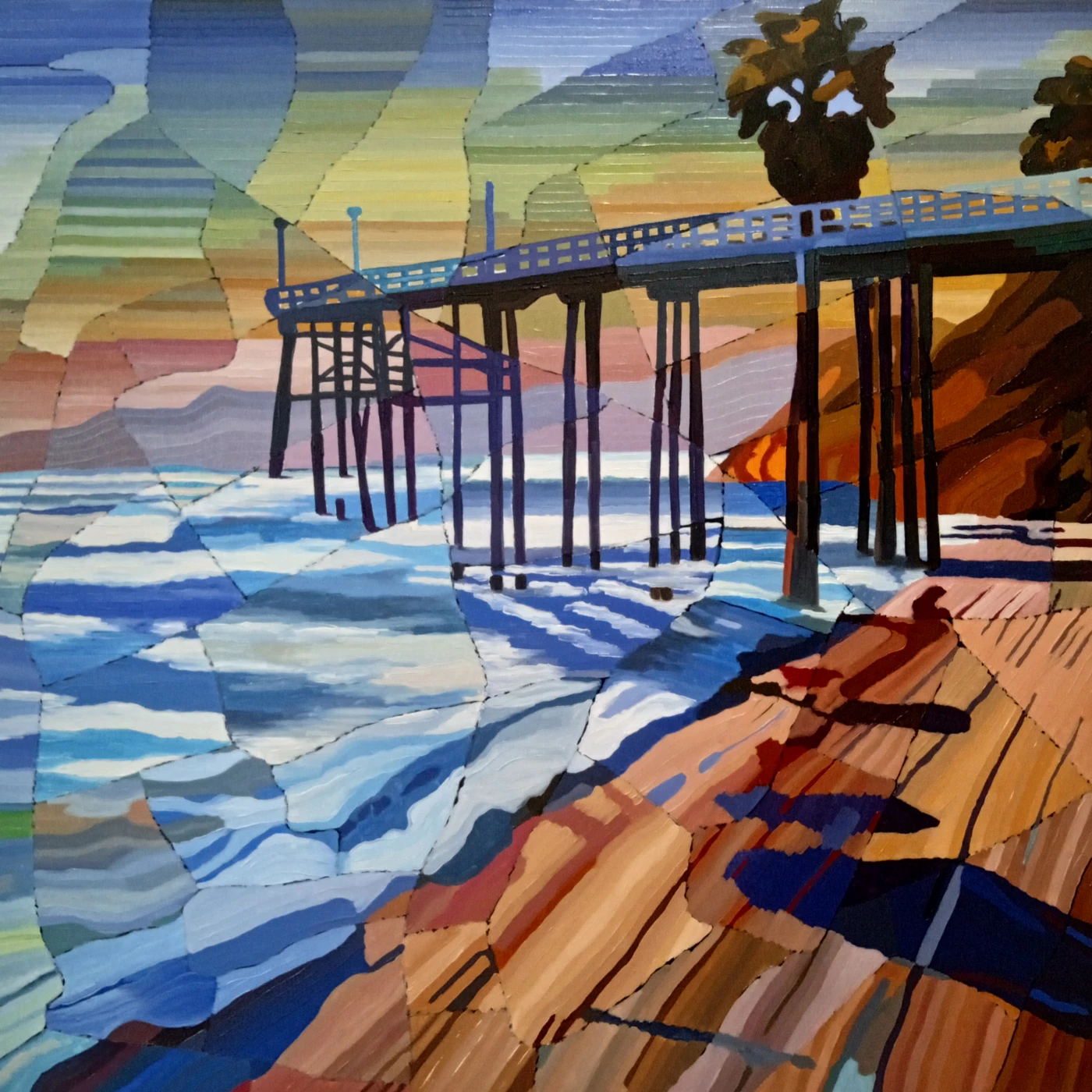
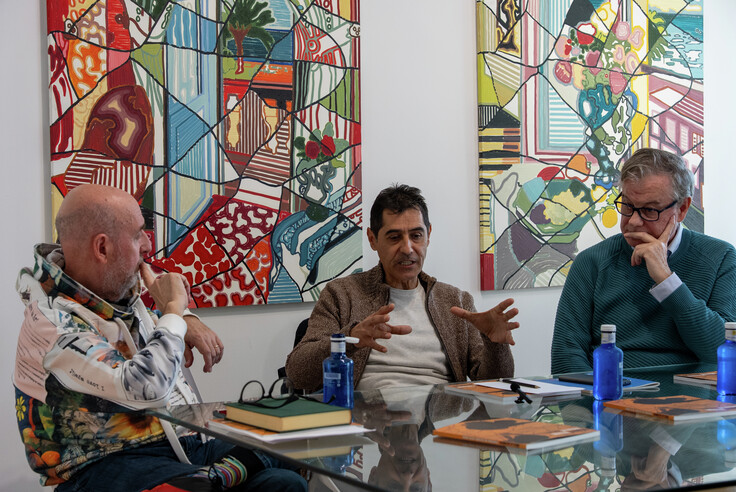
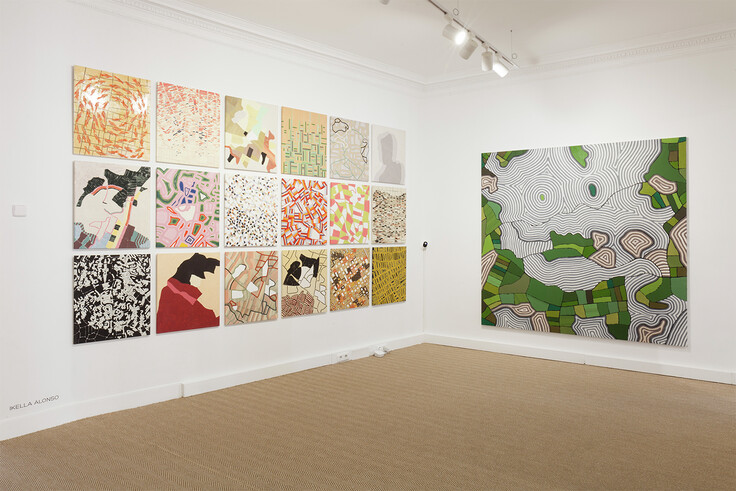
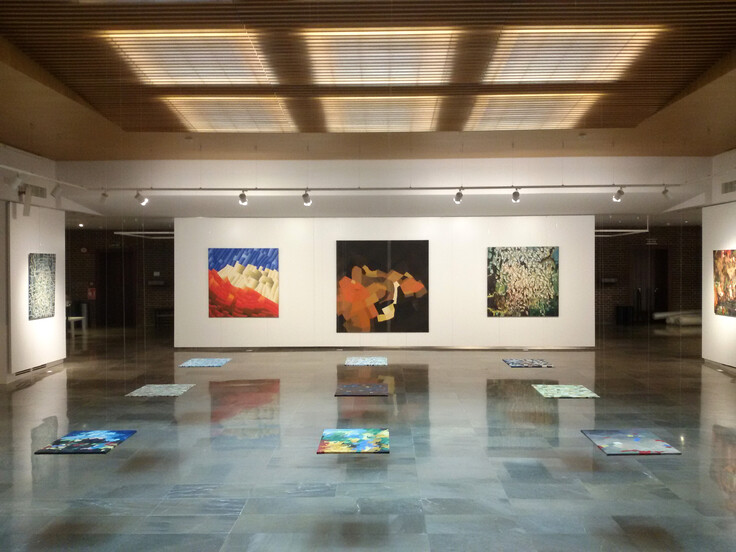
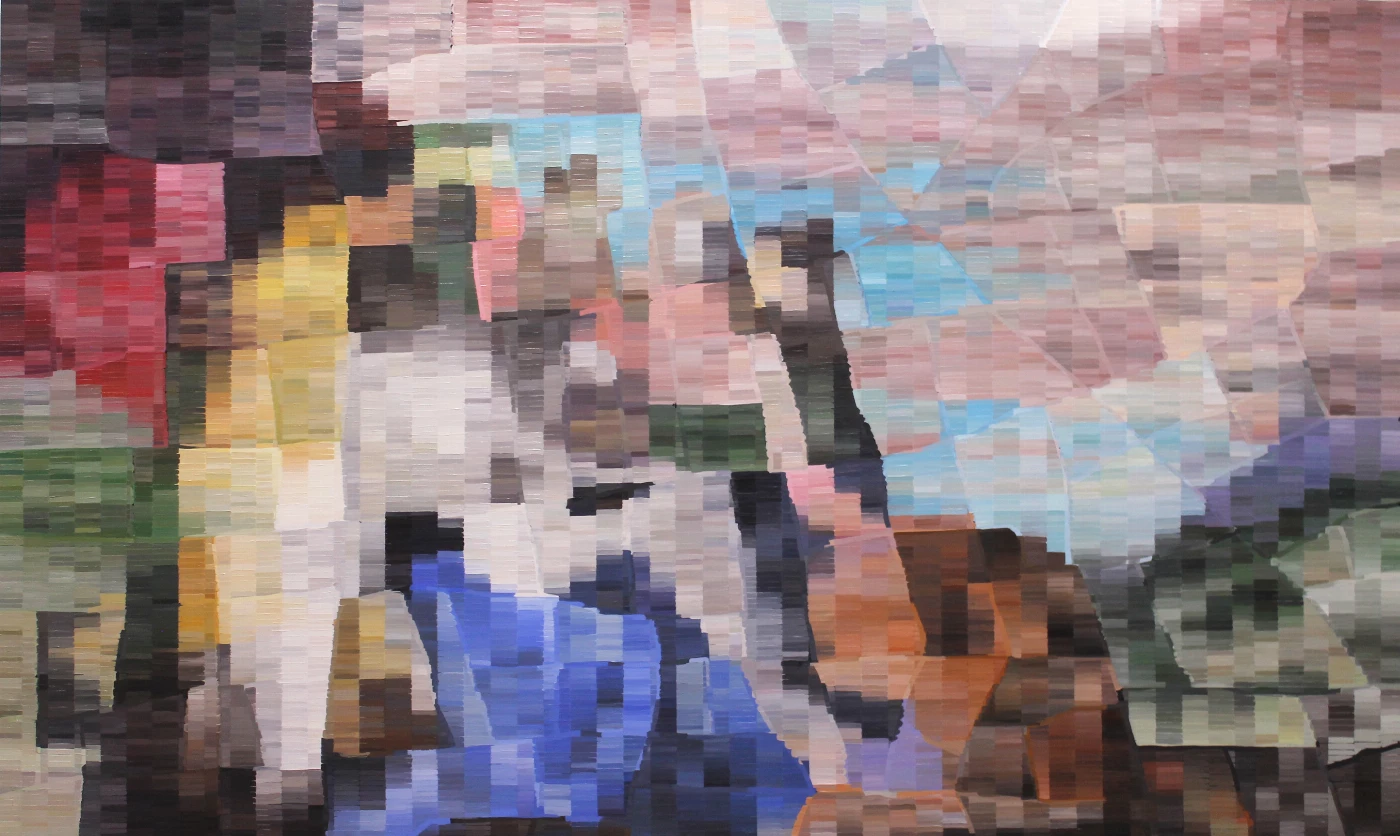
Ikella is a visual artist who stands out for his versatility and innovation. With over 30 years of experience, he has developed a unique and innovative formal solution, masterfully merging cartographic grids with the codes inherited from the great masters of painting, achieving works that are distinct in form yet recognizable as Ikella Alonso's creations.

Financial information

Signature value

67.05 ¢/cm2

Accum. revaluation

266.42 %

Price evolution

To die of passion

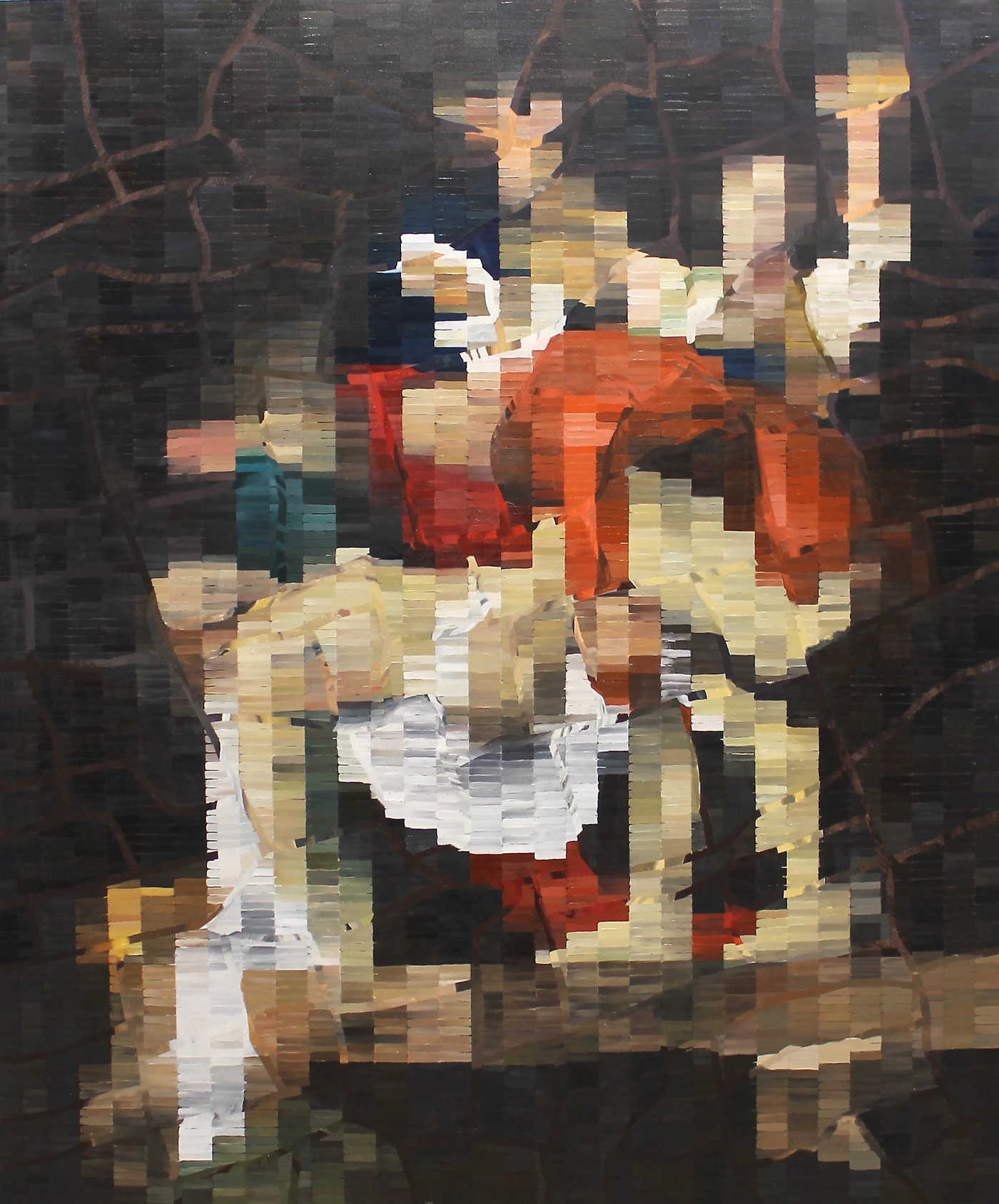
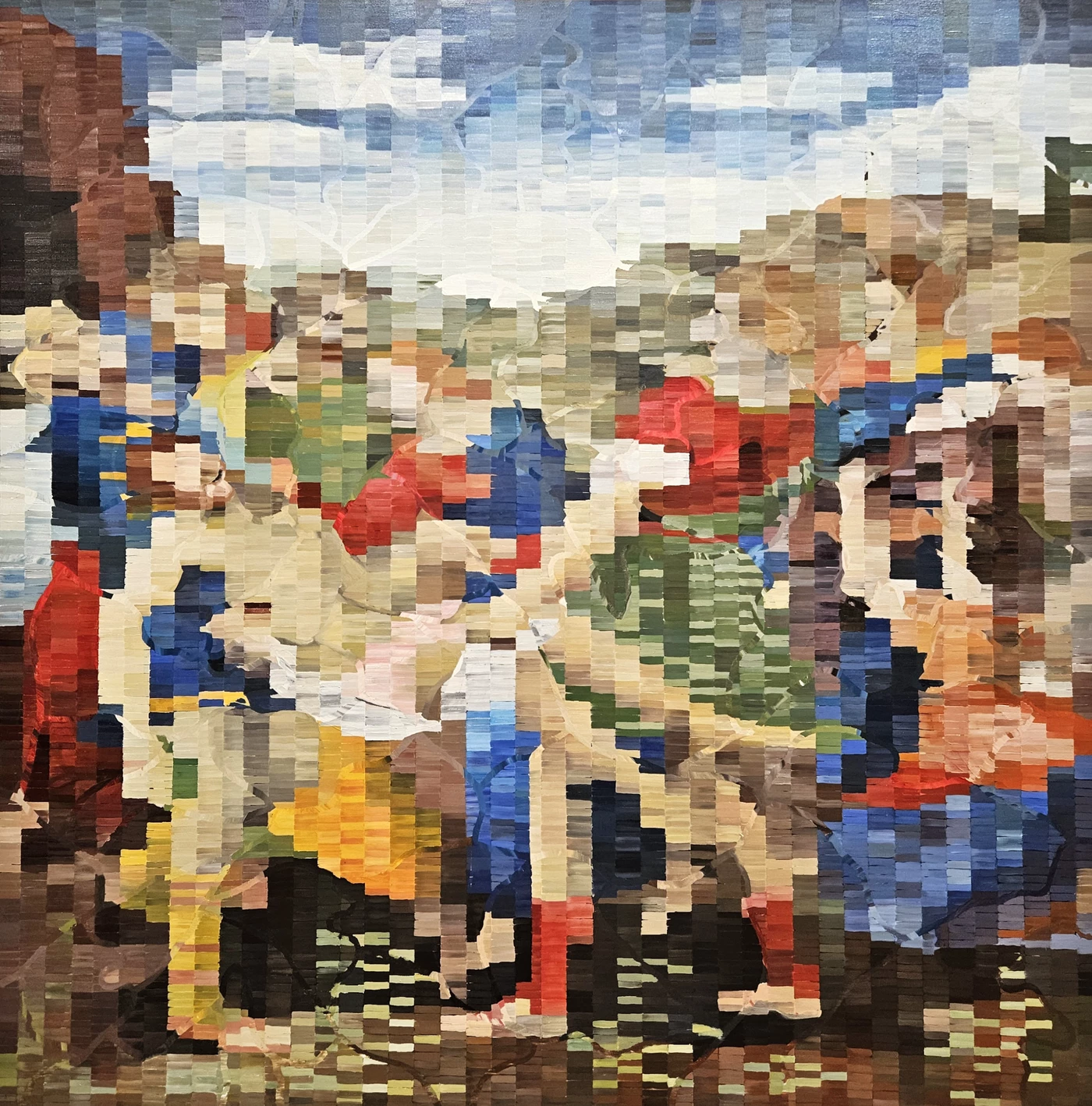
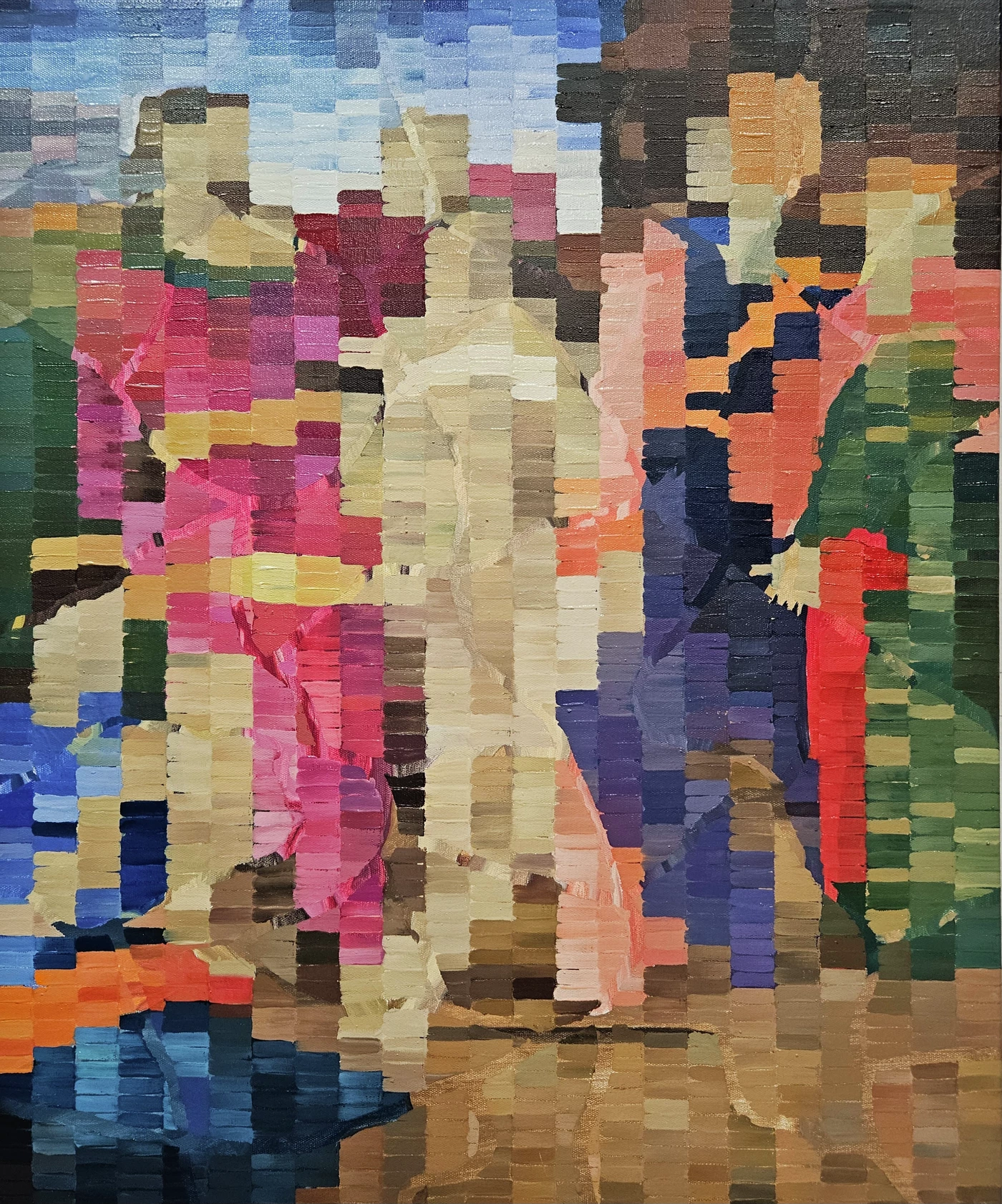
Morir de Pasión articulates a pictorial reflection on the Lamentation, the Deposition, and the Holy Burial as moments in which human pain and the sacred merge. Through Christian iconography, the body of Christ appears as both physical and spiritual weight, a passage between death and the promise of life. The series enters into dialogue with centuries of Western painting, from the Gothic period to contemporary art, moving beyond the evangelical narrative. The title alludes to the vital intensity of painting, understood as an act of absolute surrender. Image and iconography intertwine with the cartography of the painter’s hometown, further advancing the investigation of aerial landscapes and their symbolic charge.

4 works in the series
imagen-picture

Lessines

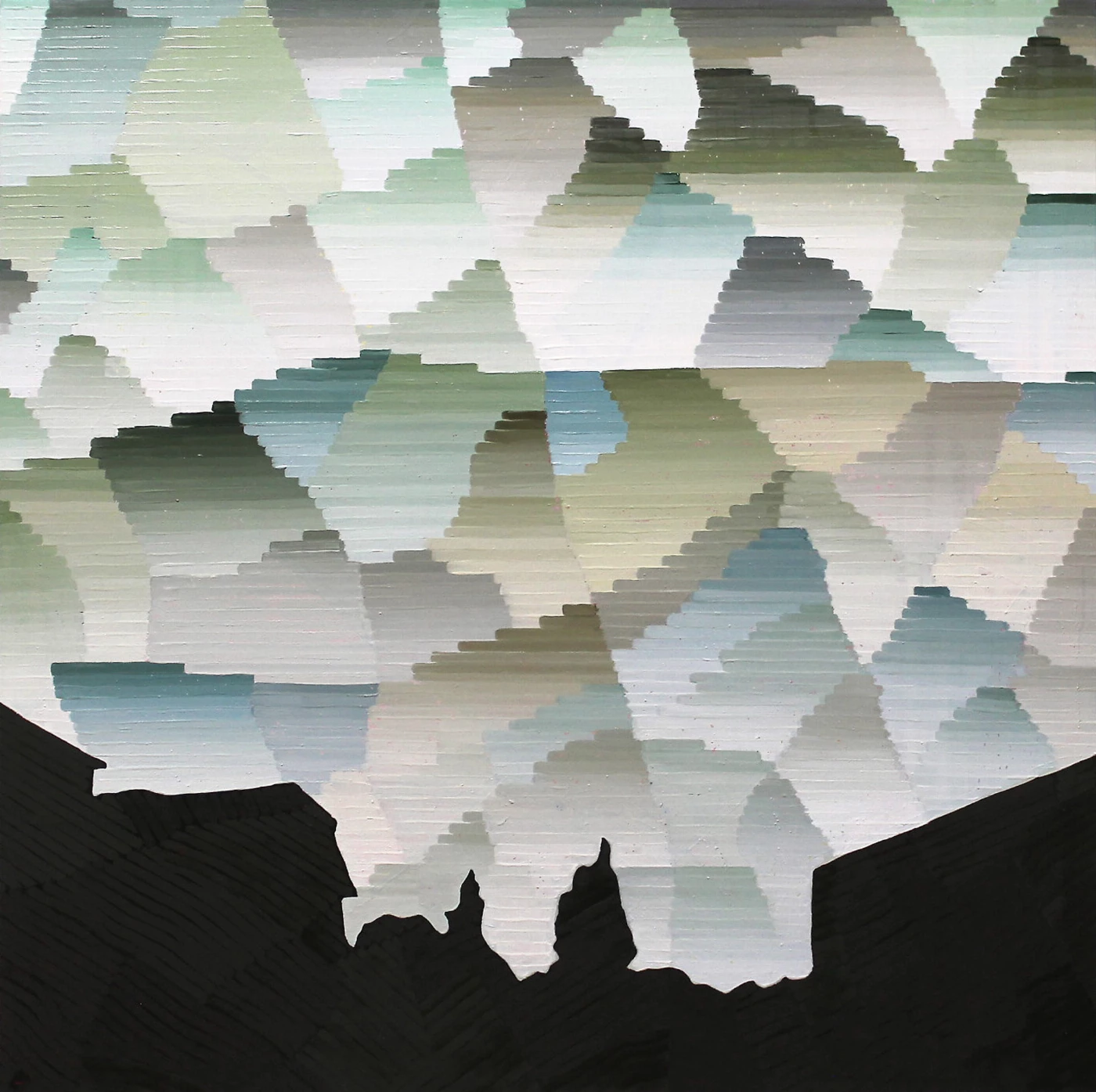
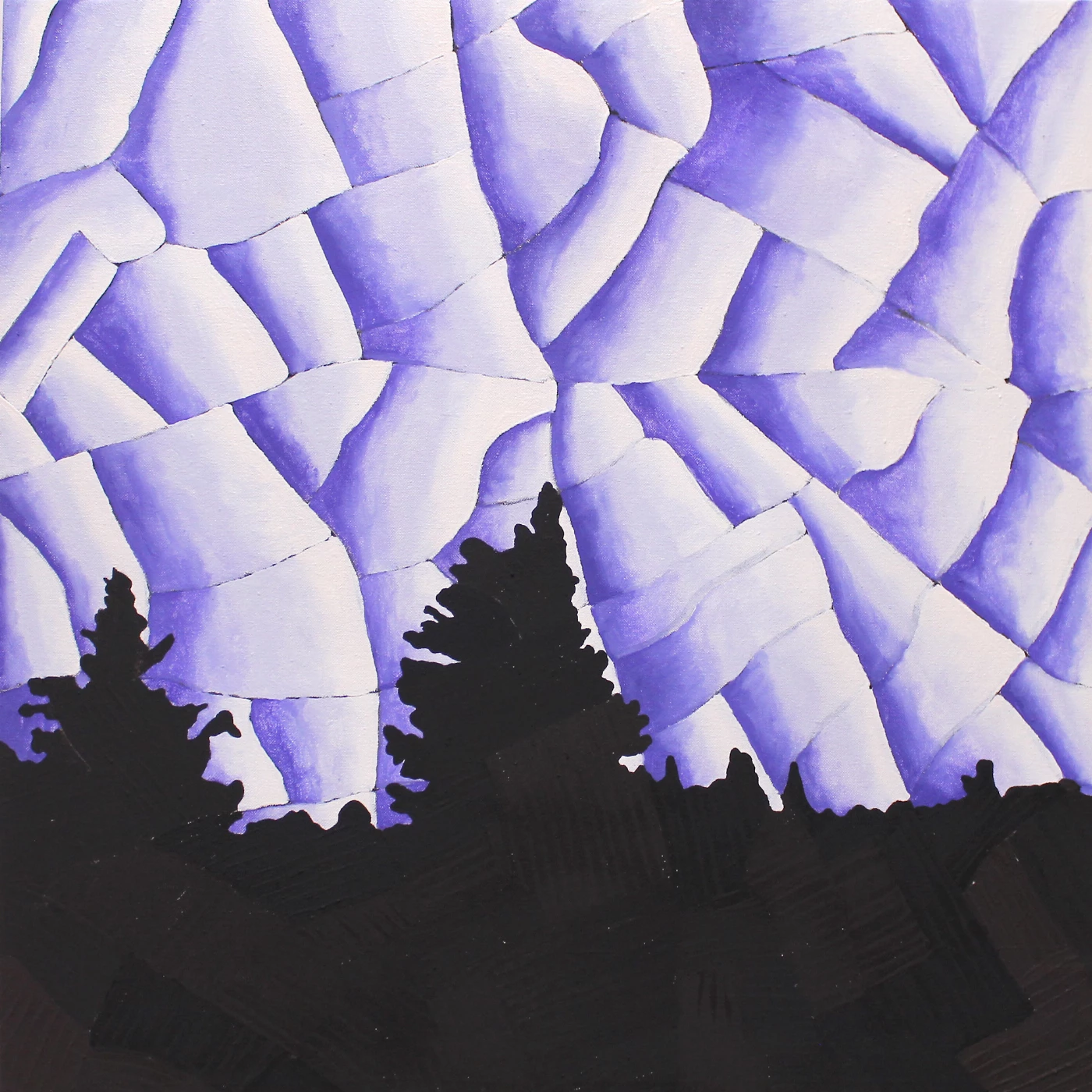
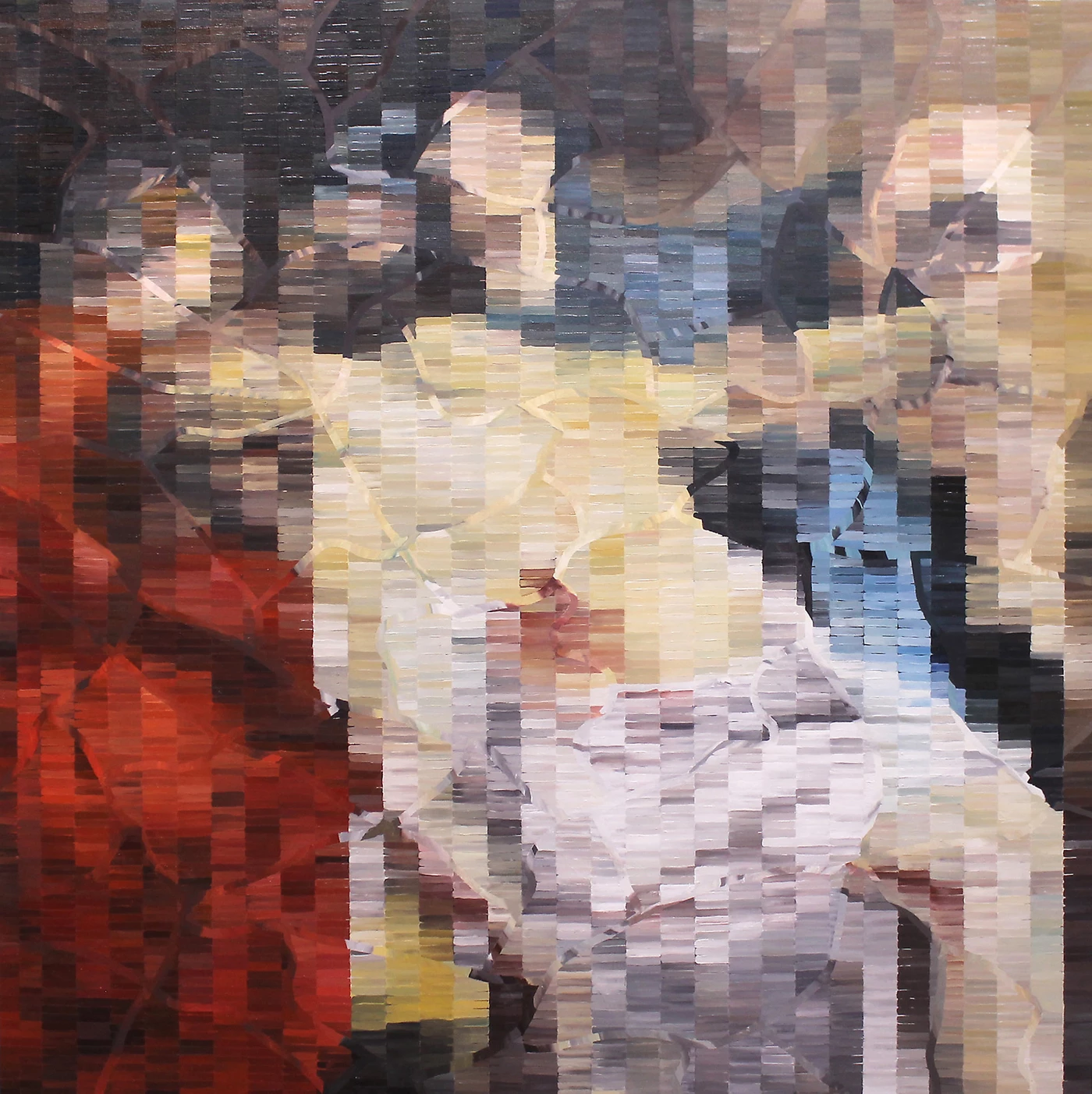
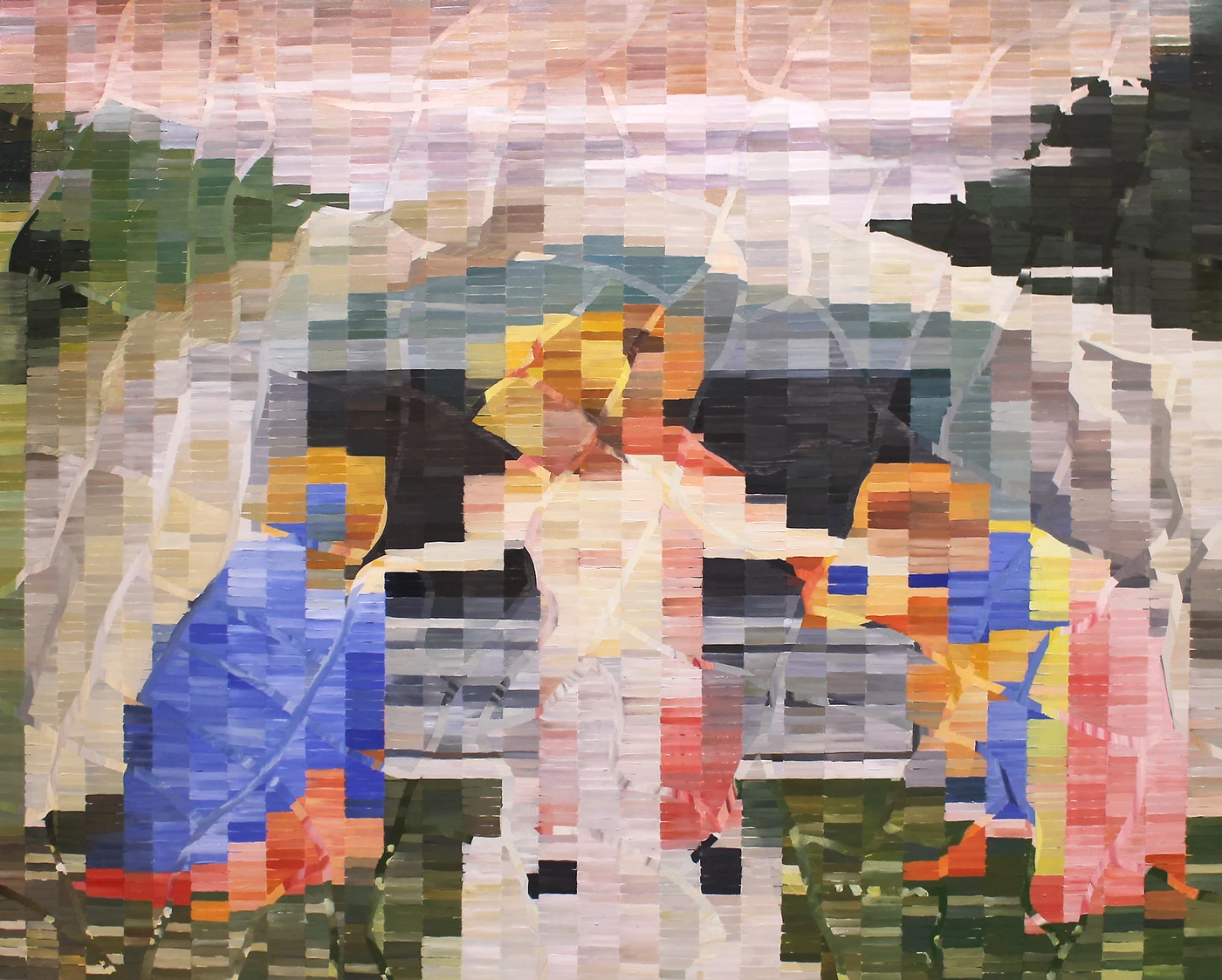
The Lessines series, inspired by the work The Empire of Light by Belgian artist René Magritte. It deals with the paradox of clashing daylight with the darkness of night. Something impossible but at the same time the eternal problem between light and shadow. The time factor is introduced into these paintings, two moments of the day. Through the map of Lessines, the Belgian painter's city of origin, the image of a cutout of a nocturnal landscape clashes with the cartography in question. One more step in this drift of cartographic landscape seen from satellite.

6 works in the series

Other Side (El puente)

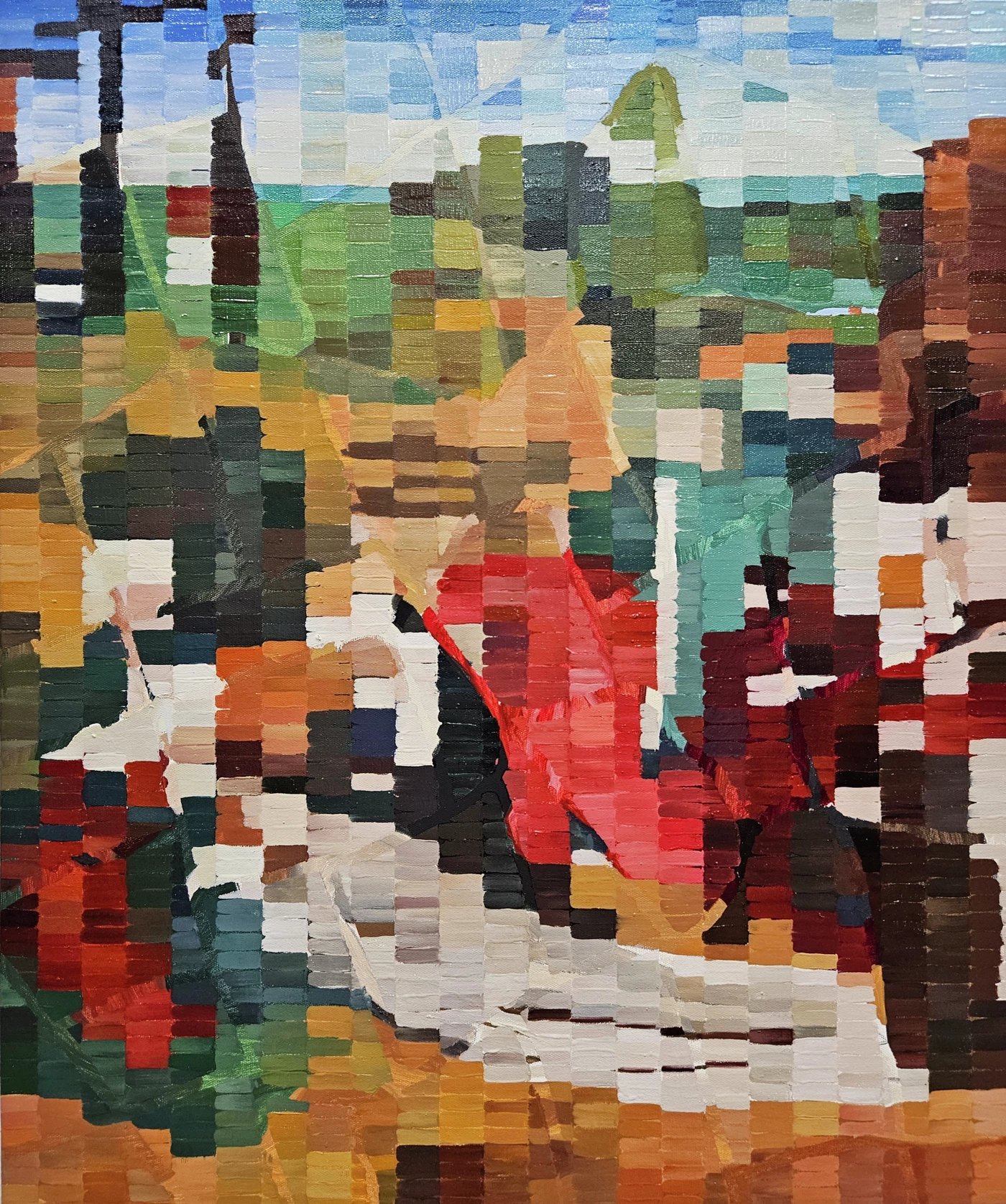
The previous series "Interior Landscapes" dealt with an interior with views to an exterior through a window. Related to the work of the Fauvists who went to hotels in the south of France to paint. In these paintings, the interesting thing was the journey from the interior to the exterior. I related the map of the painter's hometown with one of these interiors. The gaze was already directed towards the landscape, so this new series I am presenting is about delving into the landscape. Landscapes seen from satellite mixed with real landscapes from painting. But, there is a conceptual reason that I find interesting to highlight. What is the best way to make the journey from the interior to the landscape? It had to be a connecting element, and that's why I chose the bridge, as an element of communication. The bridge overcomes an obstacle, while at the same time it makes the journey from one place to another. The bridge is an element of union and connection, in contrast to what is distant.

17 works in the series
imagen-picture
Sevilla IV | Ikella Alonso
81 X 100 CM
imagen-picture

Paisajes Interiores

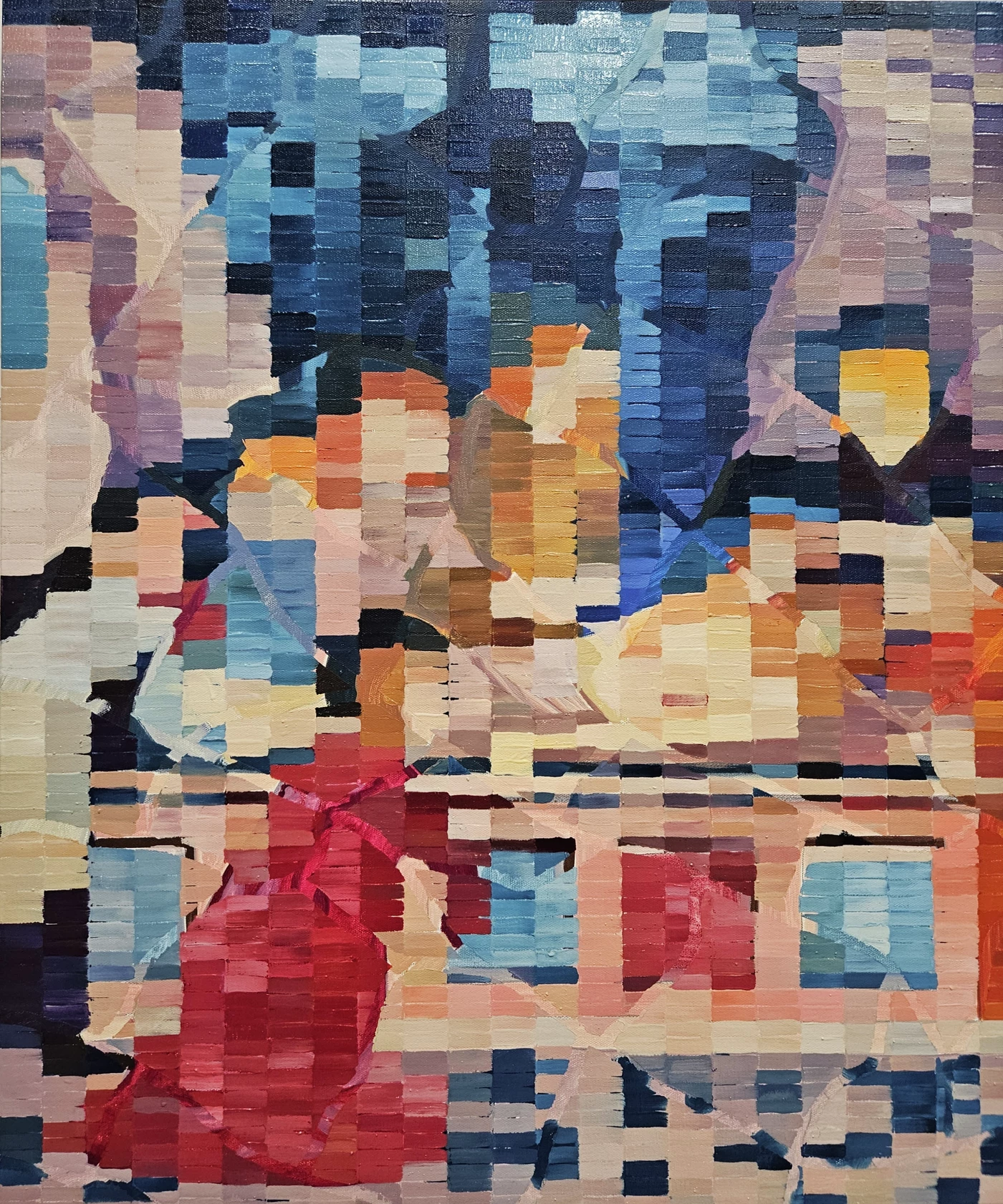
The landscape no longer seems to open up, in the form of a plane, but rather with the appearance of a window that opens onto the interior of a room with a view of the sea. These are the two tributes directed by Ikella Alonso to the Fauvist artists, with special attention to Henri Matisse, recalling some of his paintings made in Nice between 1916 and 1930. Although in them the fundamental texture of the painting is traced from the satellite plan of Le Cateau-Cambrésis, Matisse's hometown, in them, however, the representation takes on the appearance of reflections in a broken mirror. It is actually the transition from representing what in planimetry is called "plan" to representing what architects call the elevation. It is therefore simply a matter of putting the painting back on its feet.

35 works in the series

Landscapes of the Floating World

The floating world is understood as the nocturnal world of pleasure, leisure, and intoxication, which constituted the background of many paintings by Japanese painters of the first third of the 20th century. And in turn, the physical, geographical space of the islands that make up Japan. Two floating worlds: that of the map and that of the senses. The landscape seen from the sky offers a new way of appreciating the land. It proposes a virgin perspective. Plowed fields, crops of iridescent colors that change with the light. The landscape in the distance shows us the sublime of nature. Color, volume, geometry, form, light, perspective.

20 works in the series

Sun Prairie

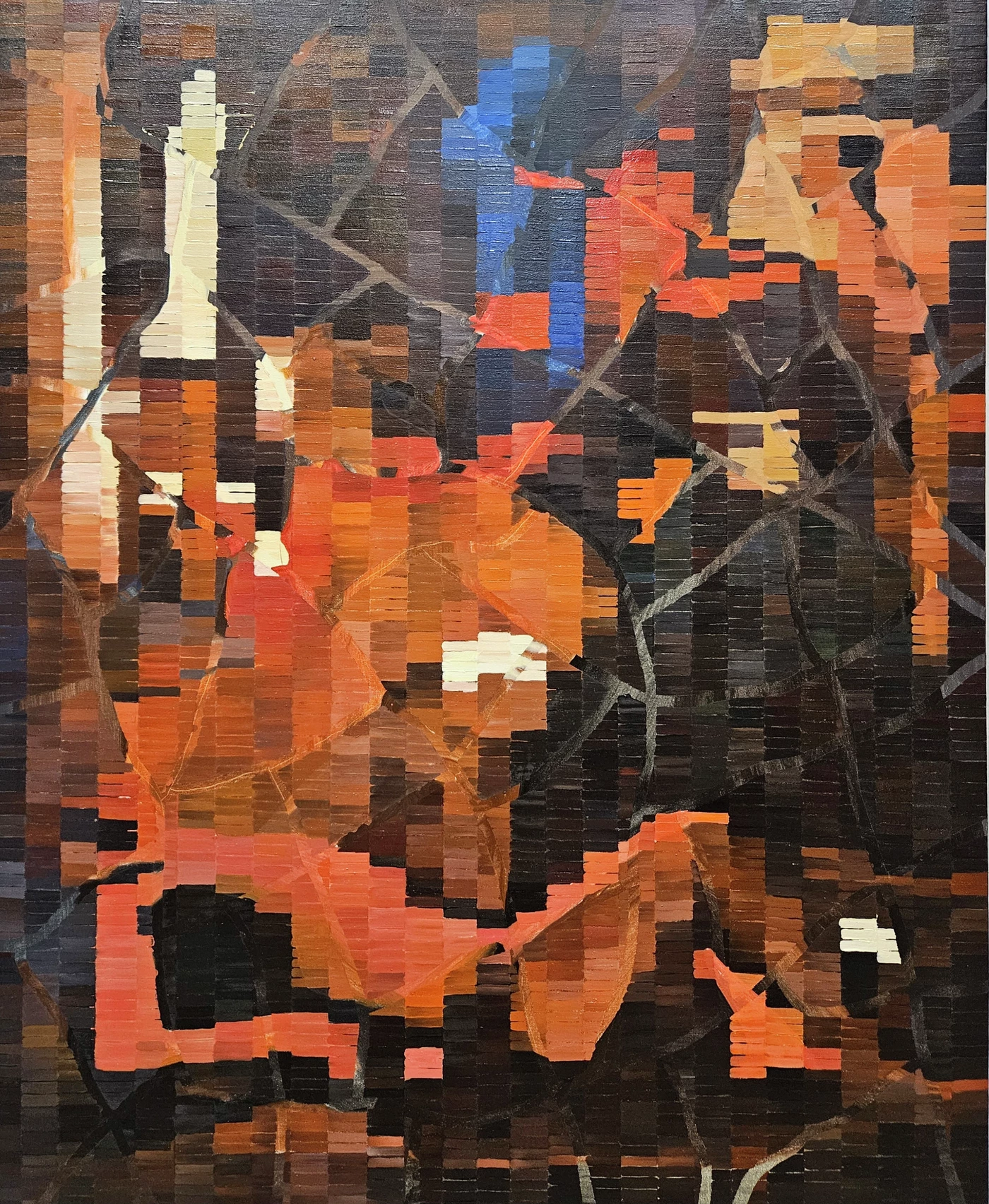
When I began to create the Sun Prairie series, reading the catalog of the exhibition held at the Thyssen from April to August 2021 and a subsequent documentary I watched afterwards, told me that there was something more, that it was very poor to focus on just one work. For this reason, I continued investigating and realized that she proposed lines of work different from Interior Landscapes. If in the latter series we speak of a broken mirror, in the case of Sun Prairie, it is a puzzle. I discovered that O'Keeffe was very interested in collecting elements from nature, specifically autumn leaves, in a town near New York. In reality, she collected everything; they were encounters, discovering a feather, a bone, some dried animal, and especially leaves. As I delved into the organic nature of the leaves, an element linked to cartography emerged that I had never before put on canvas: the idea of contour lines, terrain elevations. Thus, I mix the image, the organic nature of nature

3 works in the series

A Coruña

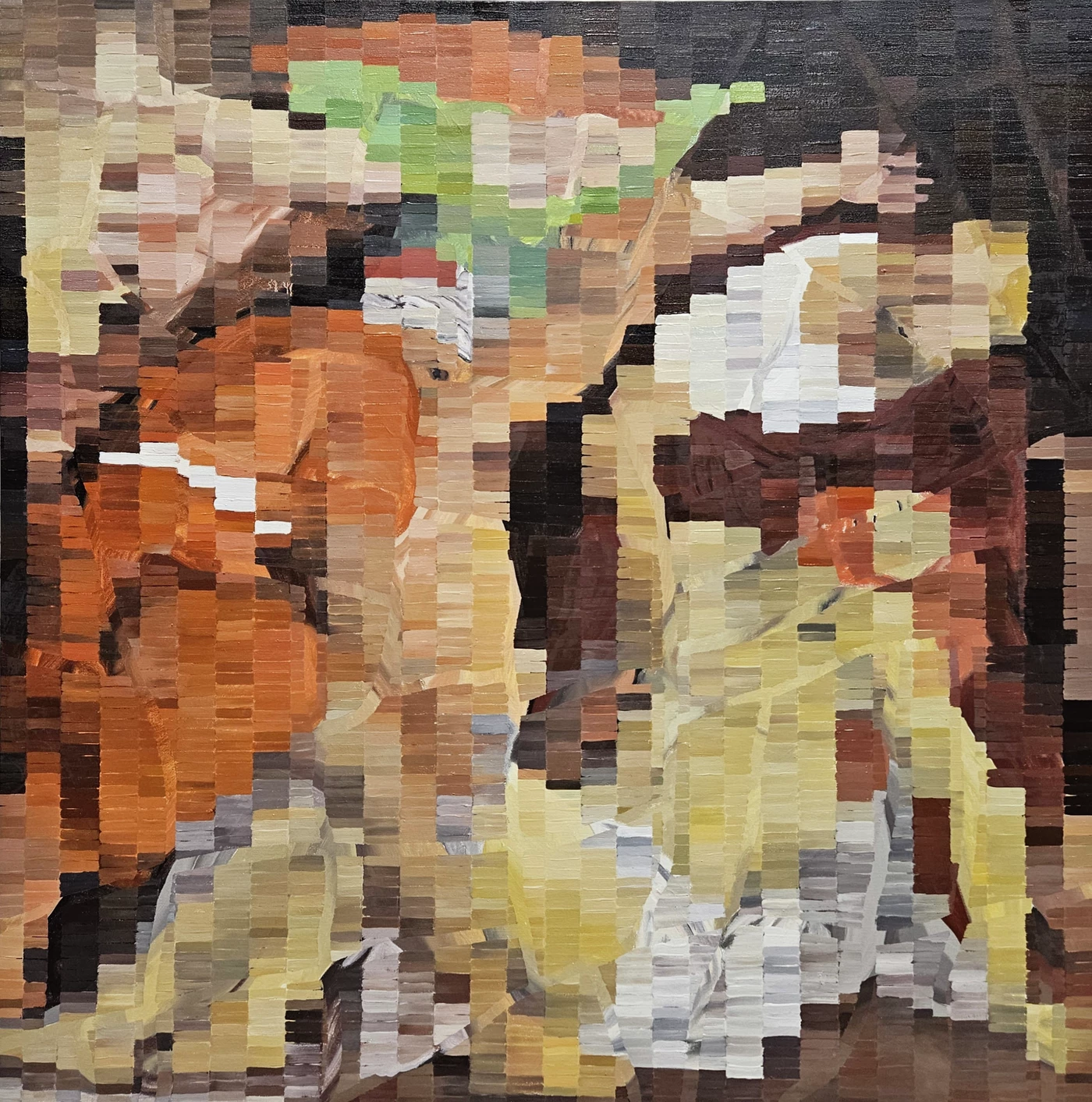
In 2024, the A Coruña series began, where figure is hybridized with cartography. In this case, the chosen artist is Carlos Alcolea, mixing his bather series with the map of A Coruña. Within this work, we have the genre in painting mixed with cartography, portraits and maps, still lifes and maps, landscapes and maps, and on this occasion, figure and map. Carlos Alcolea drew inspiration from a pop master like David Hockney. A relay race where one artist passes the baton to another. Such is painting, a sum of events and knowledge transmitted from one generation to another.

3 works in the series

Sunday

The still life theme has already been explored in other series. In this case, the aim is to concentrate the gaze even more, within the series of windows, I focus on the area related to flowers and their relationship with space. But I found it interesting to delve a little deeper and work on some images. Thus, we can say that "Sunday" is a divergence from the "Interior Landscapes" series. This shows that all my work is intertwined, that one cannot exist without the other.

23 works in the series

Rotterdam and Amersfoort

In this series, the artist focuses on two Dutch artists to whom he wishes to pay tribute. Firstly, to Willem de Kooning (Rotterdam), where Ikella creates a series of 14 works taking as reference the series developed by de Kooning in the late 1960s, focusing on the use of color and brushwork. Secondly, the artist pays tribute to Piet Mondrian (Amersfoort), investigating the last works the artist created during his lifetime in his final period in New York.

16 works in the series

Headbutting Painting

Looking at a map and discovering a head. It was in 2019 when the series emerged where, among painters who work portraiture, from classics to contemporary artists, the areas or demarcations that appear on the terrain. At that moment, the head begins to be constructed or revealed. In some cases, it is a suggestion and in others, a deformation.

7 works in the series

The Flight of Icarus

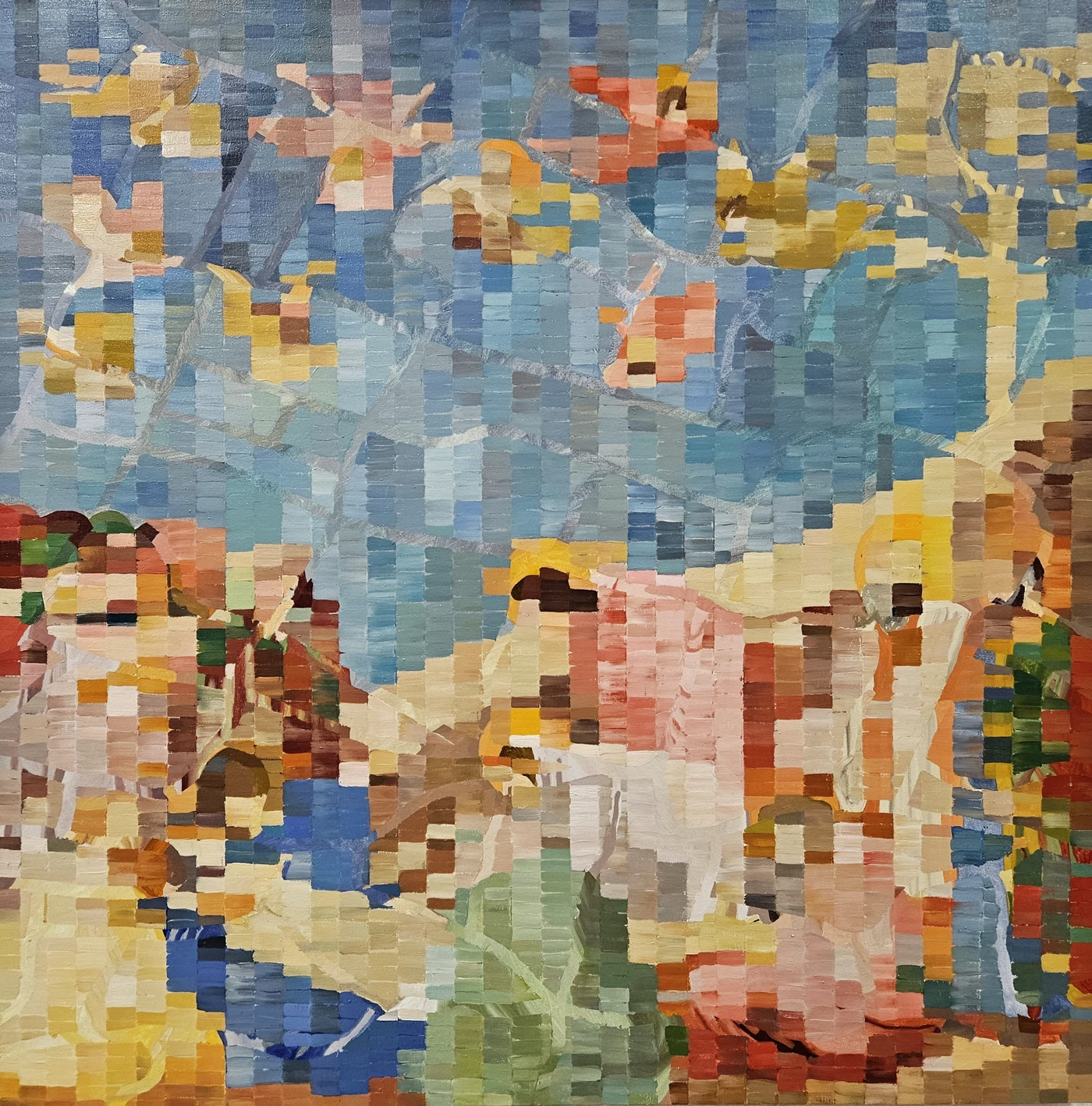
Ikella Alonso has gone to seek out the masters of painting in their places of birth. She has wanted to see those landscapes, those random geometries, from a bird's-eye view, to reinterpret them from the knowledge of their works, hybridizing her personal diction with their color palettes and approaches. More than Icarus, the work of a painter, facing a new blank canvas again and again, is reminiscent of the endless task of Sisyphus. But Ikella Alonso is not condemned by any god, but rather approaches the continuous restarting of painting from her own will and free choice. The craft and its continuous learning, sustained over time, and the incorruptible will of pictorial research, indifferent to the punctual success or failure of a painting, are the wings, far from fragile, with which Ikella Alonso, stubbornly, diligently, and joyfully installed in the labyrinth of painting, soars, maintaining the distance that prevents catastrophe, over the landscapes of her history.

38 works in the series

High-Altitude Solitude

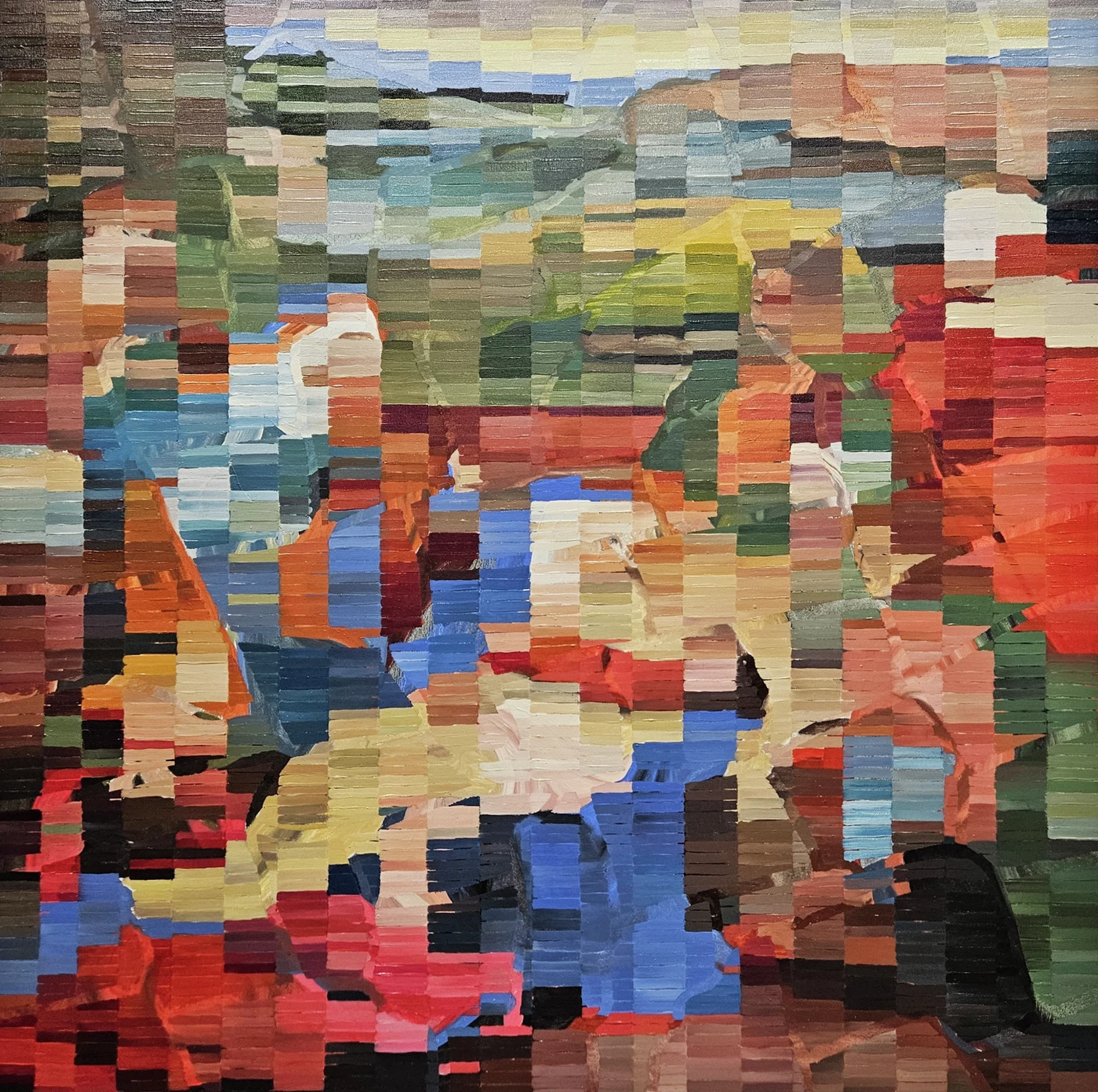
Is solitude a phenomenon that pertains to painting. It is woven in solitude, starting from a void. The emptiness of the canvas, and you prepare to take a leap, a high jump, free-falling into painting. High-altitude solitude, a series of landscapes with a vertical gaze. The satellite captures the territory, the painter's homeland, with its fields ploughed by color, cut with thick brushstrokes of material, which daub the canvas surface. They are impasto fields of pigment with iridescent borders. And again, solitude, the passenger who sits by the window and glimpses the immensity of the landscape, and from the highest point succumbs to nature.

26 works in the series

Sea of Loves

The Sea of Loves series represents the union, a hug, a clash between the strip of sea and the strip of land. The mass of water colliding with the structure of the land. It is the beginning along with the landscapes of irrigated areas, where the landscape seen from satellite reproduces what we see. A short series of four pieces. The interest in the material that represents the sea versus the painting that is on the land.

3 works in the series

Geometries from Space

With Geometries from Space, the work of landscape seen from satellite begins. What would later come to be called the vertical gaze. Initially, the interest lies in seeking irrigated fields in different parts of the world. Those circles we see from space represent a circular irrigation system. We can find them in different areas of the planet.

4 works in the series

The Window

1 works in the series

Eye Boxes

A look at the gaze of art history and painting. The artist reflects the faces and expressions of each artist to whom he pays tribute, whom he observes, and by whom he also feels observed in each new work he executes under his scrutiny, hoping to be worthy of their judgment.

15 works in the series