Óscar Seco

Óscar Seco

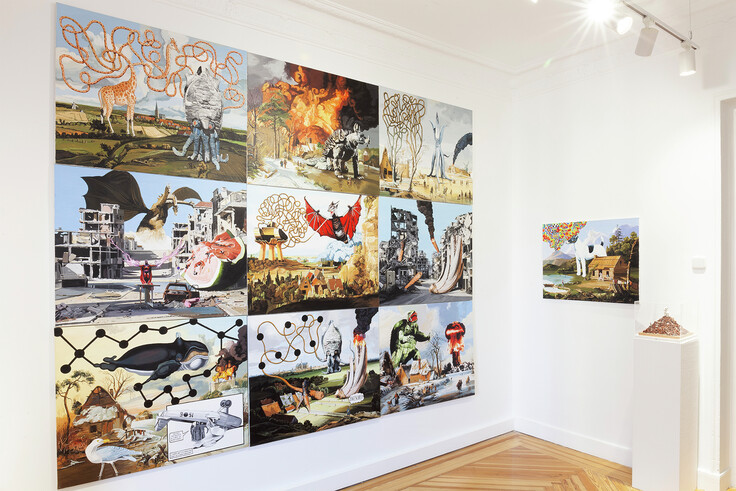
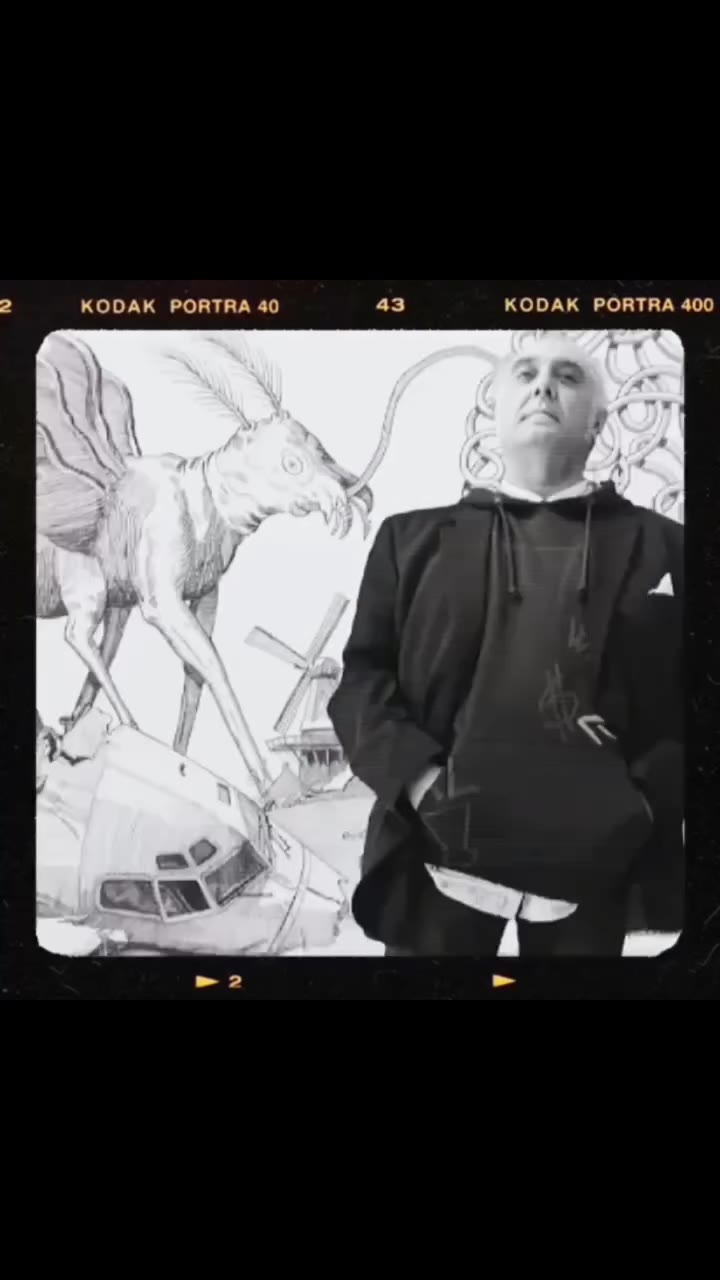
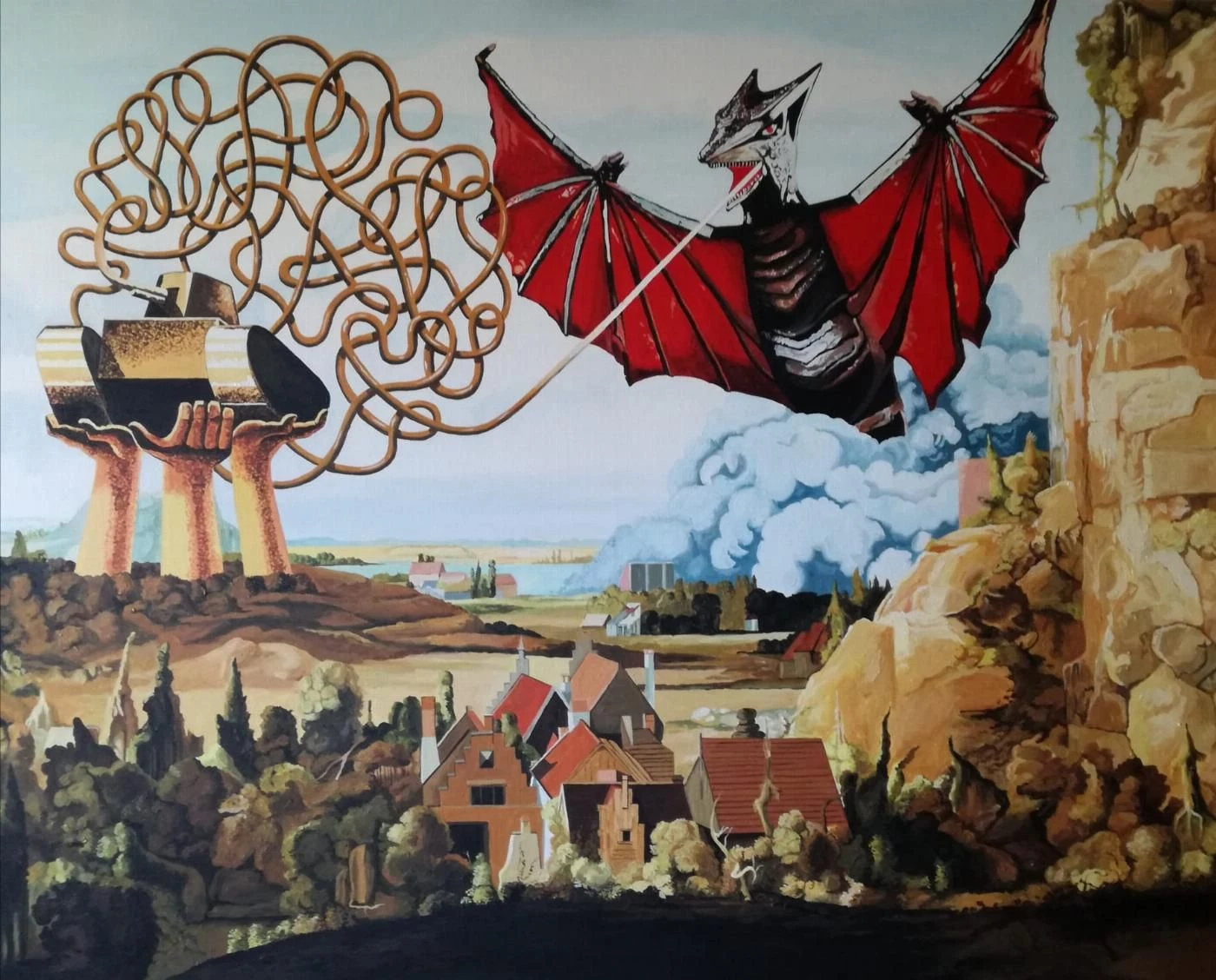
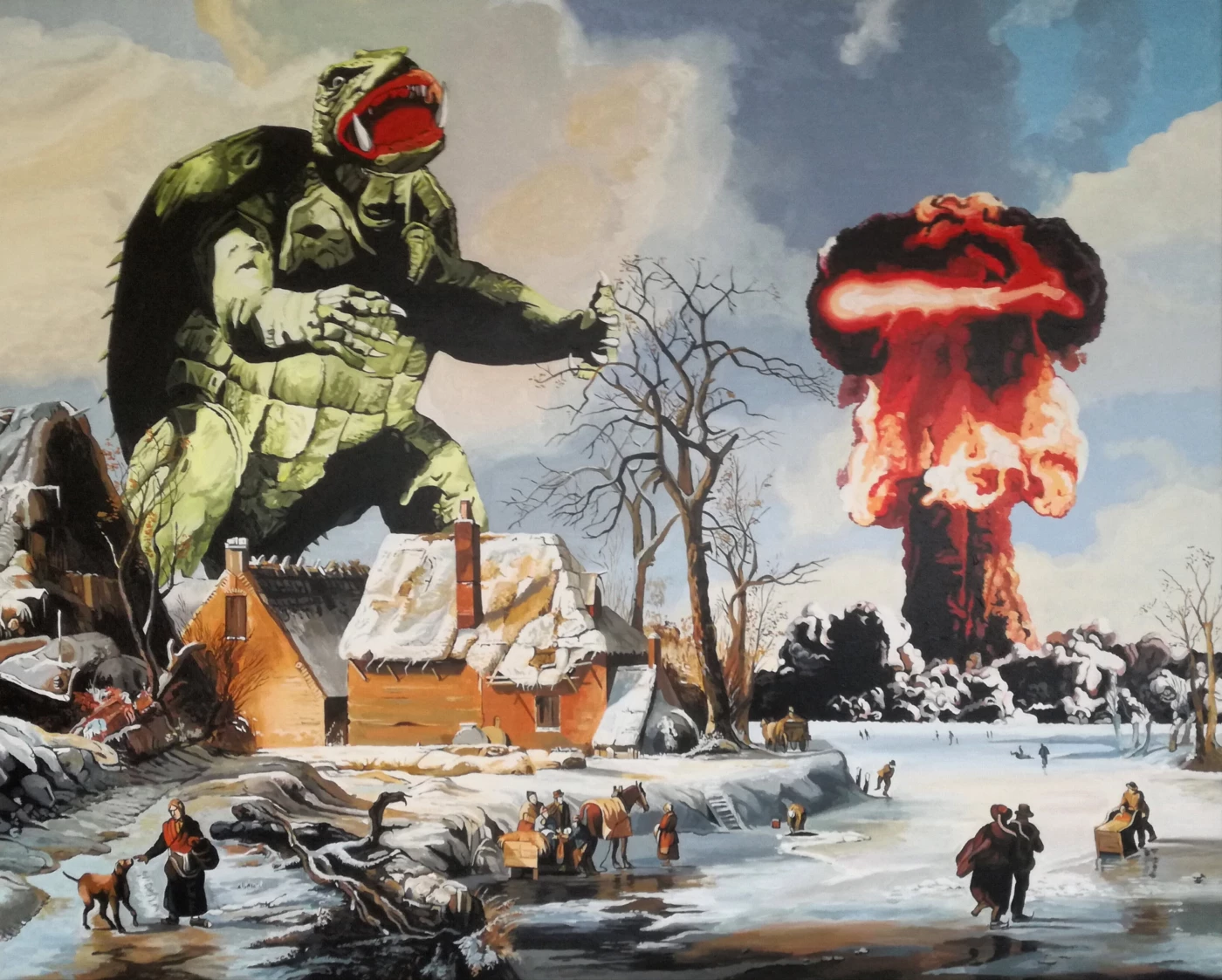
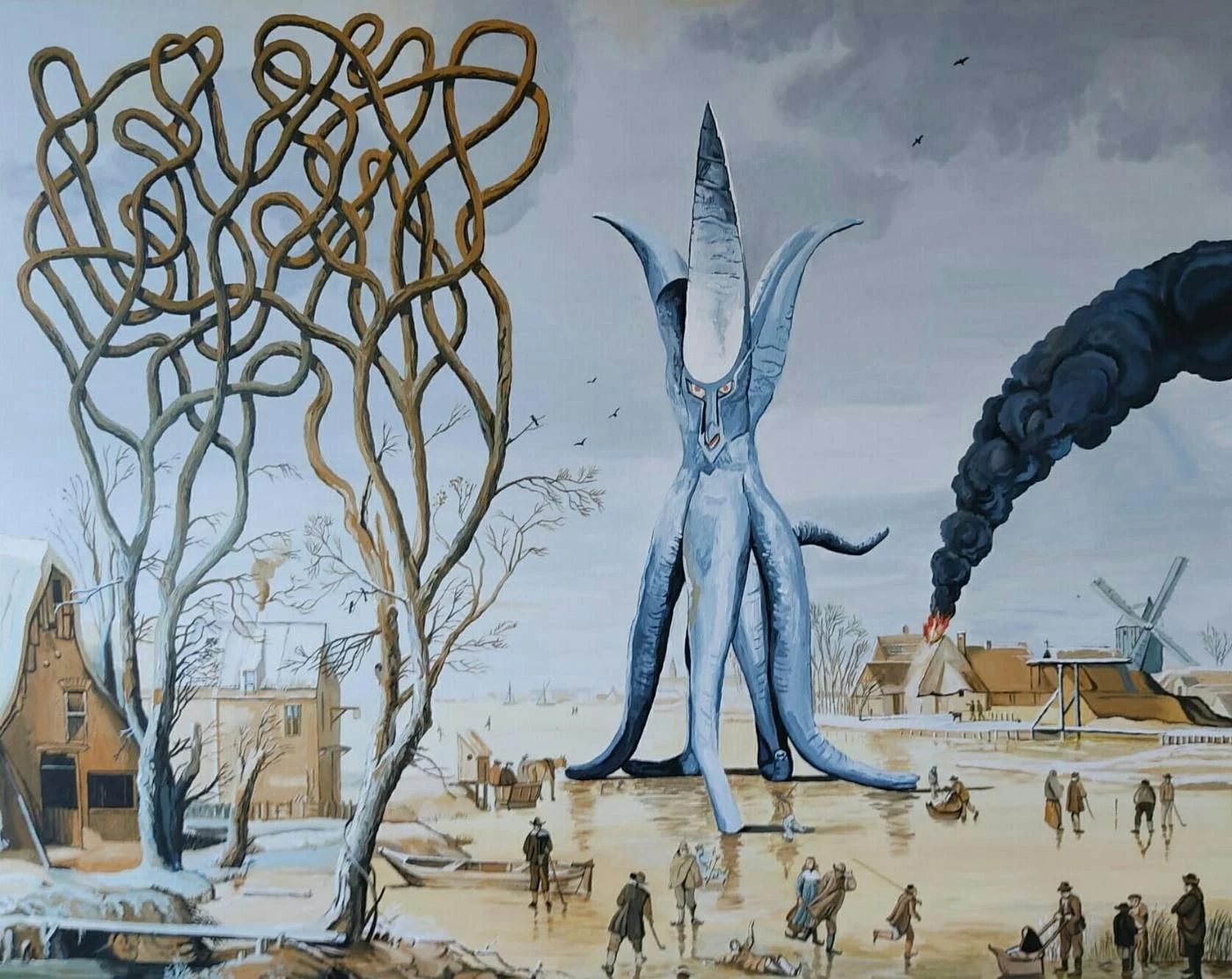
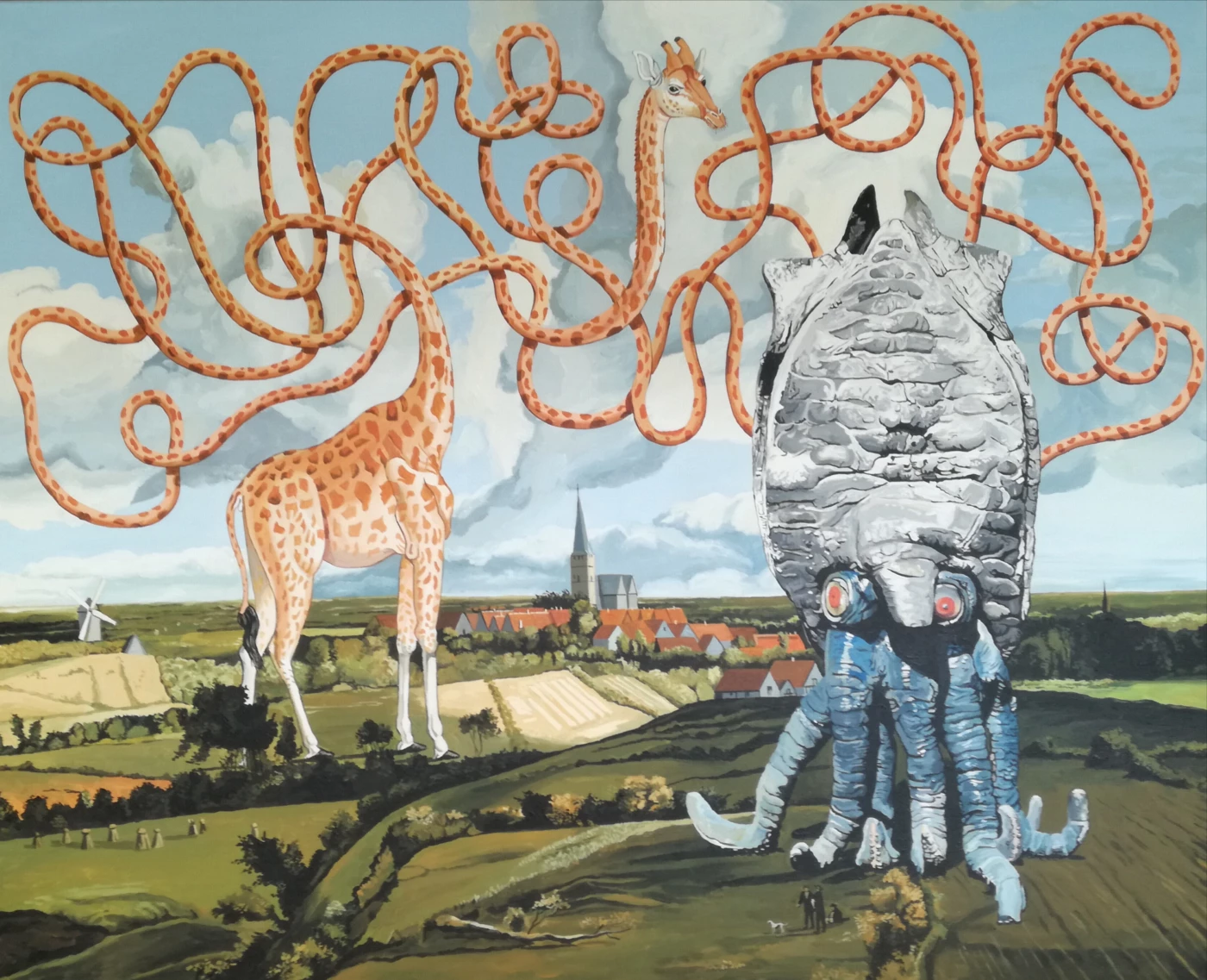
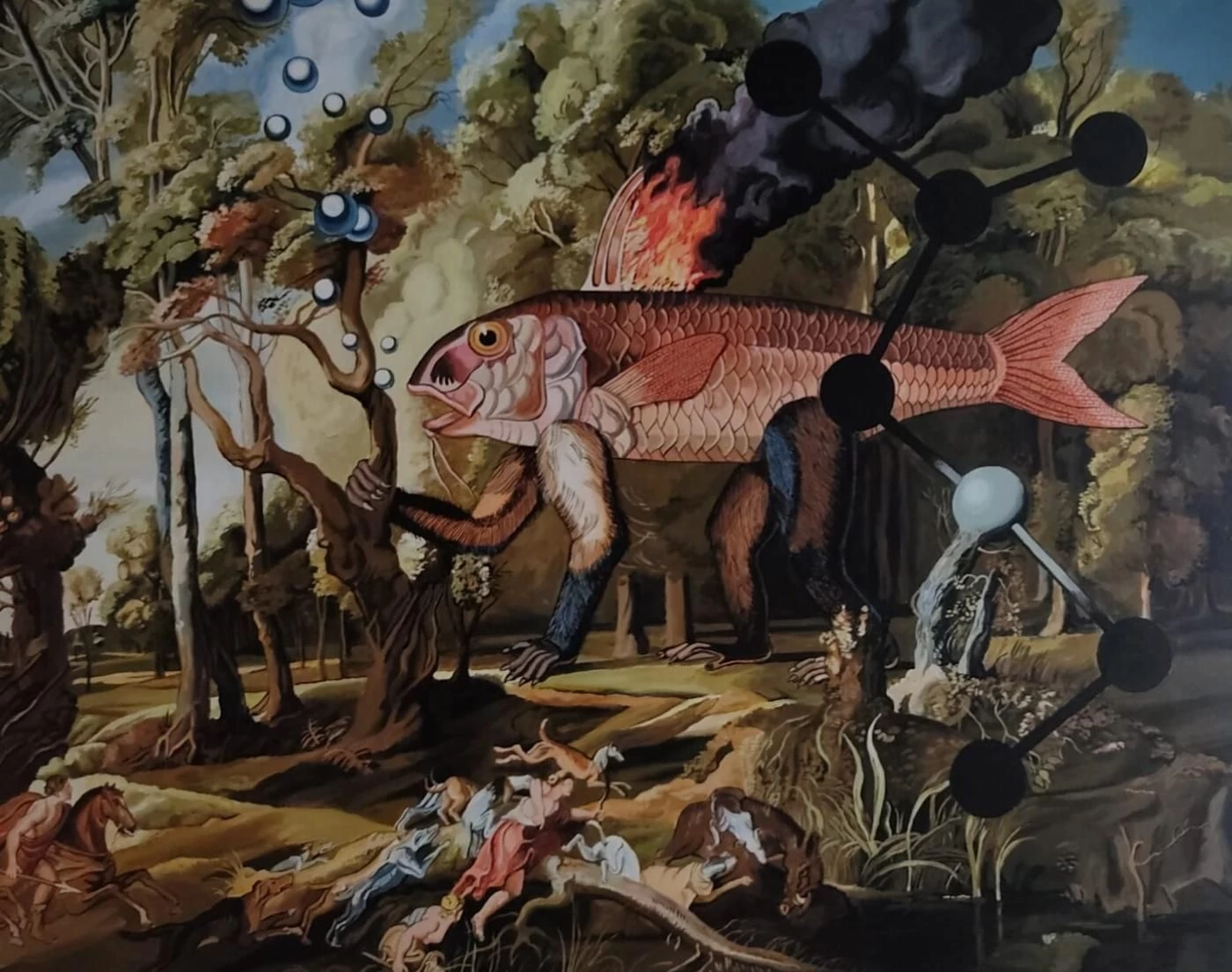
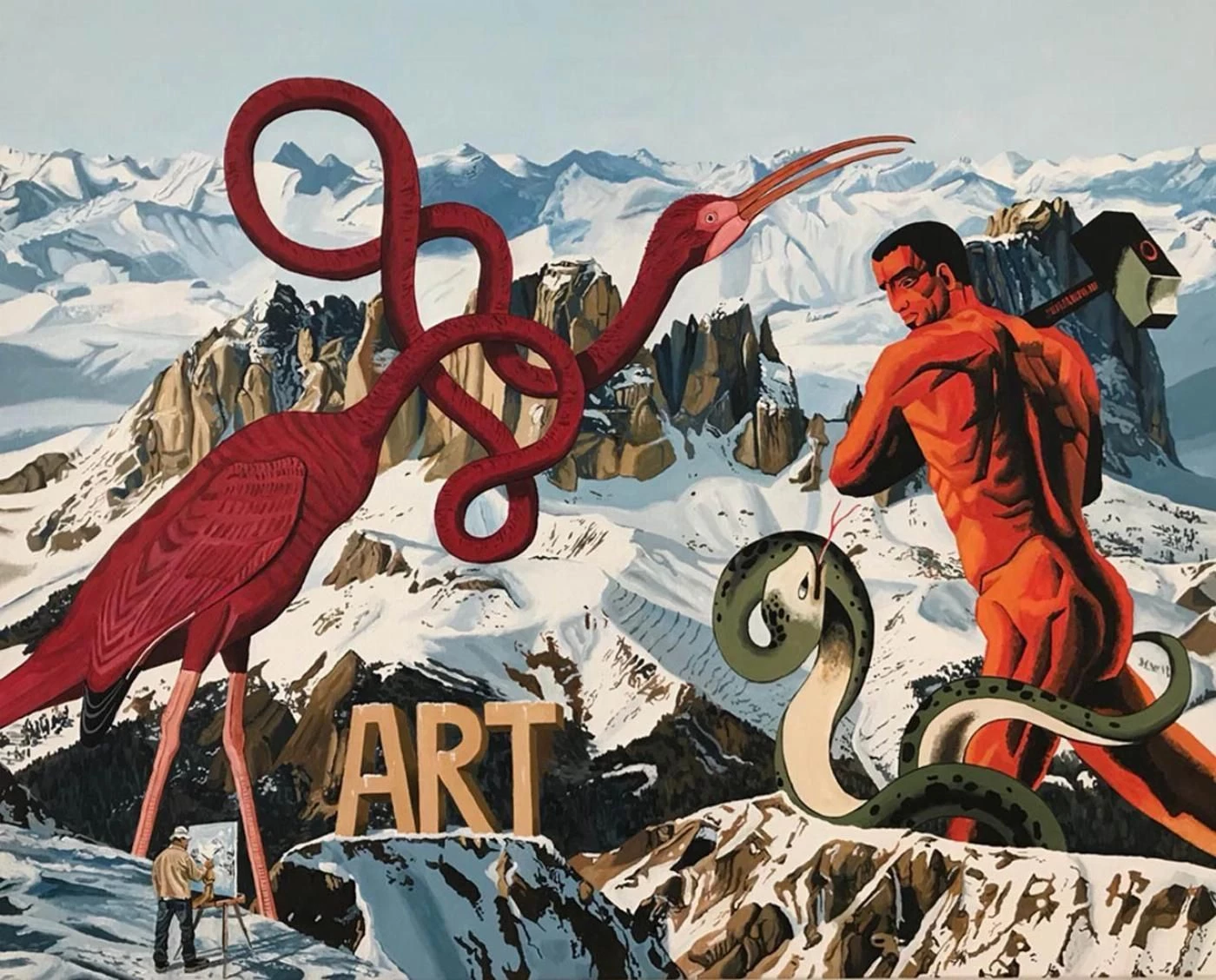
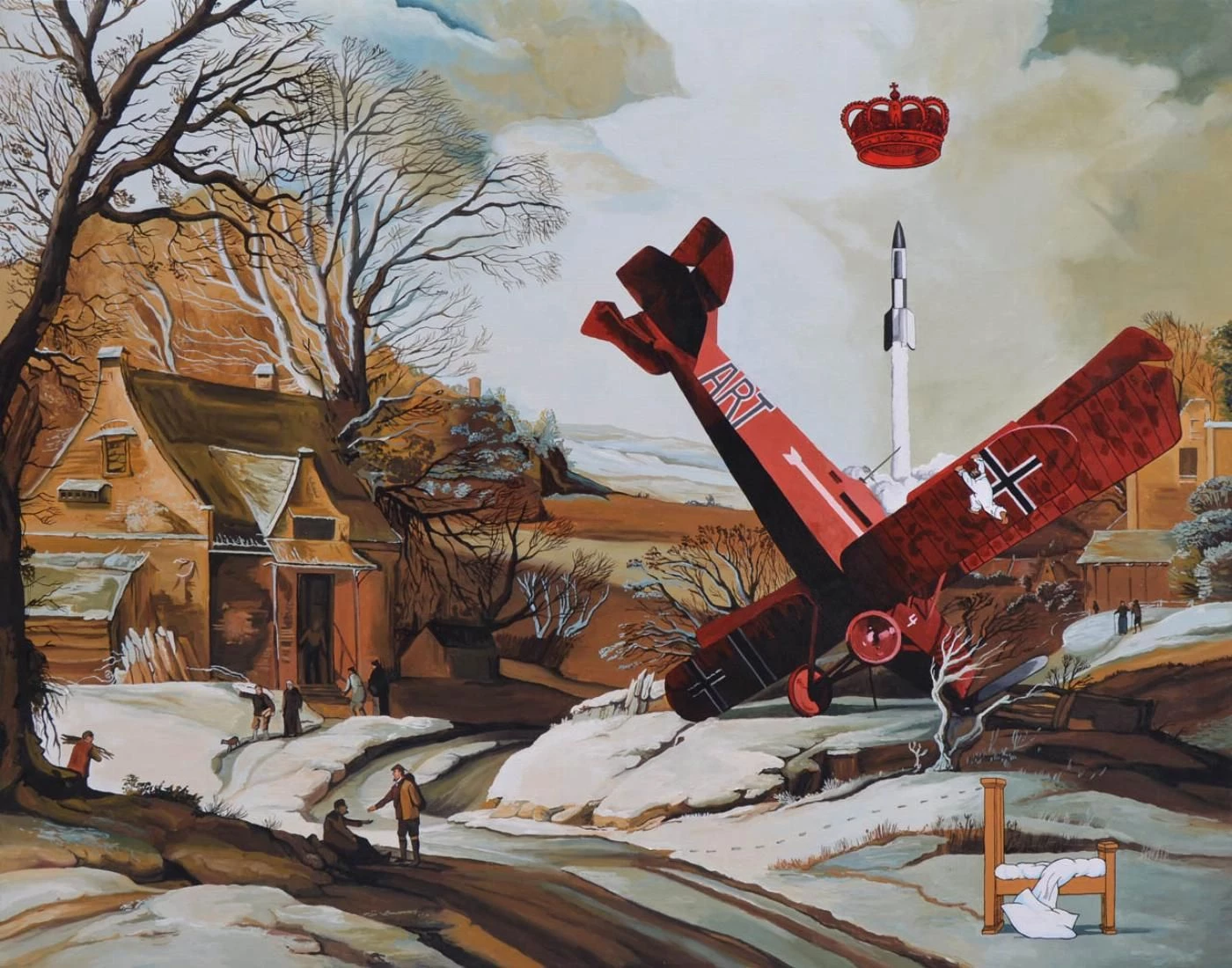
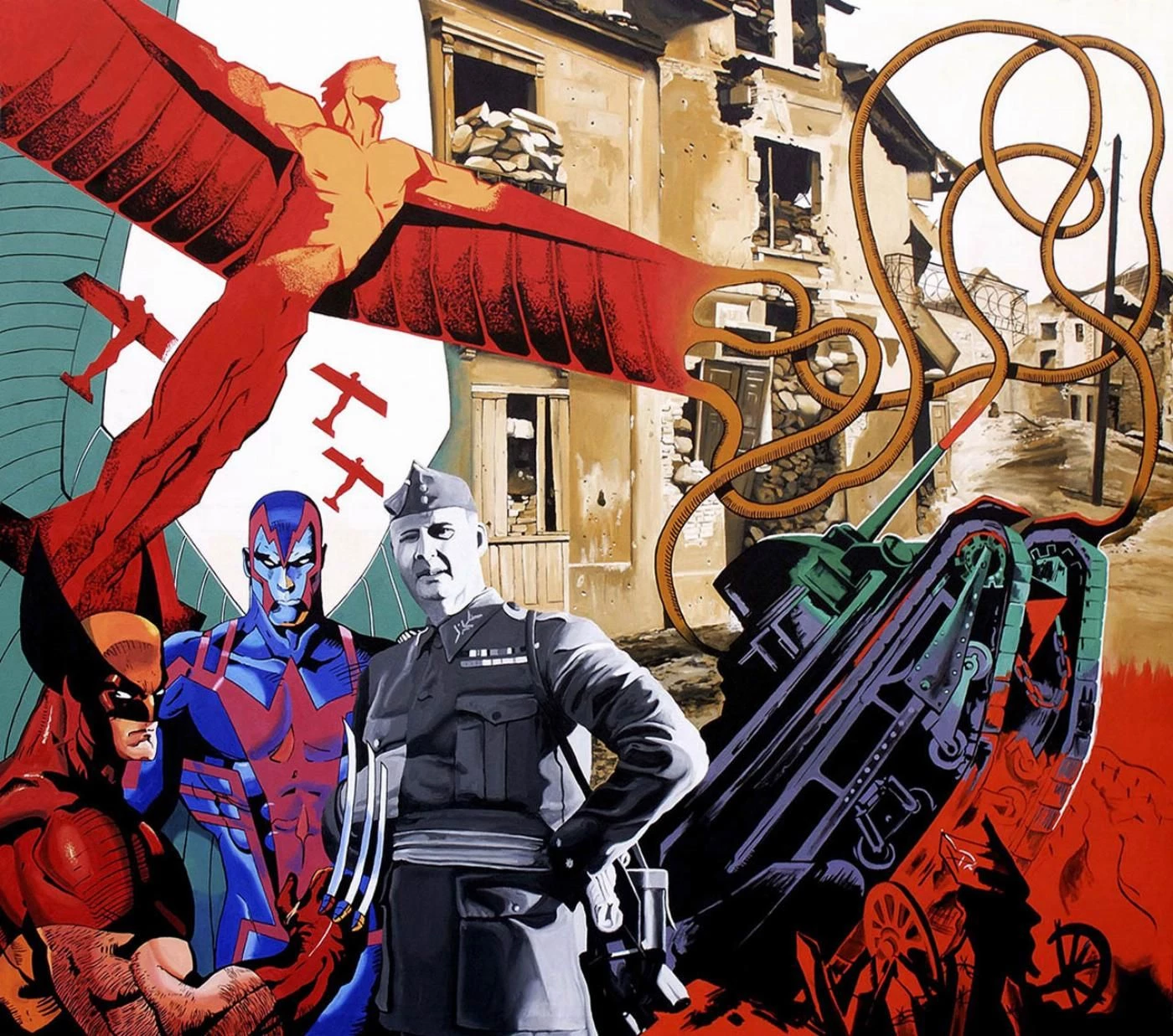
Óscar Seco develops a critical pictorial practice that subverts historical, political, and social narratives through a hybrid iconography that combines war tradition, comic book aesthetics, and apocalyptic imagery. His dense and narrative compositions integrate historical references and dystopian scenarios with a fragmented visual structure loaded with symbolism. Formally, he combines rigorous drawing with parodic and grotesque elements, creating a tension between artifice and content. His color palette alternates between saturated palettes and black and white, always depending on the visual discourse. Conceptually, his work operates through symbolic revisionism, questioning the mythologies of power, collective memory, and structural violence through irony, appropriation, and anachronism.

Financial information

Signature value

28.82 ¢/cm2

Accum. revaluation

44.13 %

Price evolution

We are all going to die

Seco radicalizes his critique through an aesthetic of absolute collapse. The imagery here is fully post-humanist: mutant turtles, induced glaciations, ruined architecture. The palette becomes more acidic and the staging more aggressive. The visual language incorporates references to the aesthetics of video games, posters, and science fiction literature. This series demonstrates a technical and conceptual maturation: catastrophe is no longer a possibility, but a certainty staged with sarcasm, rawness, and formal sophistication.

9 works in the series
imagen-picture
imagen-picture
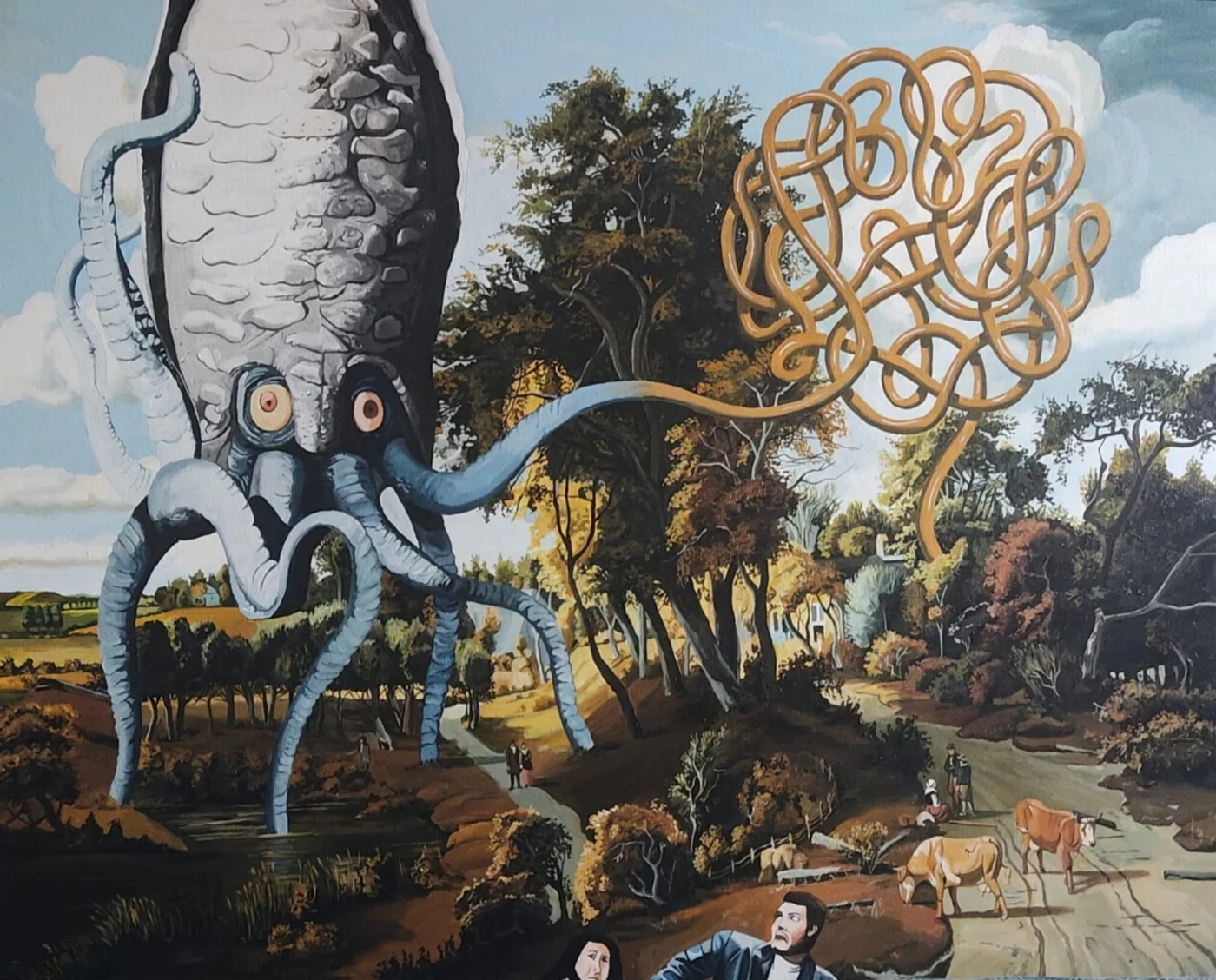
We are all going to die V | Oscar Seco
81 X 100 CM

Still Lifes

Starting from appropriations of European Baroque still lifes by authors such as Sánchez Cotán, Luis Meléndez, Frans Snyders, or Pieter Claesz, I integrate elements taken from these still lifes into Baroque landscapes or ruins where these fruits, vegetables, salmons... have impacted like missiles, creating impossible images that are surreal, iconoclastic, and carry a certain social denunciation.

11 works in the series

Dogs on fire

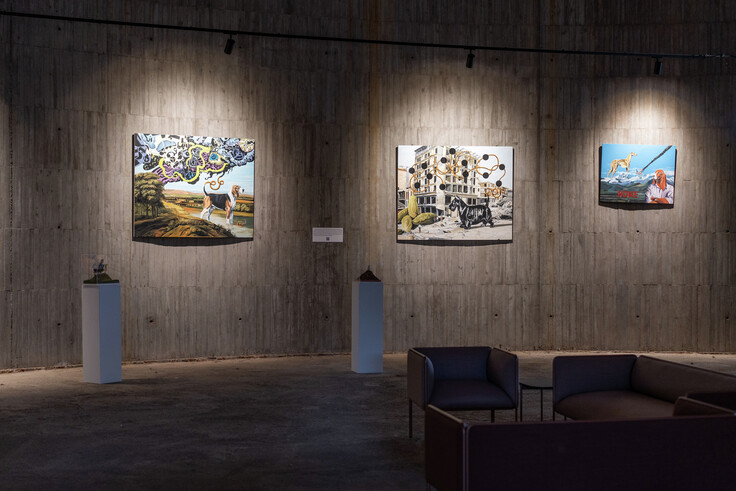
With this series about giant dogs, I ironize about human nature by appropriating different classical landscapes and bombed cities. These oversized animals act as Kaiju-style monsters introduced into classical settings in a surreal, iconoclastic, and fun way where comics, traditional painting, and social criticism go hand in hand.

12 works in the series

Little Nemo in secoland

Based on the famous comic character Little Nemo in Slumberland, created by cartoonist Winsor McCay at the beginning of the last century for the New York newspaper. The series also features Dutch and American landscapes from the 18th and 19th centuries, appropriating works by artists such as Alfred Biernstadt, Asher Durand, Jan Van Goyen, Van der Velde, or Jacob Van Ruisdael. A place where we can find apocalyptic environments, dinosaurs, large animals, old monsters, war machines, science fiction iconography, Superman, Batman, Spiderman, etc.

16 works in the series

Fallen from the sky

The series operates as an allegory of ecological and civilizational catastrophe. In it, gigantic birds fall on devastated urban landscapes, in a composition that is reminiscent of both sublime romanticism and contemporary disaster imagery. The panoramic framing, the dramatic lighting, and the monumentality of the figures refer to historical painting, while the choice of animal symbols introduces an ecological and systemic reading. Conceptually, 'collapse' is not only literal but also symbolic: the weight of the repressed falls on the structures that concealed it.

7 works in the series

Spanish Civil War

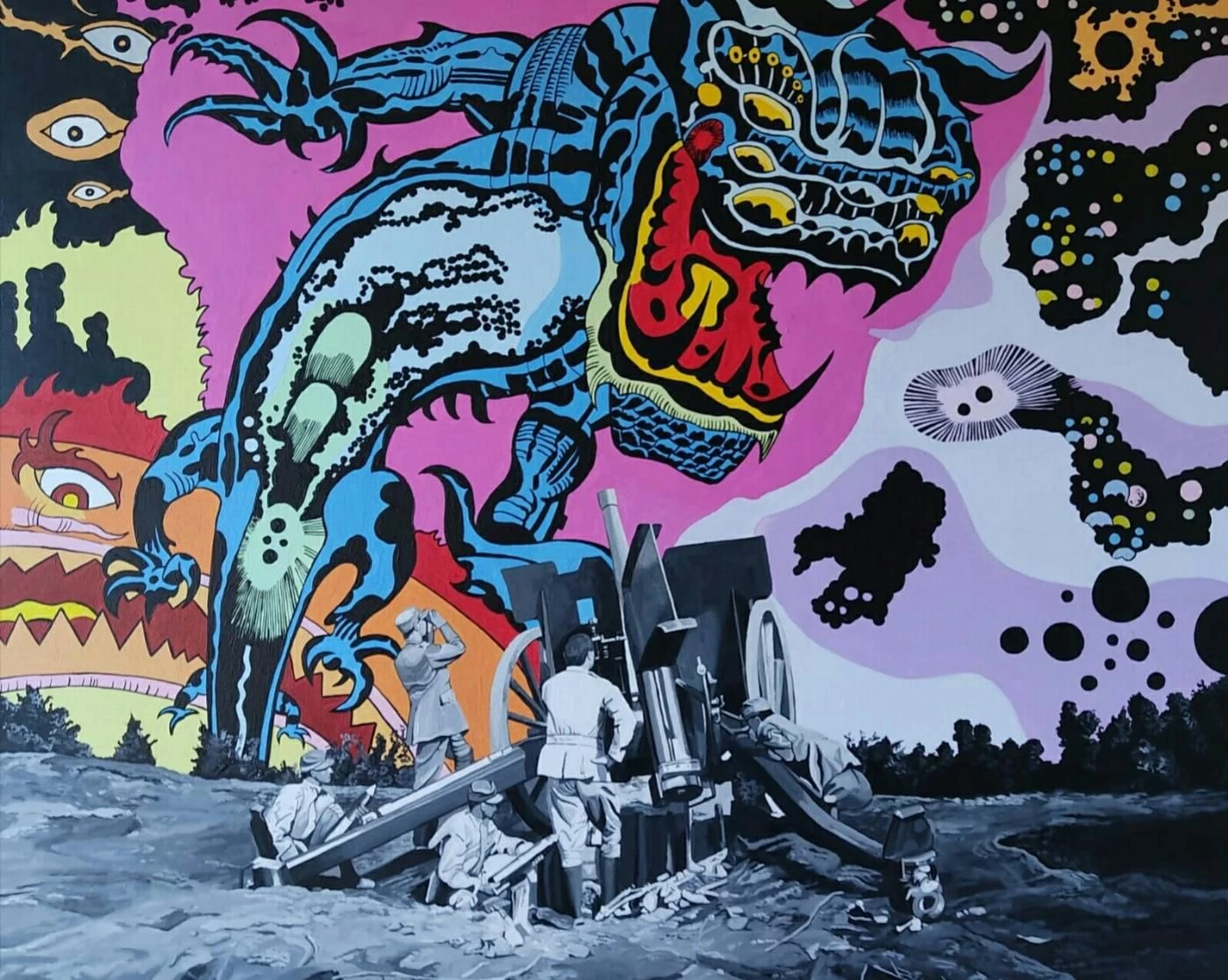
Seco constructs an exercise in historical counter-iconography, reformulating the imaginaries of the Spanish Civil War from a fusion of war propaganda, comic books, and pulp culture monsters. The tension between the documentary and the fantastic deactivates any attempt at an epic or heroic reading. On a technical level, the meticulous integration of disparate visual materials into a cohesive narrative stands out, functioning as a critical metaphor for the mechanisms of collective memory and ideological manipulation.

7 works in the series