Xavi Ceerre
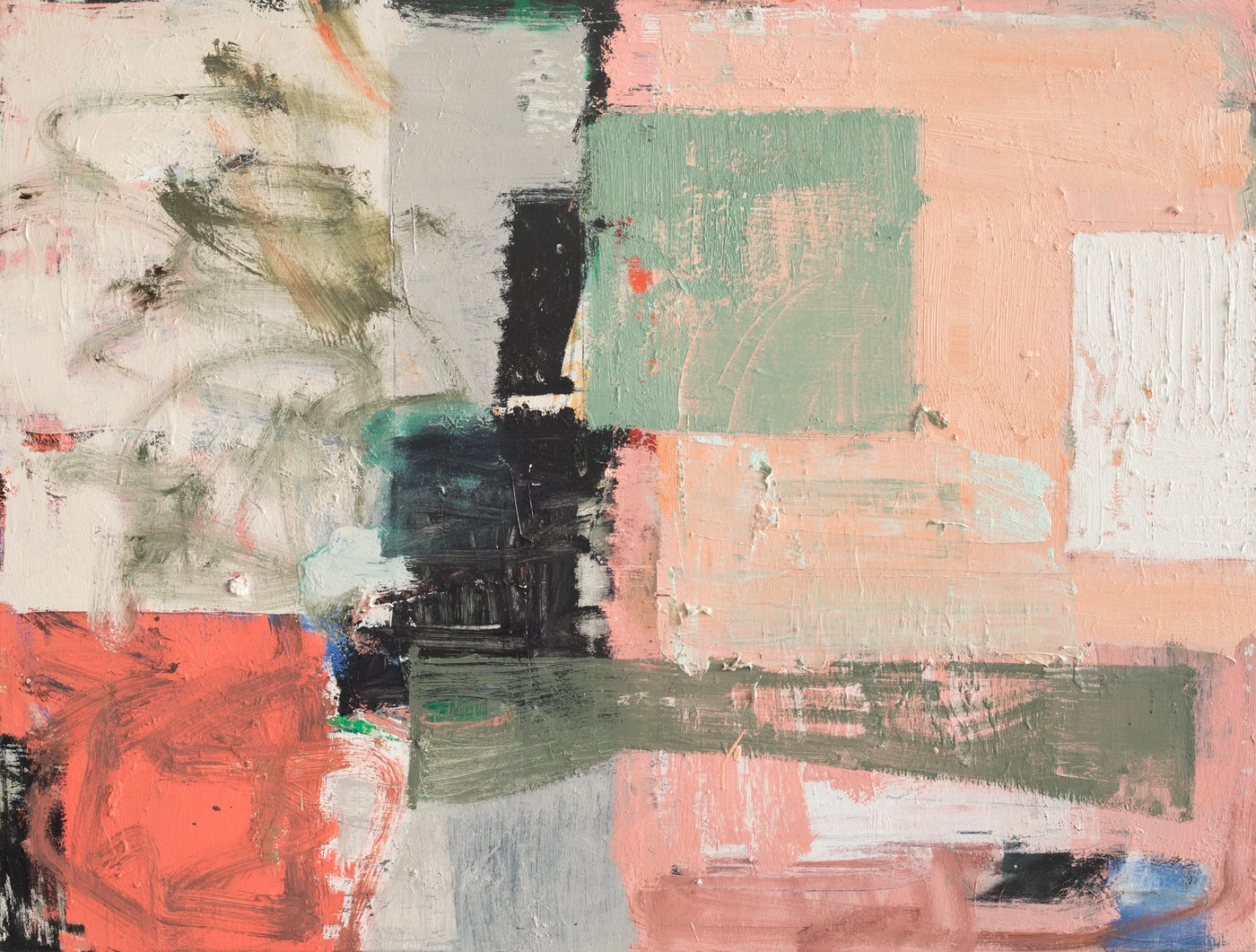
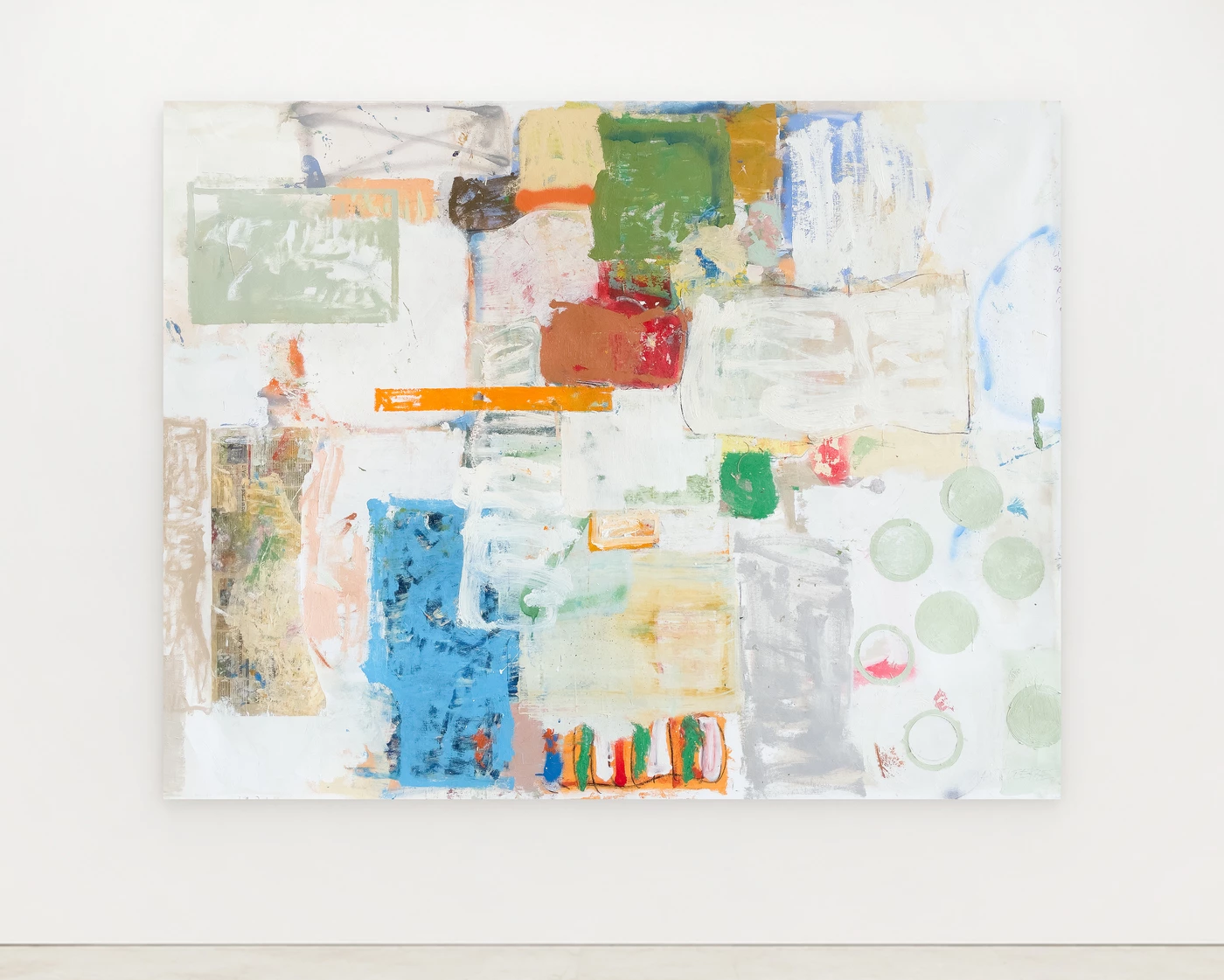
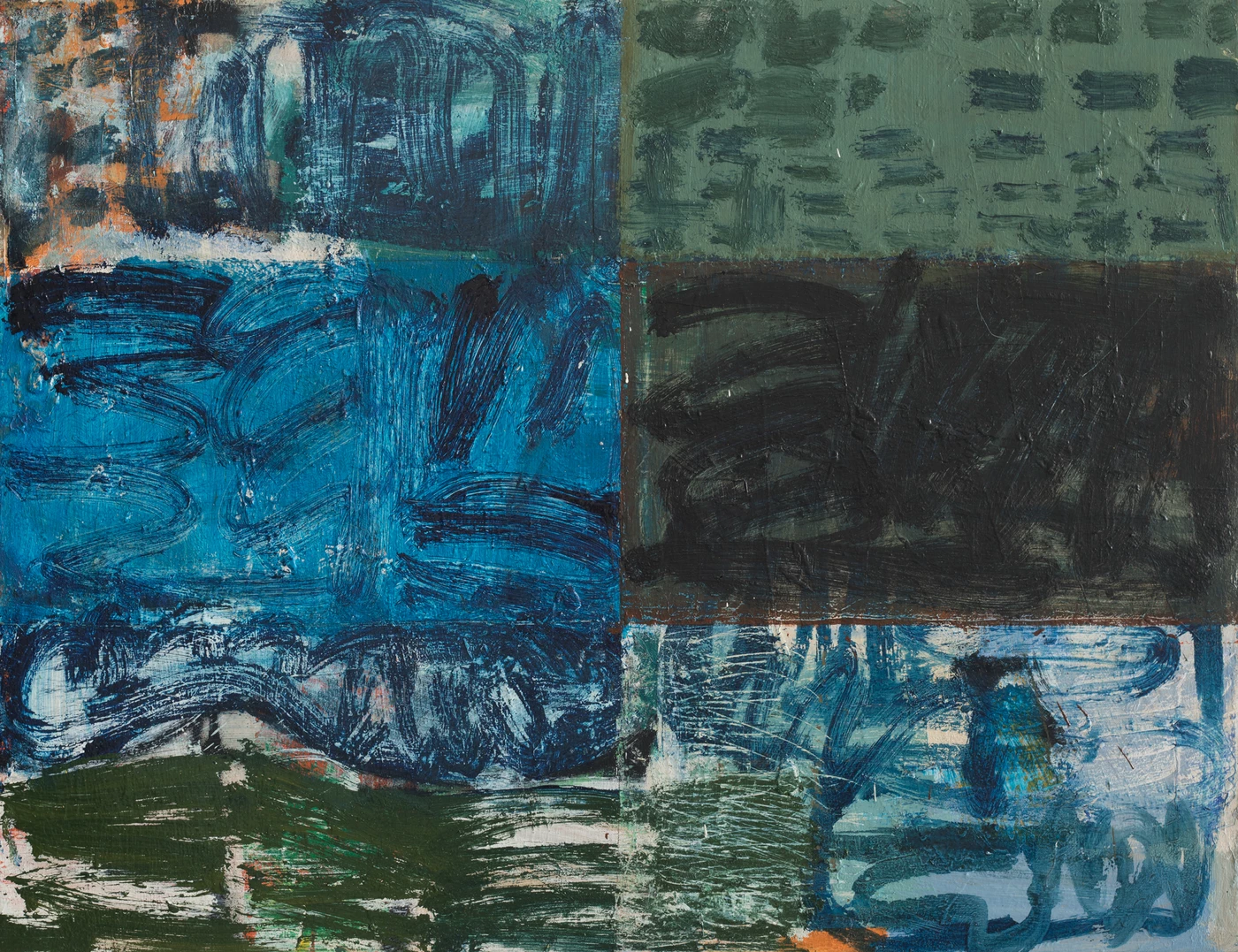
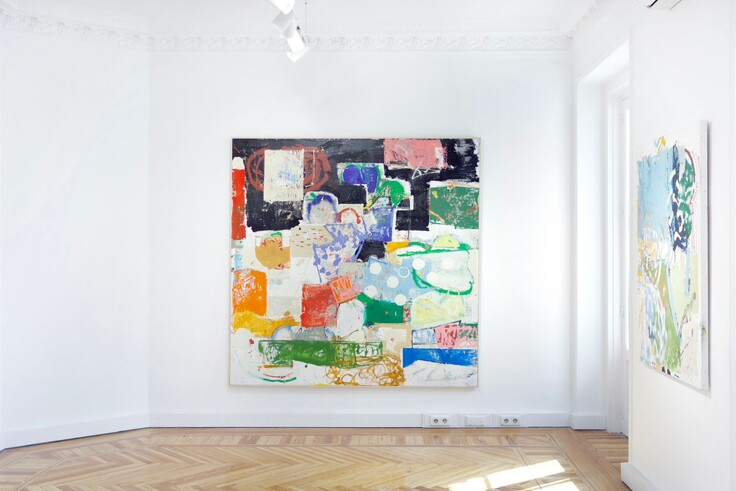
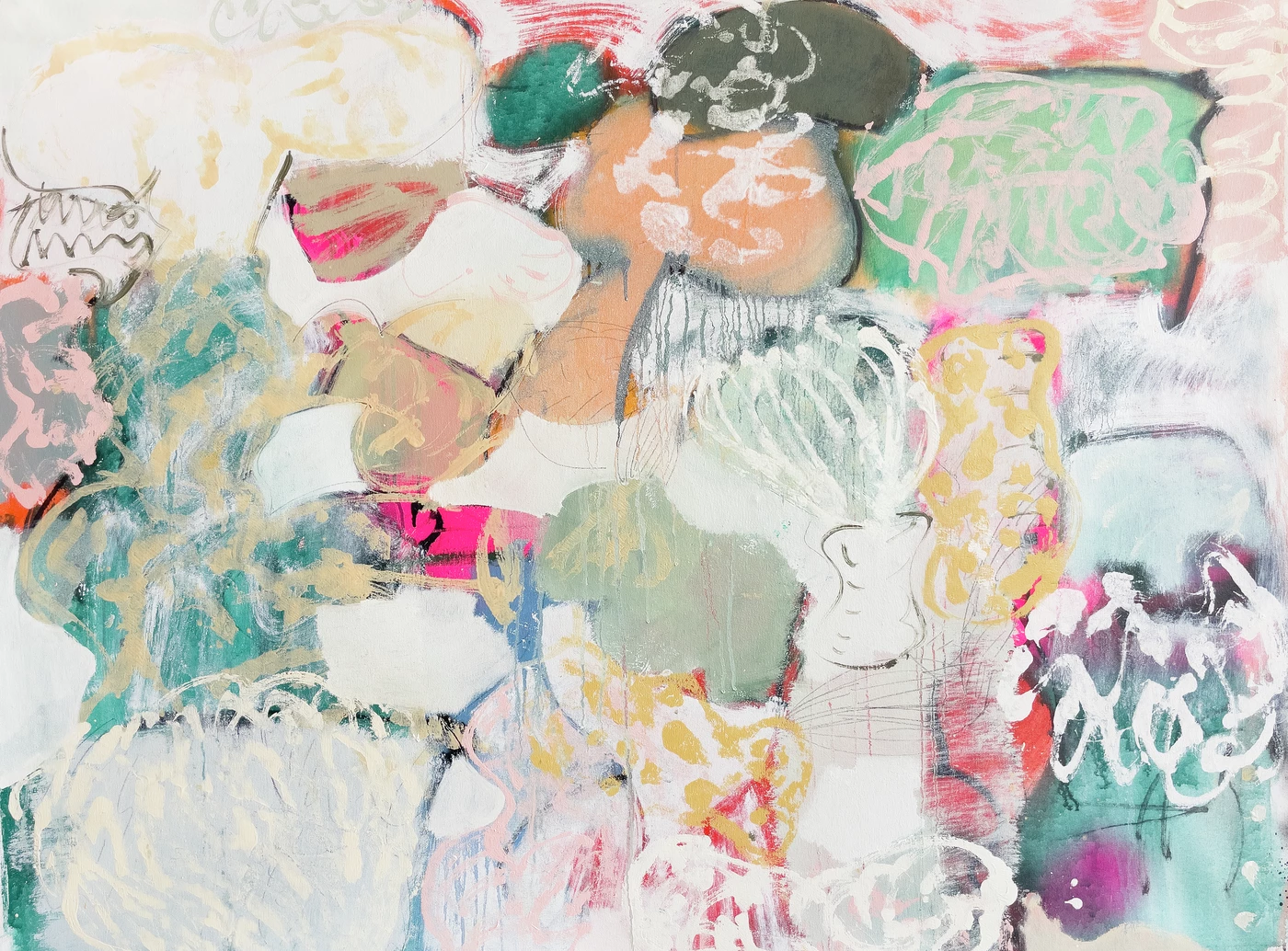
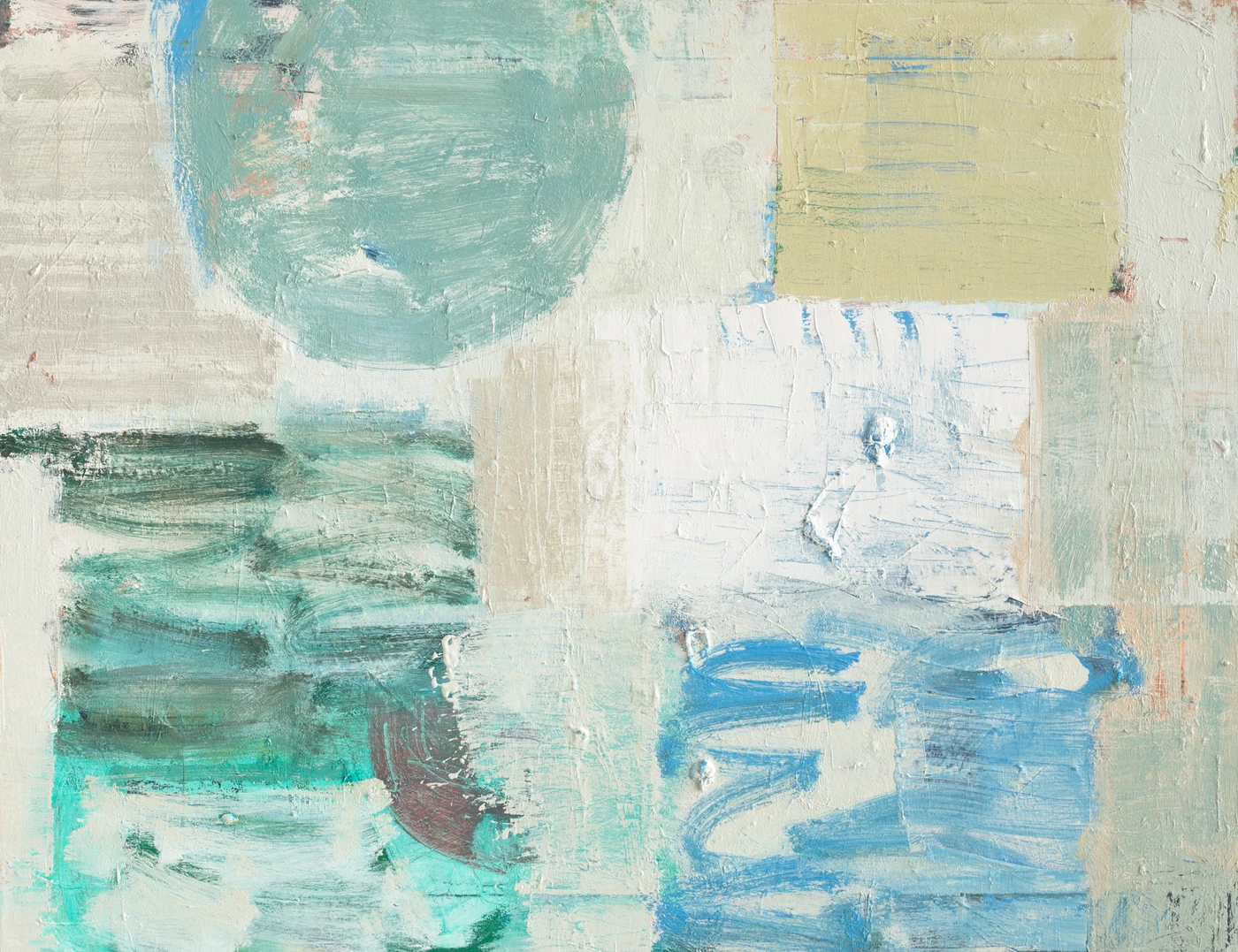
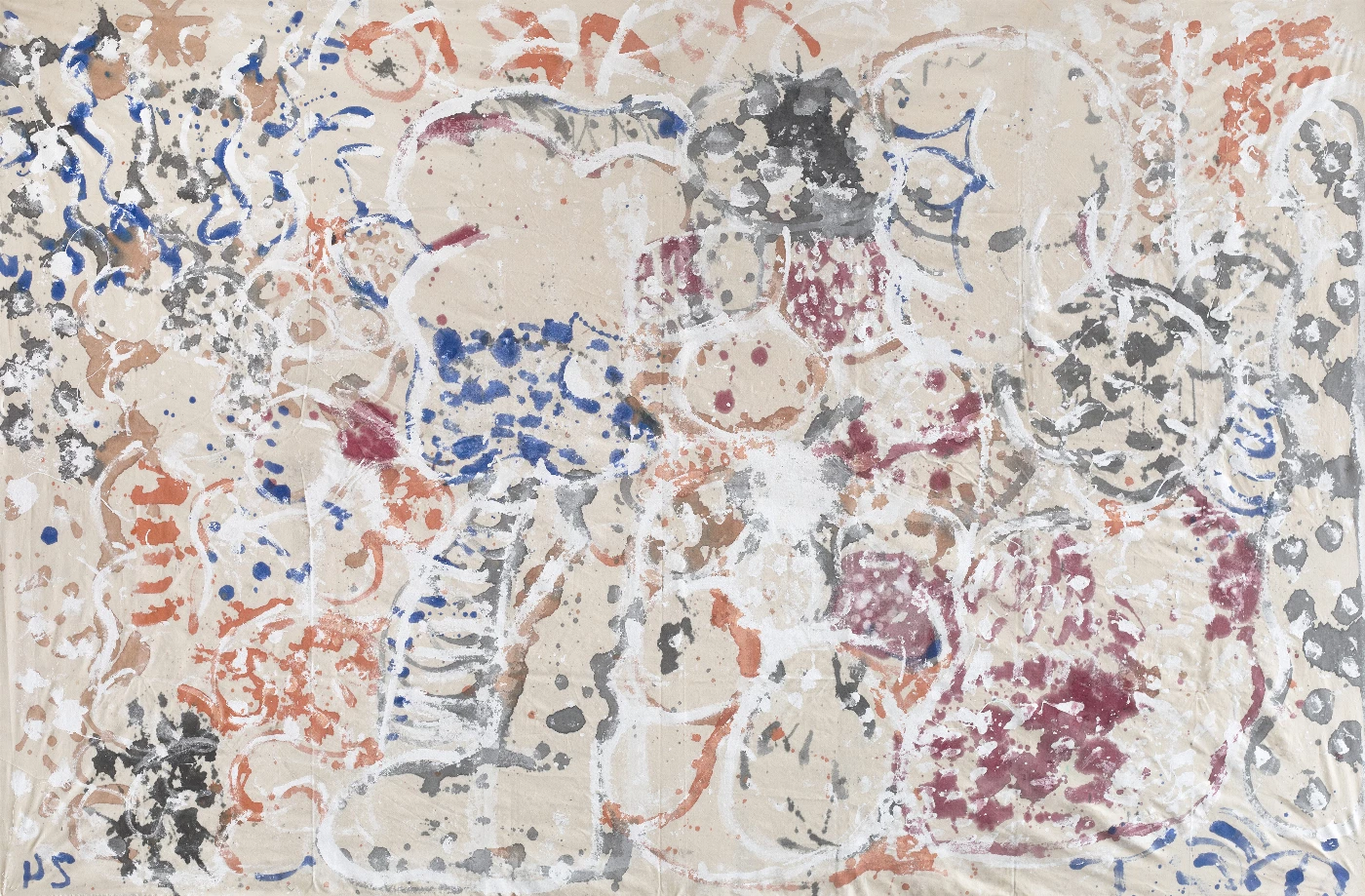
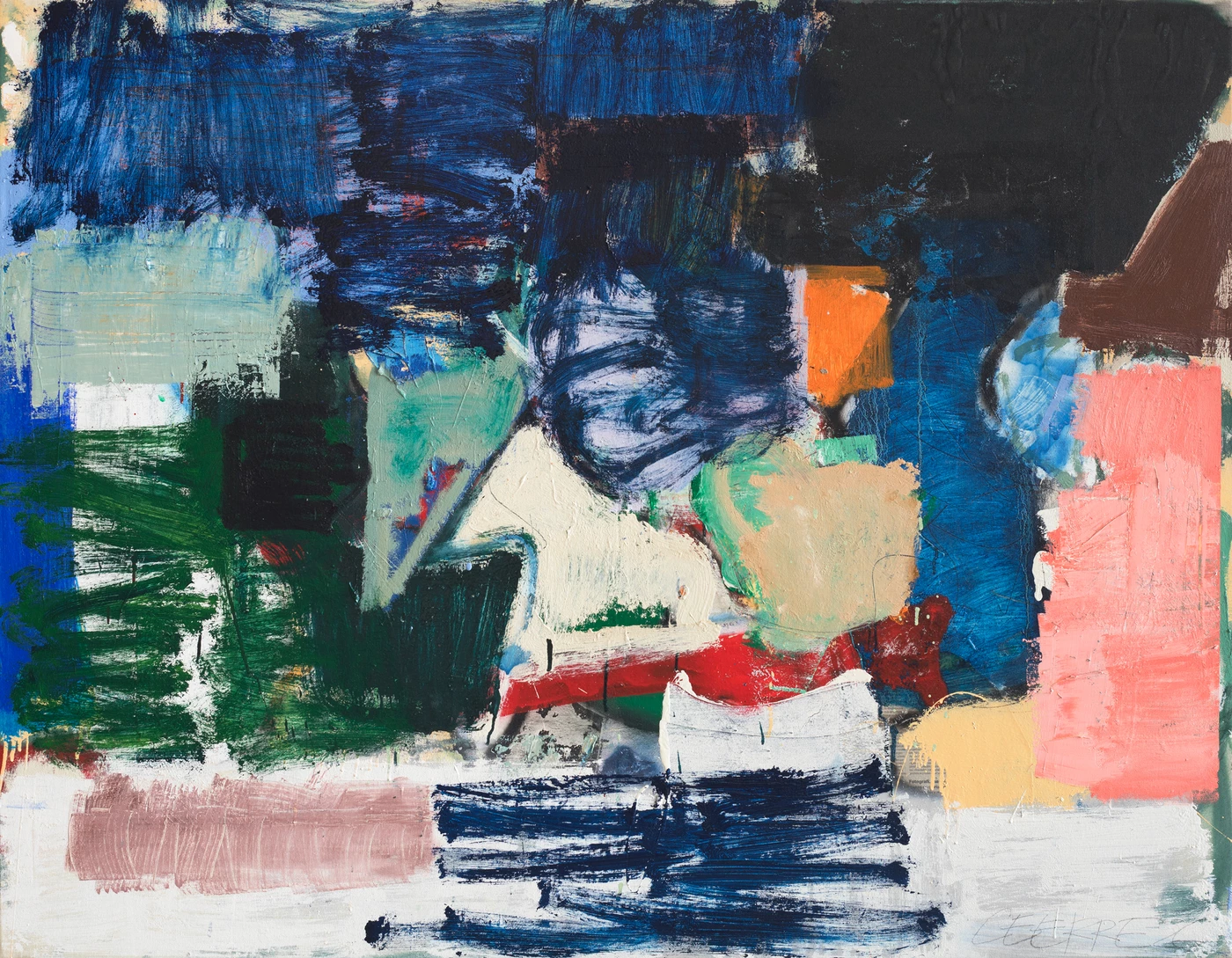
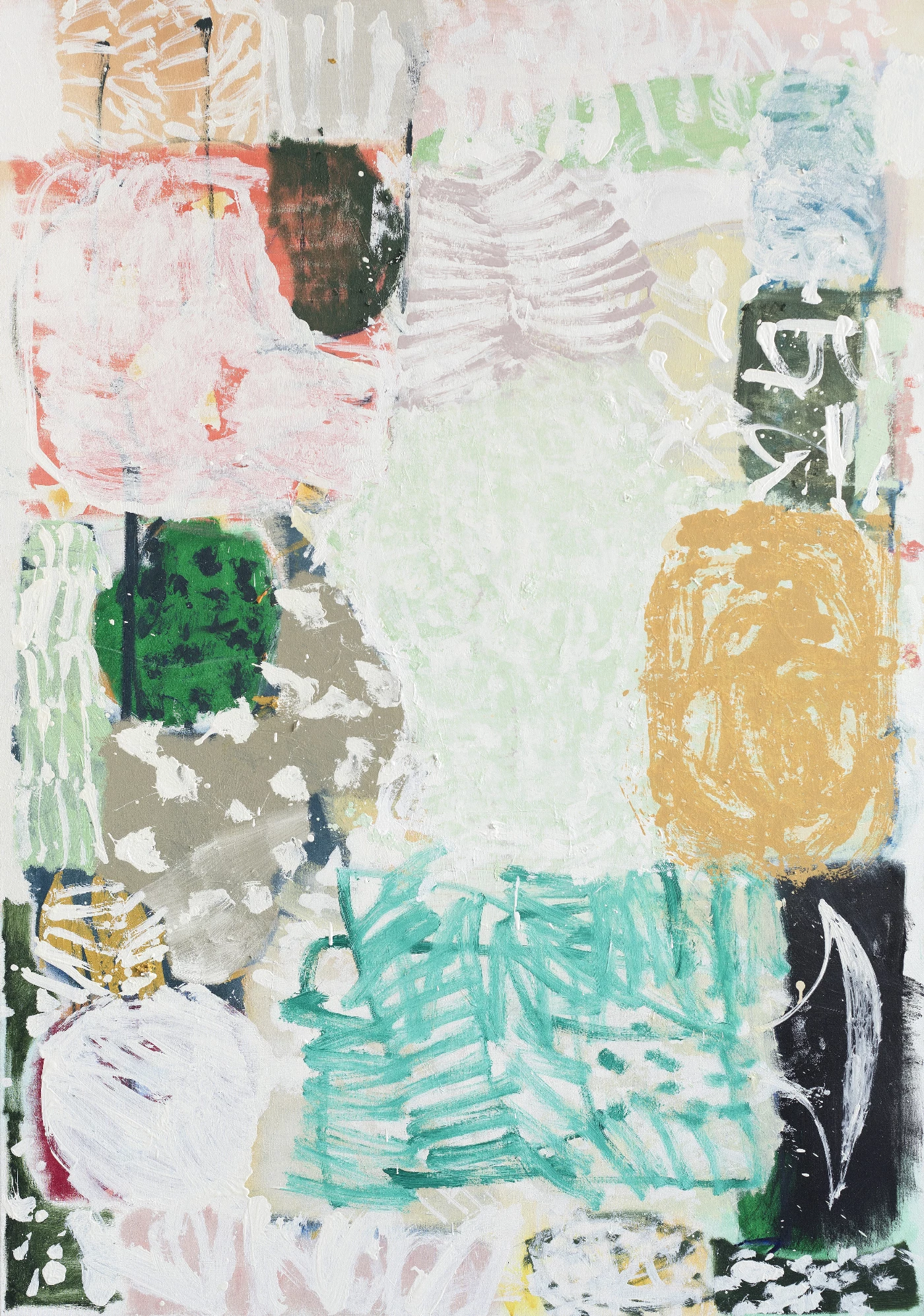
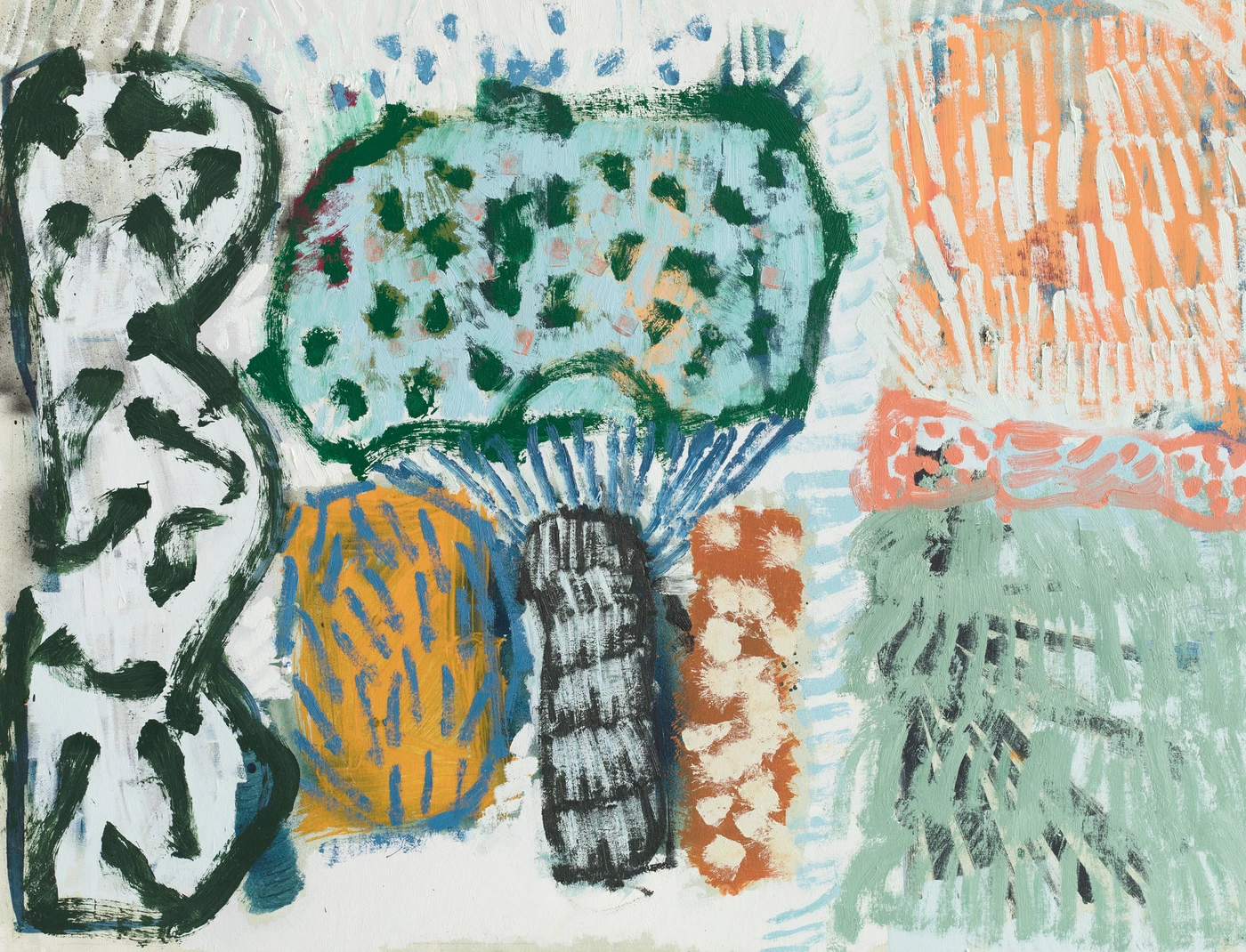
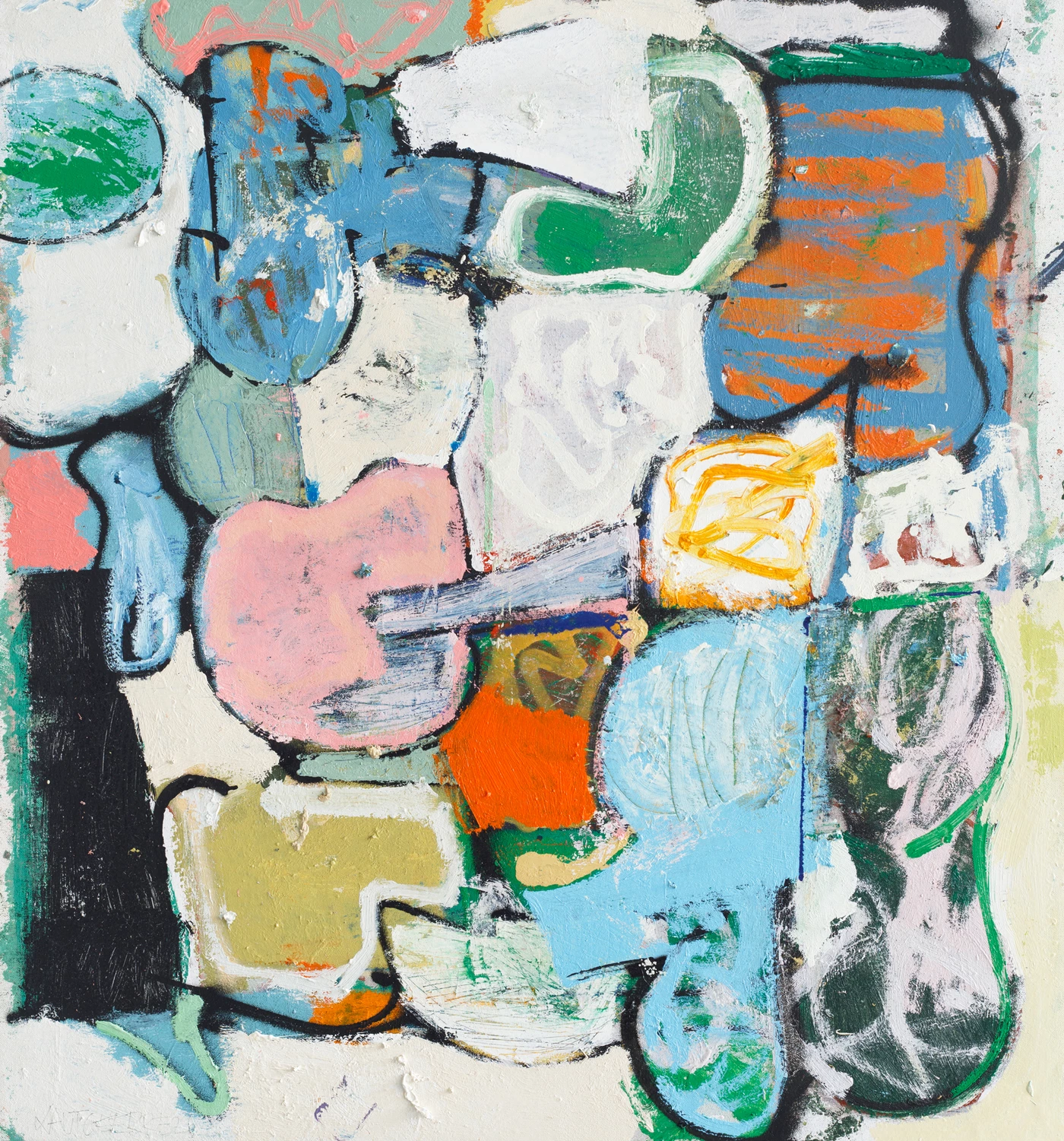
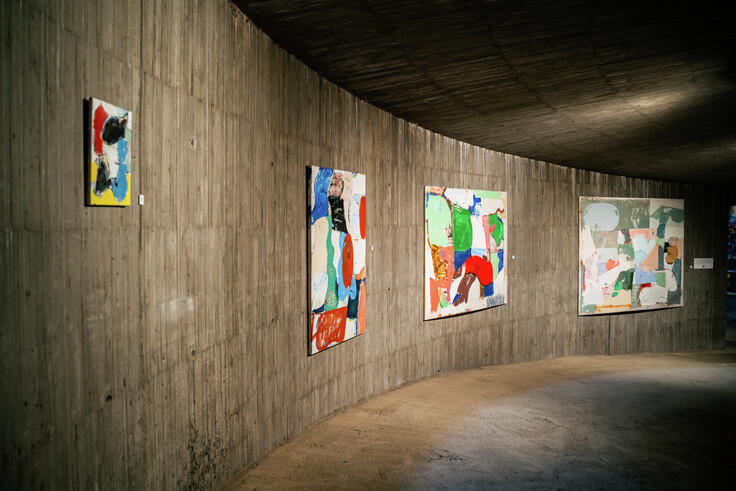
Xavi Ceerre is an artist who stands out for his observation and through a free yet deeply premeditated use of painting, he shows us expressions that sharpen our plastic sensitivity, opening horizons to new ways of understanding the discipline. Through apparently fortuitous but deeply methodological gestures, he creates balanced and unsettling compositions that awaken a certain sensitivity towards formal nuances such as texture, color, and brushstroke, which coexist in enriched and attractive forms. All this with a graphic language close to children's expressions, urban art, or primitive art, a kind of tribute to the most innate human aesthetic.
Financial information
Riomar
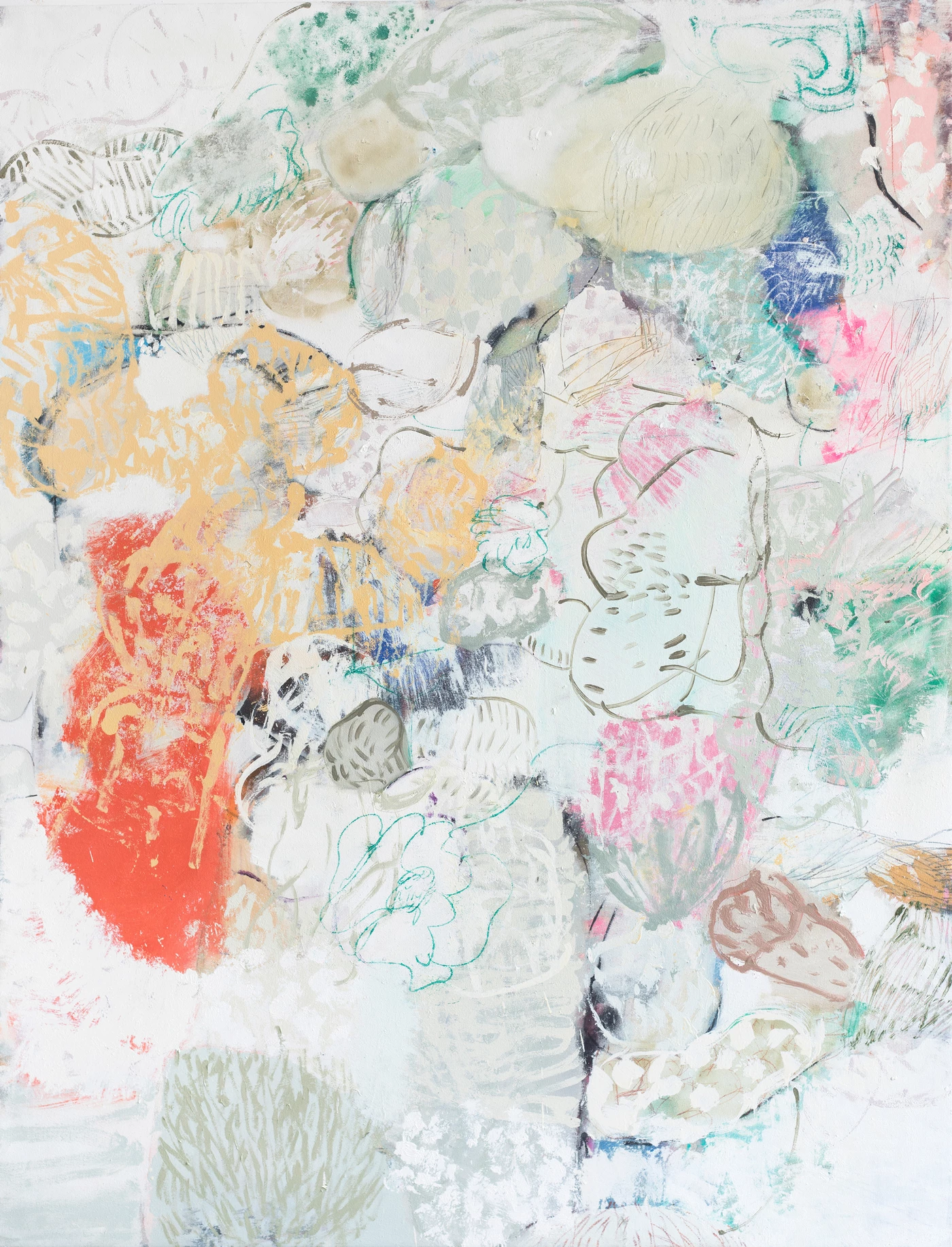
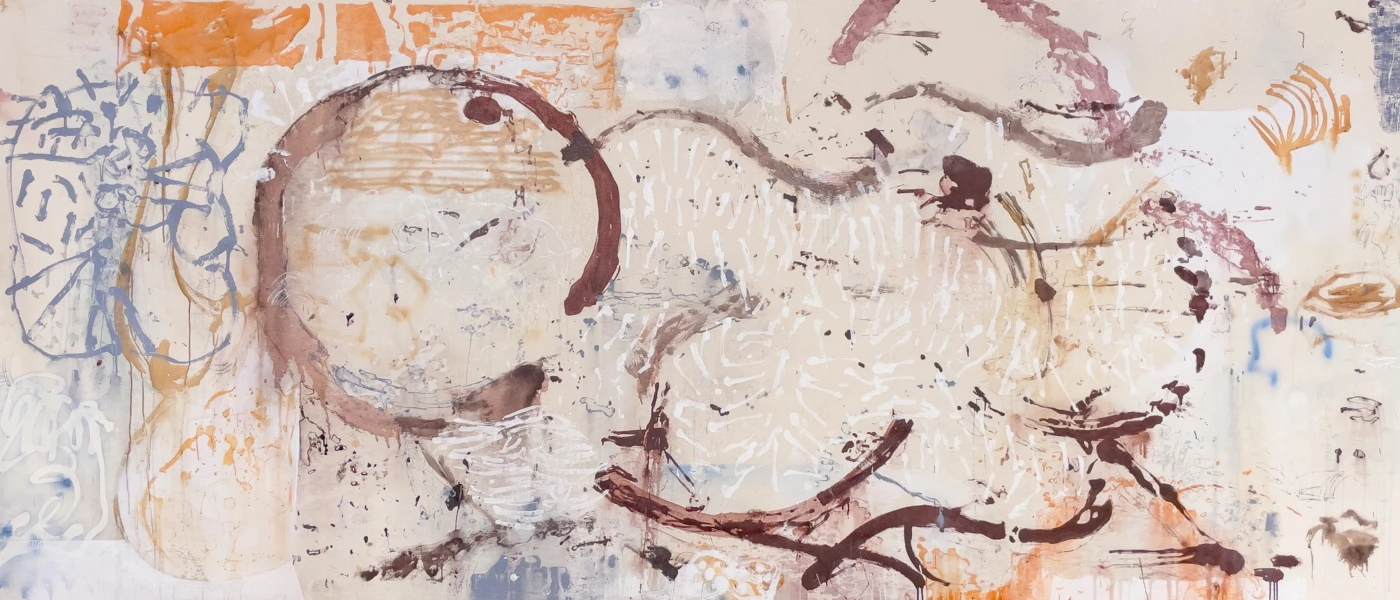
Riomar represents a turning point in Xavi Ceerre's pictorial production, where the exploration of rhythm and repetition becomes the central axis. Through dynamic structures of lines and patterns, the works articulate a visual syntax in which gesturality and seriality operate as constructive principles, generating fragmented surfaces that function as expanded fields of signs. The series integrates visual noise as a plastic and perceptual resource: superimpositions, textures, and strokes configure a system in constant motion that shuns immediate reading. This rhythmic flow, linked to the temporality of the image, also finds its origin in a personal revision of the prehistoric art of the northern arc of Alicante, initiated after the birth of his son Mario, and gives rise to a new formal vocabulary that connects repetition, memory, and origin.
The Language of Walls
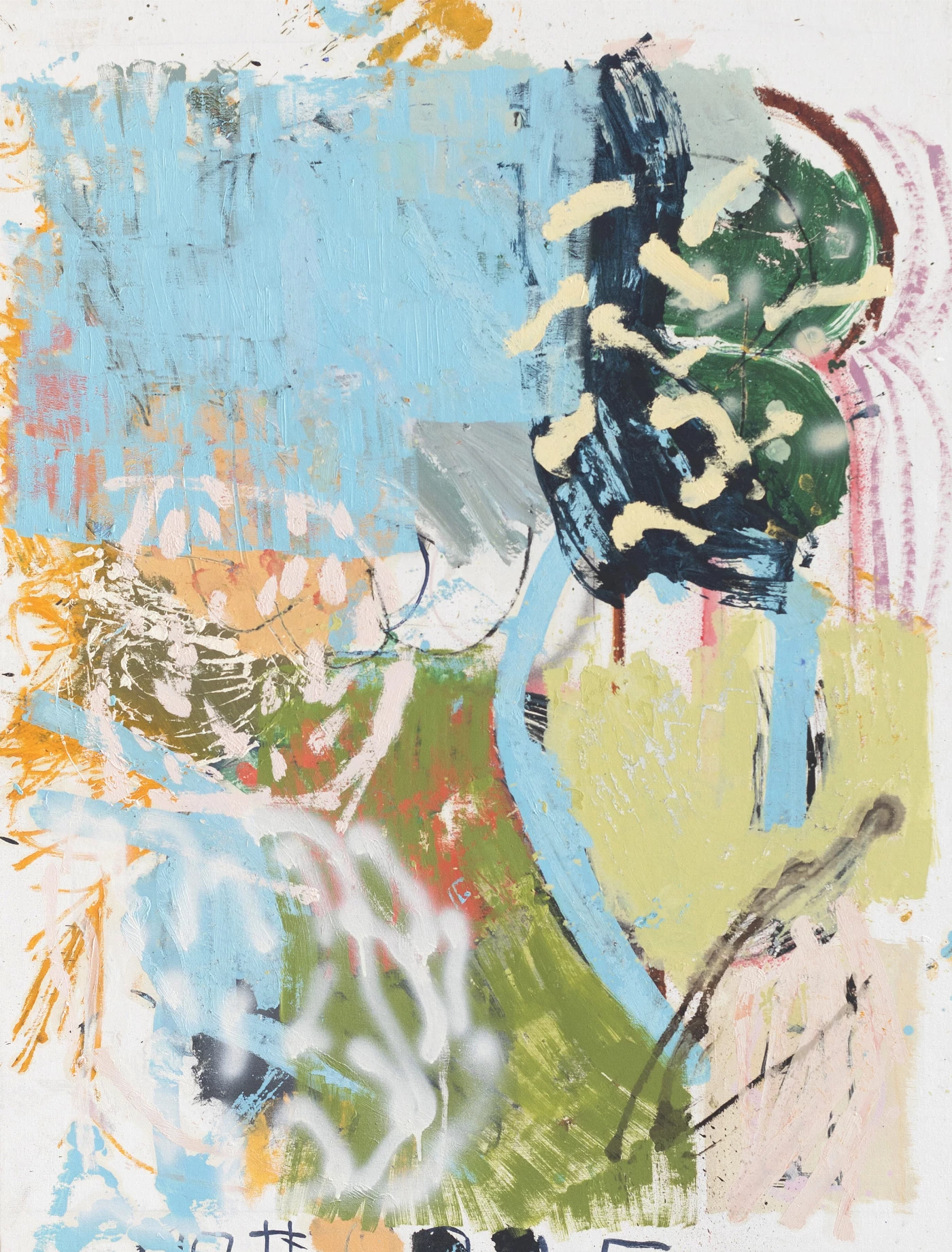
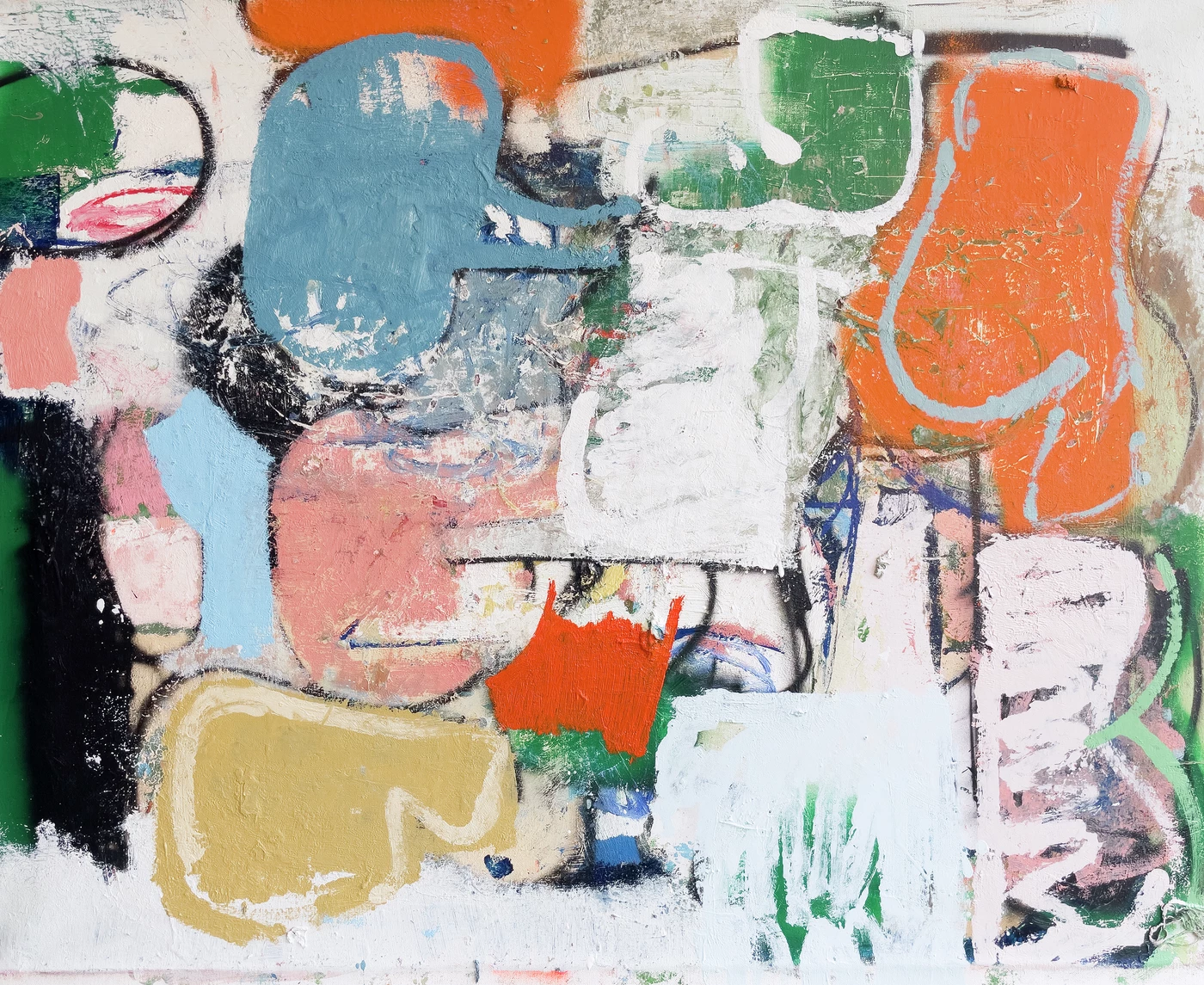
The "The Language of Walls" series of paintings is inspired by the spontaneity and involuntary collaboration that manifest on the city's surfaces. Fascinated by the tension between order and chaos, I observe how old, eroded walls, old advertisements, signs, and graffiti tell hidden and marginalized stories. During my urban walks, I absorb the textures, shapes, and colors I encounter, creating a personal connection with these visual narratives. In my works, I reinterpret and recontextualize these marks, reflecting the duality between human intervention and the passage of time, thus capturing the authenticity and richness of the urban environment. Through a process I call "revealing," I destroy the superficial layers of paint to rescue the first layers of the canvas, creating a graphic superposition of the different stages of the process.
Cornelius
The "Cornelius" series is named after the homonymous contemporary comic character created by artist Marc Torices. This anti-hero, a paradigm of the modern graphic novel, represents many of the values and conflicts of today's society through humor, addressing themes such as anxiety, guilt, cowardice, and cruelty. It could be considered a revised Spanish version of the popular character Pepe the Frog. The sinuous morphology of Cornelius serves as a starting point for Xavi Ceerre's paintings, paying tribute to his admired artist and friend, Torices.
Circuits
It mainly consists of paintings executed "alla prima", meaning in a single session or, at least, for a large part of the painting. In a folder of drawings I made when I was 2-4 years old, I discovered a series of school worksheets where I had to fill in drawings without going out of line or perform very restrictive exercises from an artistic perspective. However, on the back of these worksheets, I found drawings with free themes that tended towards abstraction and seemed to show circuits and maps. For me, these drawings were a true discovery, as they evidenced the innate creative genius we all possess as children, in contrast to the guided exercises on the other side of the paper. I interpret these circuits as an appropriation of pictorial space, a manifesto of "here I am", and an argument for spatial exploration. I take these drawings as a starting point for the paintings that make up this series, celebrating the spontaneity and creativity of childhood.
Streetplay
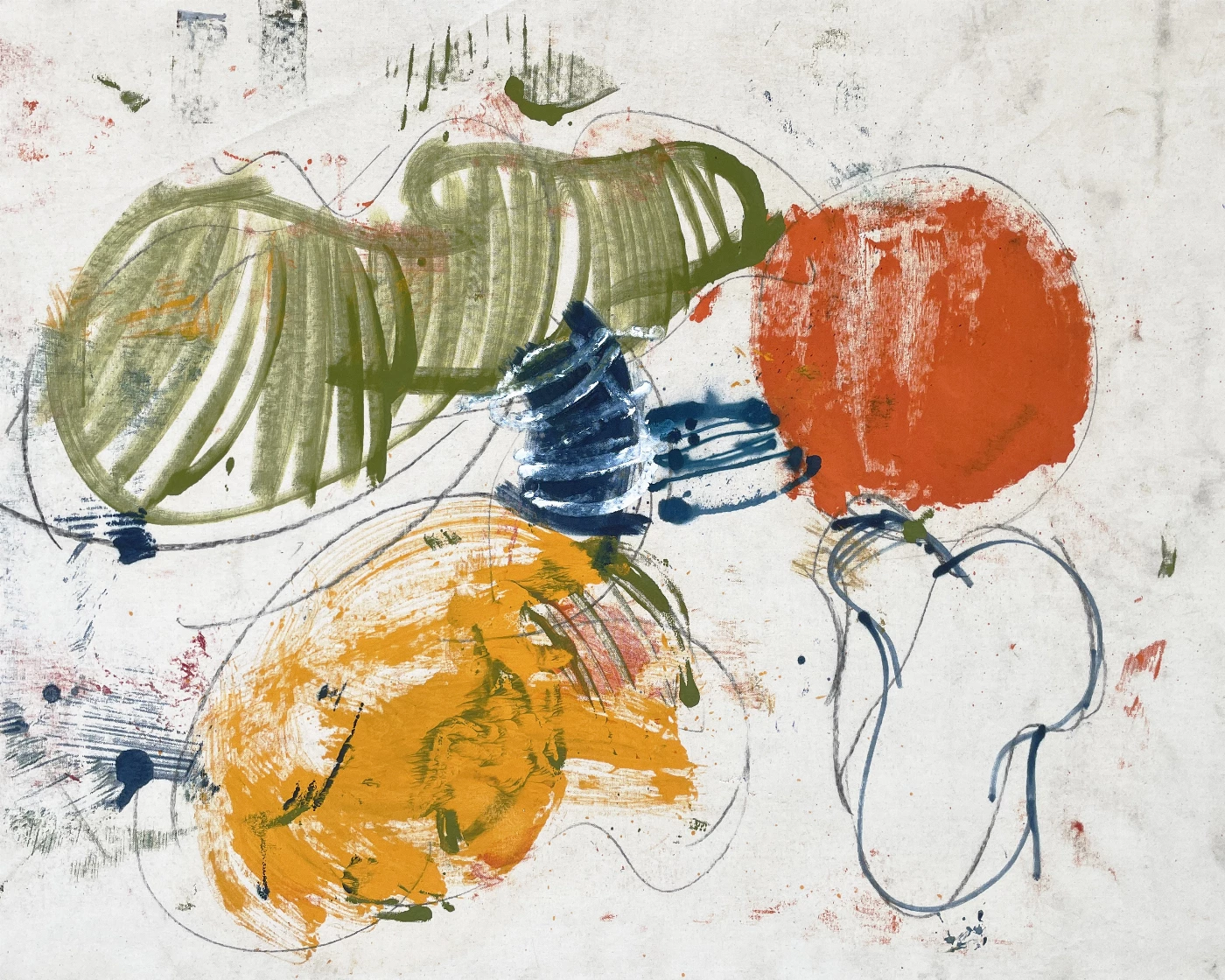
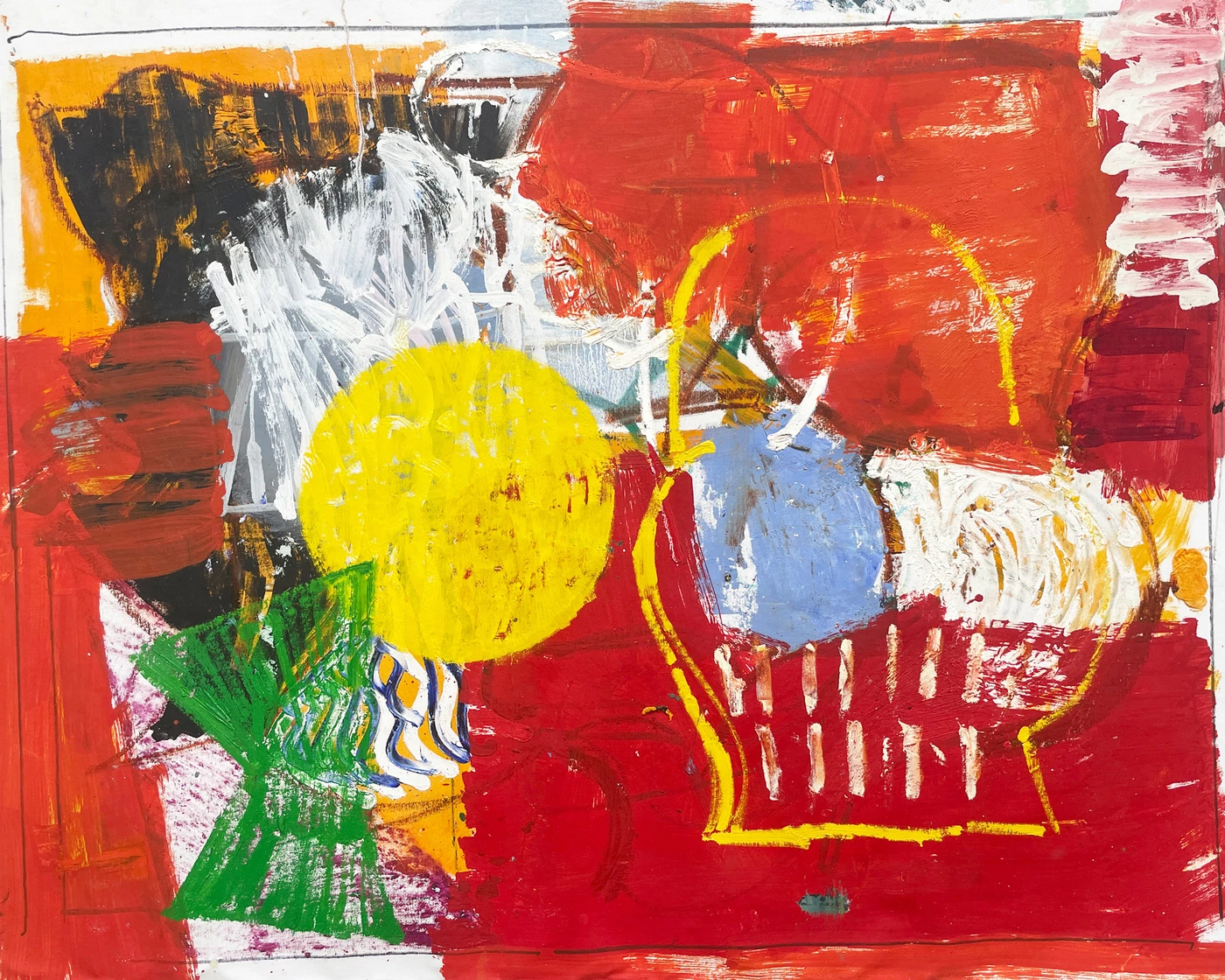
The interest in urban graphics and messages is sublimated in the "Street Play" series. Produced almost entirely on paper, this series takes its name from the photobook by photographer Martha Cooper, which collects snapshots of children playing in the streets of a devastated New York in the 70s. In this book, in addition to childhood inventiveness, the first manifestations of graffiti are observed, drawn on walls and floors by the children themselves with chalk. This mixture of realities, laden with creativity and hope, serves as a starting point for the series. In "Street Play," the white background highlights the medium used, while the graphics and stains present narrate the creative process and the studio's detritus.
Colla
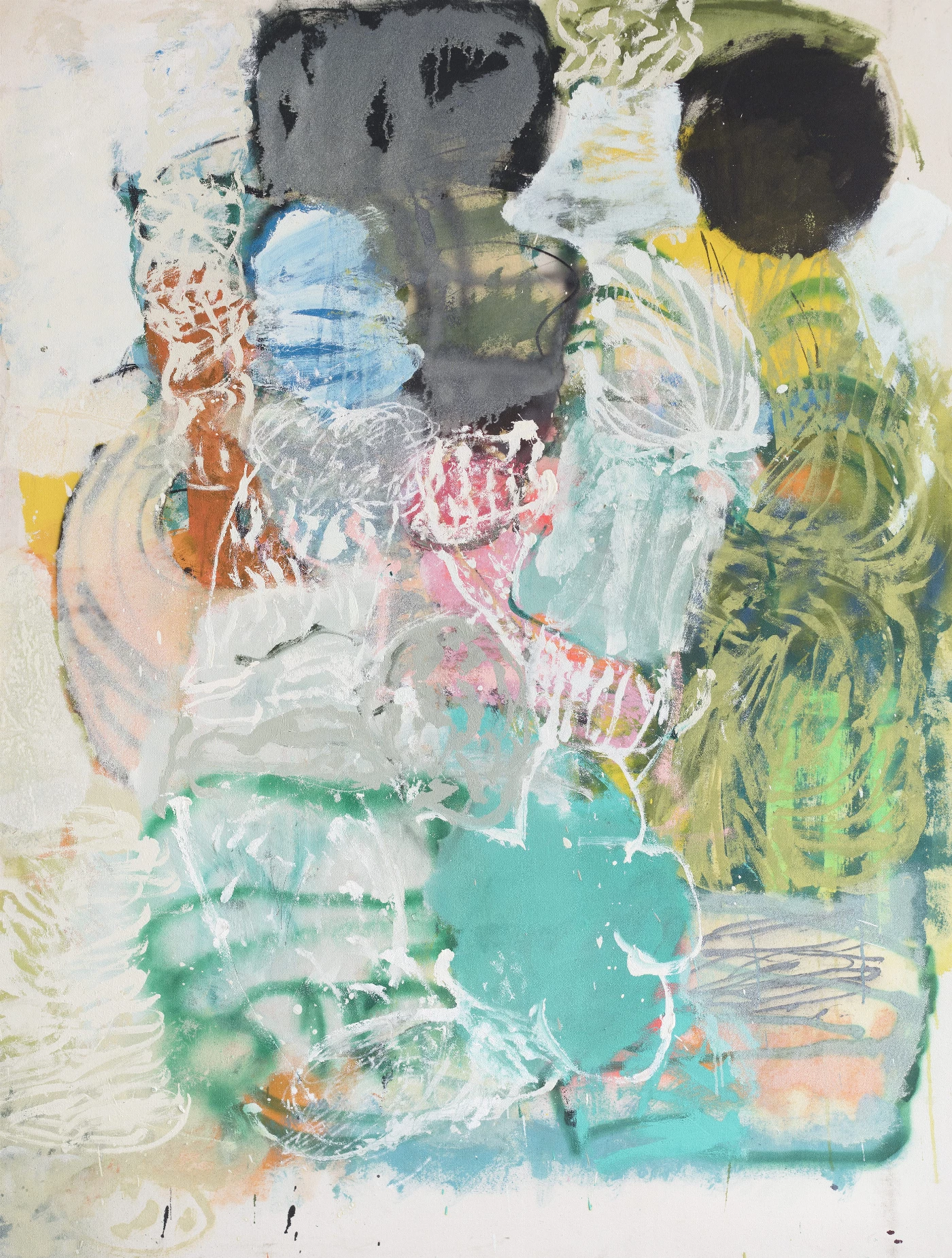
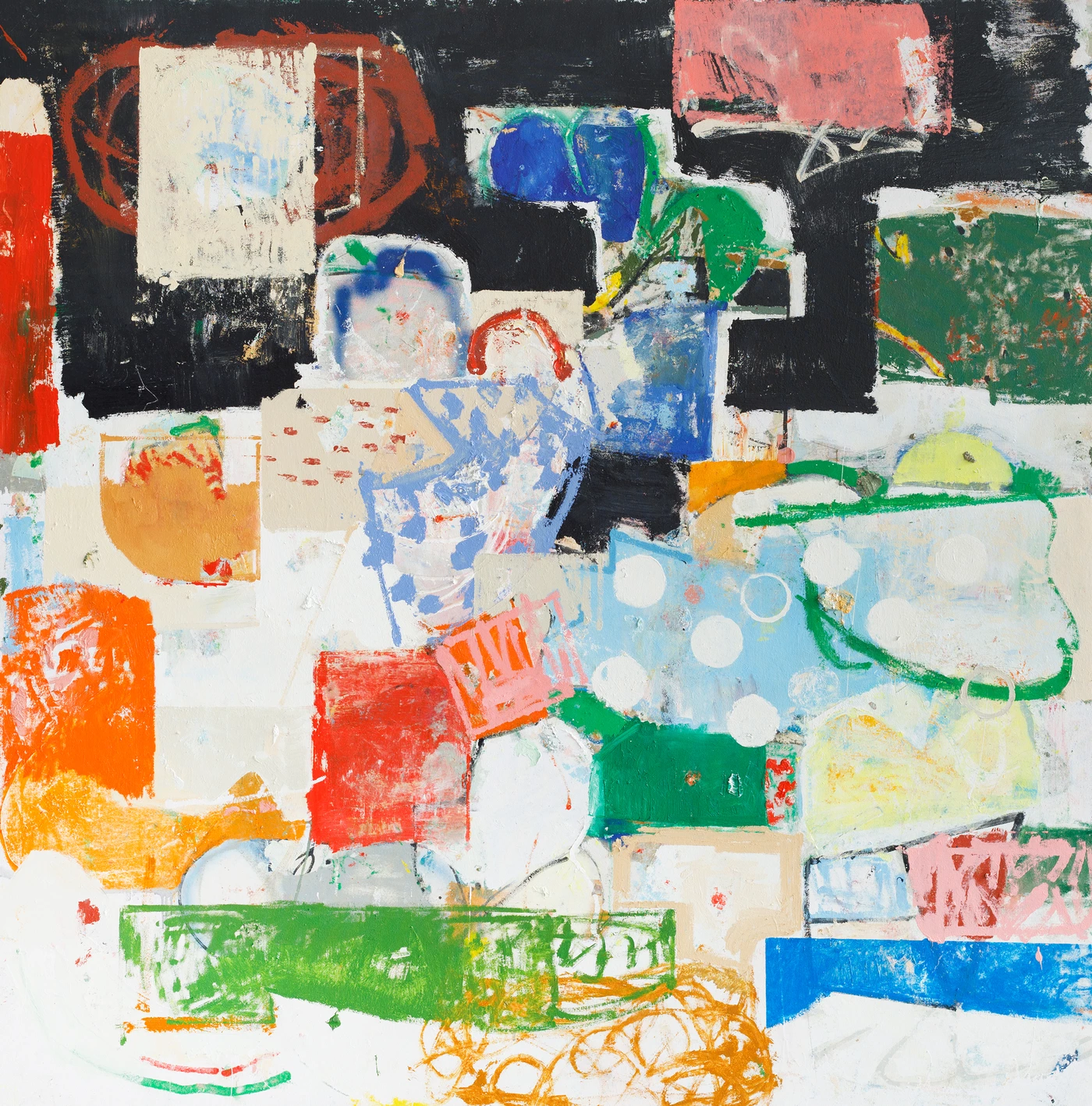
"Colla" is a series I started in 2017, parallel to "Street Play," but with a deeper focus on the pictorial support and mixed media. Although it evolves under the influence of children's drawings, comics, and spontaneous art, there is great intentionality in the search for latent images that emerge through a repeated process of drawing and erasing until distortion. From a certain point on, the layers of paint begin to redistribute themselves, ordering the initial chaos. While at first the gestures are more automatic and spasmodic, as the painting approaches its conclusion, everything becomes more premeditated and studied. The result is images that oscillate between figuration and abstraction, leaving room for the viewer's free interpretation. Within this series are two sub-series: "Cornelius" and "Circuits."
Memories of a Disaster
This series is born from the impact of the disaster caused by the DANA in Valencia (2024), understood as an experience of chaos, accumulation, and transformation of the landscape. Xavi Ceerre translates this event into a pictorial language that shuns direct representation and focuses on the formal translation of disorder, superimposition, and the material trace left by the catastrophe. True to his usual methodology, the artist constructs compositions of apparent spontaneity that respond to a considered process of extracting chromatic, gestural, and textural patterns. On this occasion, matter acquires a central role: the works are made with artisanal pastels made from clay recovered from the DANA in Valencia on paper, physically incorporating the affected territory into the creative process.