Global score
The artist’s overall score out of 10, weighted across quality, market, potential and validation.
Exploring human transformation and architecture as memory's witness through a rigorous, color-rich visual language.
Saisho Intelligence
The artist’s overall score out of 10, weighted across quality, market, potential and validation.
Classification of the artist based on the balance between quality and market.
Reliability level of the scoring based on the available data.
Relationship between Saisho and the artist.
Key readings on the artist’s current position and remaining trajectory.
Specific milestones or risks to monitor over the next 12–24 months.
These factors are analysed in detail in the full report.
Ver informe completo
Access detailed scoring, economics and the historical evolution of the artist’s market.
View report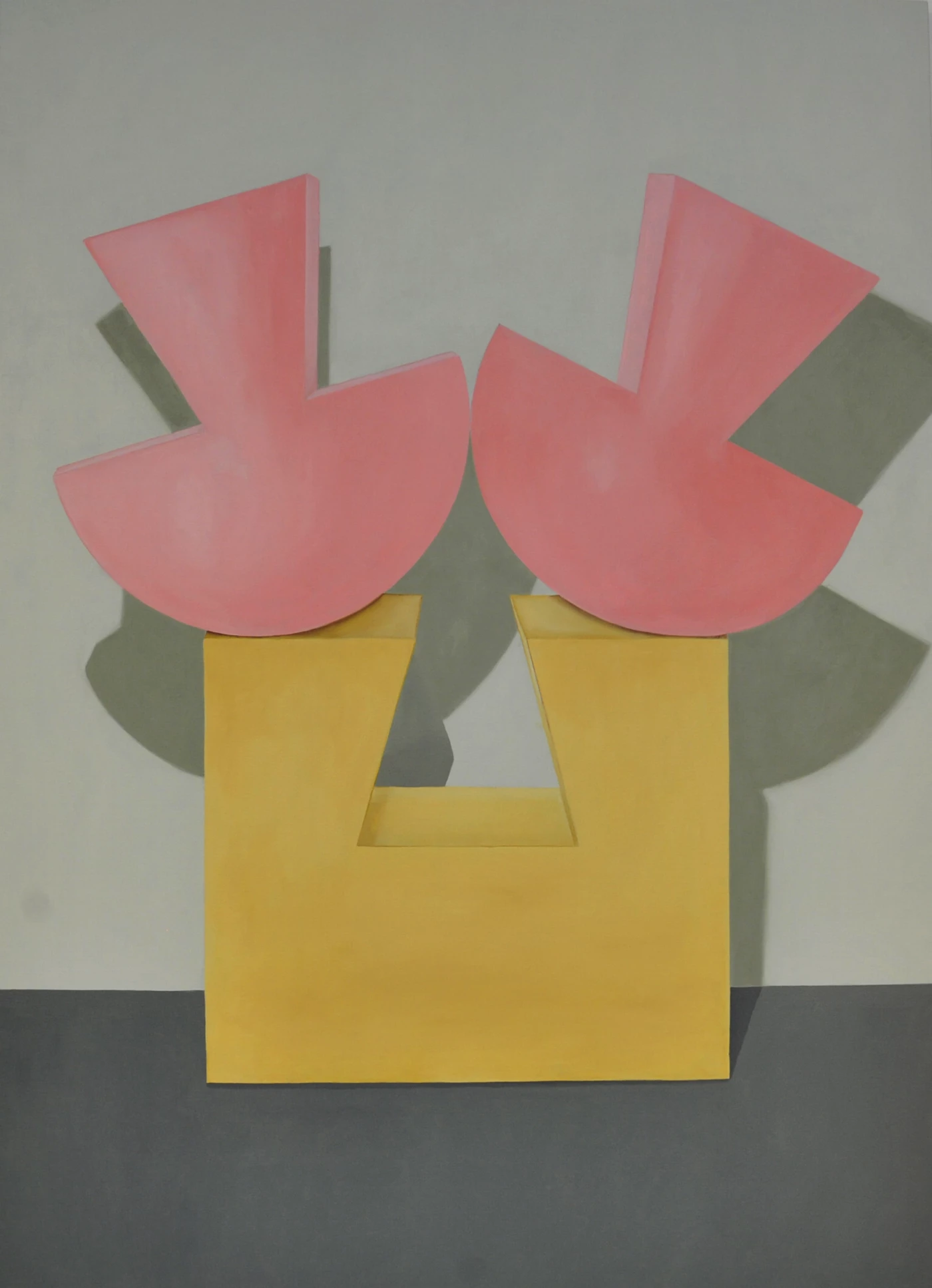
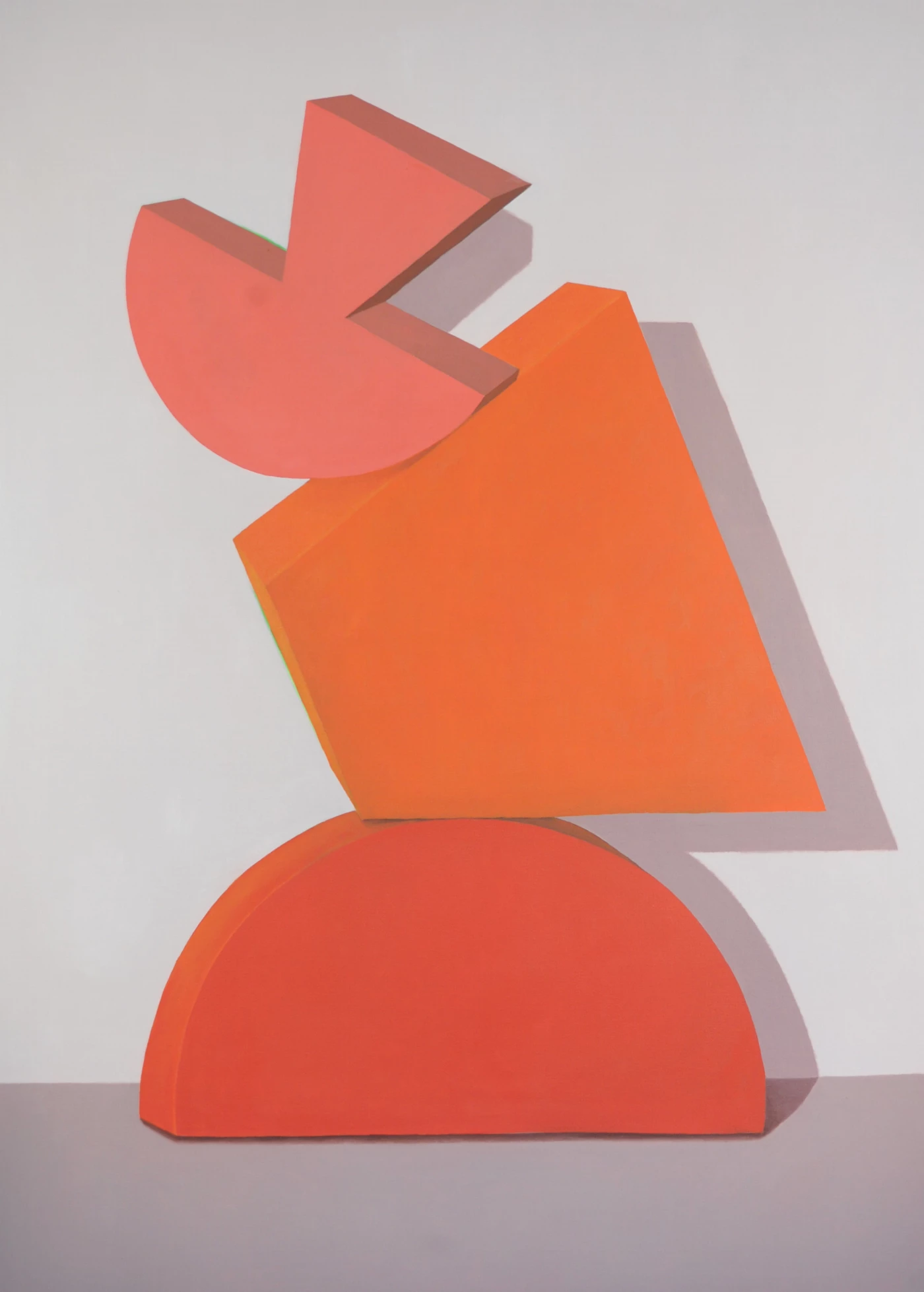
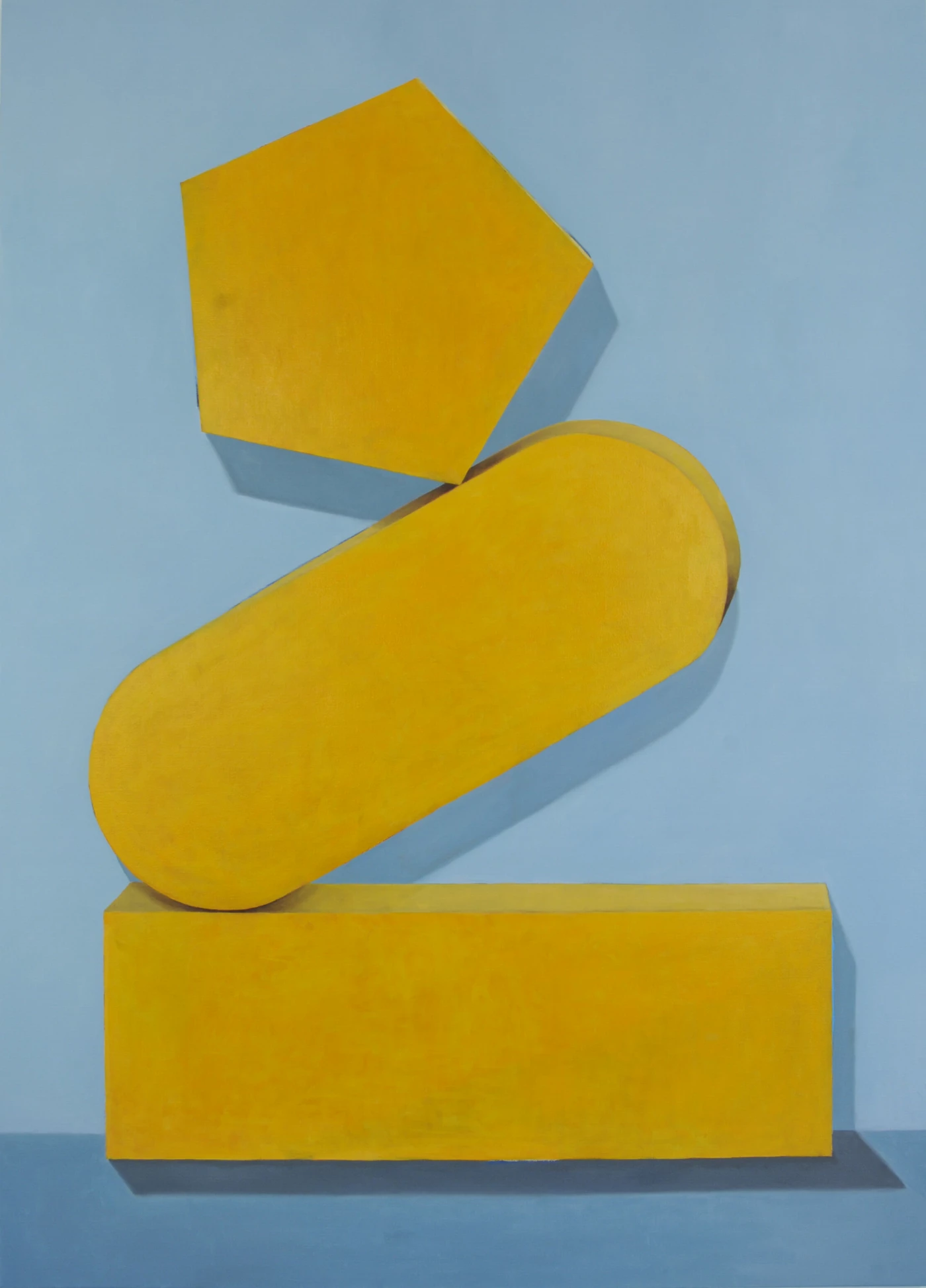
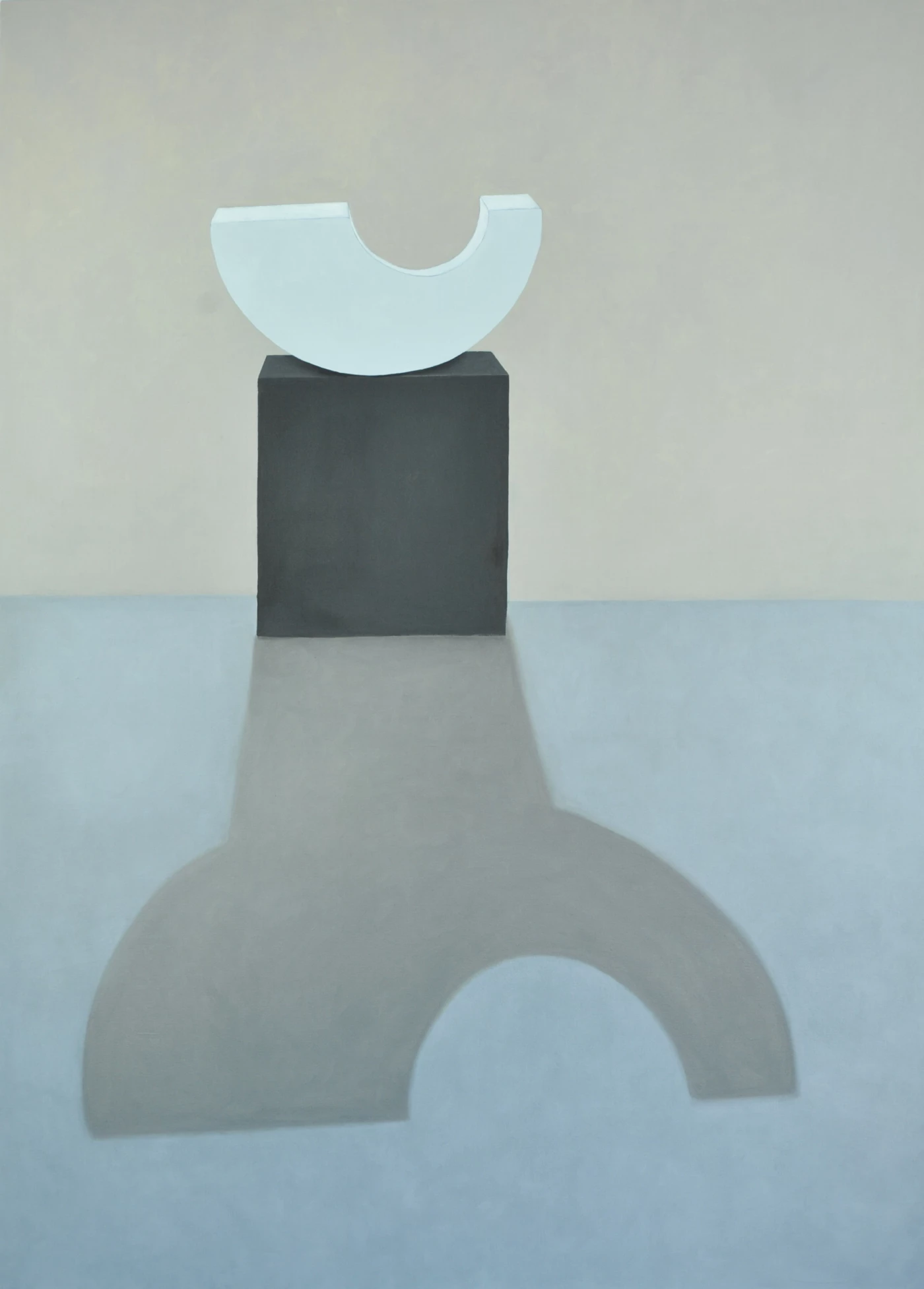
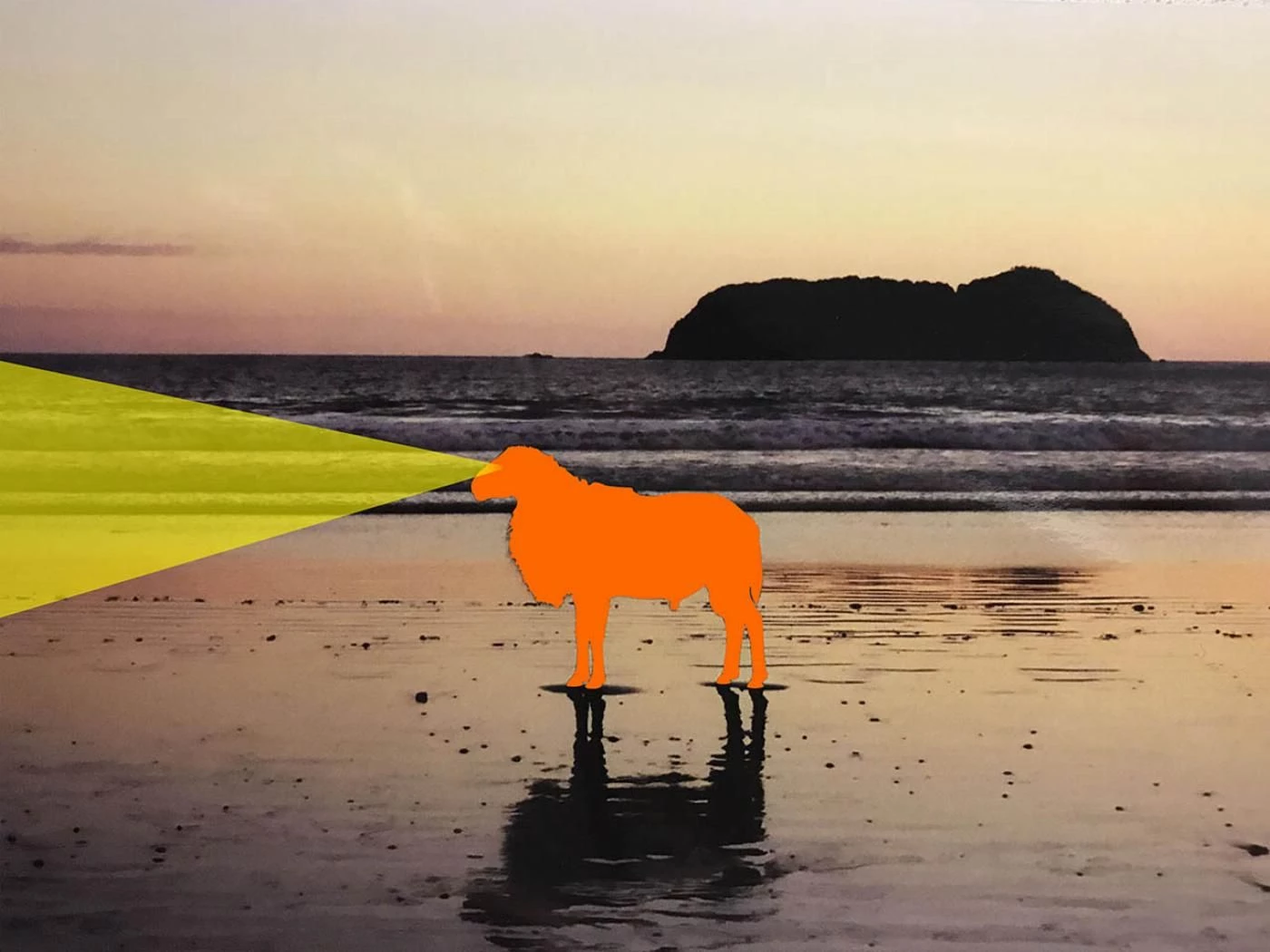
William Gaber (Mexico, 1968) is a multidisciplinary artist whose work explores the human condition in constant transformation and its relationship with architecture as a witness to memory and a container of life experience. Self-taught, with complementary training at institutions such as the Royal College of Art in London, he works between Mexico City, Yucatan, and Madrid. His practice spans painting, drawing, and sculpture, and is characterized by a rigorous visual language, rich in color, irony, and critical sense. Influenced by the tropical landscape of his childhood and the vernacular architecture of Merida, Gaber proposes a poetics of change, adaptation, and resilience, where art becomes a tool for reflection on identity, history, and the social. His work is part of private, institutional, and public collections.
Explore the career, works, and analysis that define William Gaber's trajectory