Miguel Piñeiro

Miguel Piñeiro

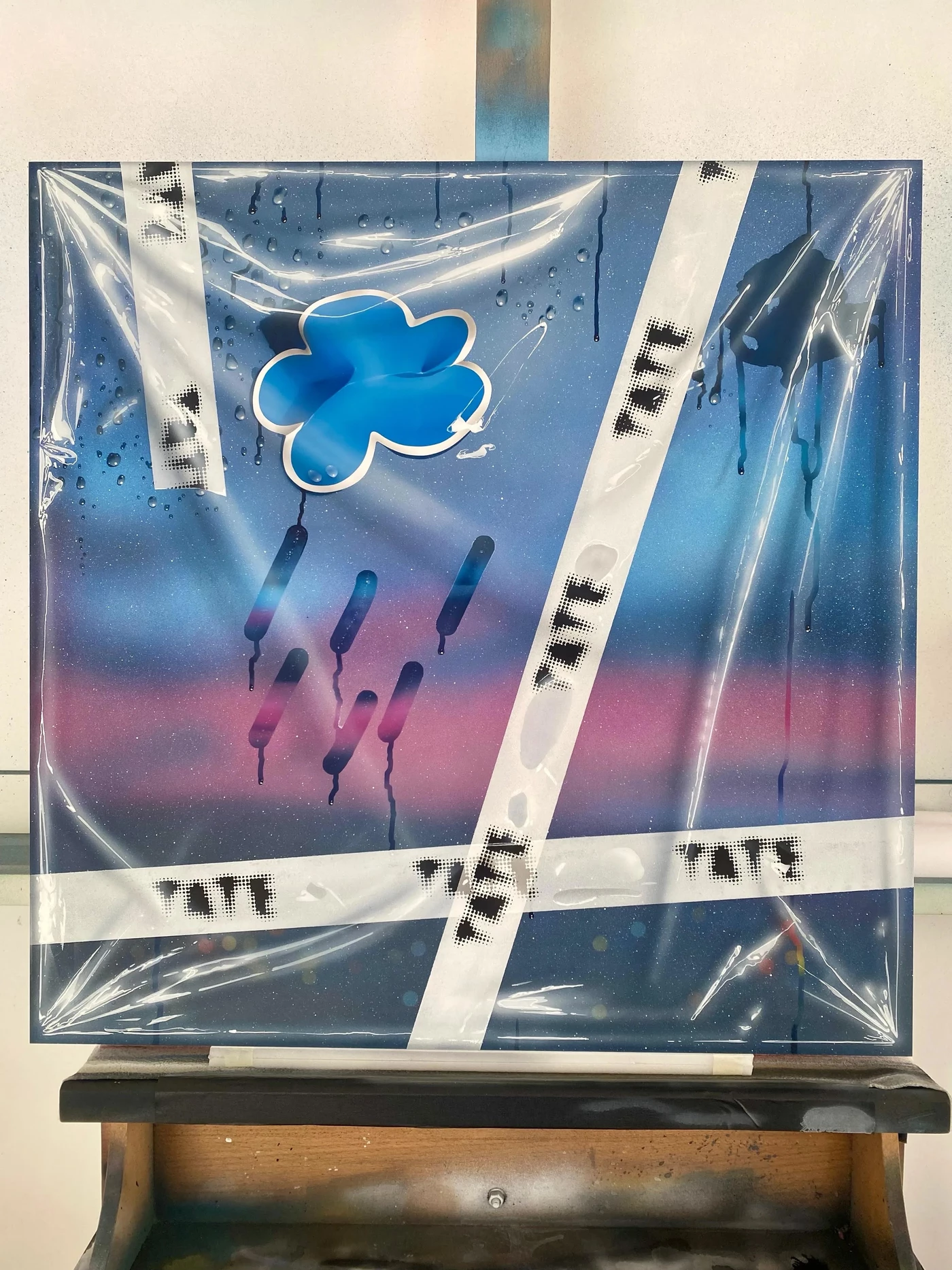
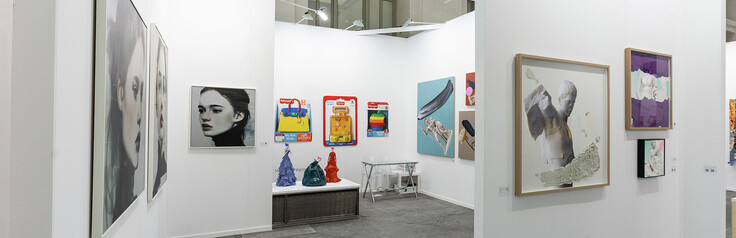
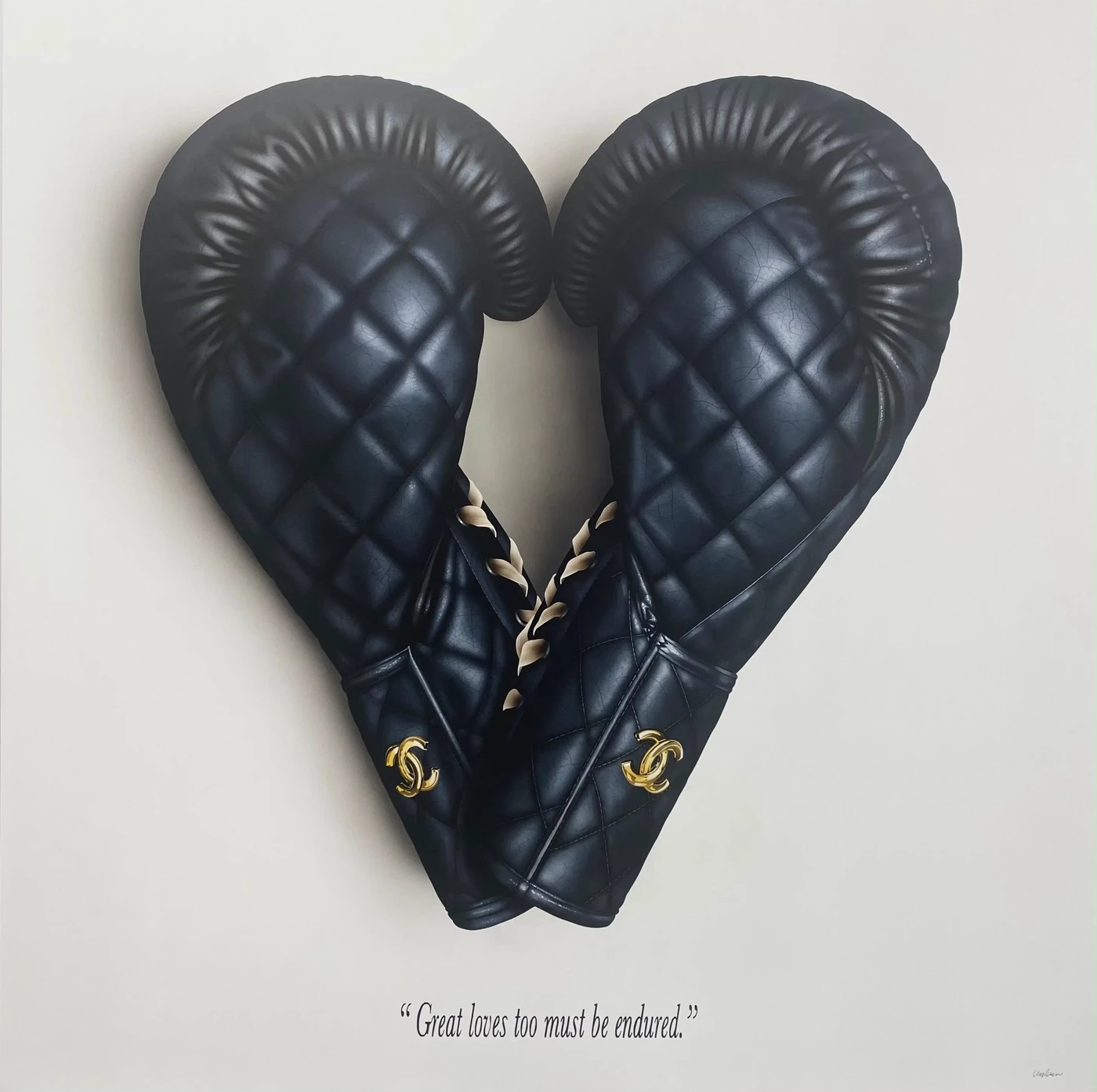
Miguel Piñeiro's work is distinguished by a refined hyperrealist technique that, far from being limited to mimesis, functions as an expressive resource to create tension between the real and the represented. His painting transforms everyday objects into visual constructions charged with irony and meaning, where the use of reflections, transparencies, and trompe-l'oeil activates the viewer's perception. The incorporation of references to mass culture, design, and advertising reinforces the contemporary character of his work, while chromatic precision and balanced composition reveal a deep knowledge of pictorial tradition. In this intersection of technical virtuosity and critical discourse, Piñeiro achieves a powerful visual proposal that connects the intimate with the collective and the ephemeral with the lasting.

Financial information

Signature value

13.06 ¢/cm2

Accum. revaluation

17.15 %

Price evolution

Play Again

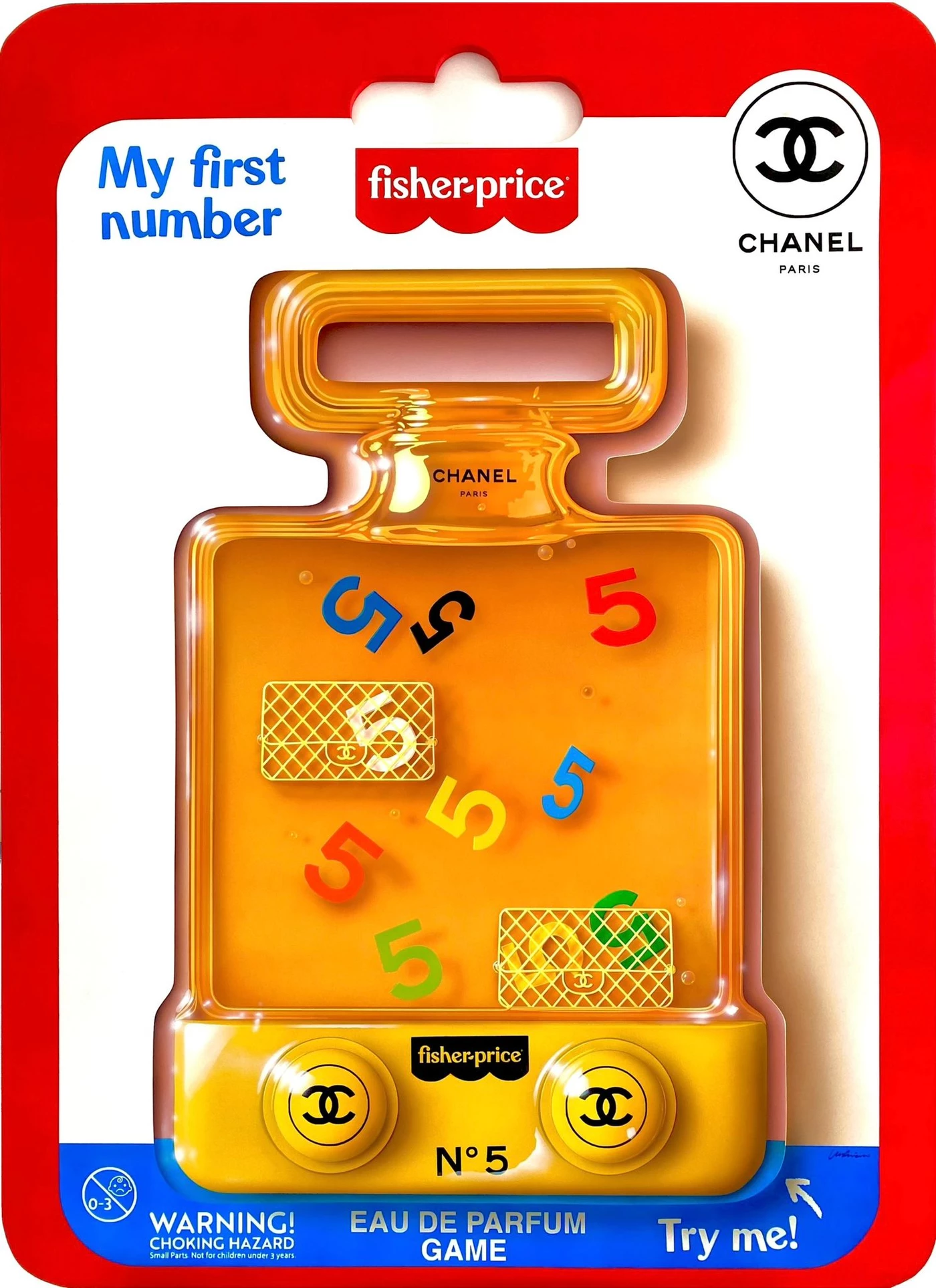
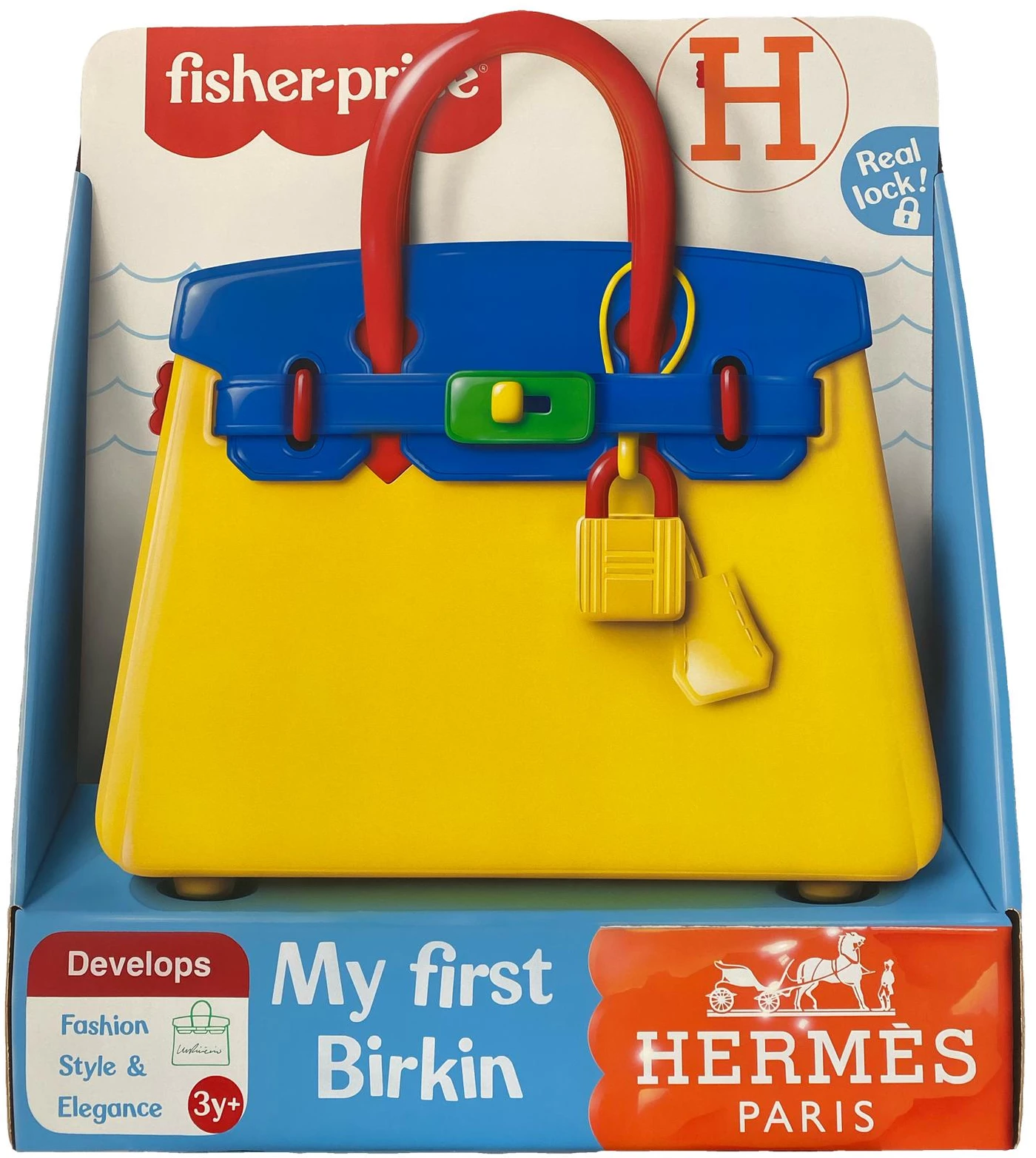
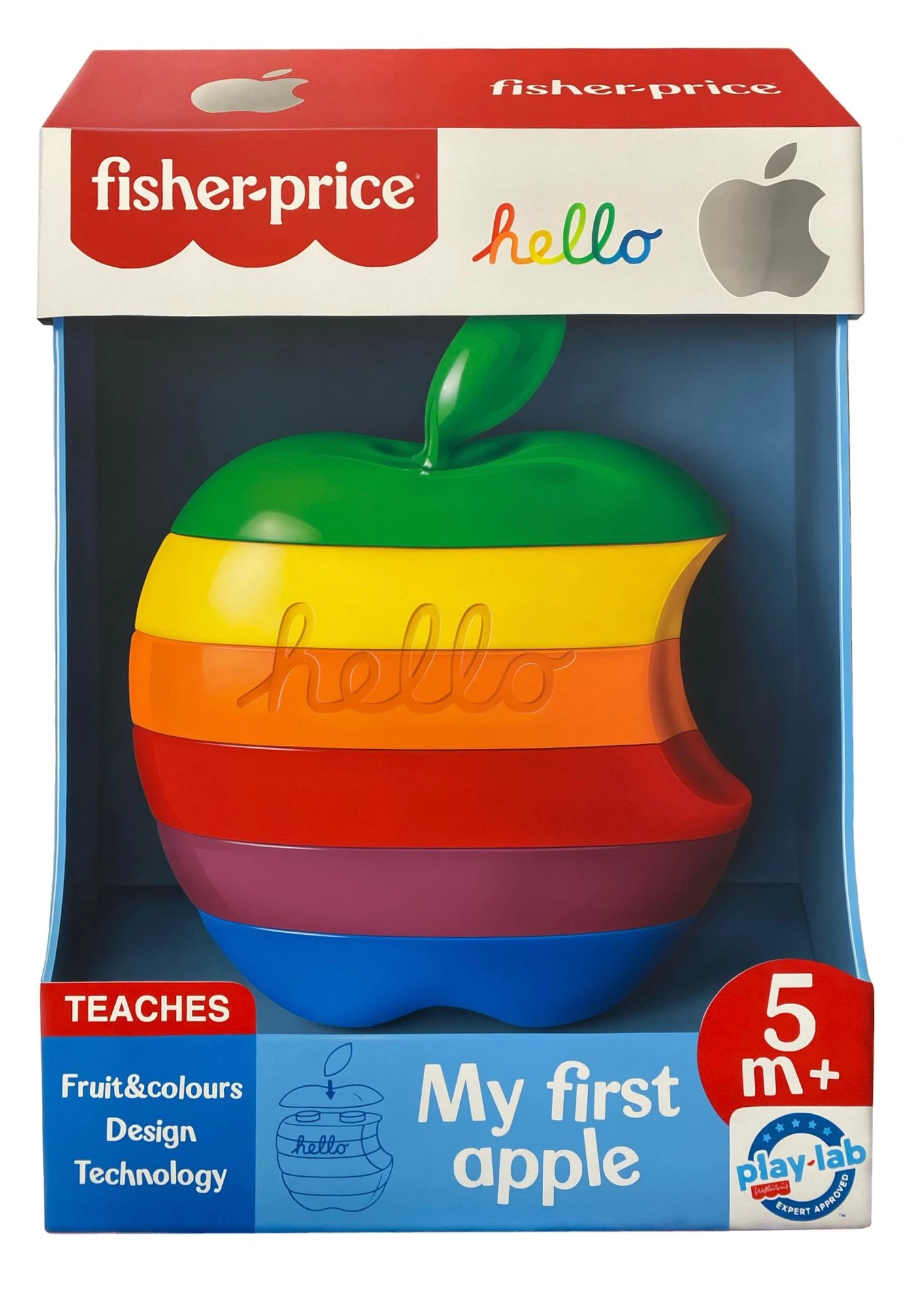
In this series, Miguel Piñeiro starts from the visual universe of Fisher-Price to revisit childhood from a contemporary perspective. The toys, recognizable by their shapes and colors, appear transformed into symbols of memory and learning. Far from nostalgia, the pieces present a tension between the playful and the constructed, evidencing how those early objects shape our way of seeing and understanding the world. Childhood is thus presented not as a memory, but as a language we continue to inhabit.

4 works in the series
imagen-picture
My first teether | Miguel Piñeiro
110 X 80 CM

Plastic culture icons

Plastic icon culture is born as a critical and poetic reflection on our dependence on plastic, a material omnipresent in contemporary life. Piñeiro does not conceive it as an enemy, but as a mirror of our society: an essential resource that, at the same time, confronts us with the contradiction of its excessive use and its consequences. In his works, the artist transforms everyday plastic objects into authentic cultural icons, re-signifying them through his technical mastery and his hyperrealistic pop aesthetic. By imbuing these elements with a monumental and almost sacred aura, he poses a direct question to the viewer: what place do these materials occupy in our collective identity and in the memory of the present?

4 works in the series

Objetos simbólicos

Another path is the transformation of consumer symbols into images charged with irony or tension. Observe that iconic Tiffany-style blue box with a grenade inside, almost like a luxurious "bomb object," which plays with the duality between beauty and disruption. These are objects that, due to their familiarity, invite us to rethink their meaning in an aesthetic context.

5 works in the series

Retratos

In this series, Miguel Piñeiro redefines the concept of portrait: they are not human faces, but objects turned into icons of our collective identity. New Balance sneakers, Apple devices, soda bottles, or recognizable packaging are transformed into "portraits" of a society marked by consumerism and pop culture. His hyperrealistic virtuosity imbues each object with an almost human presence, as if they were characters with their own personality. The choice of brands and everyday symbols is not accidental: they are elements that accompany our daily lives, and which, when isolated and magnified, acquire new meaning. These object-portraits function as a cultural mirror. With them, Piñeiro challenges the viewer to recognize in the banality of consumption the traits of their own contemporary identity.

7 works in the series

Directamente en vena

Miguel Piñeiro's "Directly into the Vein" series addresses, from hyperrealism, the attraction and dependence generated by mass consumer products. Soft drinks, sweets, and iconic brands are presented with impeccable realism that enhances their seductive nature. The frontality of the compositions reveals their almost addictive dimension, positioning the banal as a necessity. The precision in light, reflections, and textures intensifies the tension between beauty and critique. Thus, Piñeiro turns everyday desire into an ironic mirror of consumer culture.

1 works in the series