Manu Muñoz

Manu Muñoz

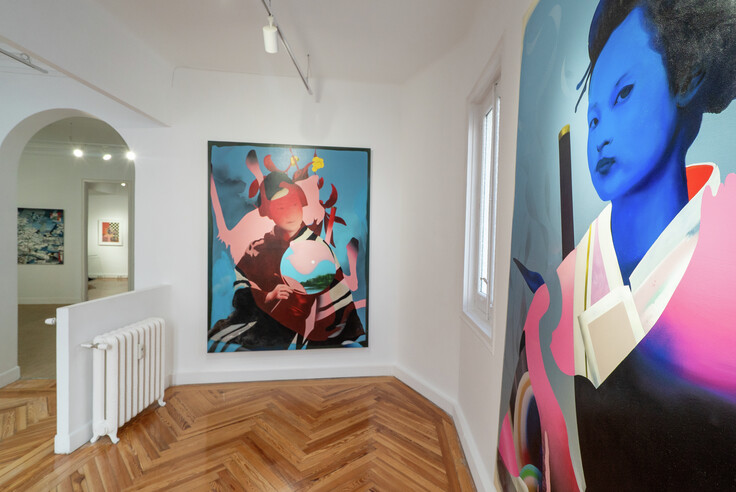
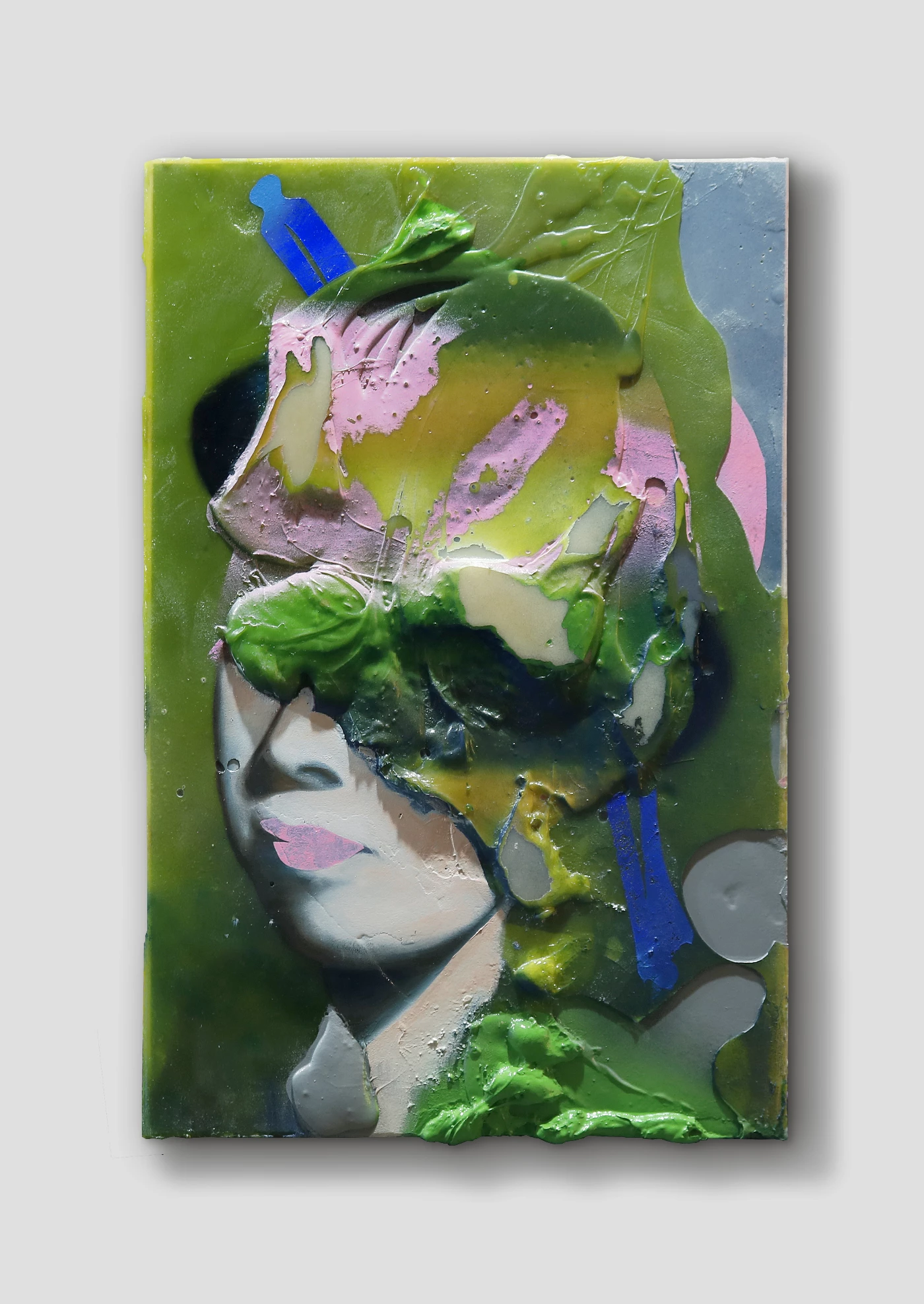
A formal artist who stands out for the great precision in the execution of his work. The artist demonstrates his mastery of symbolic language, where he integrates the figurative and the abstract in compositions with a strong spiritual charge. His work is articulated through rigorous formal economy (he consciously limits the number of visual resources he employs), with precise use of color, texture, and geometry as expressive tools. He explores the human, animal, and landscape from an archaeological and metaphysical perspective, creating images that refer to the ancestral while remaining contemporary. He is particularly effective in generating contemplative atmospheres that invite introspection and multiple readings. His strength lies in the ability to transform minimal elements into totemic symbols, with high visual and poetic density.

Financial information

Signature value

29.75 ¢/cm2

Accum. revaluation

136.72 %

Price evolution

Icons of Waiting

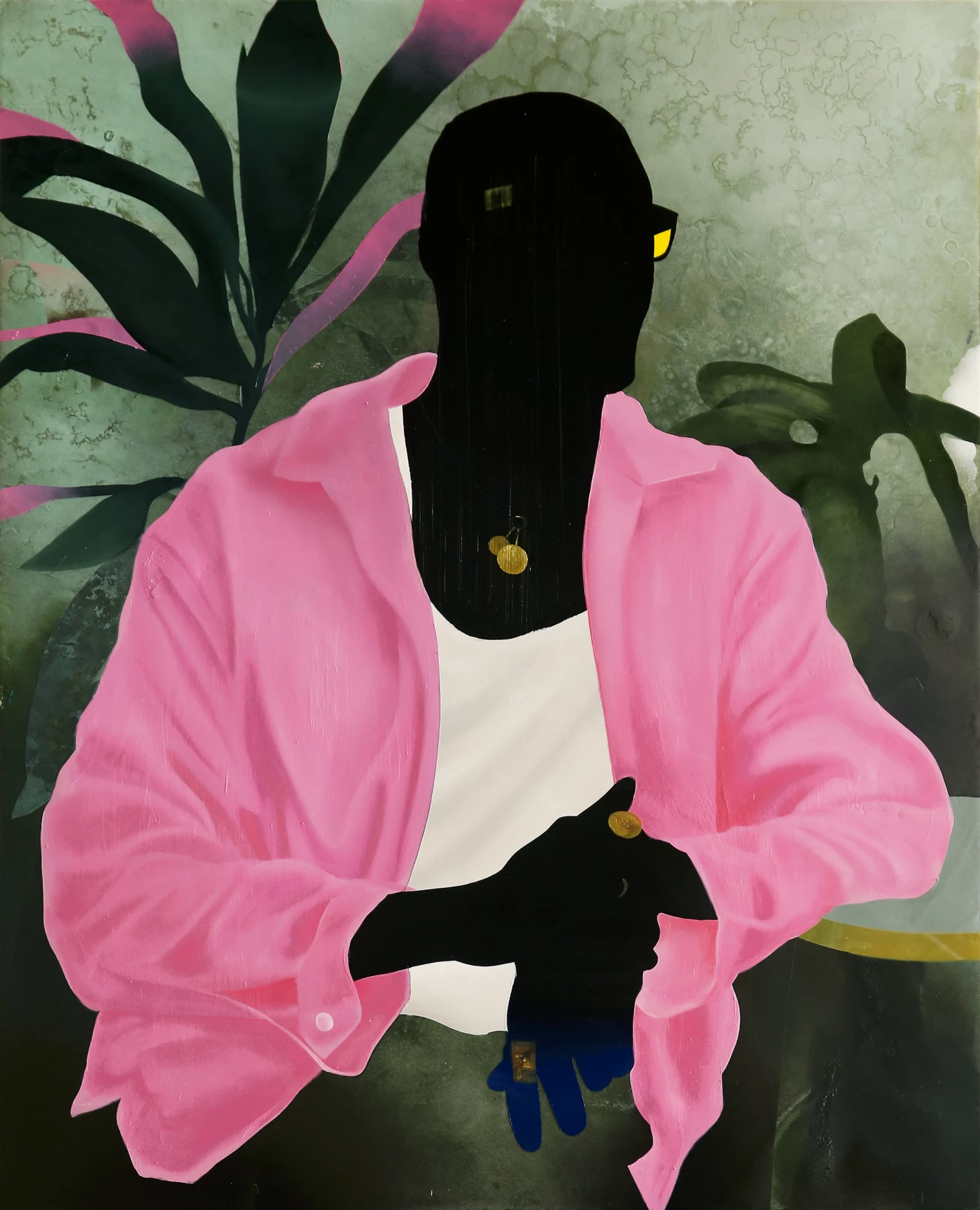
This series is born as a pictorial synthesis of everything that precedes it in Manu Muñoz's work, maintaining narration as its core. Painting advances by subtraction: elements that do not contribute to the discourse are eliminated to re-symbolize the portrait, shifting it from literalness towards a presence closer to an icon. It is not about portraying someone, but about fixing a human state. Each piece holds a specific, yet resonant story: people waiting patiently, women acting as mothers without being biological mothers, bodies hiding, gazes that flee. The series constructs an imaginary that is both intimate and collective, where the personal becomes common and the everyday acquires an almost ritualistic density. In this reduction of the visible, the painting does not lose its narrative: it concentrates it.

2 works in the series
imagen-picture

Endangered Fiction

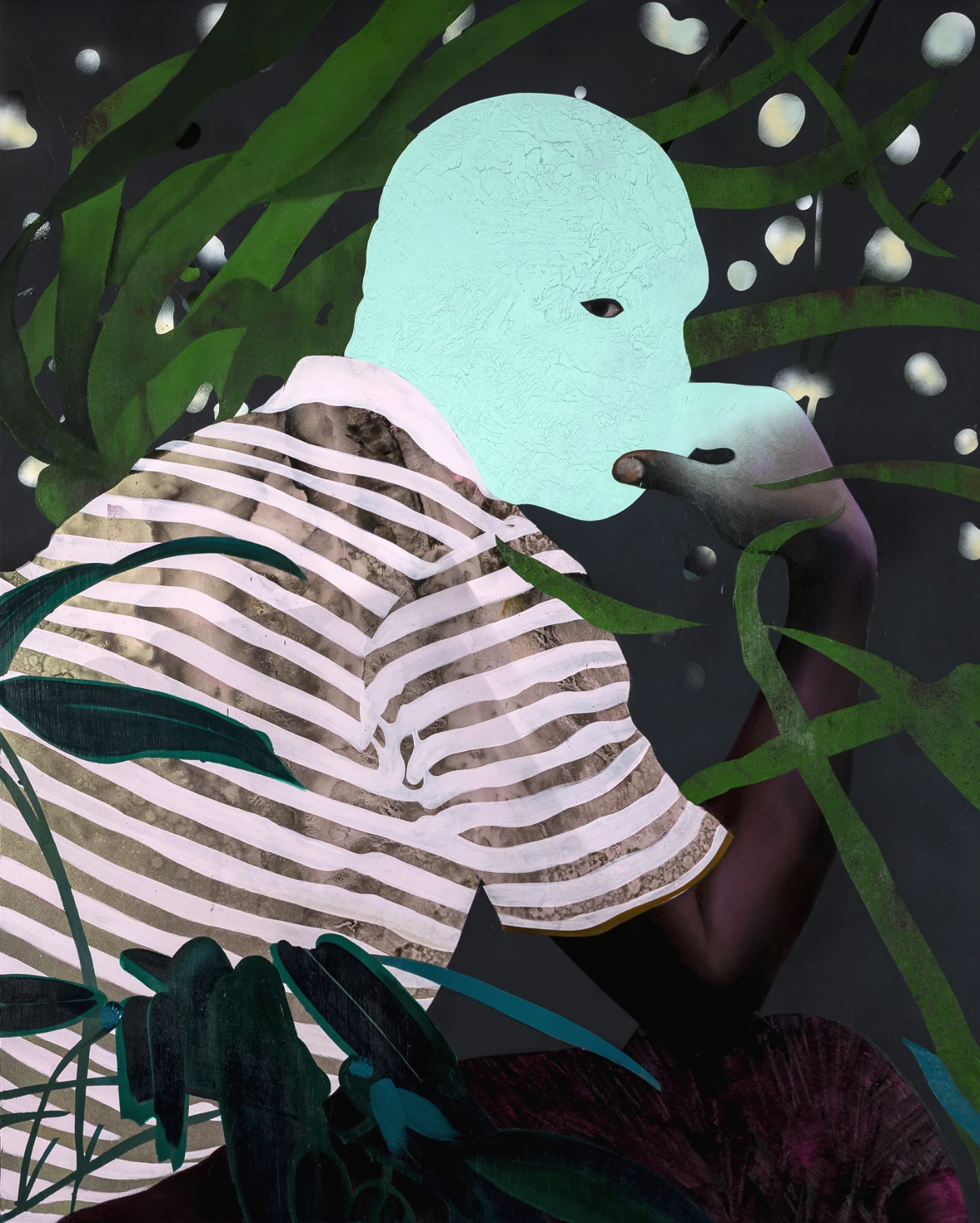
Does the world remain the same when we close our eyes? Does our reality change on the other side? Or is it all still a fiction that we have come to call reality as a balm? The truth is that History—or at least the one we've been told—is woven into a narrative that is nothing more than a shared delusion. Therefore, going beyond, invoking, believing, or creating has become an urgent necessity. This series articulates a narrative that could be a folk tale, a prayer, or an invocation chant: the works as Prayer Flags and the viewer as the necessary transmitter of their message; masks, symbols of ceremony and defiance of limiting reality; war as the inevitable ritual of the bad dream that has pursued us since the beginning of time; and disguise or uniform as that new skin that turns us into characters of a promising story. Perhaps, who knows, fiction is our best reality. Perhaps, who knows, this is a good time to unearth.

19 works in the series
imagen-picture
A day after the victory | Manu Muñoz
120 X 160 CM

Onna Musha

The Onna-Musha were a very small group of women who engaged in warfare in feudal Japan. They were trained in the use of weapons to protect their homes, families, and honor in times of war. Despite being a very small group, they represent an iconic figure in ancient Japan, embodying female empowerment in a patriarchal context, thus establishing a curious parallel with the contemporary world in this regard. The series, inspired by this genuine group, also draws on the classical canons of ancient Greece, as can be observed in the faces, subtly devoid of individual identity, a fact that further reinforces - if possible - the figure of these female warriors and their role in Japan's history up to the 19th century.

9 works in the series

Neofigurative Series

In this series, Manu Muñoz continues to explore the symbolic and mystical language that defines all his work. These figures do not represent individuals, but timeless archetypes that emerge as contemporary totems, laden with memory, mystery, and ritual energy. Rendered with restrained geometry and an aesthetic that evokes both the ancestral and the futuristic, his compositions refer to cultural vestiges reinterpreted from a critical and poetic perspective. Each body becomes a spiritual landscape, an archive of meanings that transcend the individual to speak of the human as a universal symbol. The economy of means and emotional ambiguity reinforce their iconic strength, inviting contemplation rather than interpretation. As in the rest of his work, Muñoz proposes to stop time, open a threshold to the hidden, and defend mystery as an essential part of existence.

18 works in the series

Naturalist Series

In his series of landscapes and animal figures, Manu Muñoz maintains the same symbolic and contemplative approach that defines all his work. Although visually more naturalistic, these pieces do not seek to document nature, but to transform it into a space of spiritual resonance. The landscapes, treated with chromatic sobriety and textures that evoke the eroded and the ancestral, function as ritual settings. They are territories of silence, charged with an invisible energy that invites introspection. The animals, on the other hand, appear as totemic presences. They are not zoological portraits, but symbols of the wild, the sacred, the untamed. Inserted into almost mythical spaces, they act as mediators between the visible and the invisible worlds. The series stands out for its formal austerity and atmospheric intensity. Through an aesthetic of the essential, Muñoz proposes a visual journey that does not explain, but suggests; it does not represent, but reveals.

26 works in the series

Map of Strange Life

What if humanity vanished from this world? How would its arrogant footprint dialogue with those who now, in this new order, are the true owners of water, air, and land? I wonder if it will be a story of more violence and demolition. Or if, on the contrary, everything will progress as a generous, natural, and inevitable embrace. Manu, aware that something like this would never admit imperial words or univocal narratives, constructs the light of that strange time, reproduces the imposing flutter with which it takes flight and pauses at the old festival of feathers and colors. There, before us, almost whispered, lies the old world and the new dream. The light in which, forever, shadow has resided. The majesty with which grass imposes itself on stone, on the path, on the footprint. The mystery upon which we spell out life. Us and them. Whatever we may be, when we cease to be.

4 works in the series