Guto Ajayu
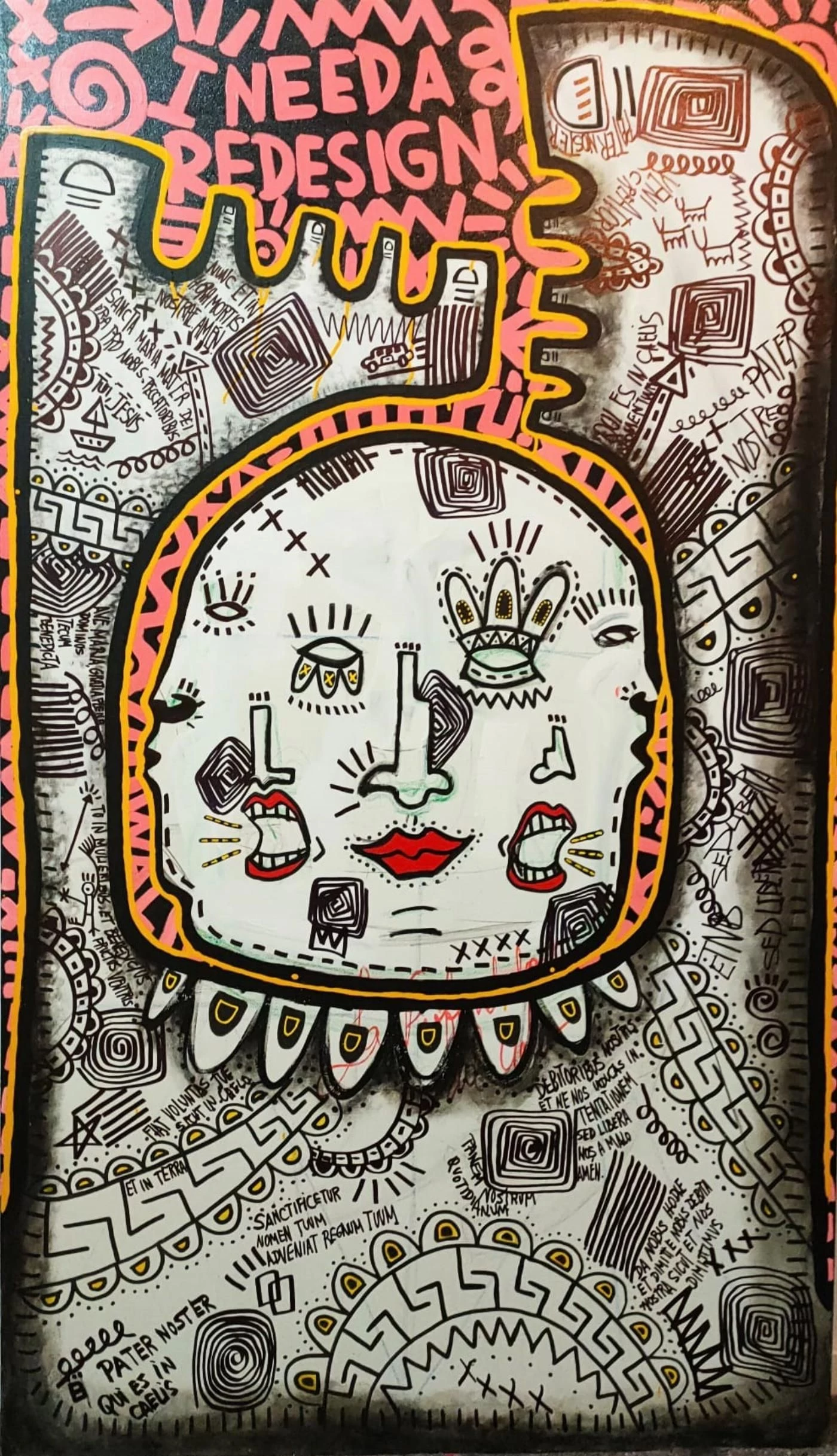
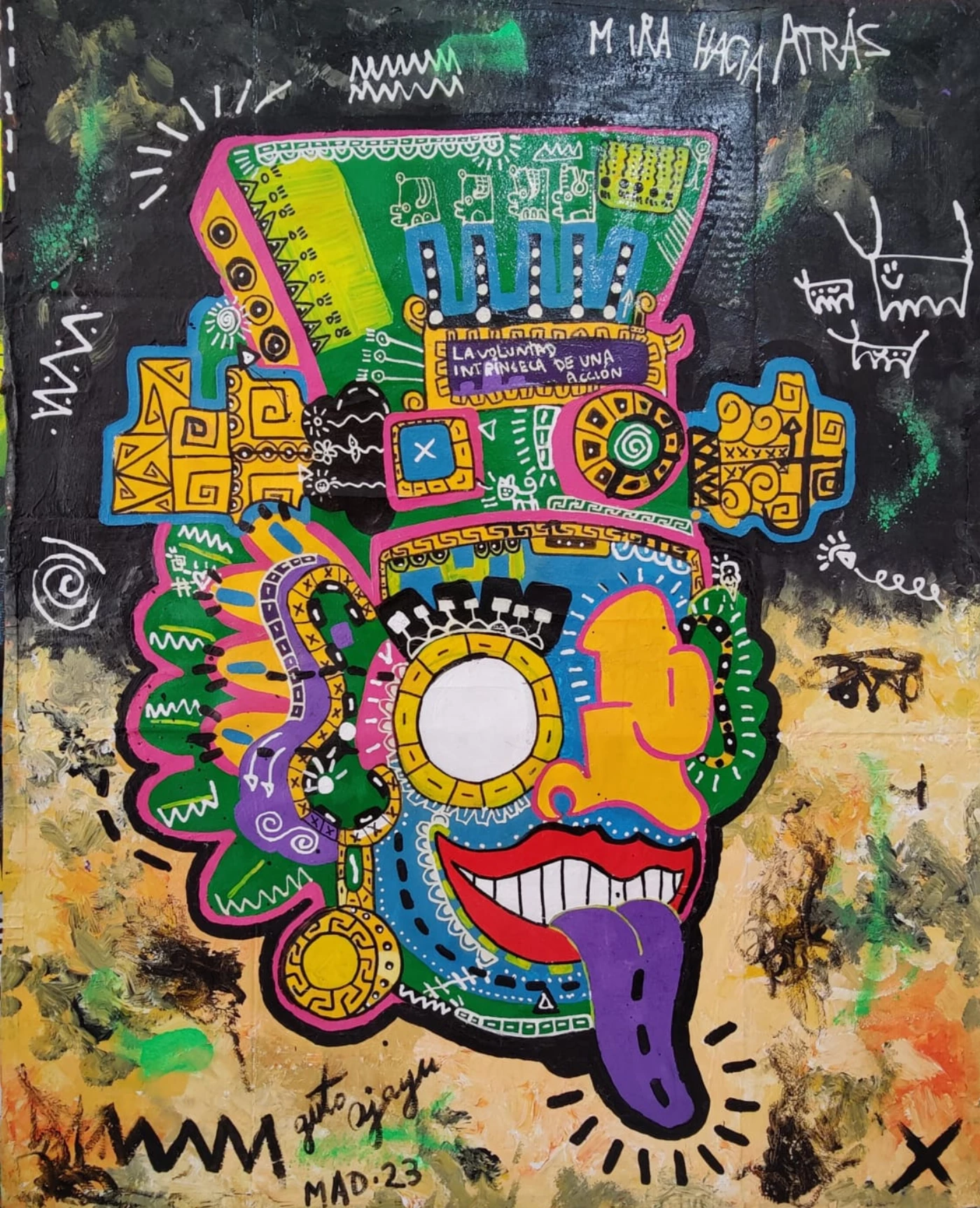
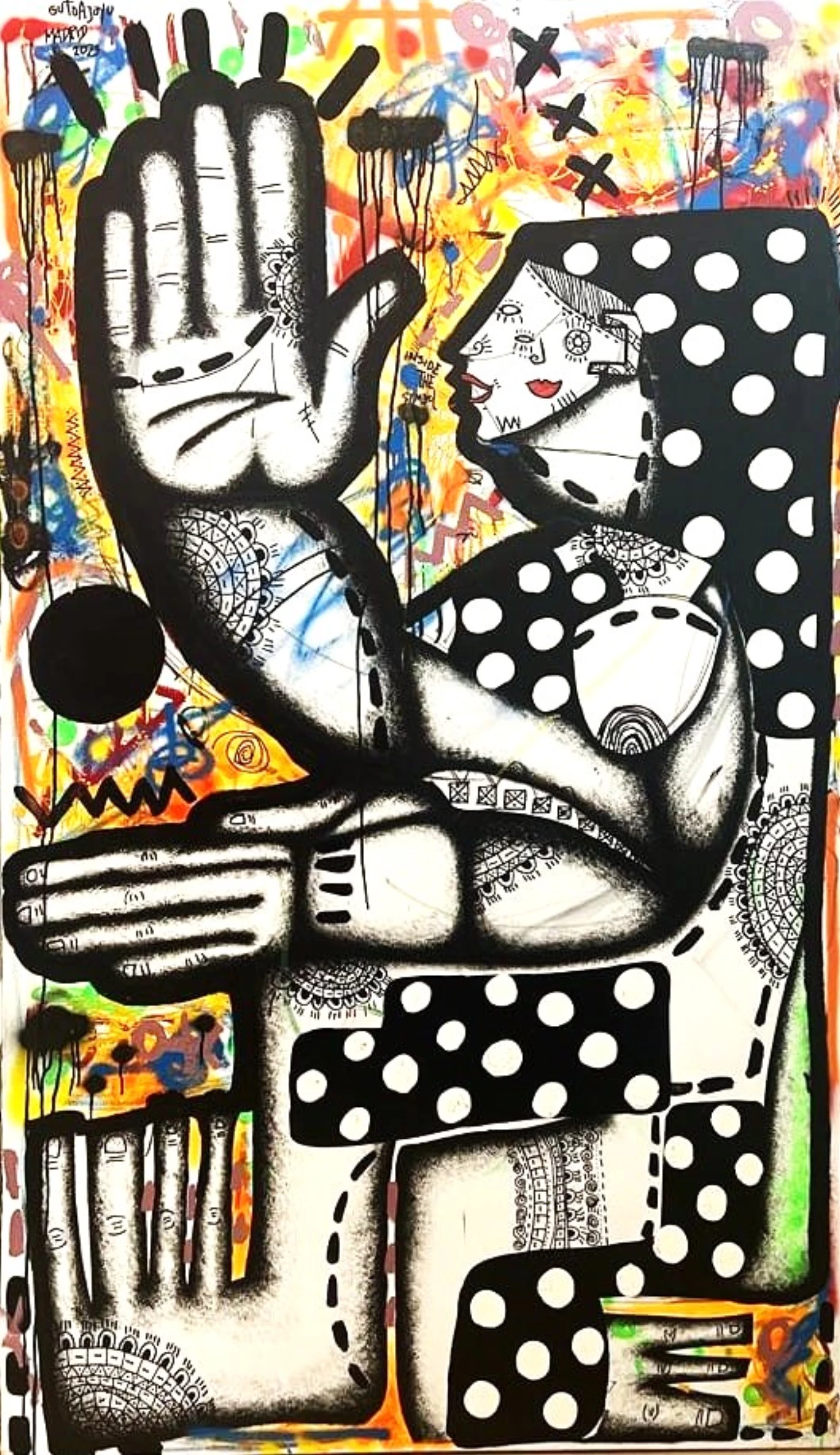
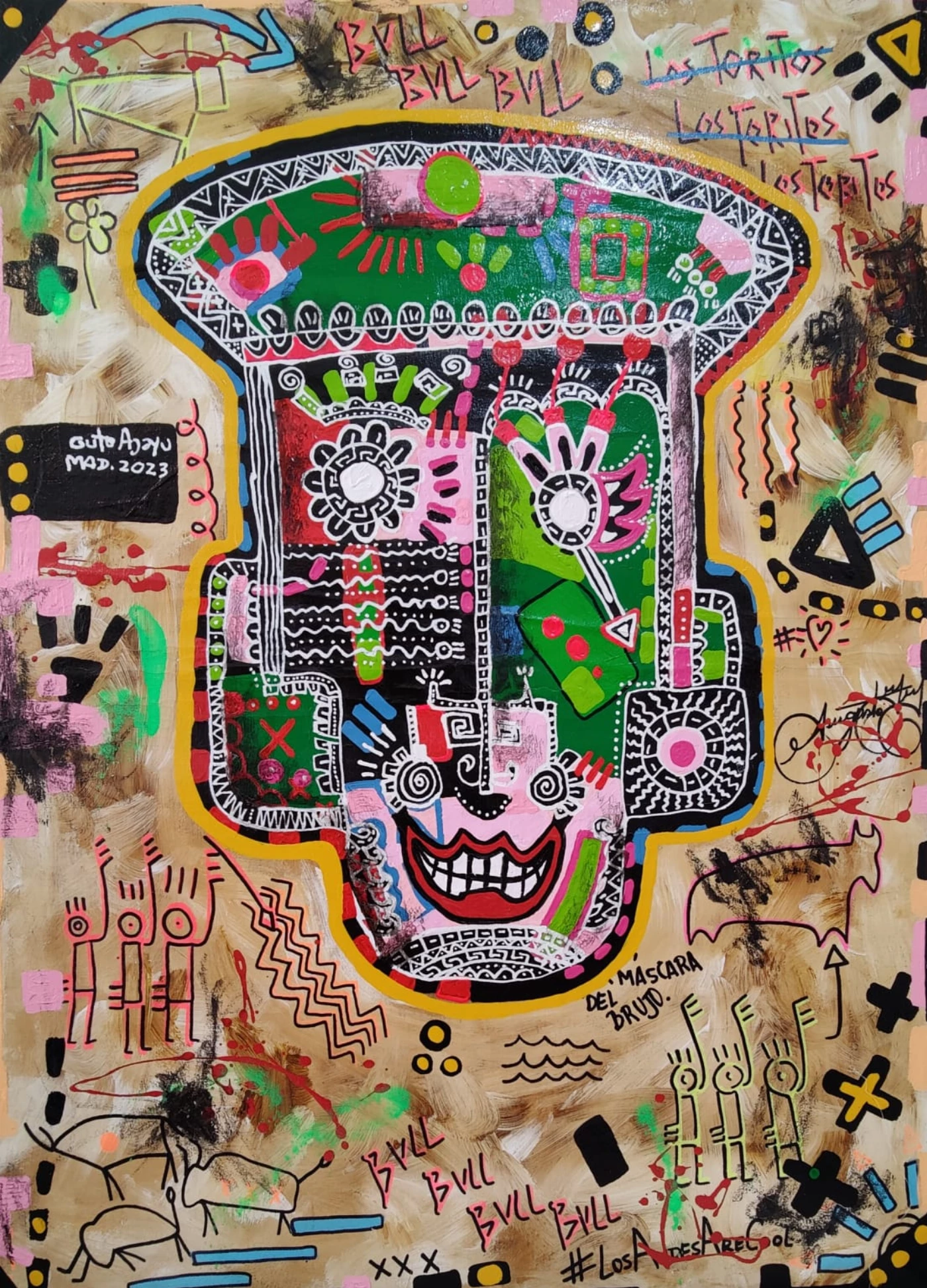
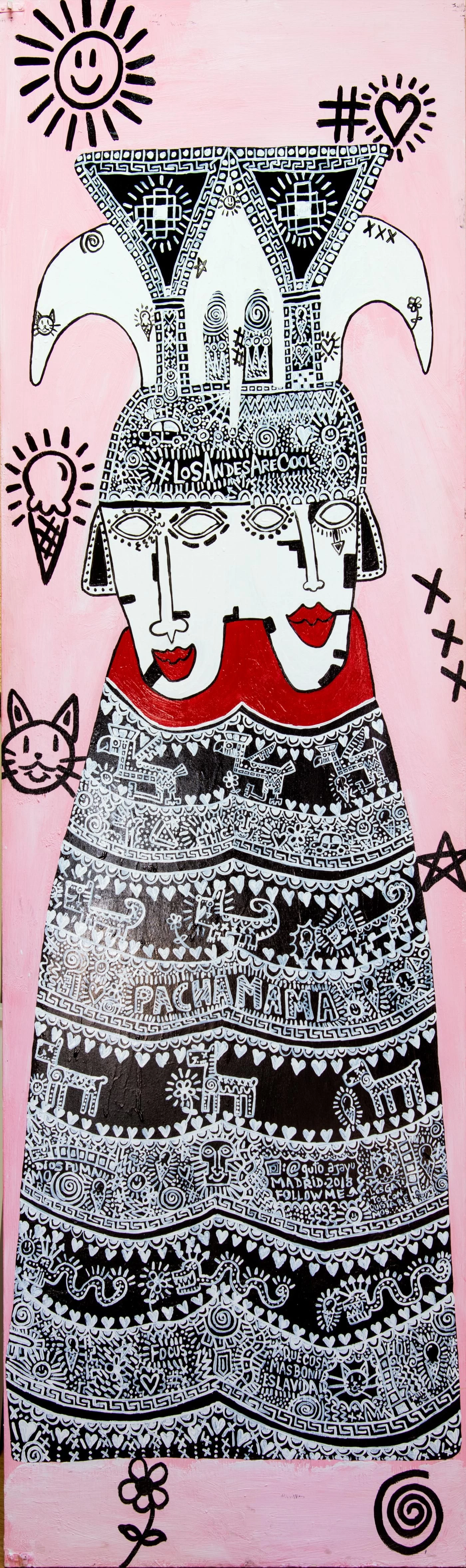
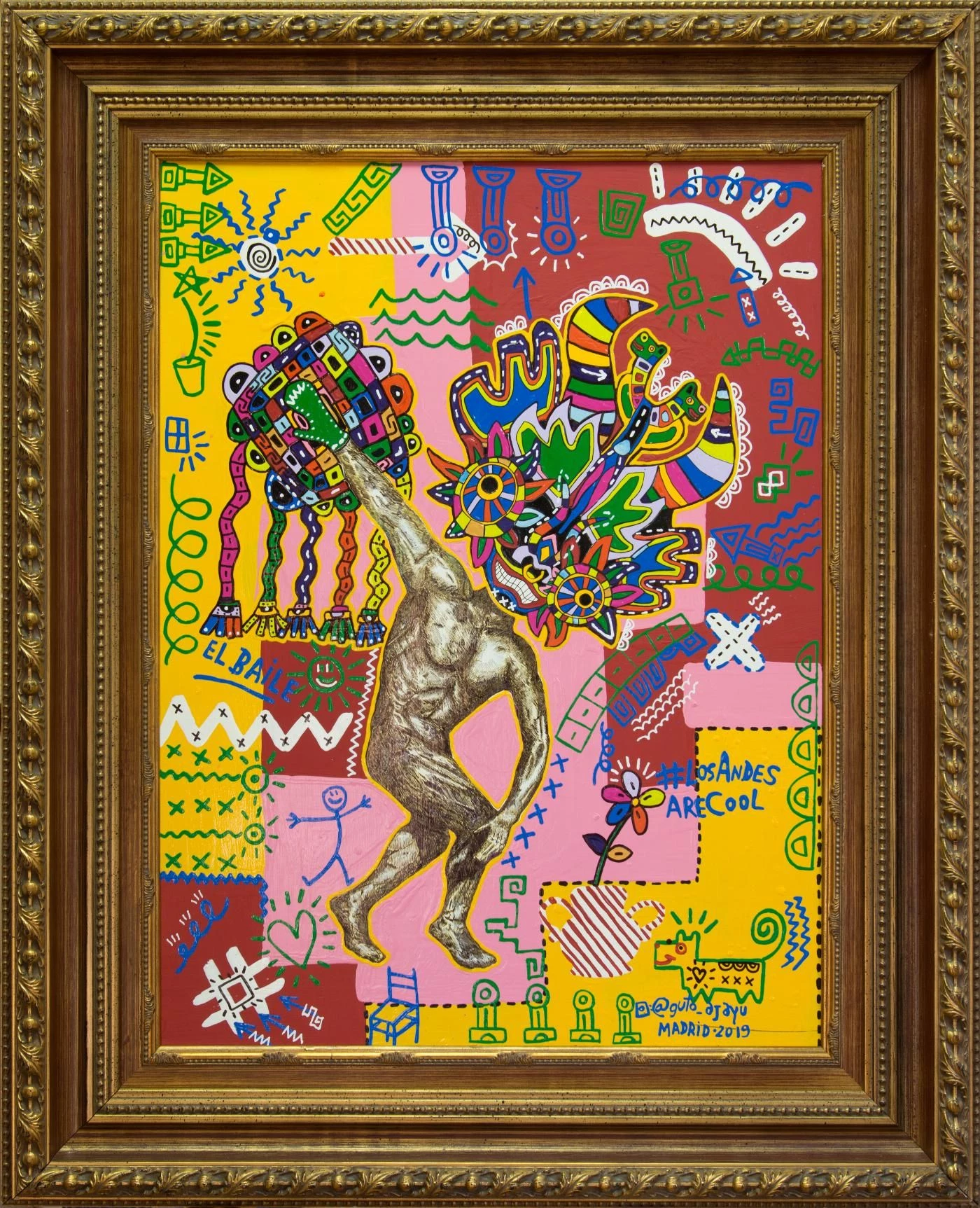
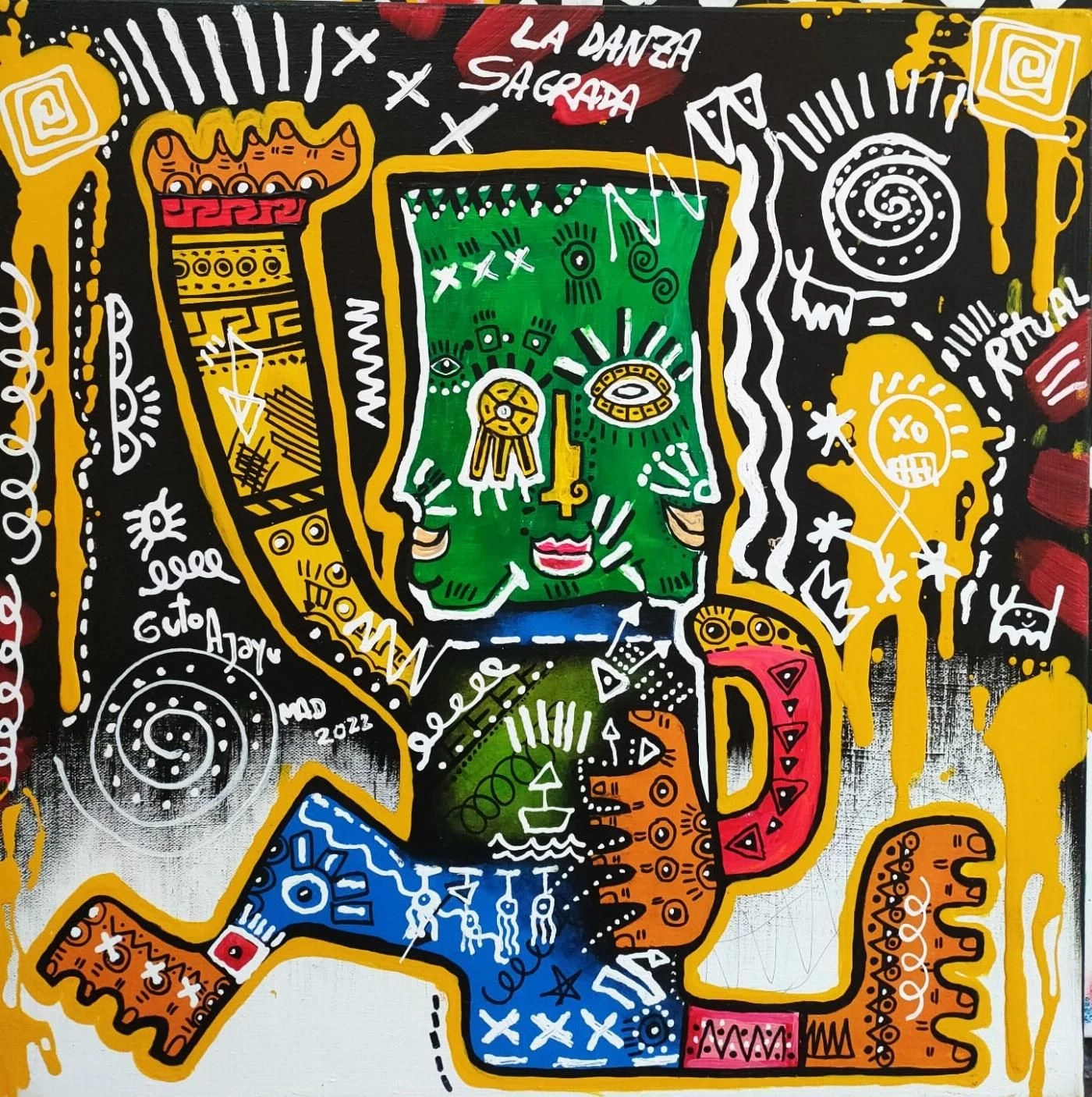
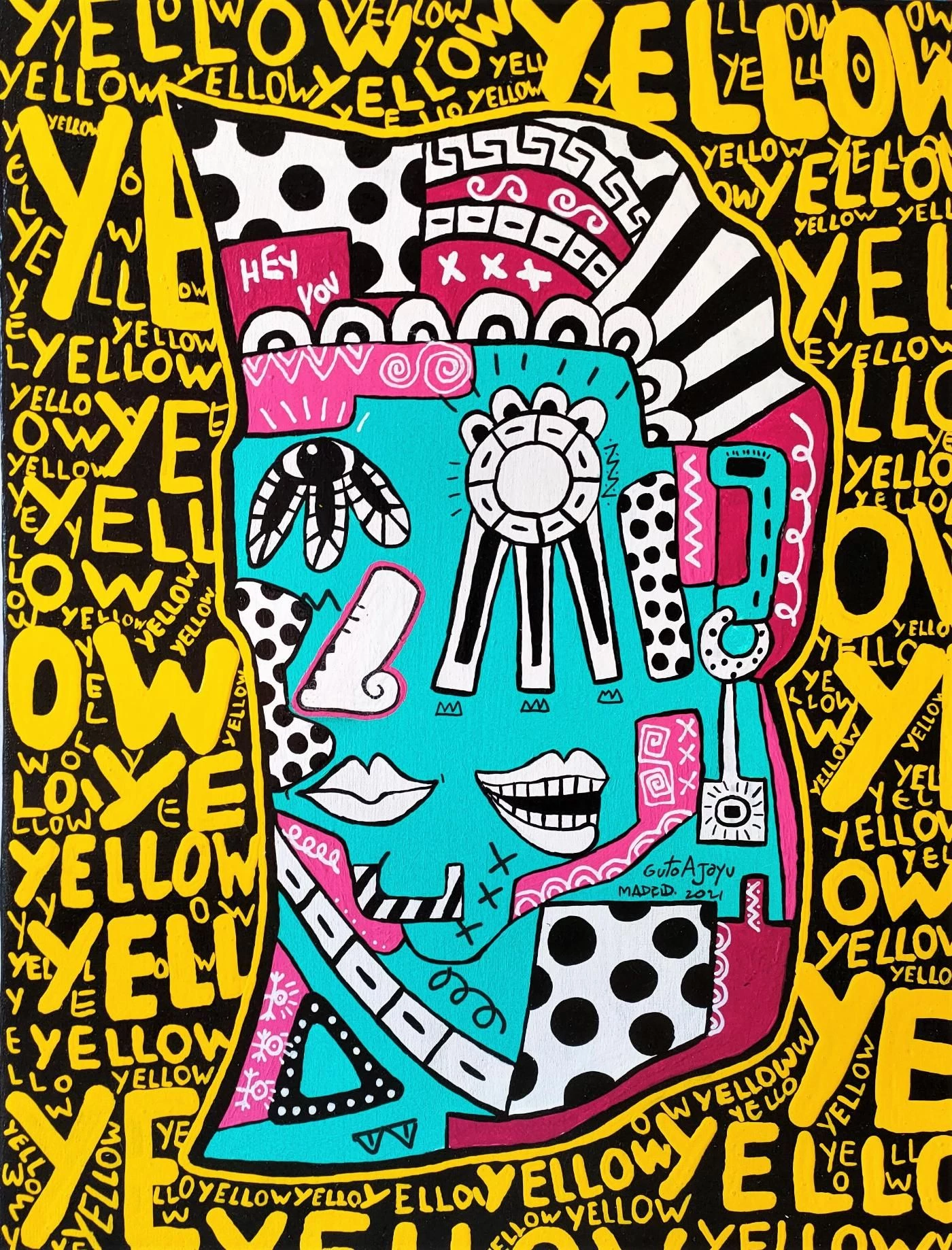
A visceral exploration of primal human instincts, Guto Ajayu’s practice confronts raw forces with urban aesthetic and totemic symbolism.

Saisho Intelligence
Intelligence Score
Global score
The artist’s overall score out of 10, weighted across quality, market, potential and validation.
Artist stage
Classification of the artist based on the balance between quality and market.
Confidence level
Reliability level of the scoring based on the available data.
Relationship with Saisho
Relationship between Saisho and the artist.
Key readings on the artist’s current position and remaining trajectory.
Market insights
Specific milestones or risks to monitor over the next 12–24 months.
These factors are analysed in detail in the full report.
Ver informe completo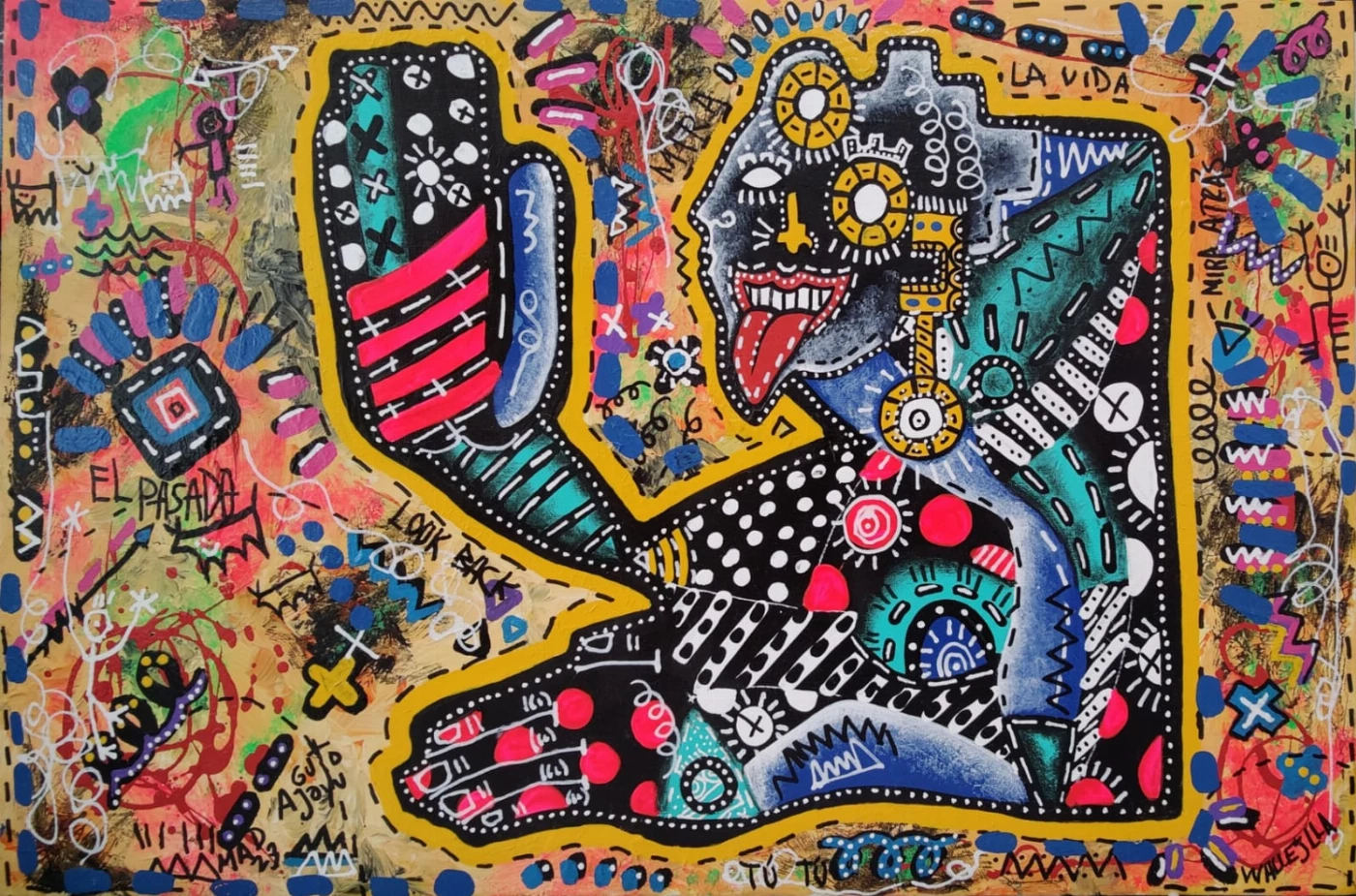
View full analysis
Access detailed scoring, economics and the historical evolution of the artist’s market.
View report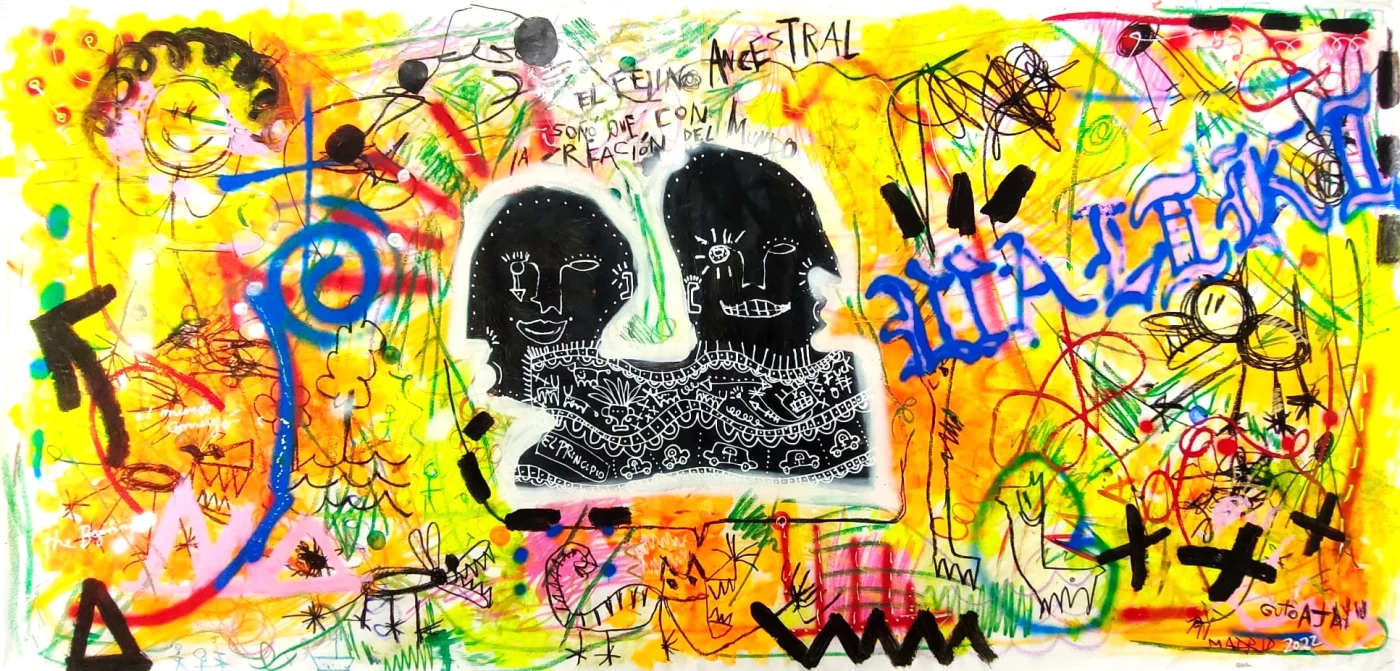
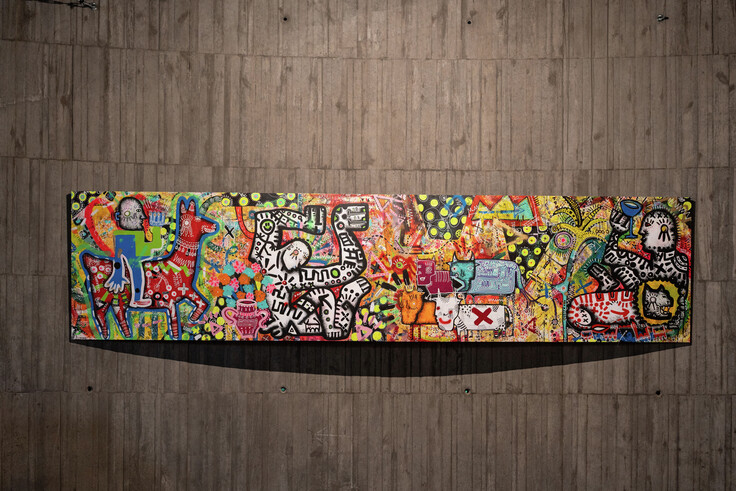
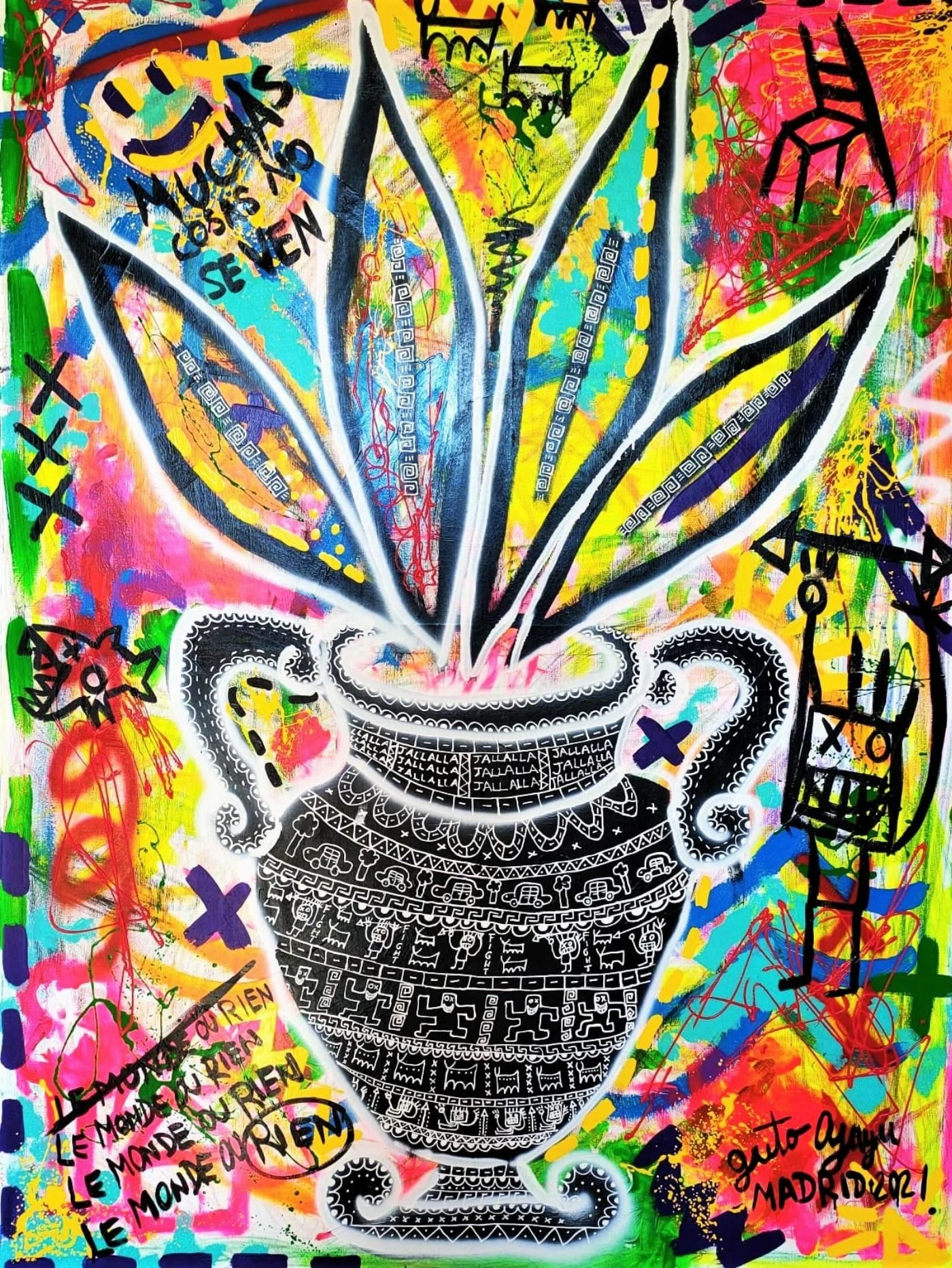
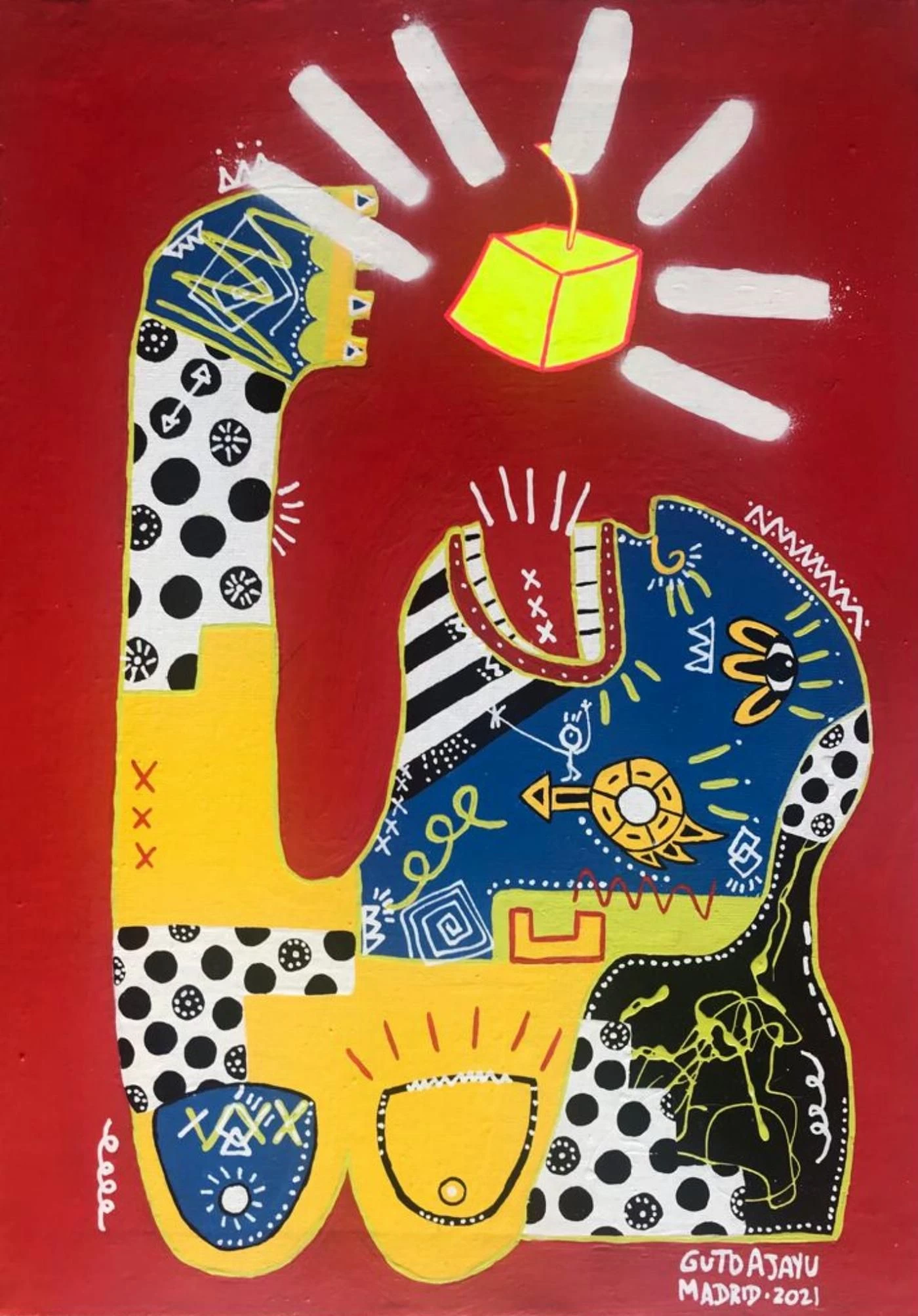
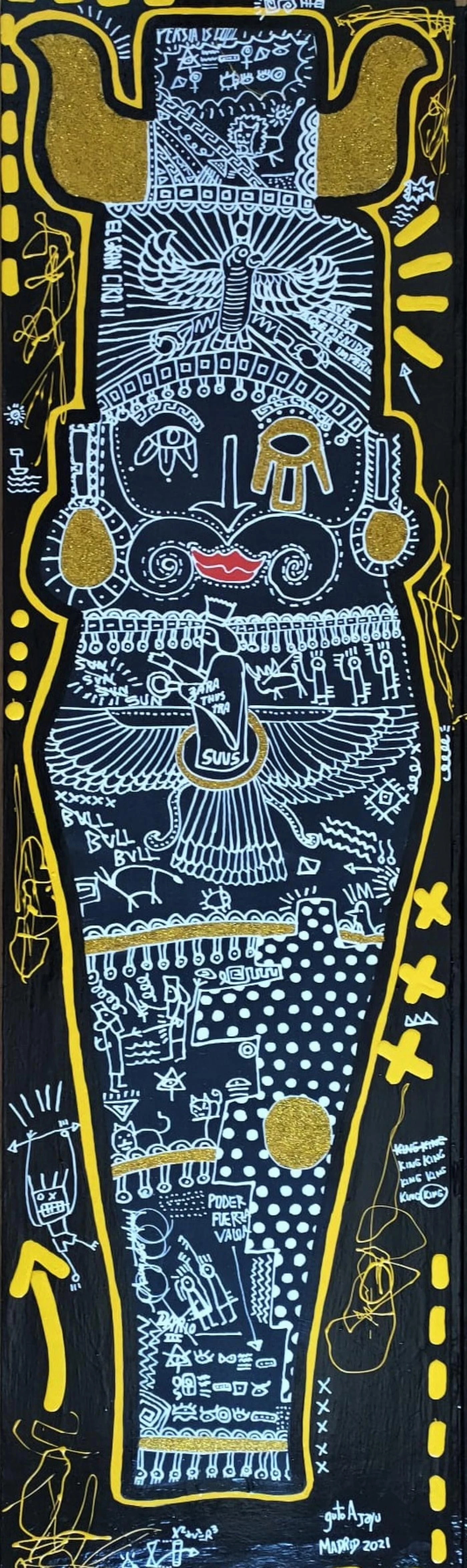
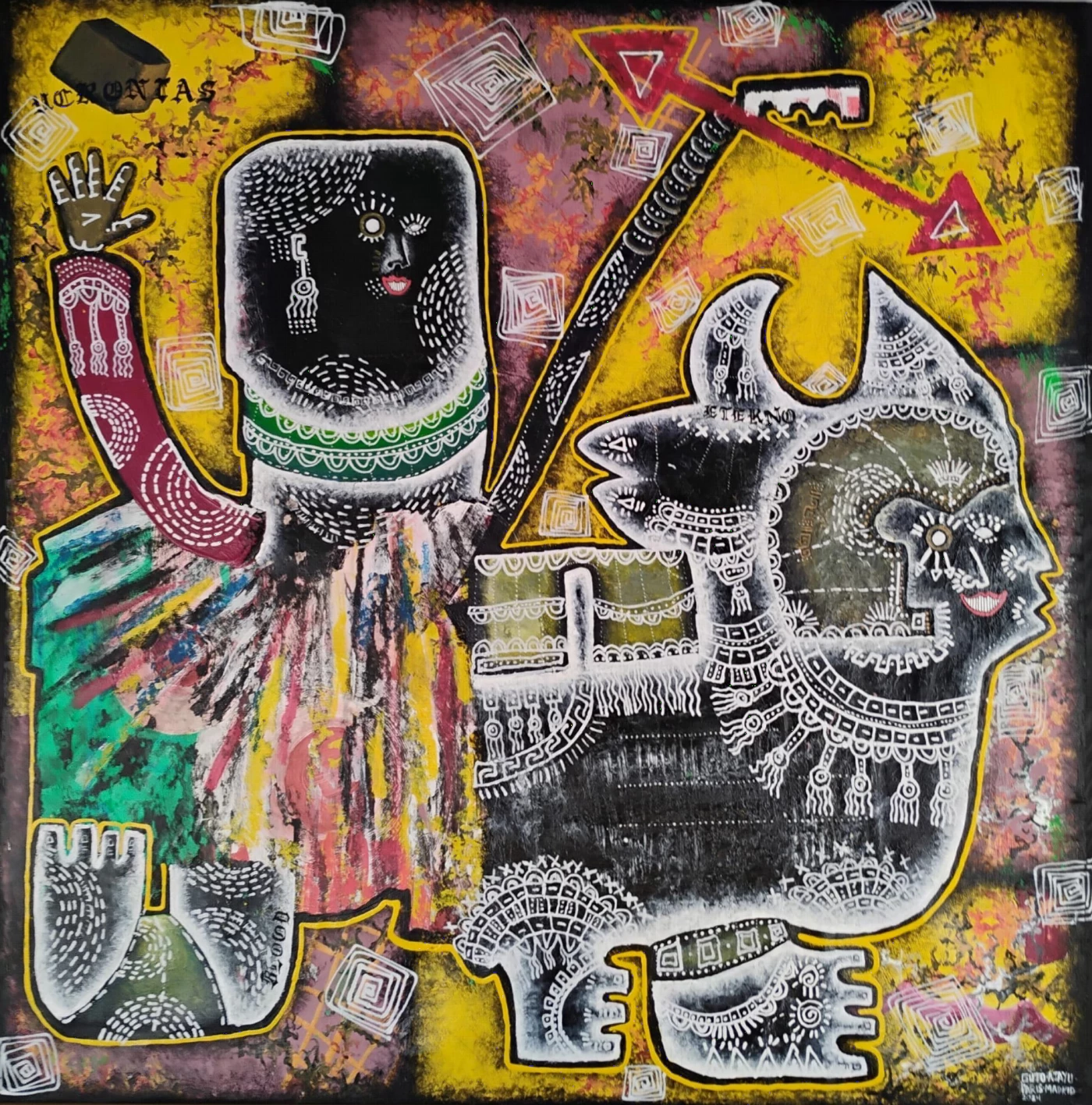
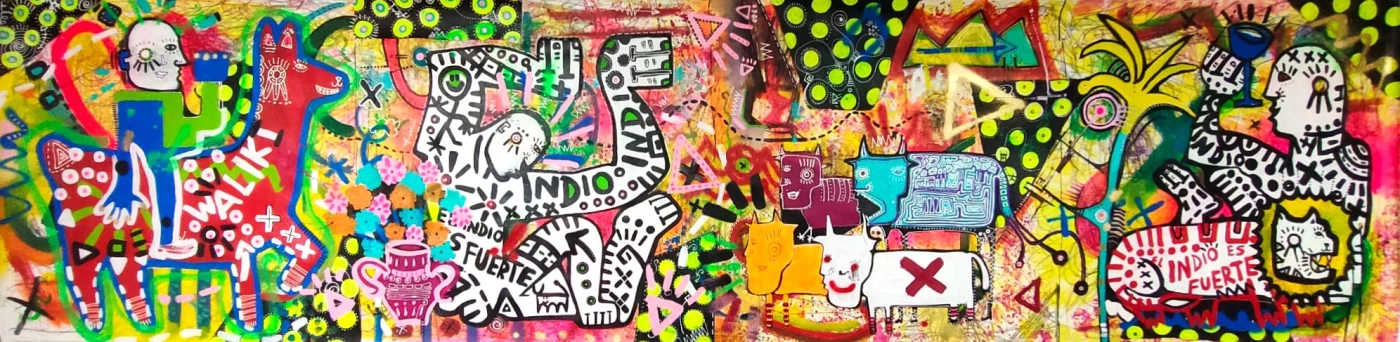
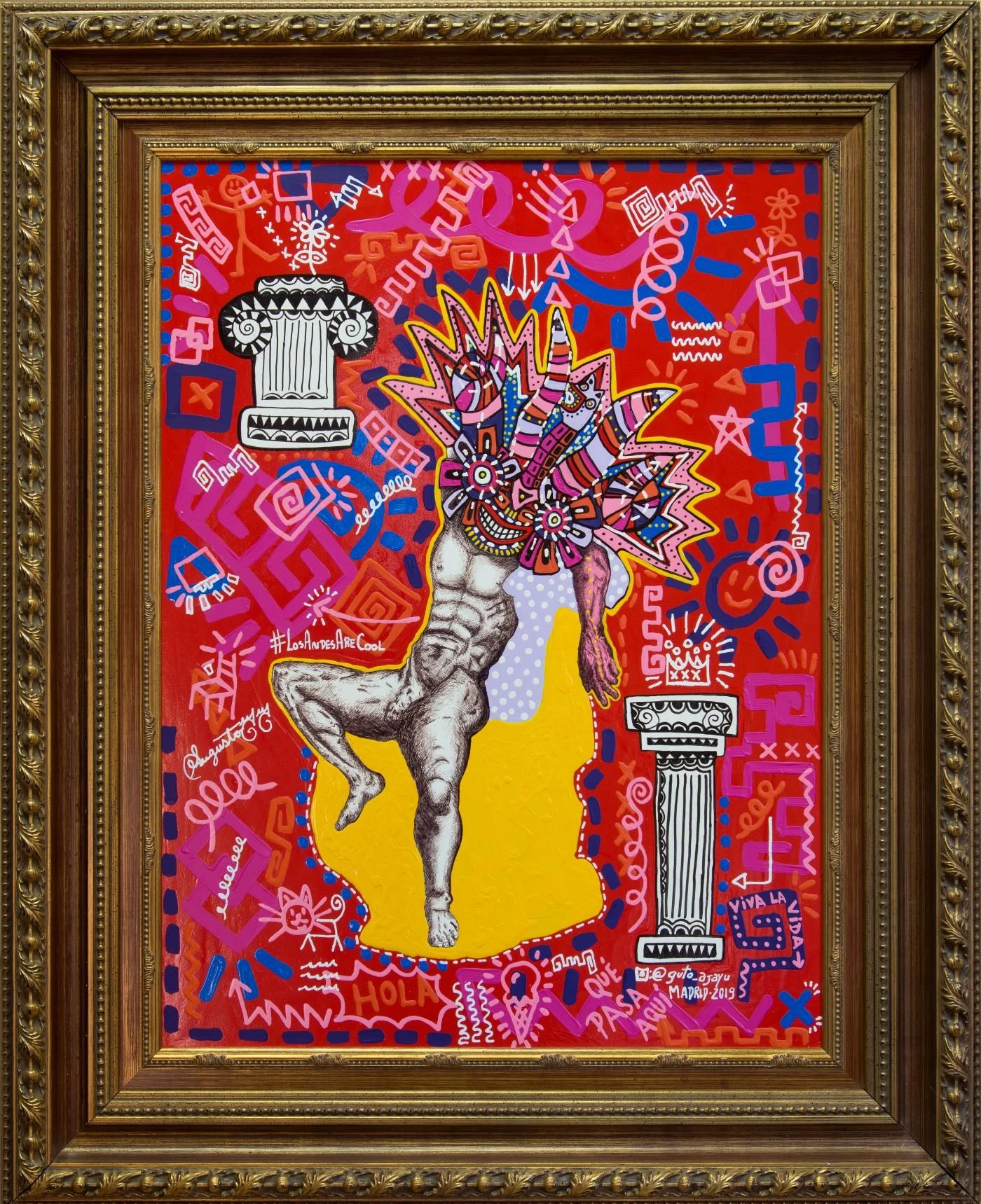
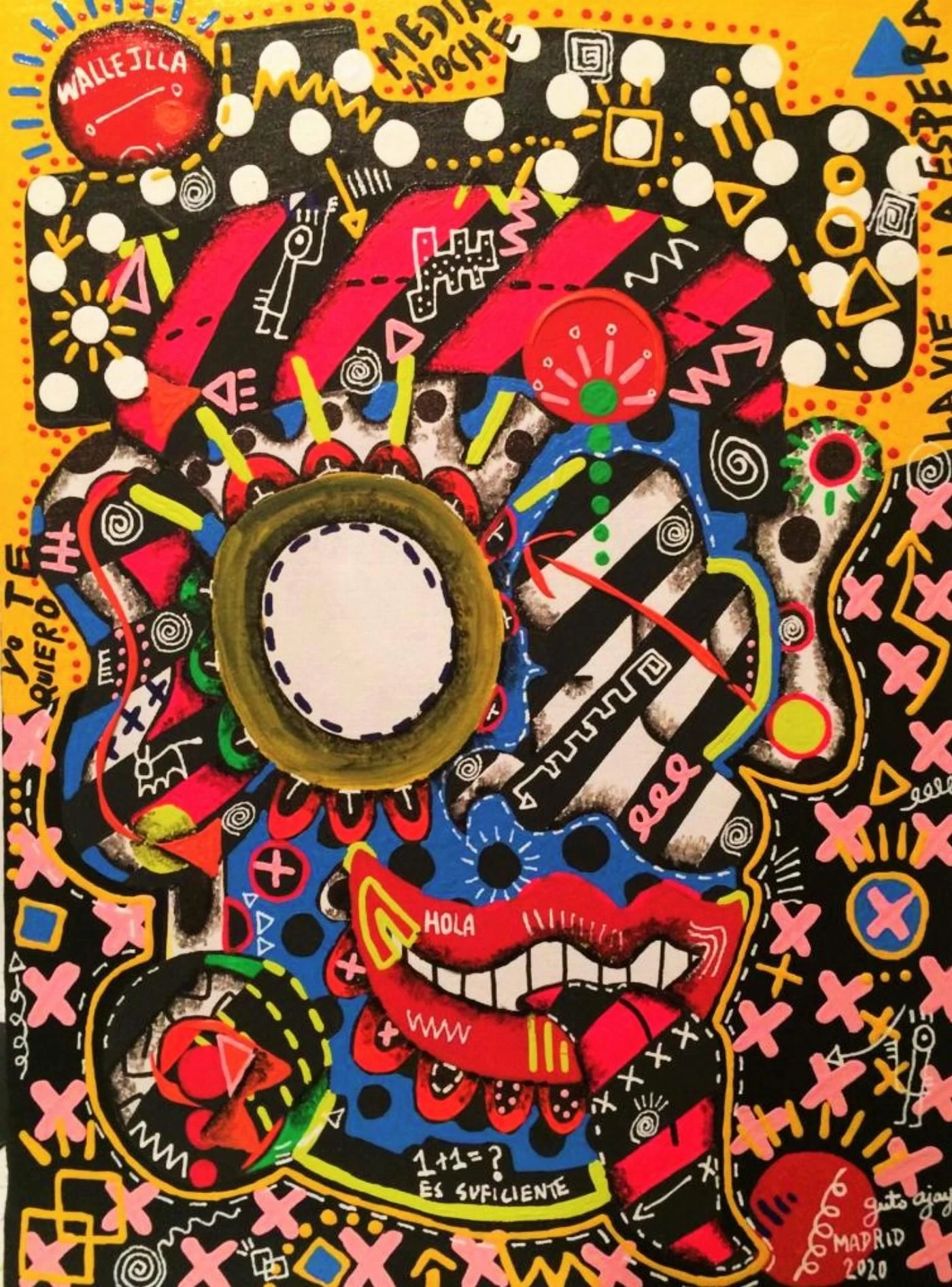
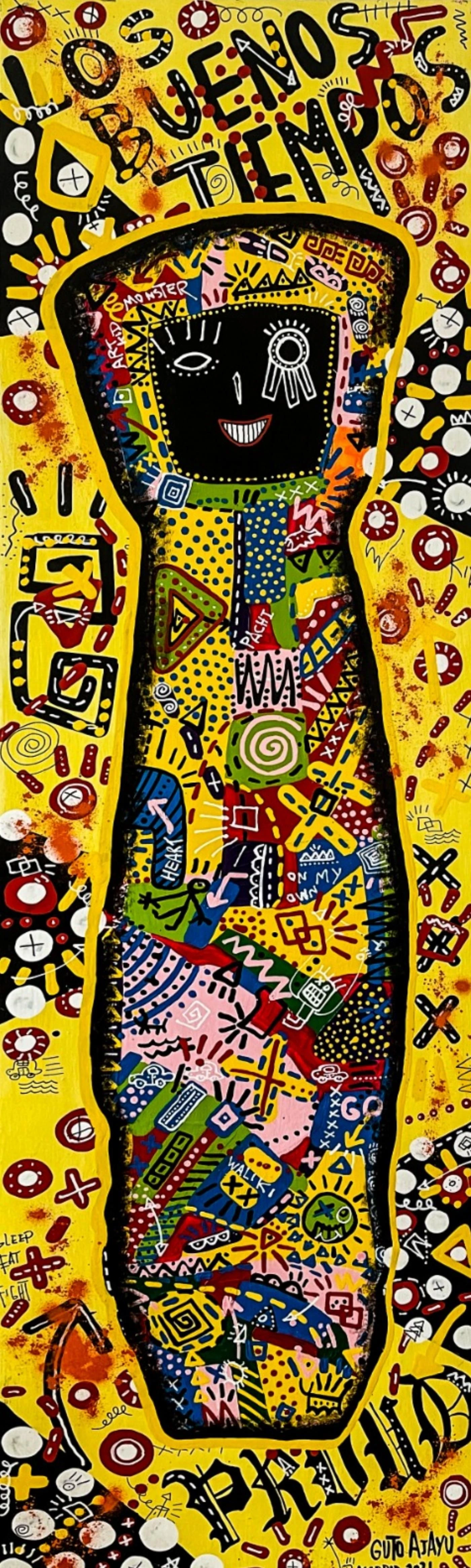
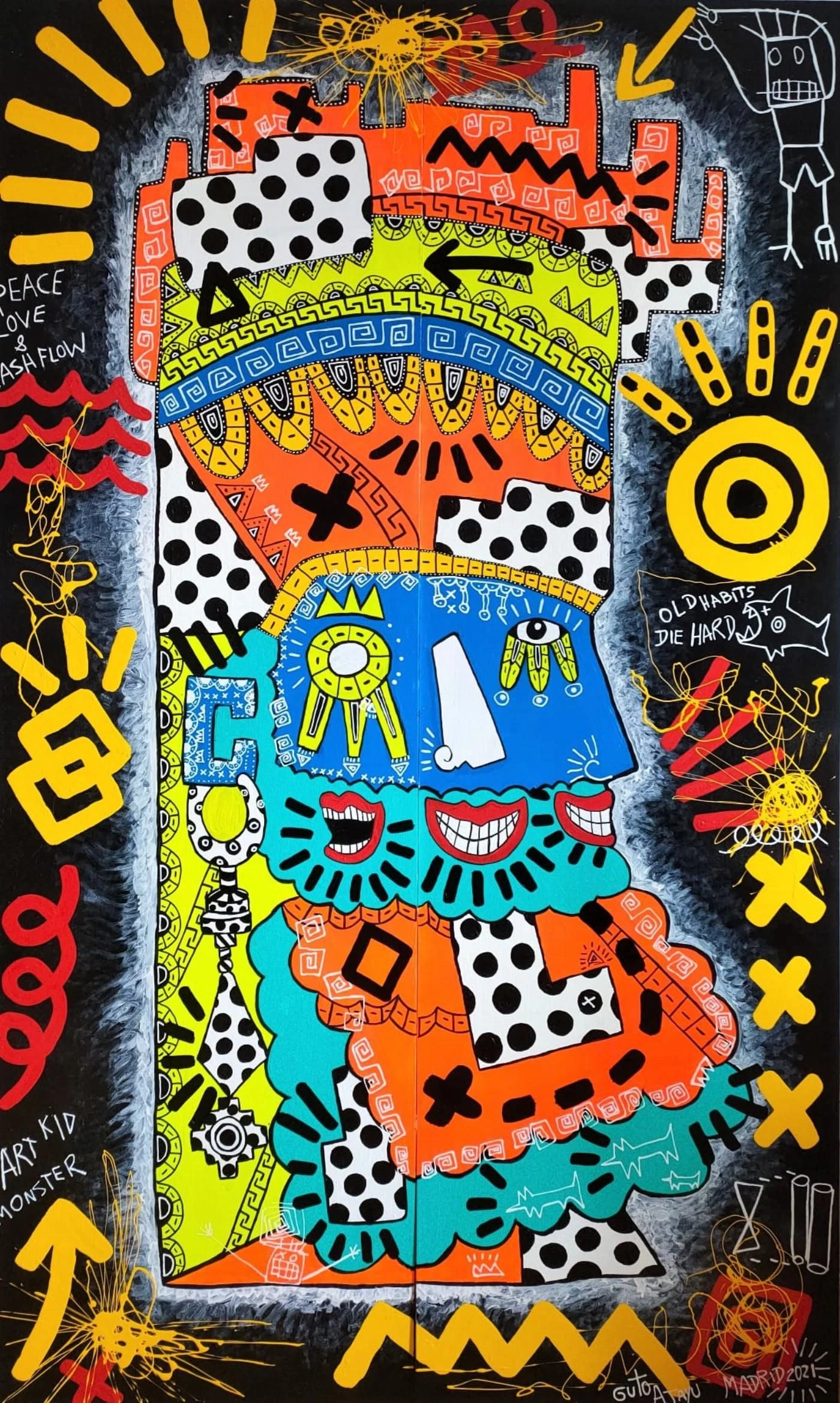
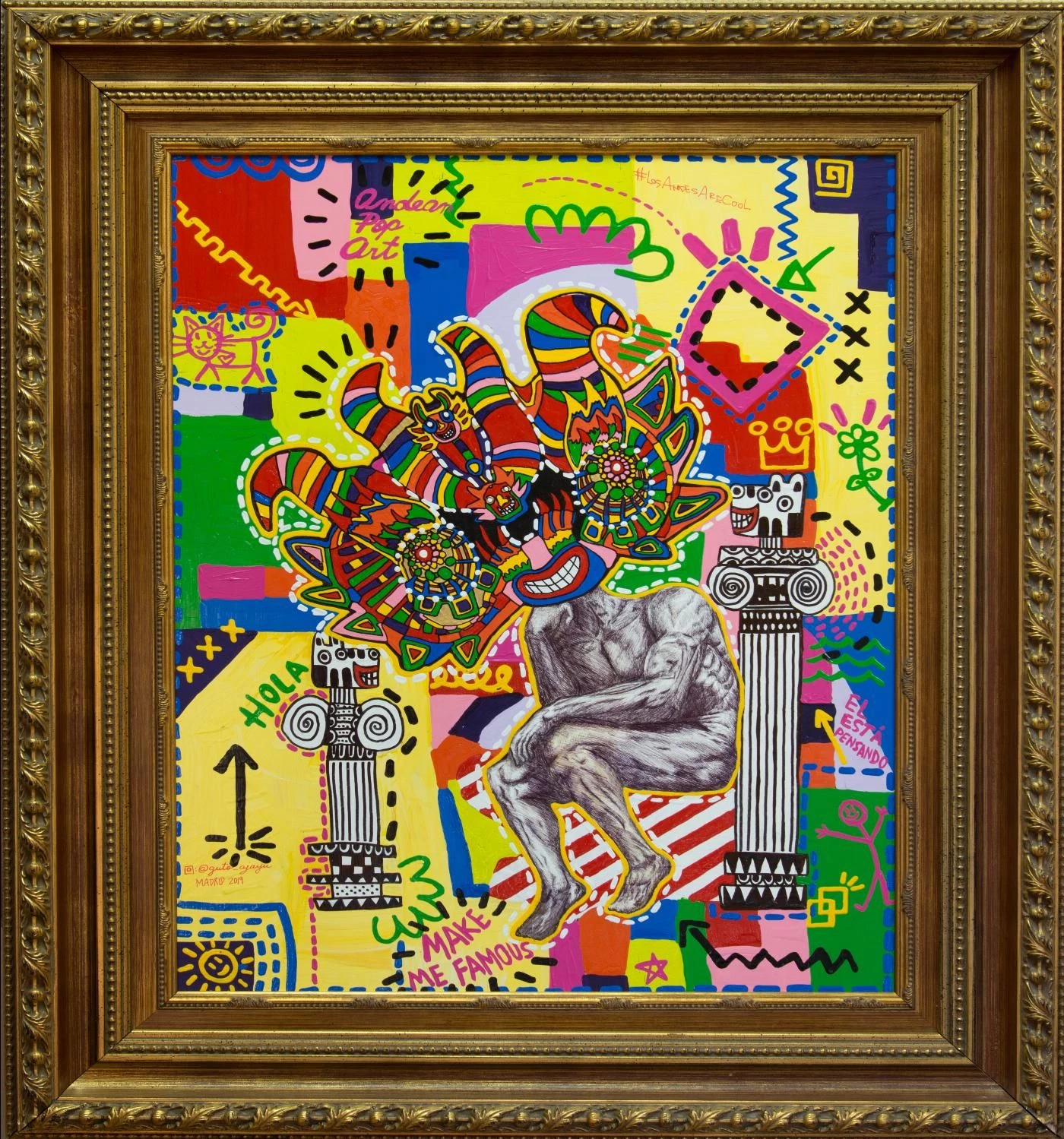
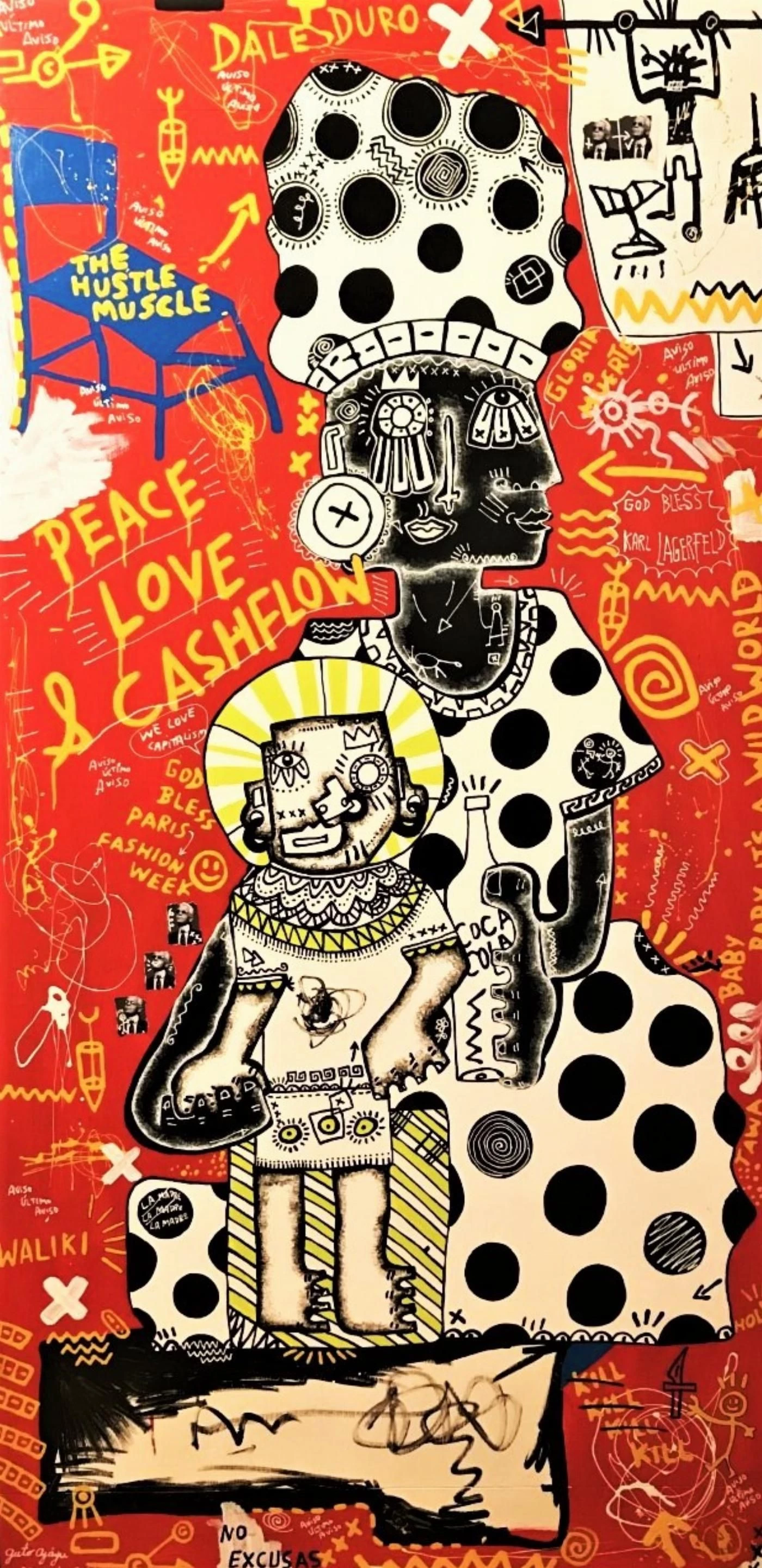
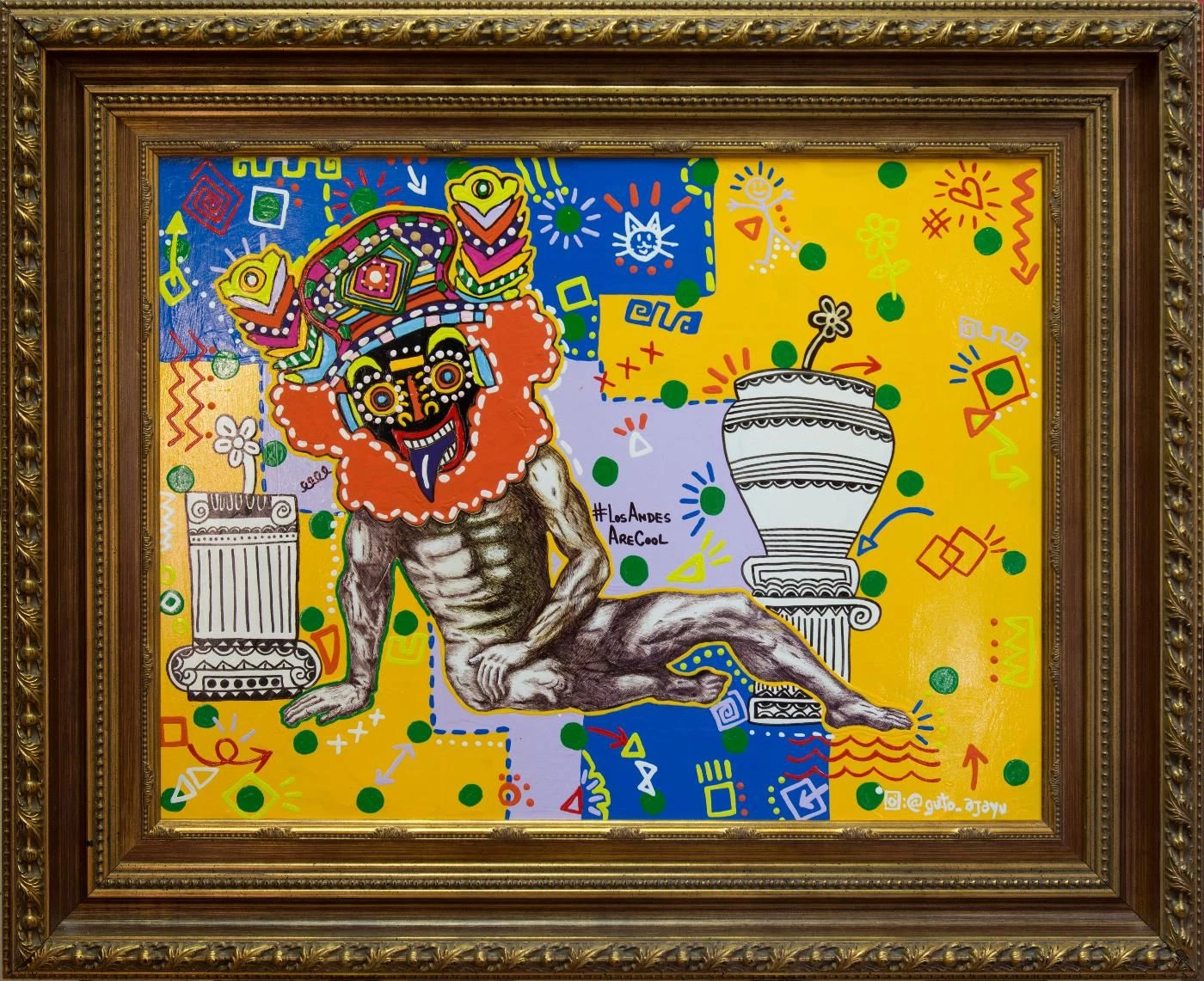
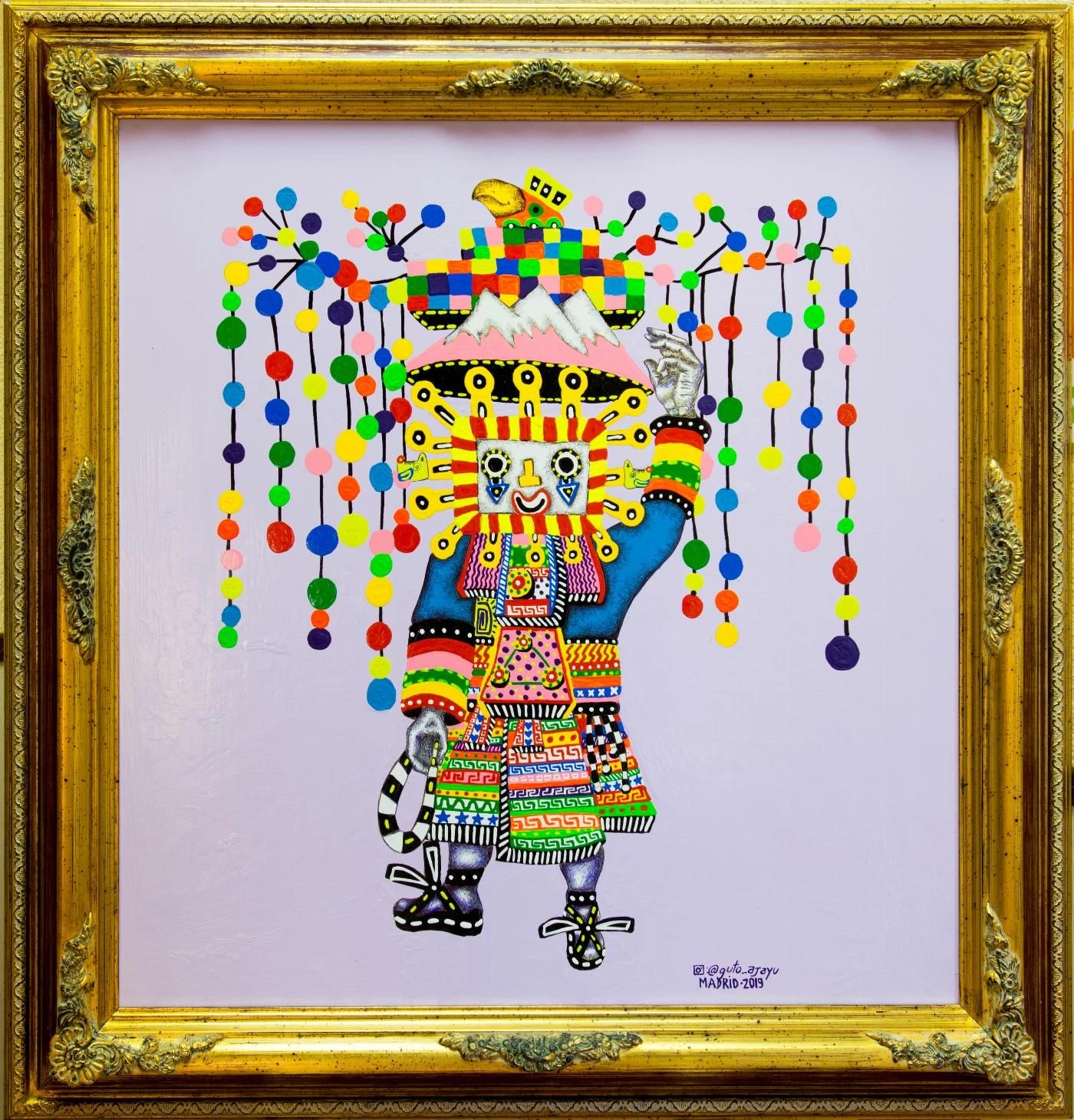
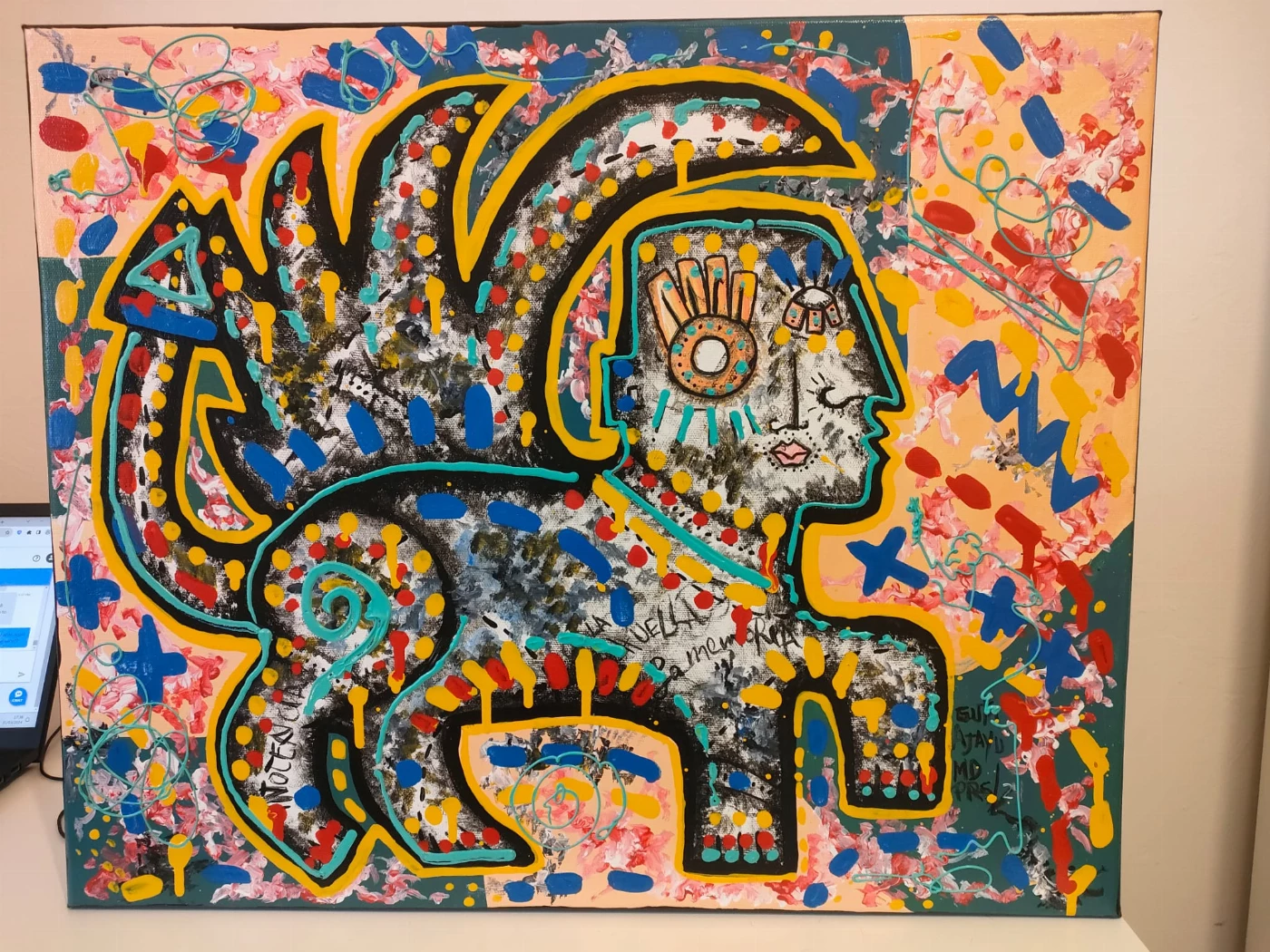
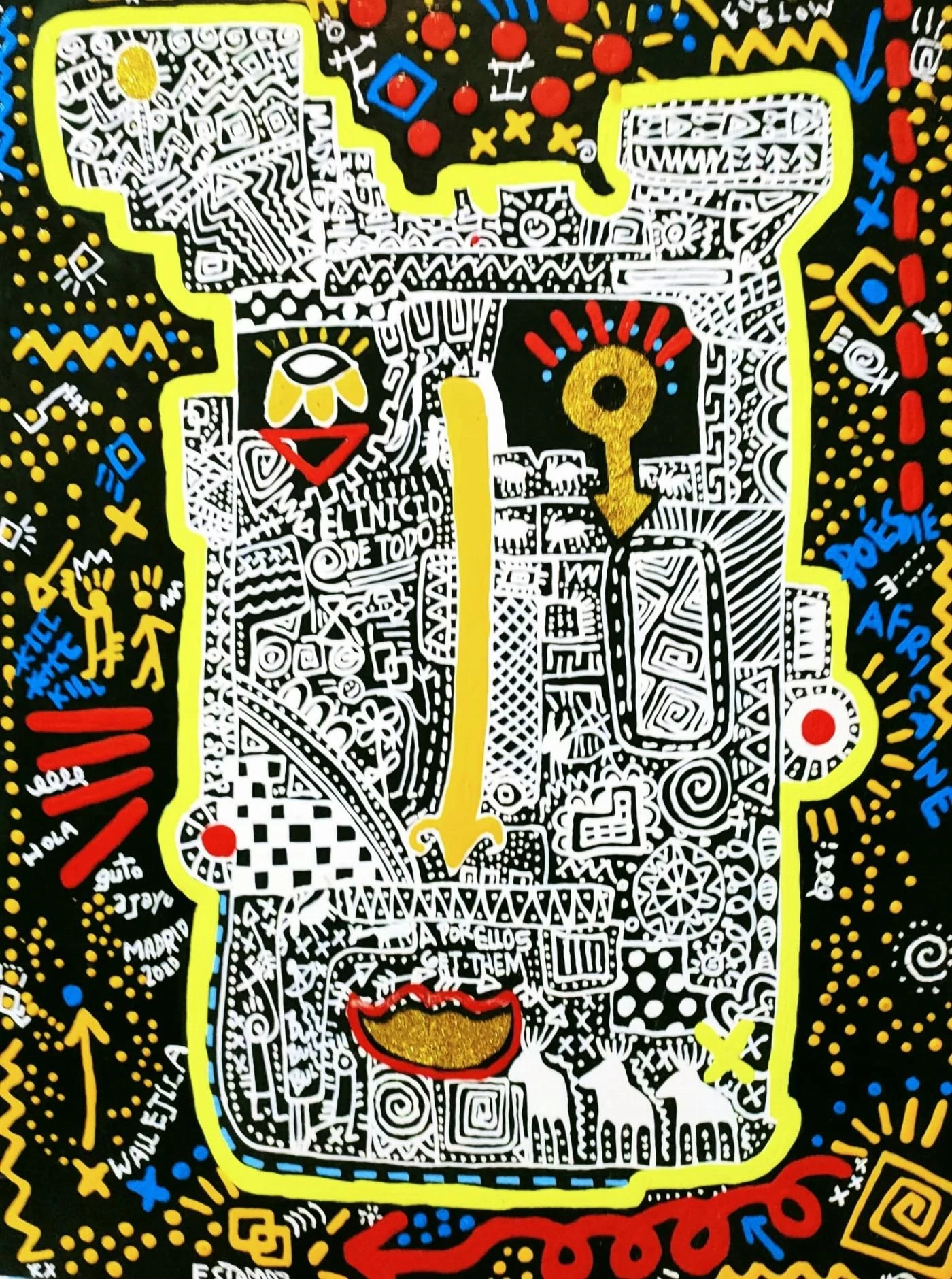
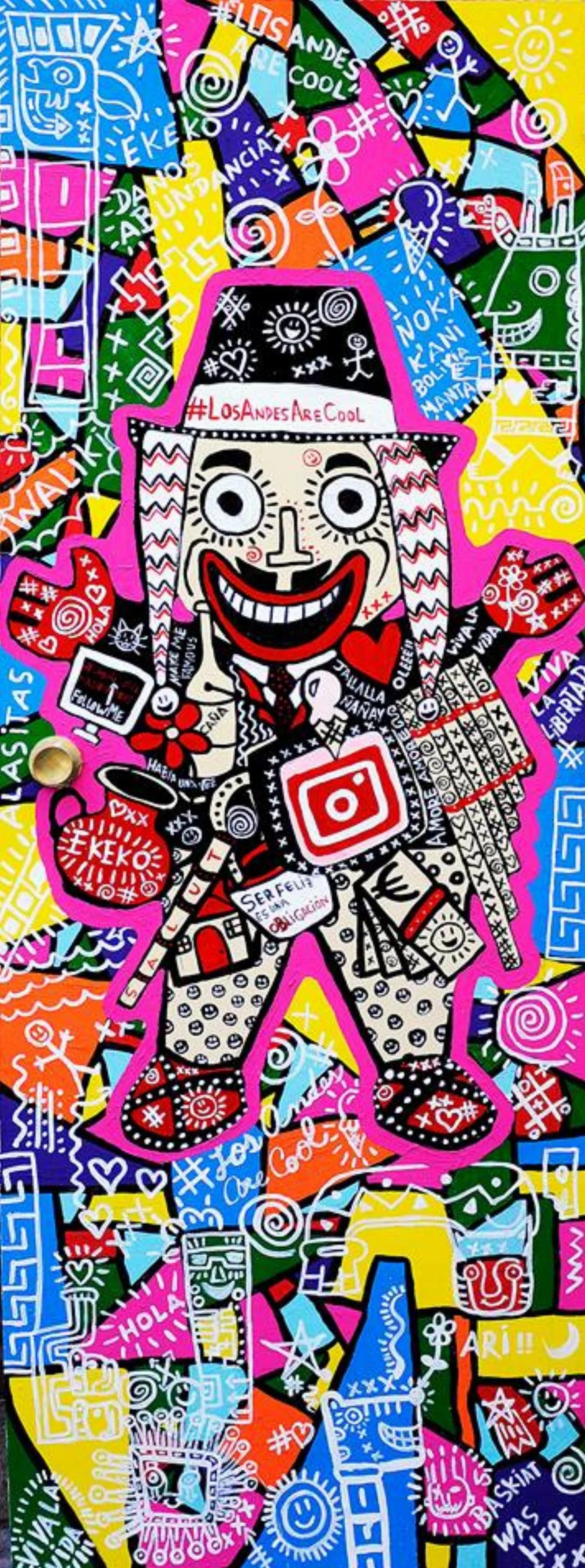
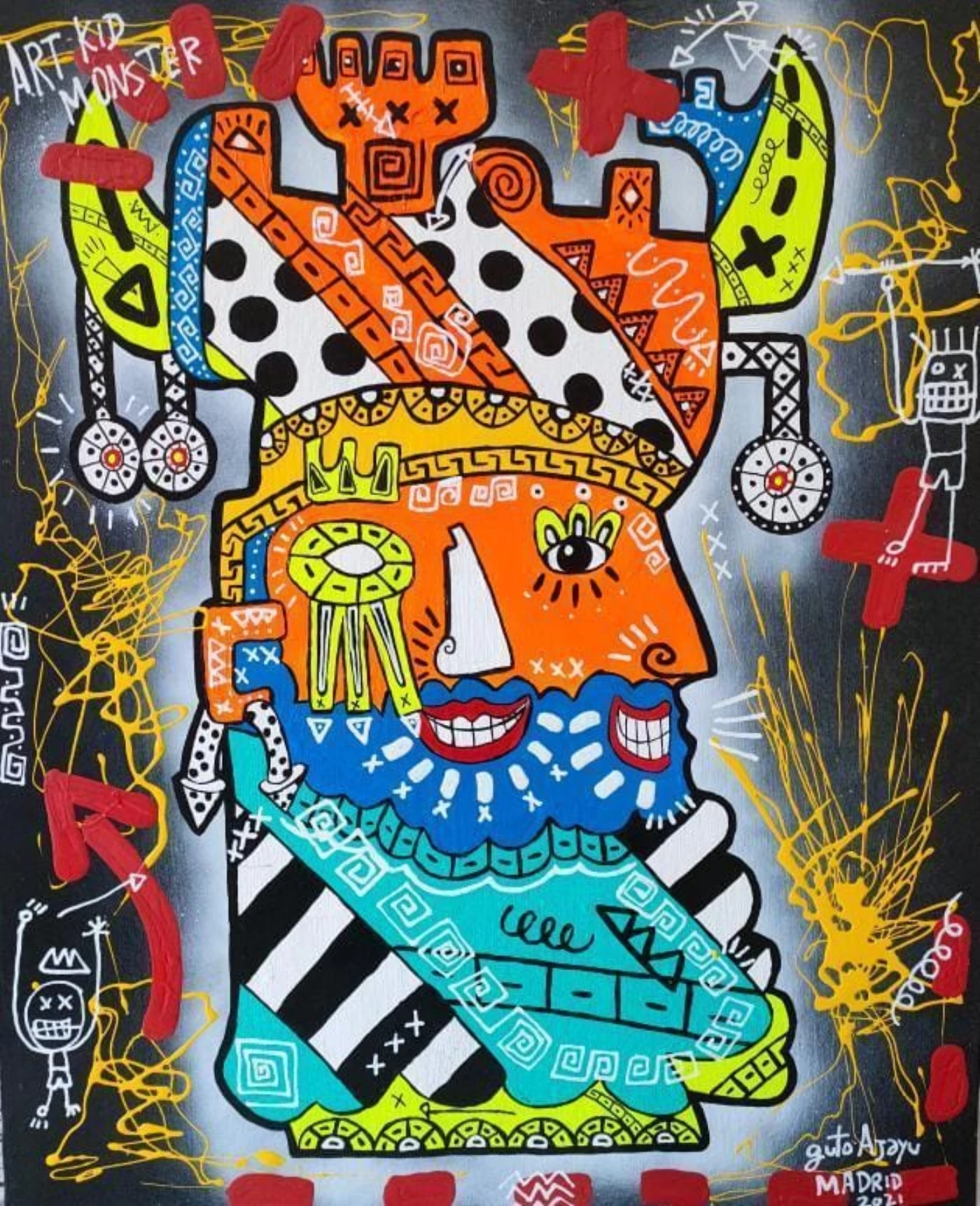
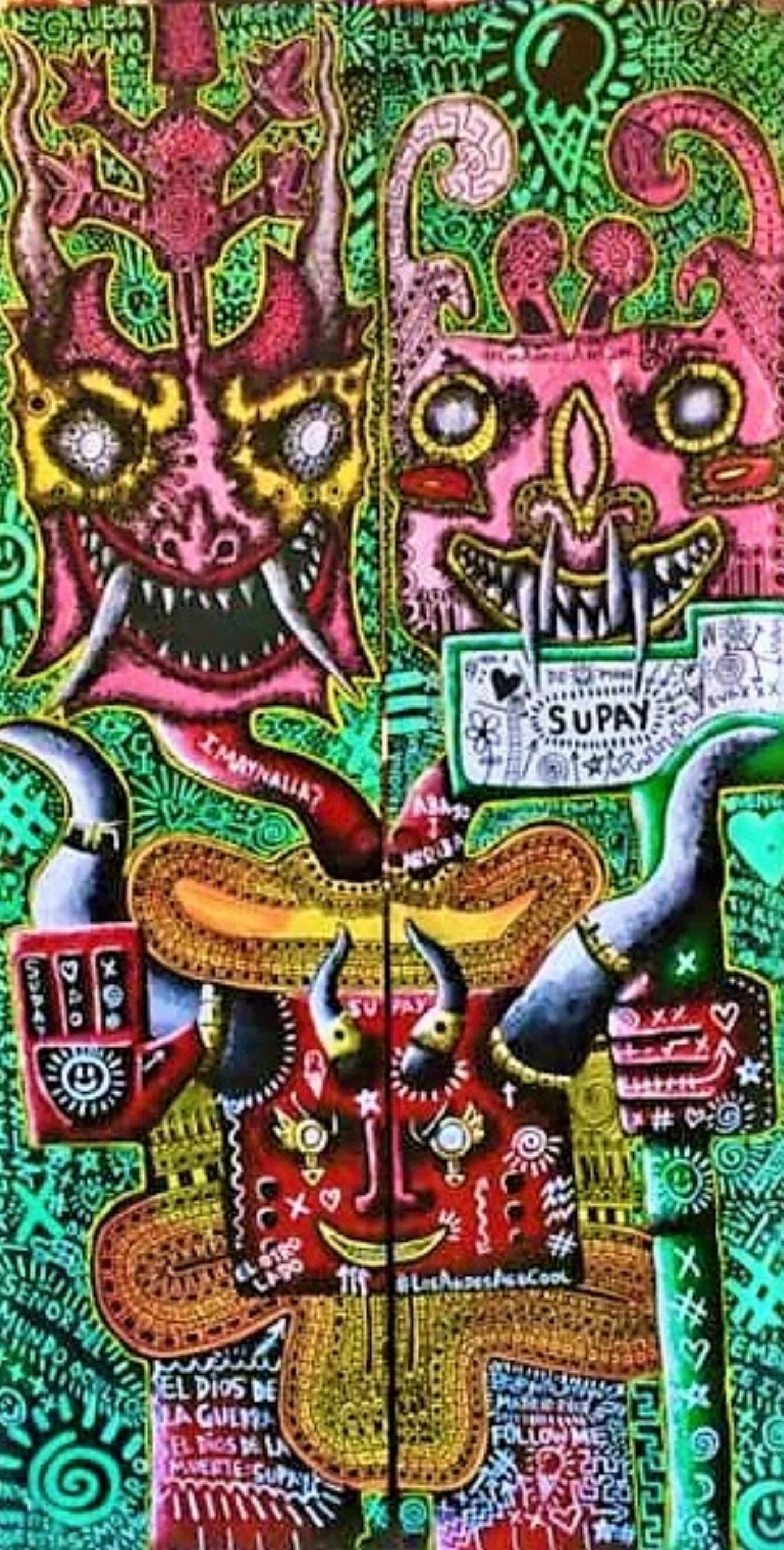
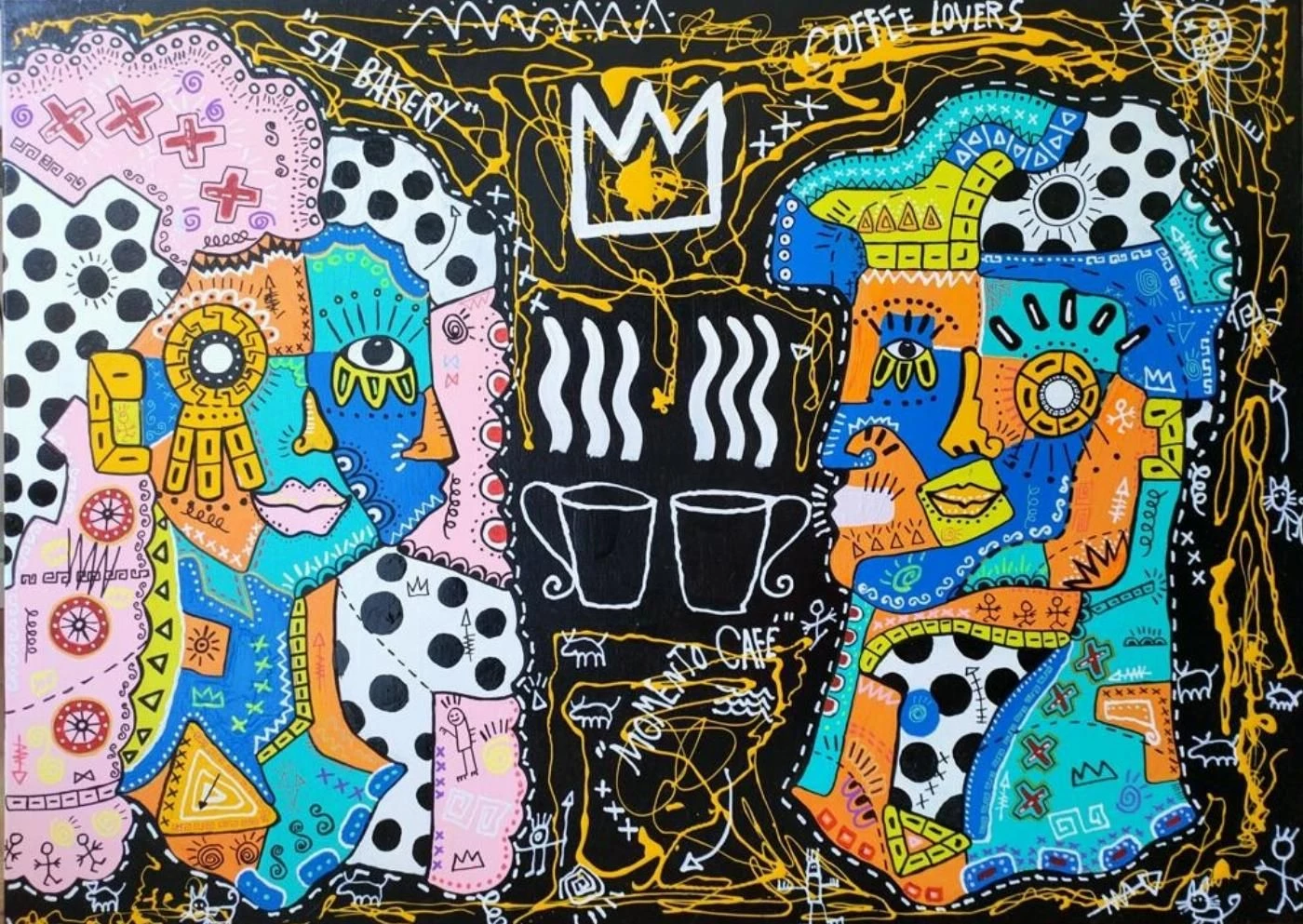
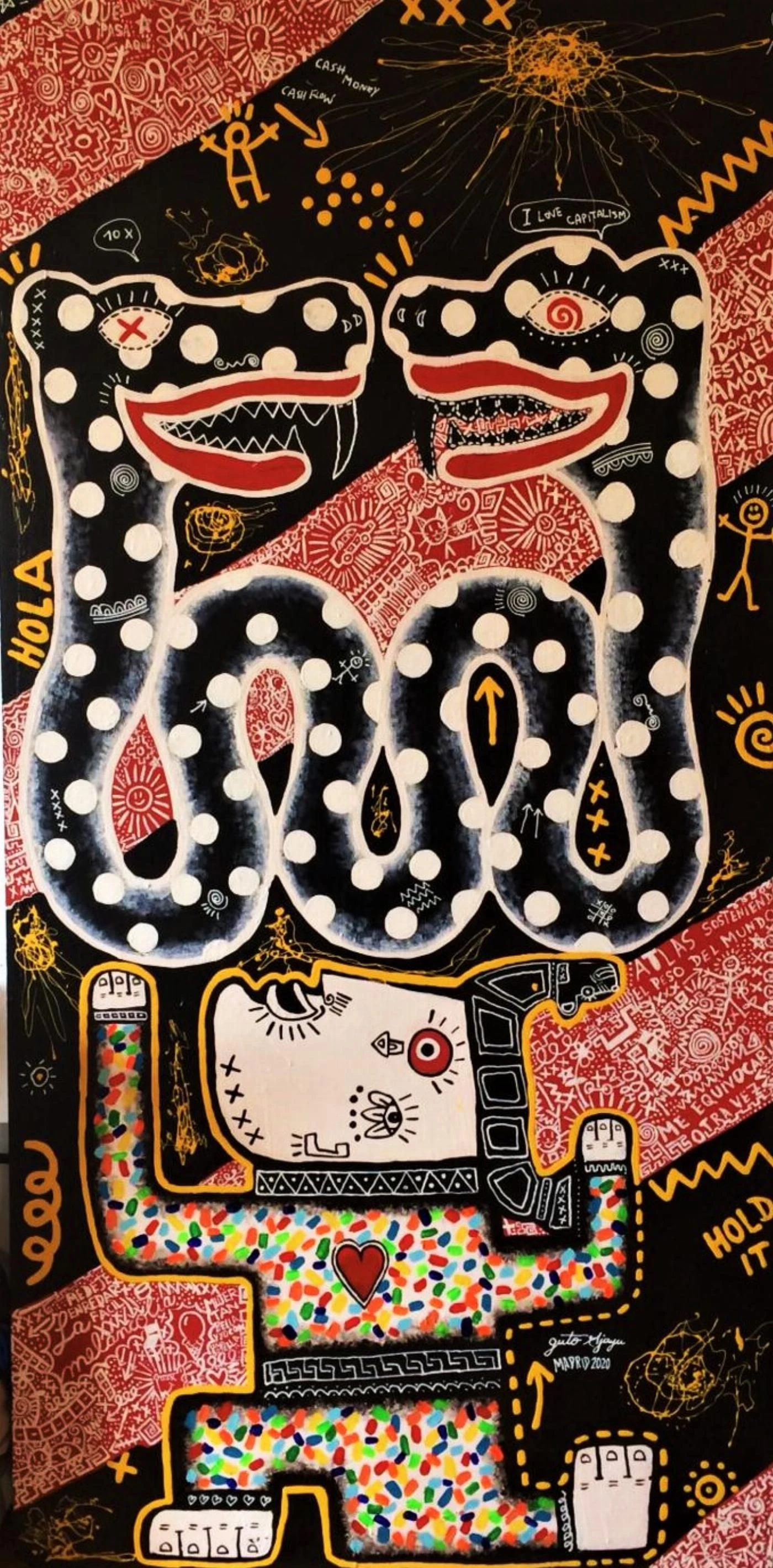
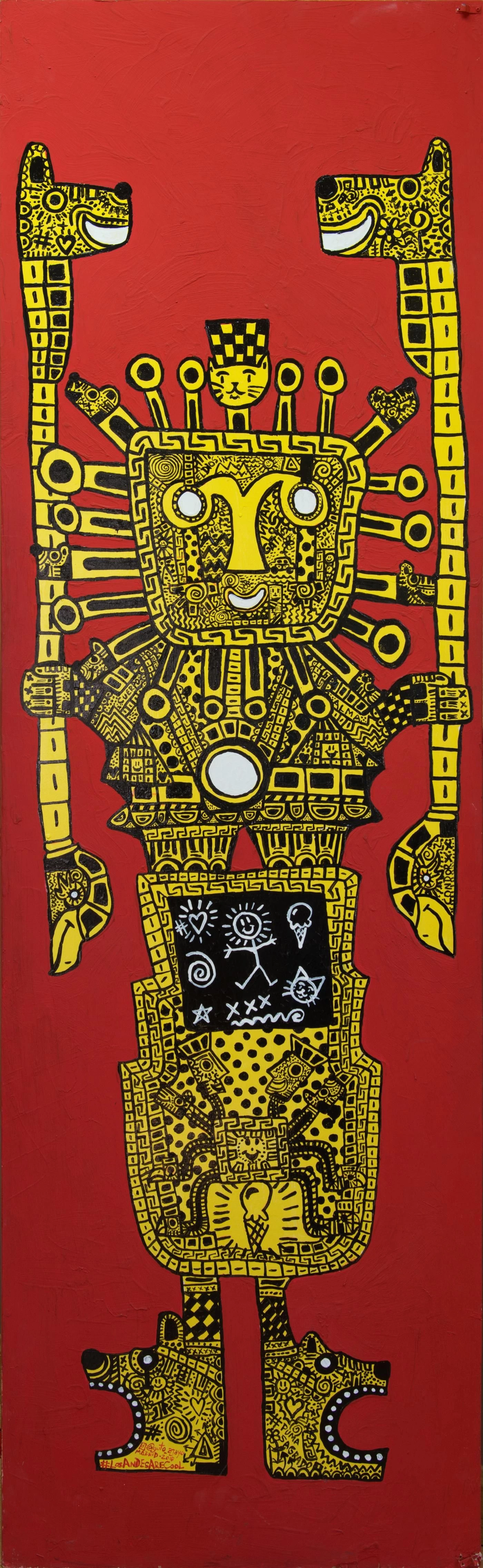
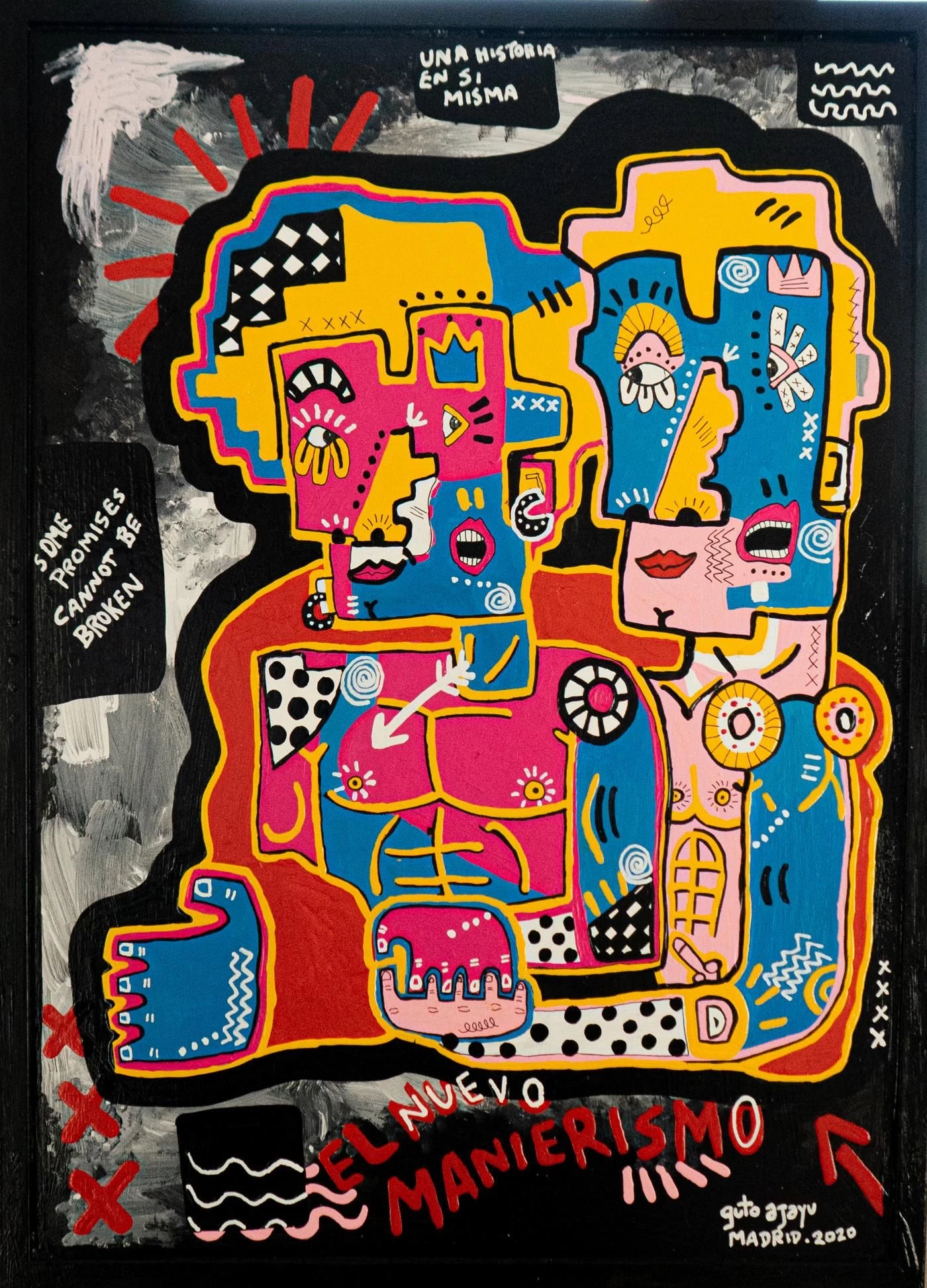
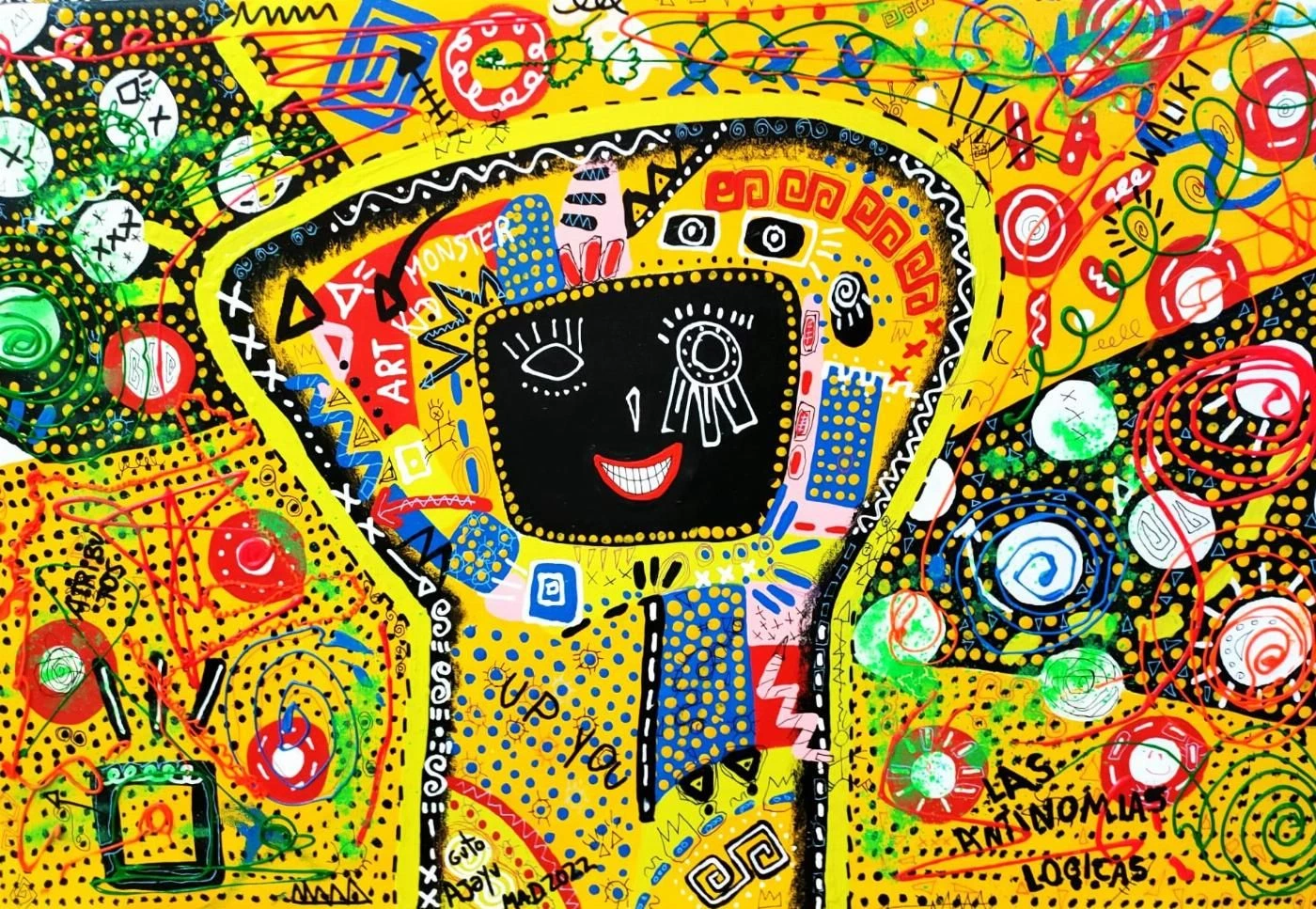
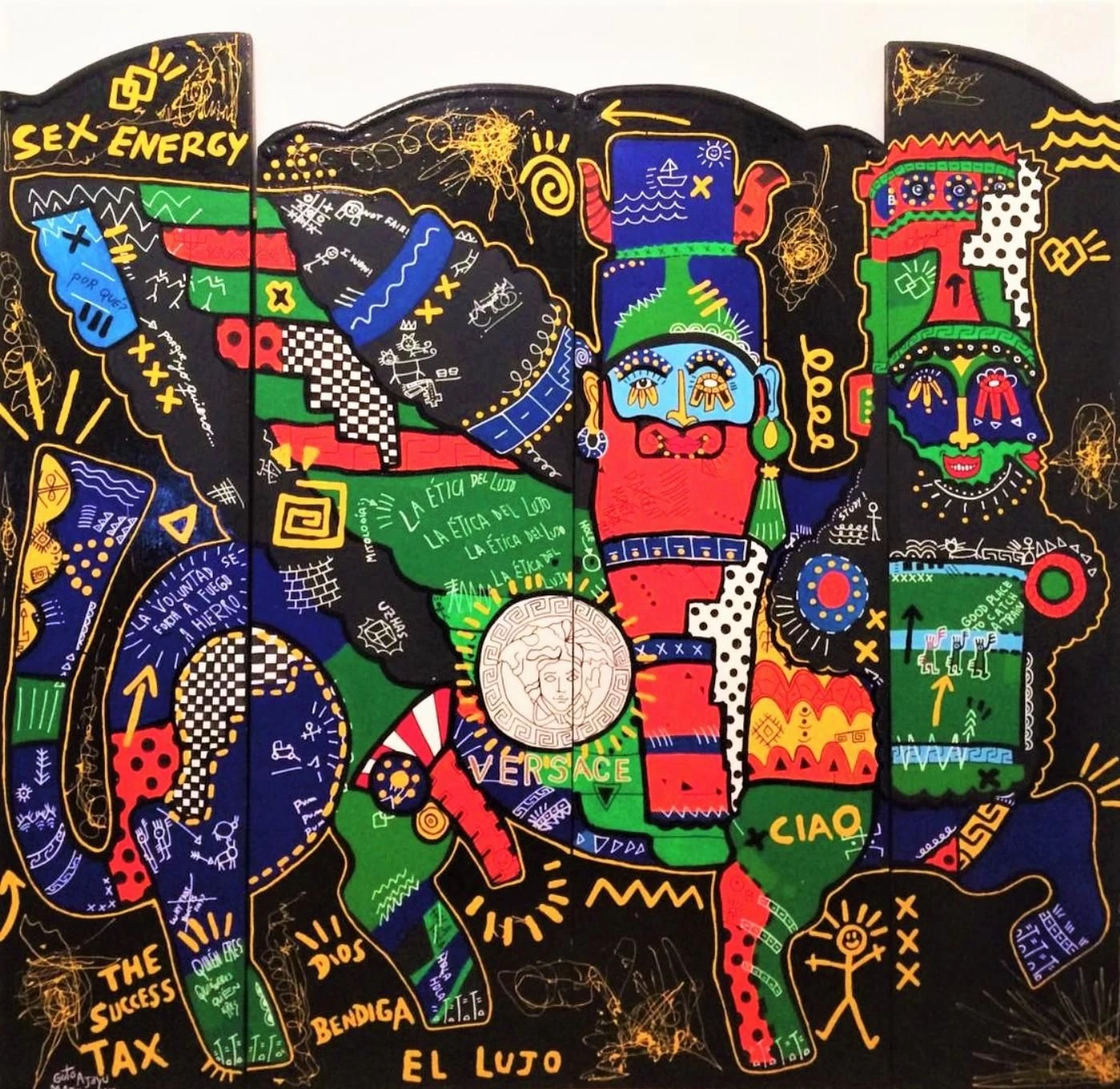
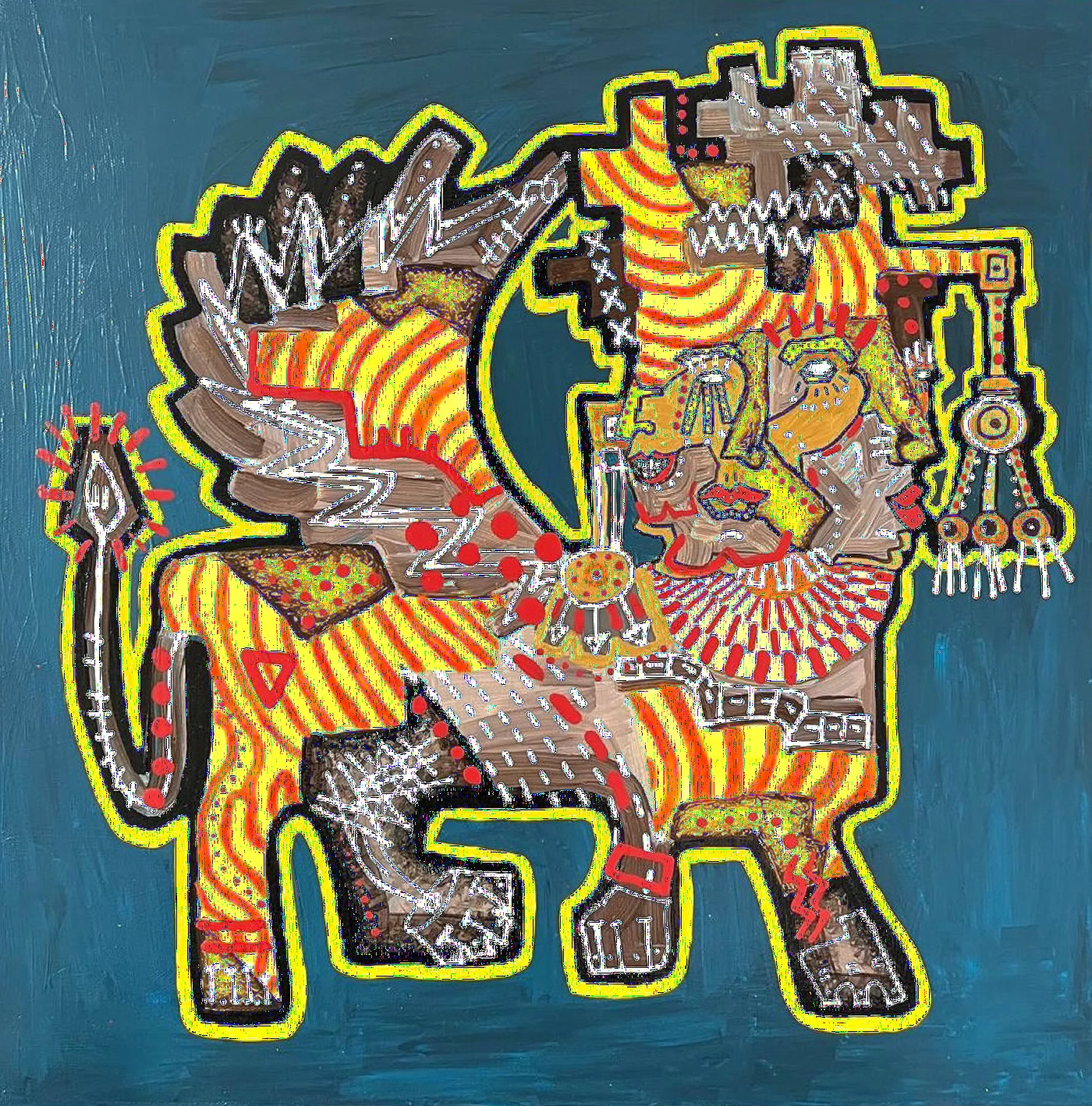
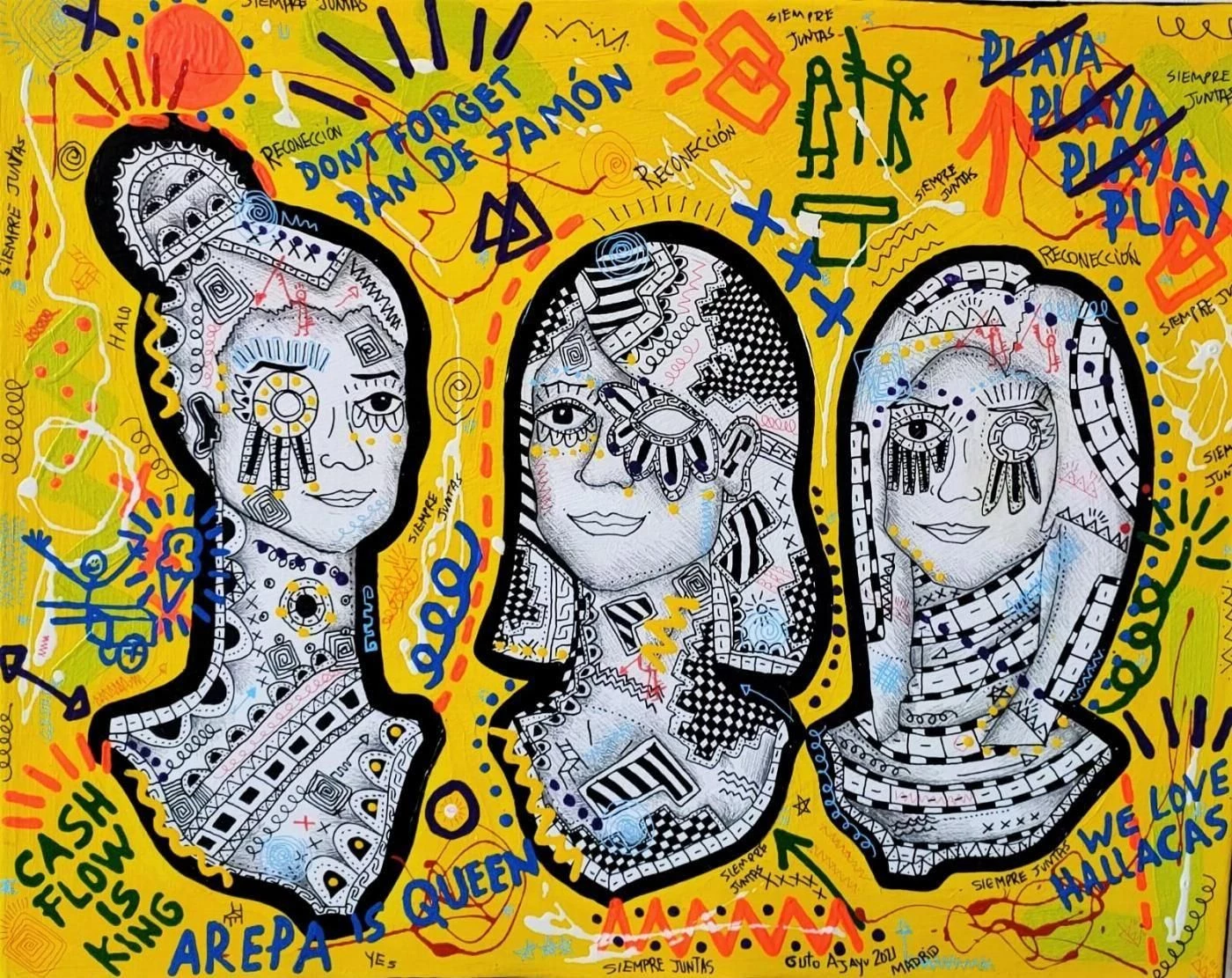
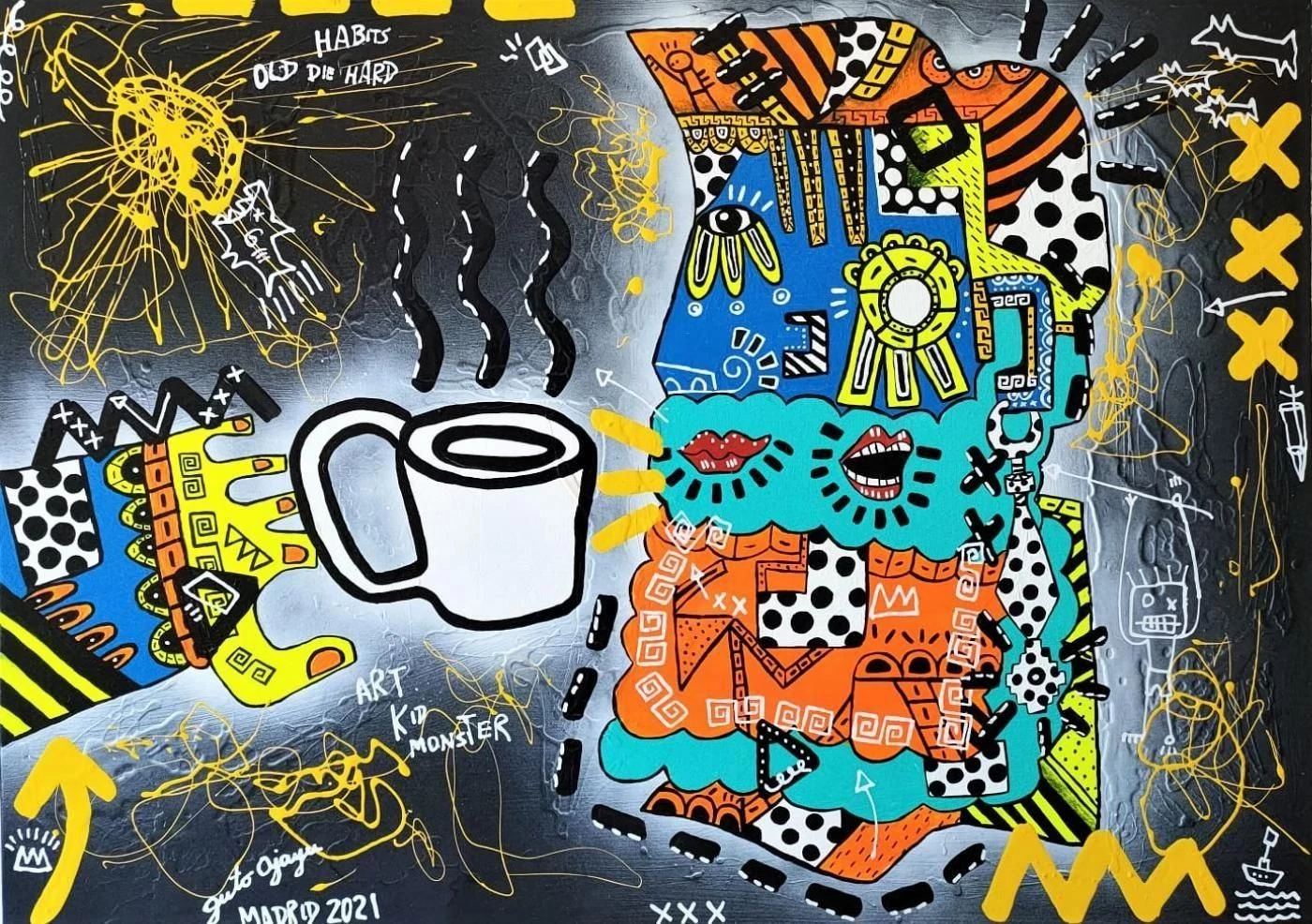
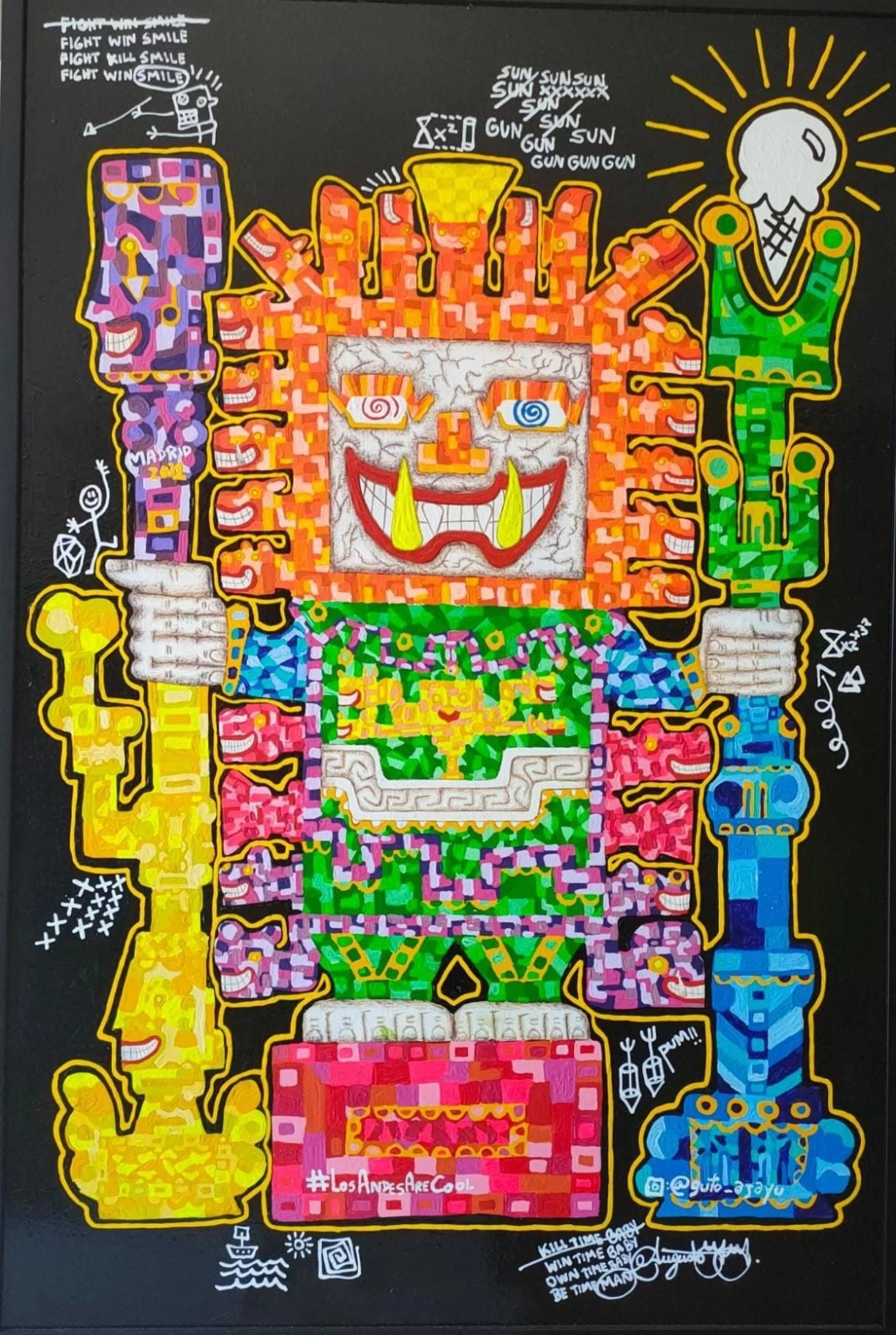
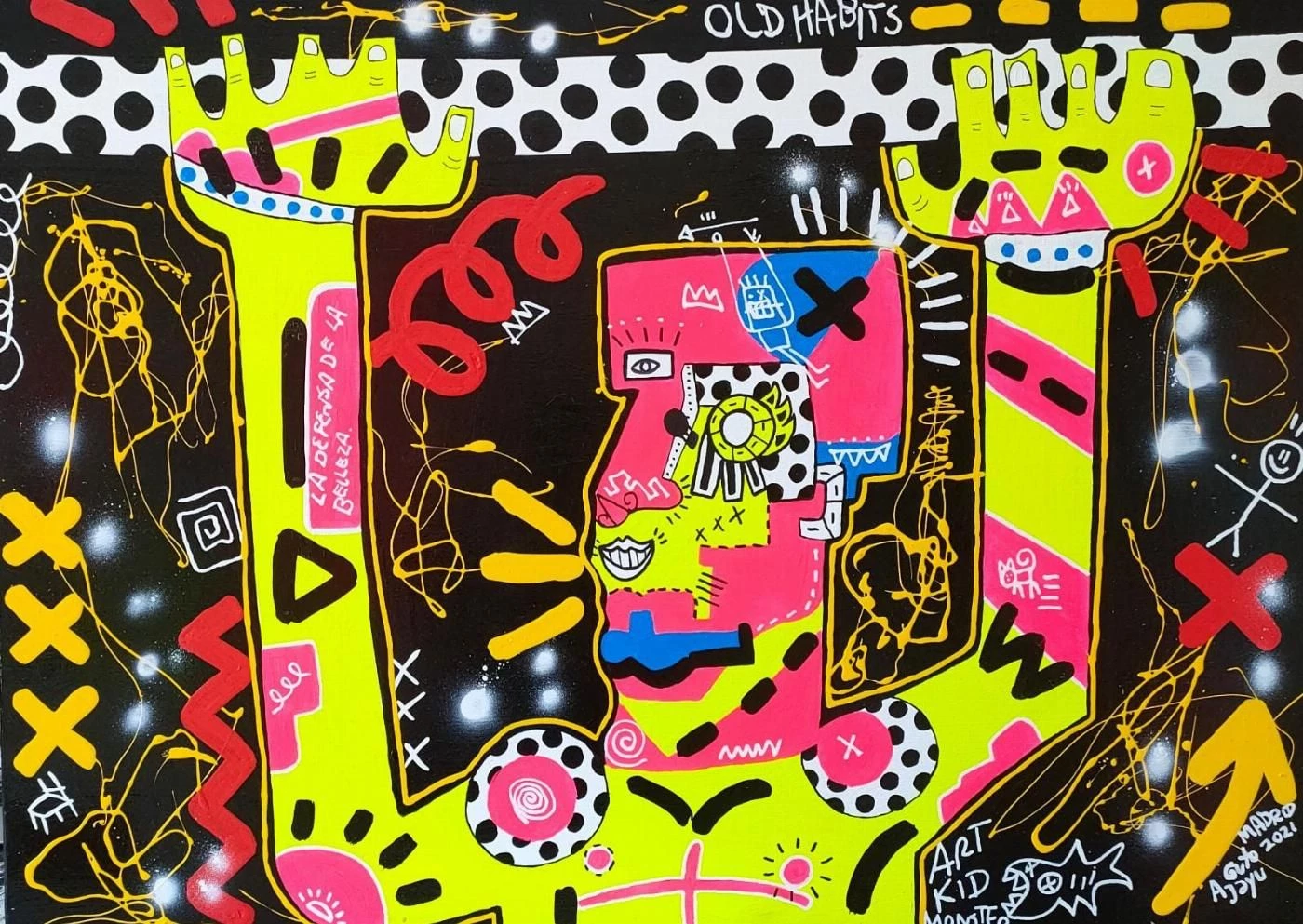
Guto Ajayu (Bolivia–Spain, 1990) is a visceral artist whose practice is articulated around a radical investigation into the animal identity that underlies human nature. His work explores raw qualities such as aggression, sexual impulse, violence, and delirium not as deviations, but as constitutive forces of the contemporary subject. From a deeply introspective perspective, his work functions as an exercise in self-analysis and confrontation with those primary instincts that persist in genetic and cultural memory, conditioning our ways of being and relating to each other. Trained in a turbulent social context and symbolically linked to totemic territories, he constructs an imaginary where the body is presented as a space of truth and knowledge. Strength and aggression appear in his practice not as gestures of domination, but as states of extreme lucidity and presence. He vindicates the figure of the dangerous and tempered individual, one who has traversed their own limits and recognizes in the wild a lucid and sacred condition. The totem acts as a symbolic axis connecting animality, myth, and ritual, giving rise to dystopian counter-narratives charged with irony, new symbolism, and a marked urban aesthetic. Physical action—tension, the blow, the effort—acquires a ceremonial character in his work, a direct and non-discursive liturgy where the body affirms its presence as a place of experience. Through these gestures, Ajayu proposes a radical way of being in the world, in which the wild becomes an aesthetic of instinct and a critical tool against the fragility of the contemporary subject. He has exhibited in institutions such as the Venice Biennale, the National Museum of Art of Bolivia, the Tambo Quirquincho Museum, the Museum of the Ducal Palace of Medinaceli, the Royal Academy of Art in London, and the Conde Duque Center, as well as in galleries and international fairs in cities such as Paris, London, Hong Kong, Madrid, Mexico City, Amsterdam, Rome, Monaco, and La Paz. His work is part of public and institutional collections of the Plurinational State of Bolivia and numerous private collections in Europe, America, Asia, and Oceania.
Discover the visual universe of Guto Ajayu
Explore the career, works, and analysis that define Guto Ajayu's trajectory