Global score
The artist’s overall score out of 10, weighted across quality, market, potential and validation.
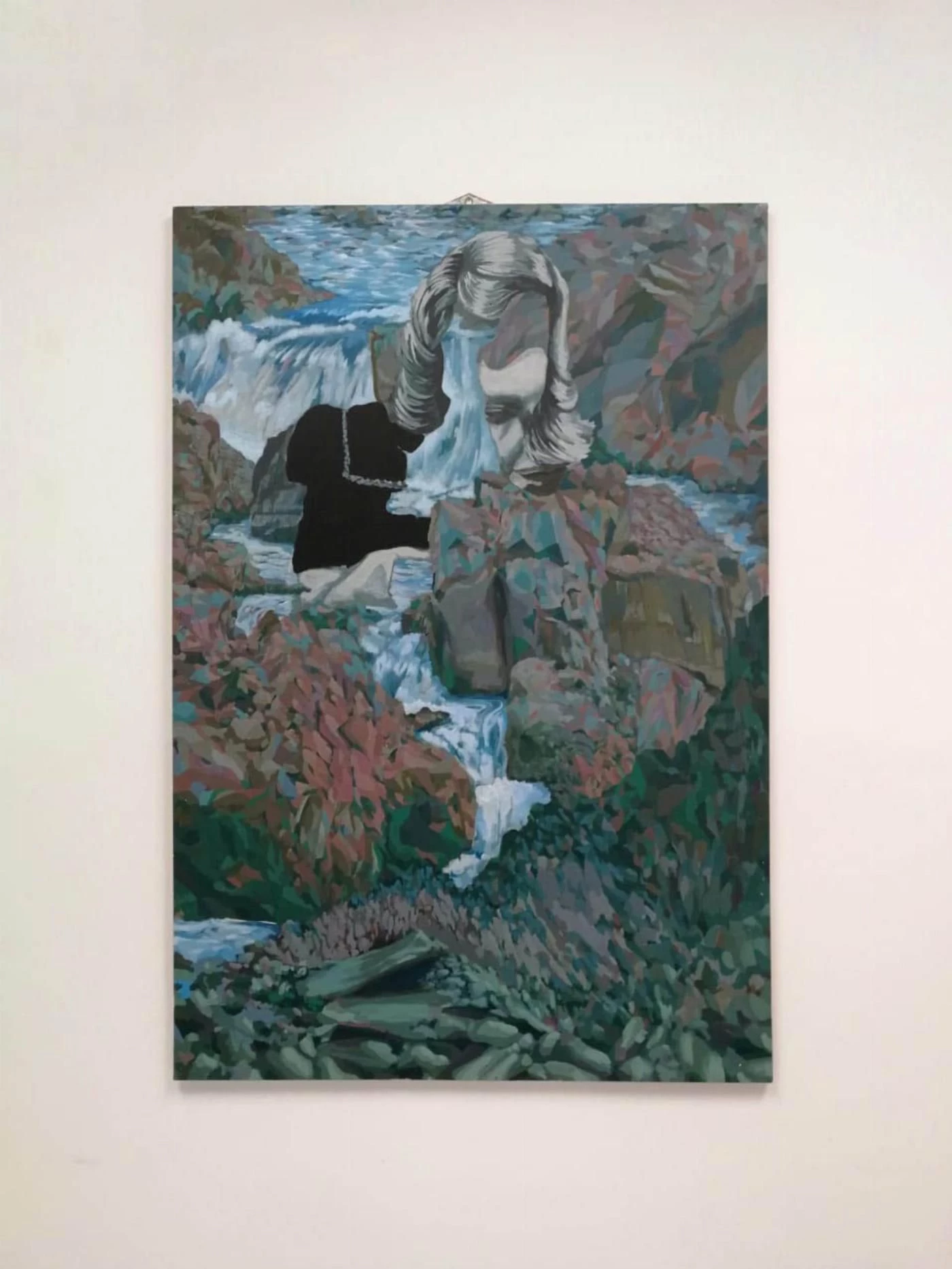
A vibrant exploration of perception, Monge's pop-infused paintings invite viewers to question vision with a childlike, unfiltered gaze.
Saisho Intelligence
The artist’s overall score out of 10, weighted across quality, market, potential and validation.
Classification of the artist based on the balance between quality and market.
Reliability level of the scoring based on the available data.
Relationship between Saisho and the artist.
Key readings on the artist’s current position and remaining trajectory.
Specific milestones or risks to monitor over the next 12–24 months.
These factors are analysed in detail in the full report.
Ver informe completo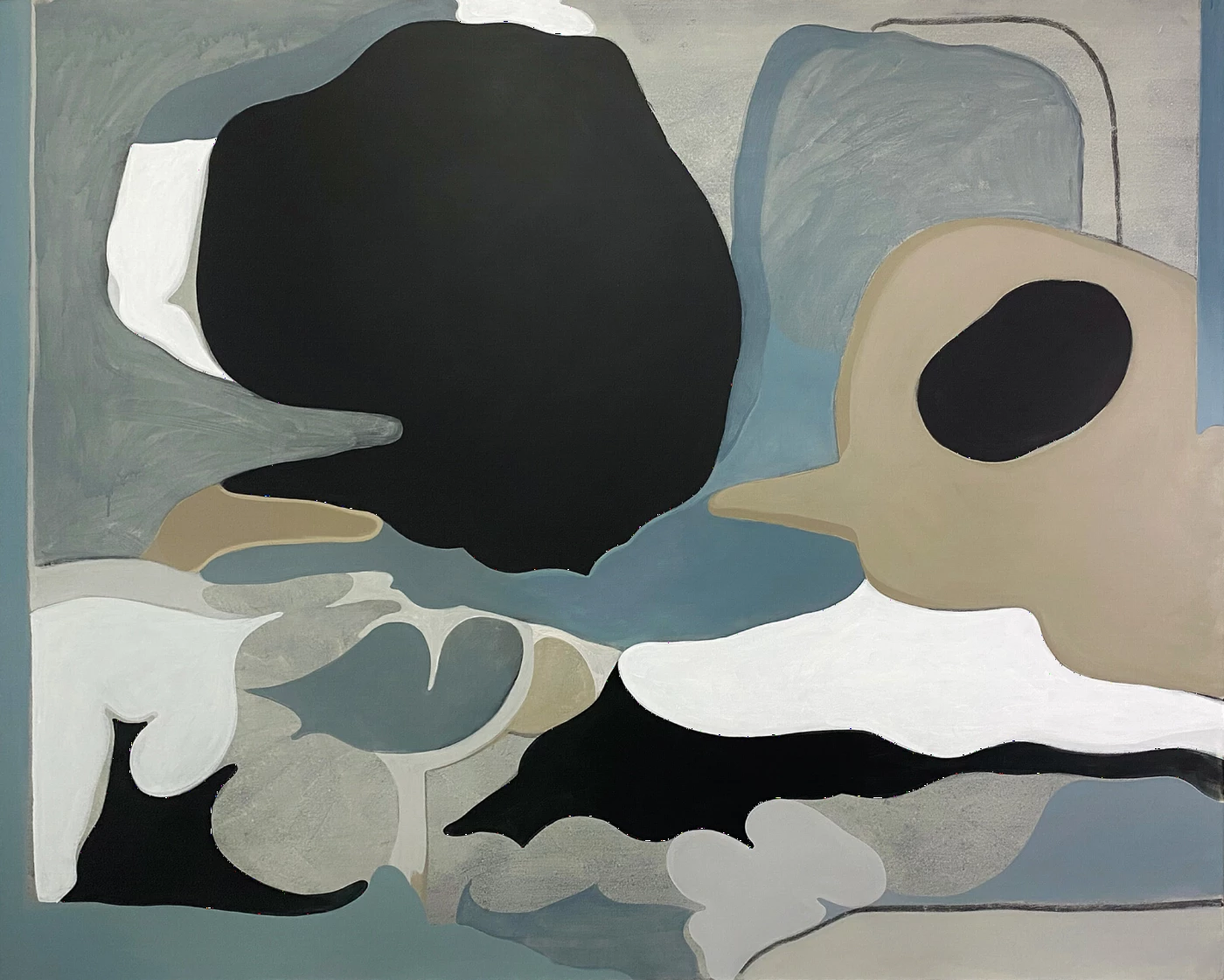
Access detailed scoring, economics and the historical evolution of the artist’s market.
View report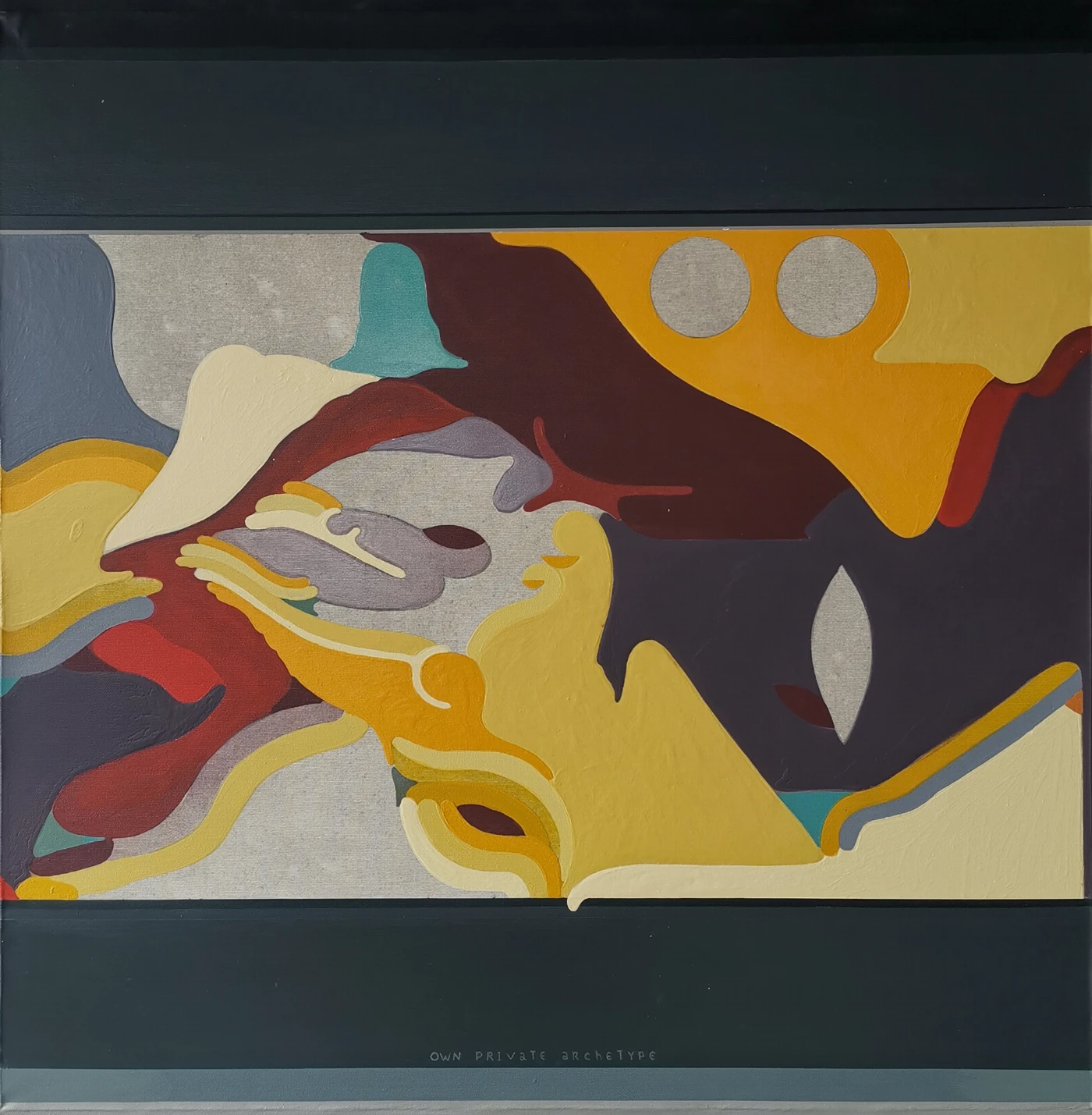
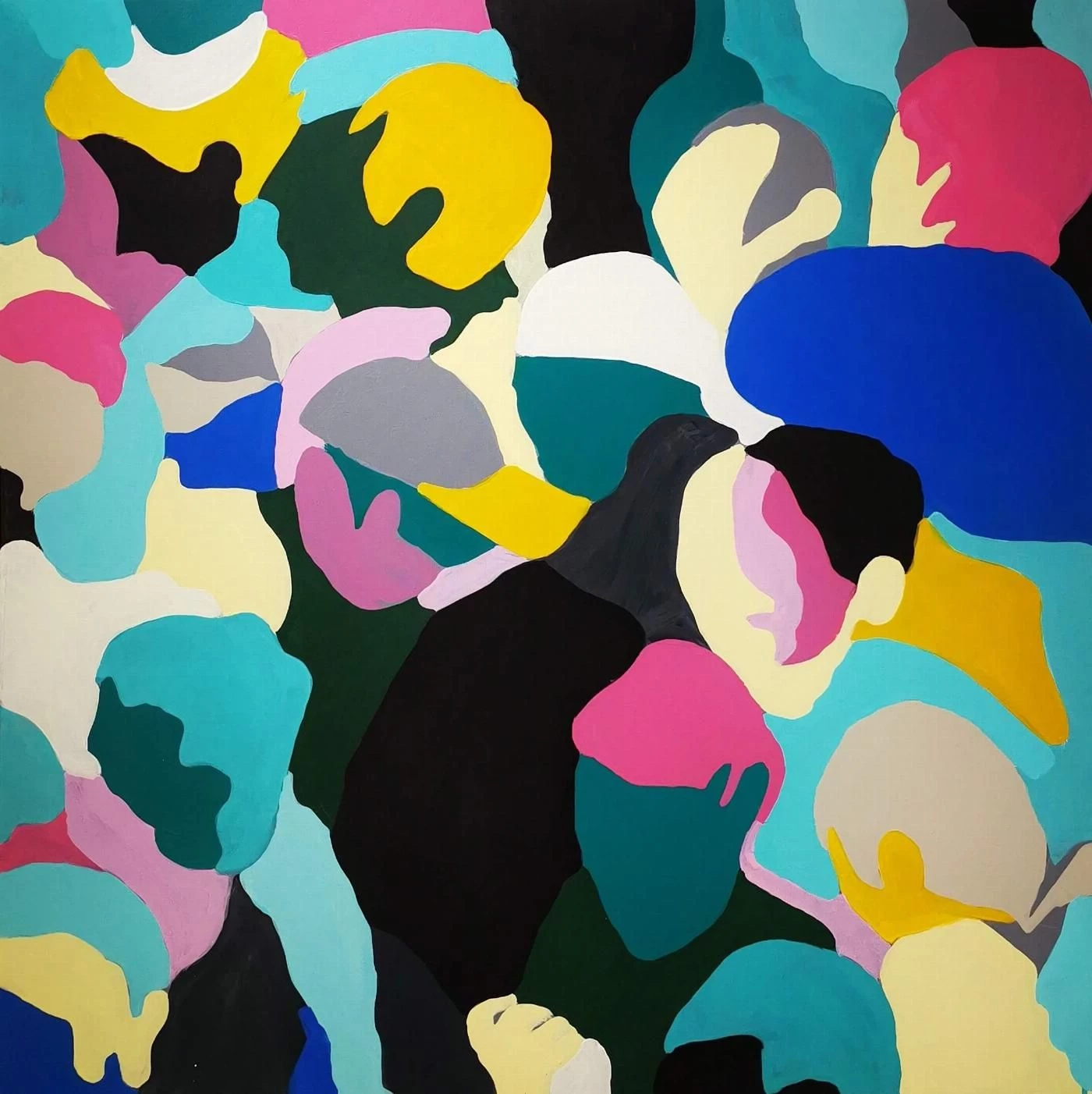
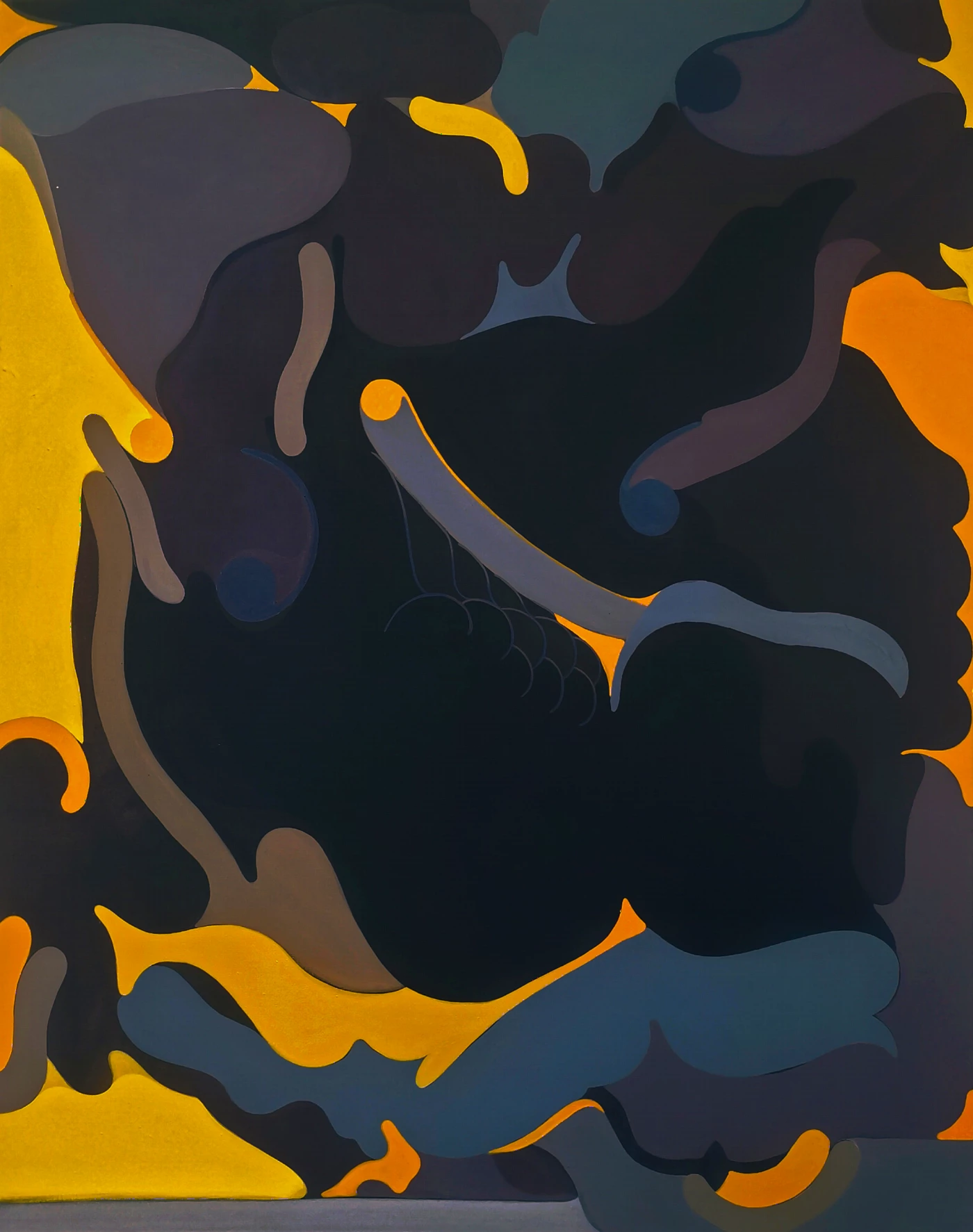
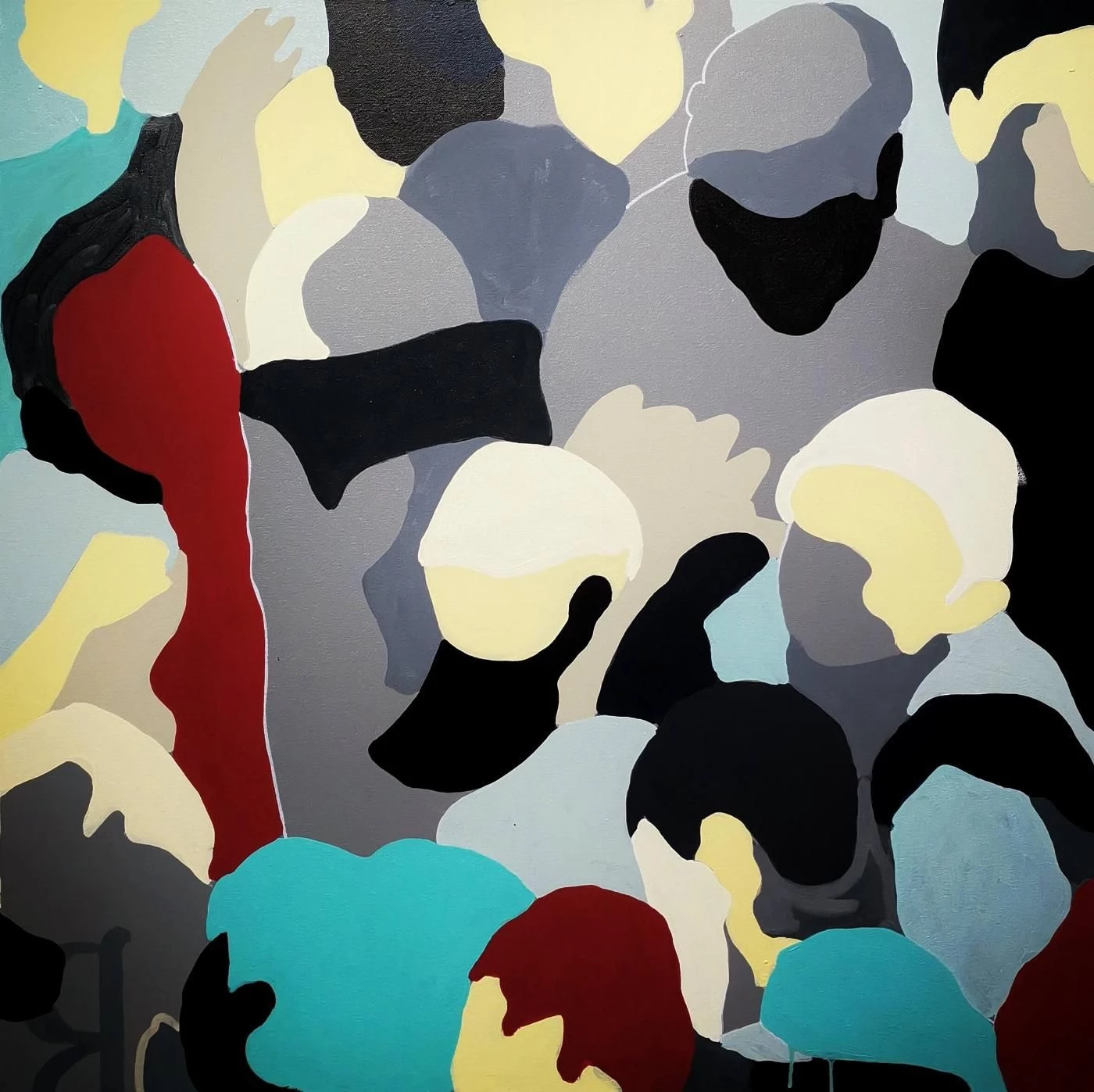
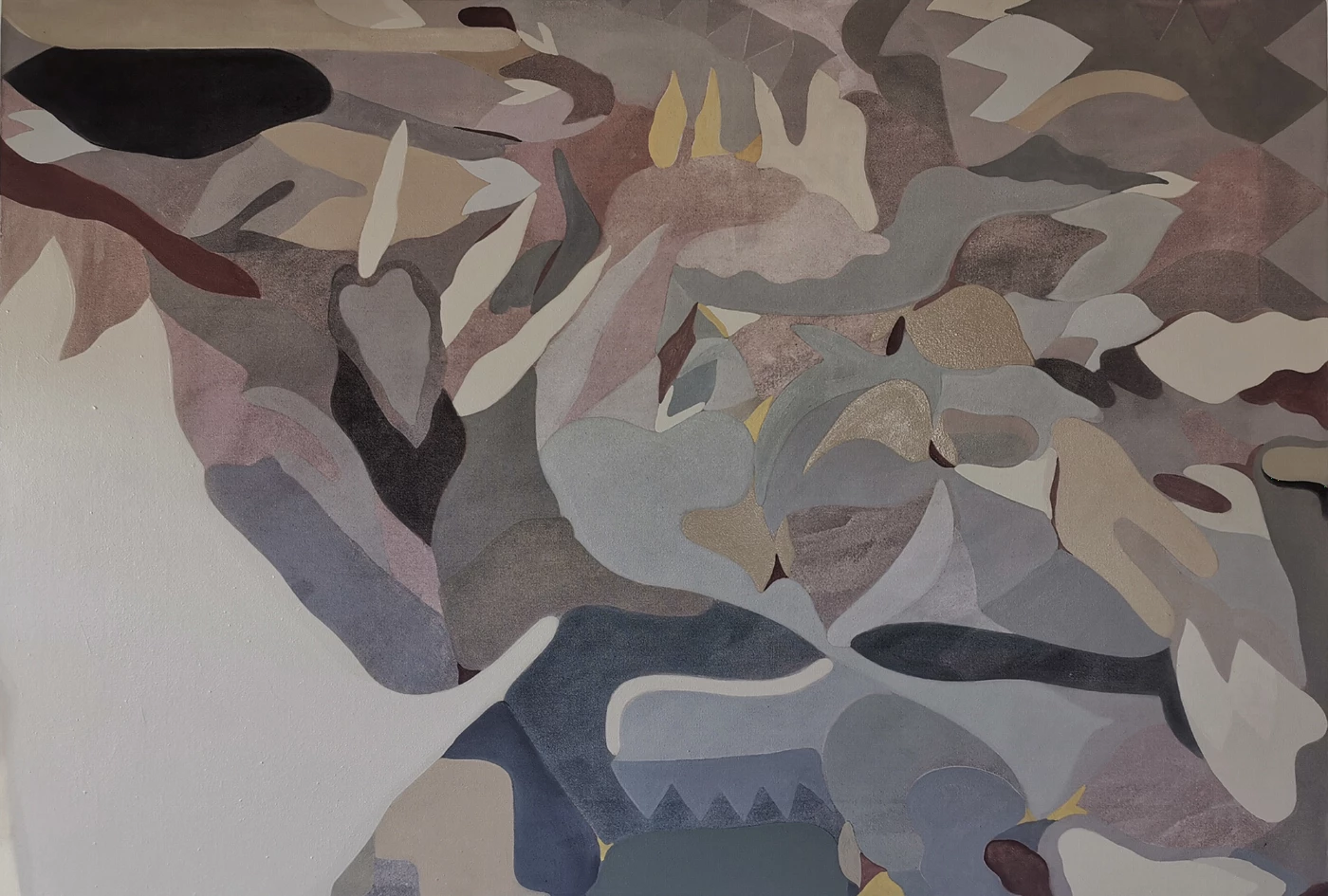
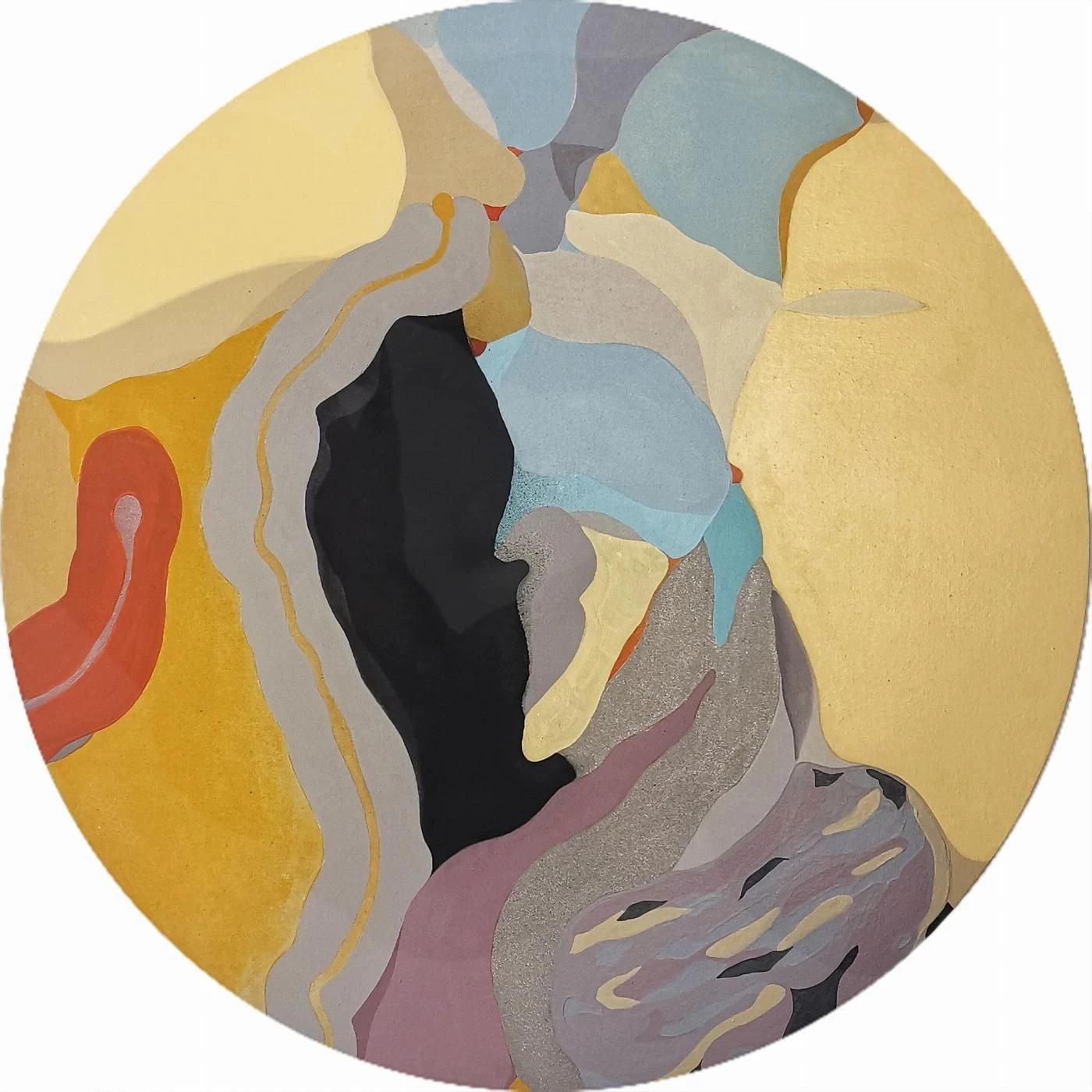
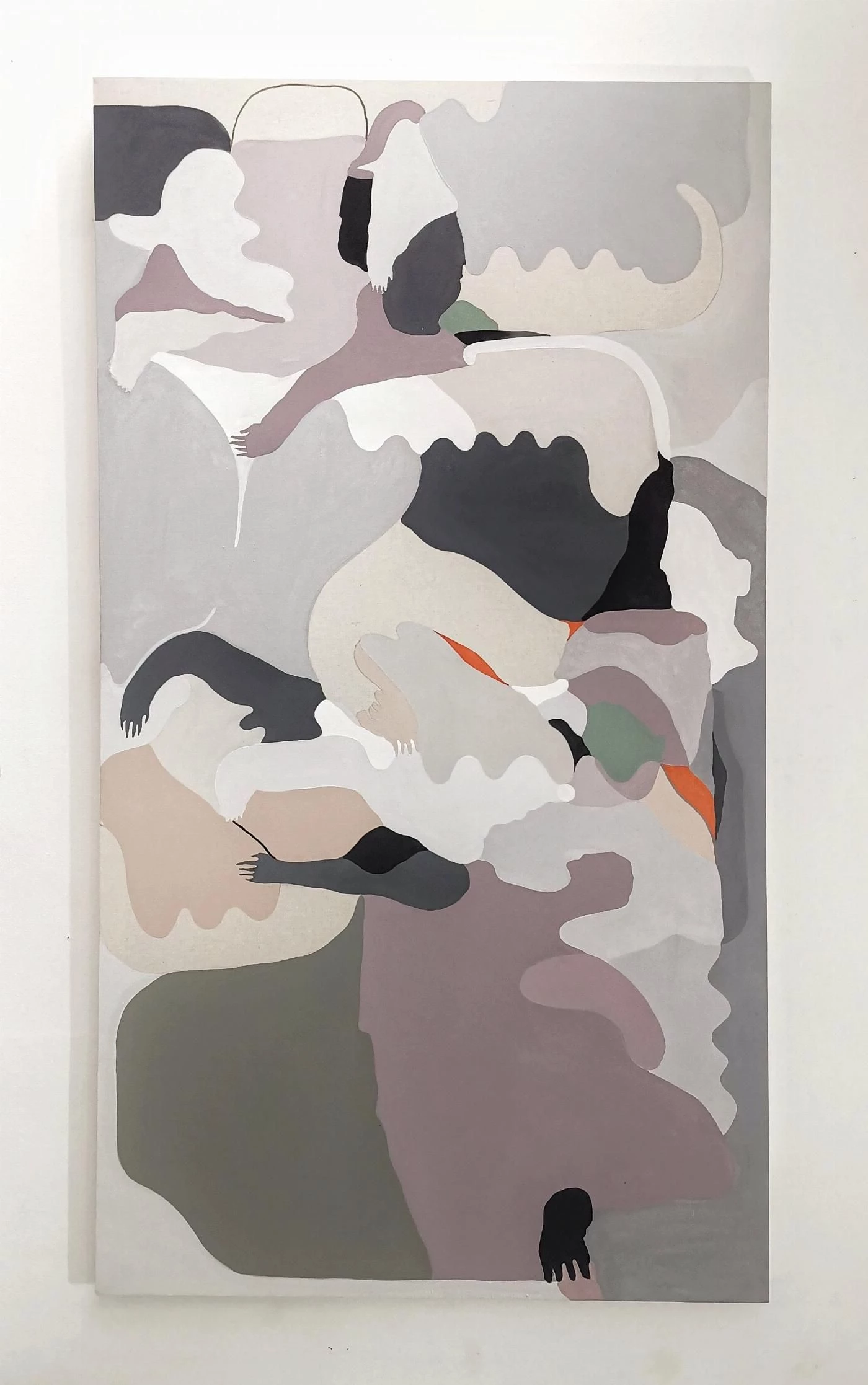
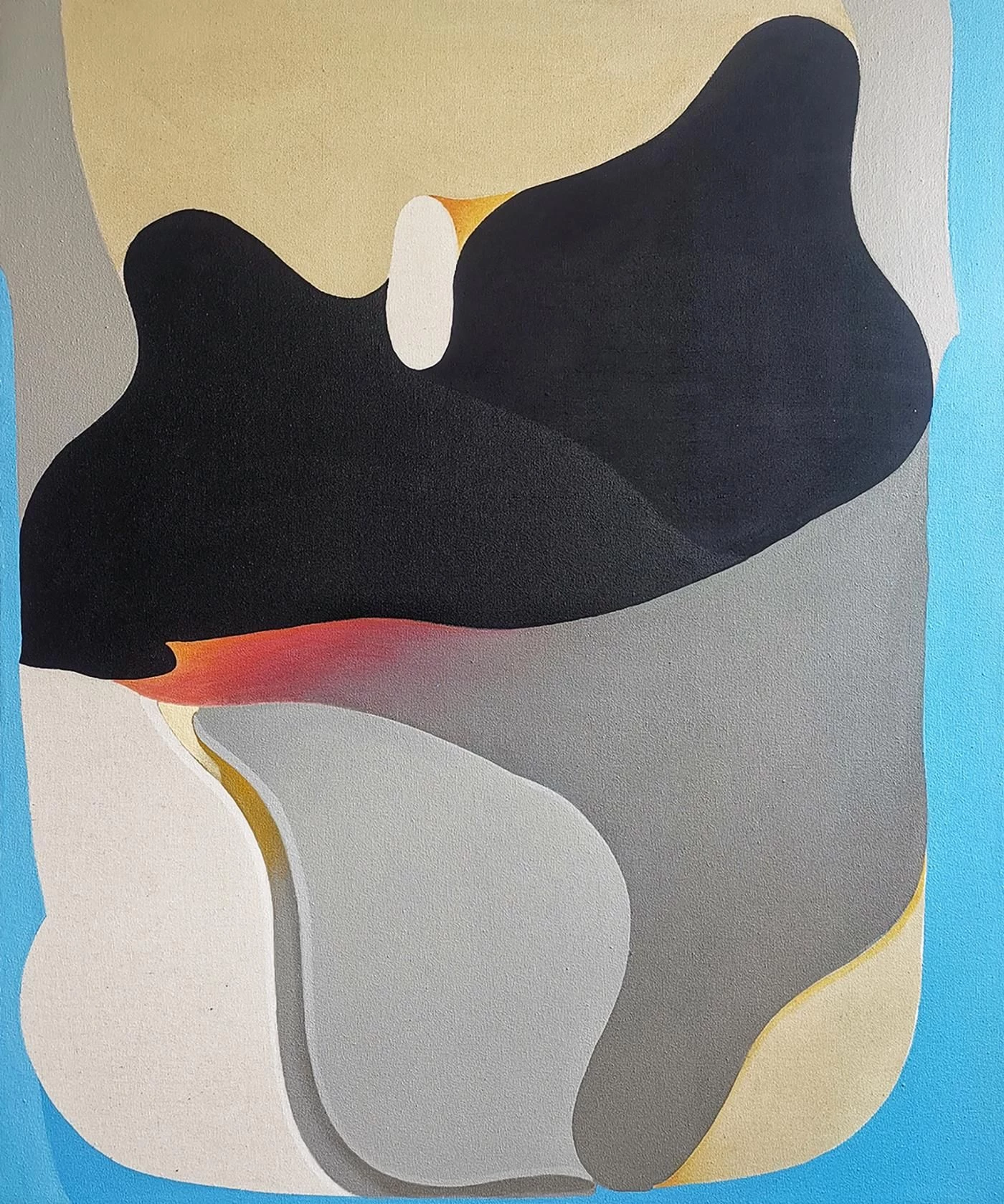
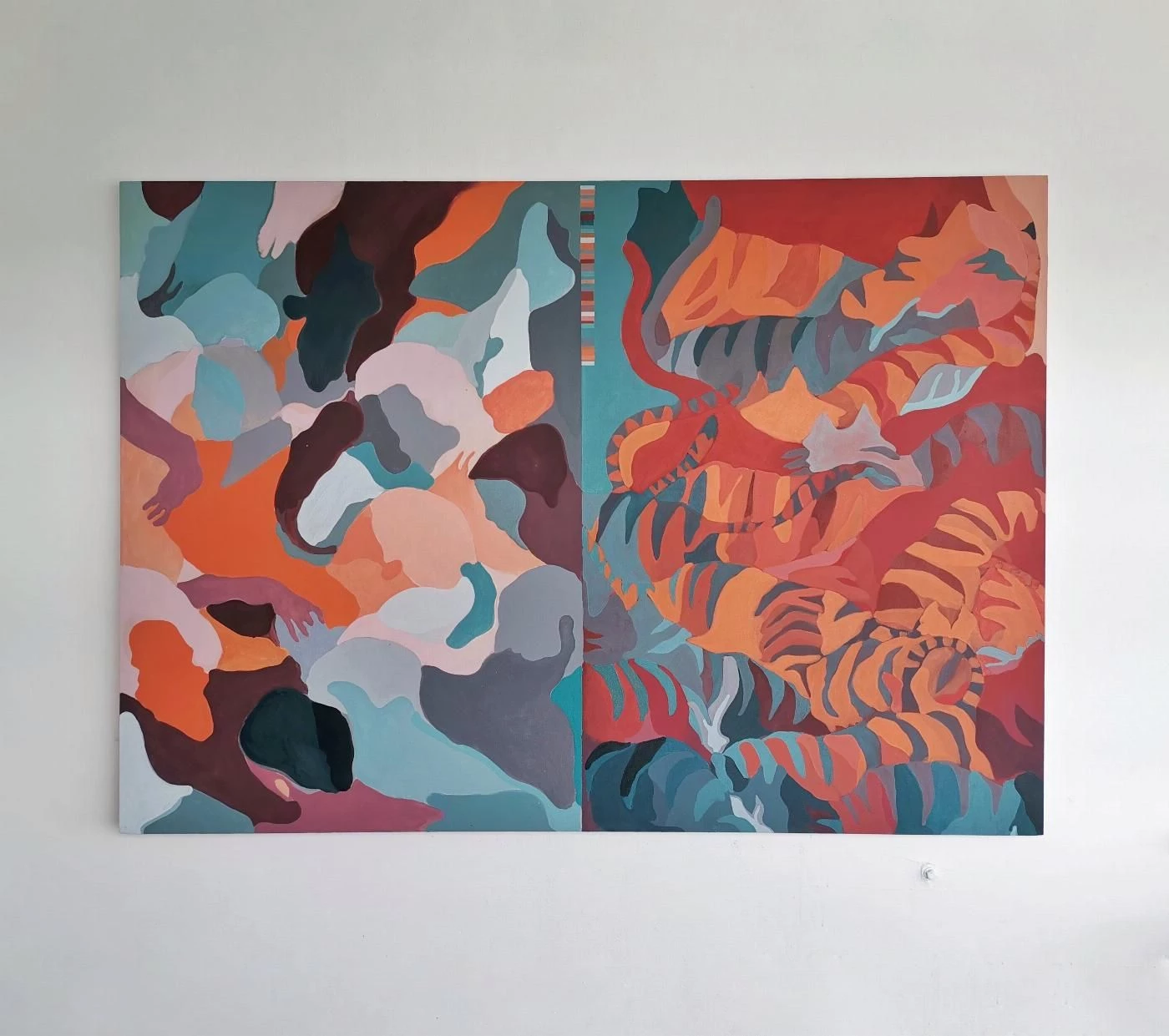
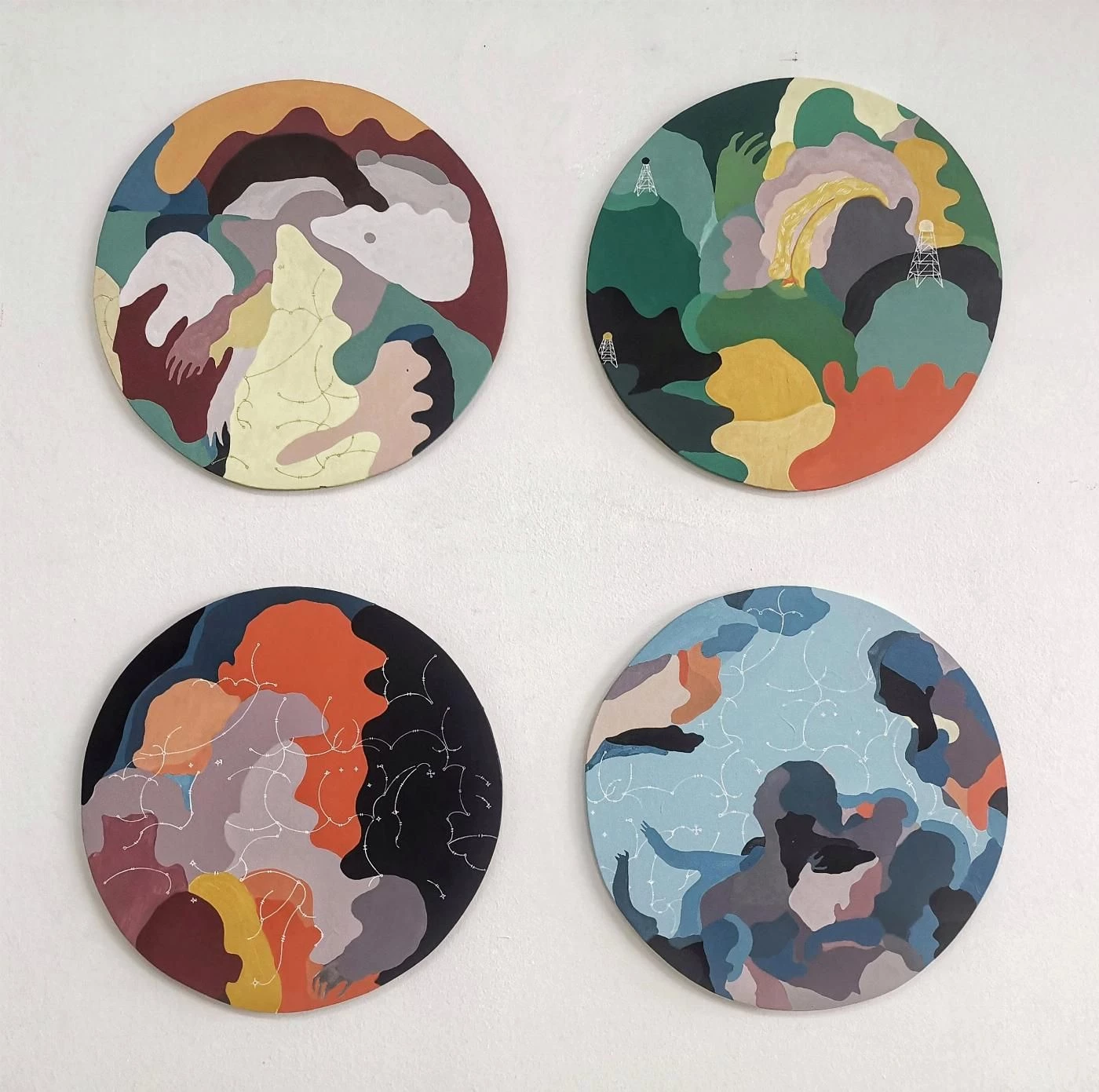
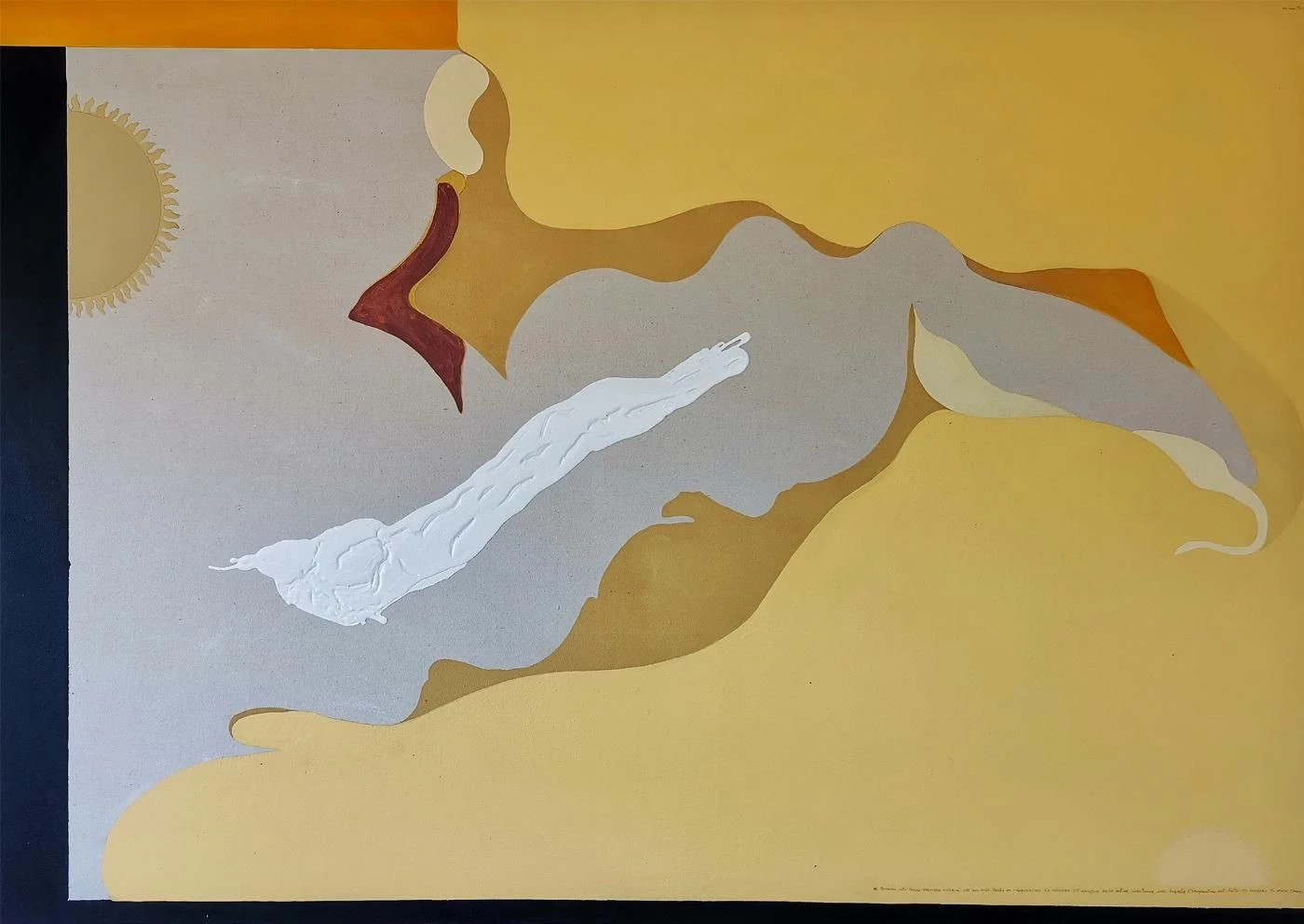
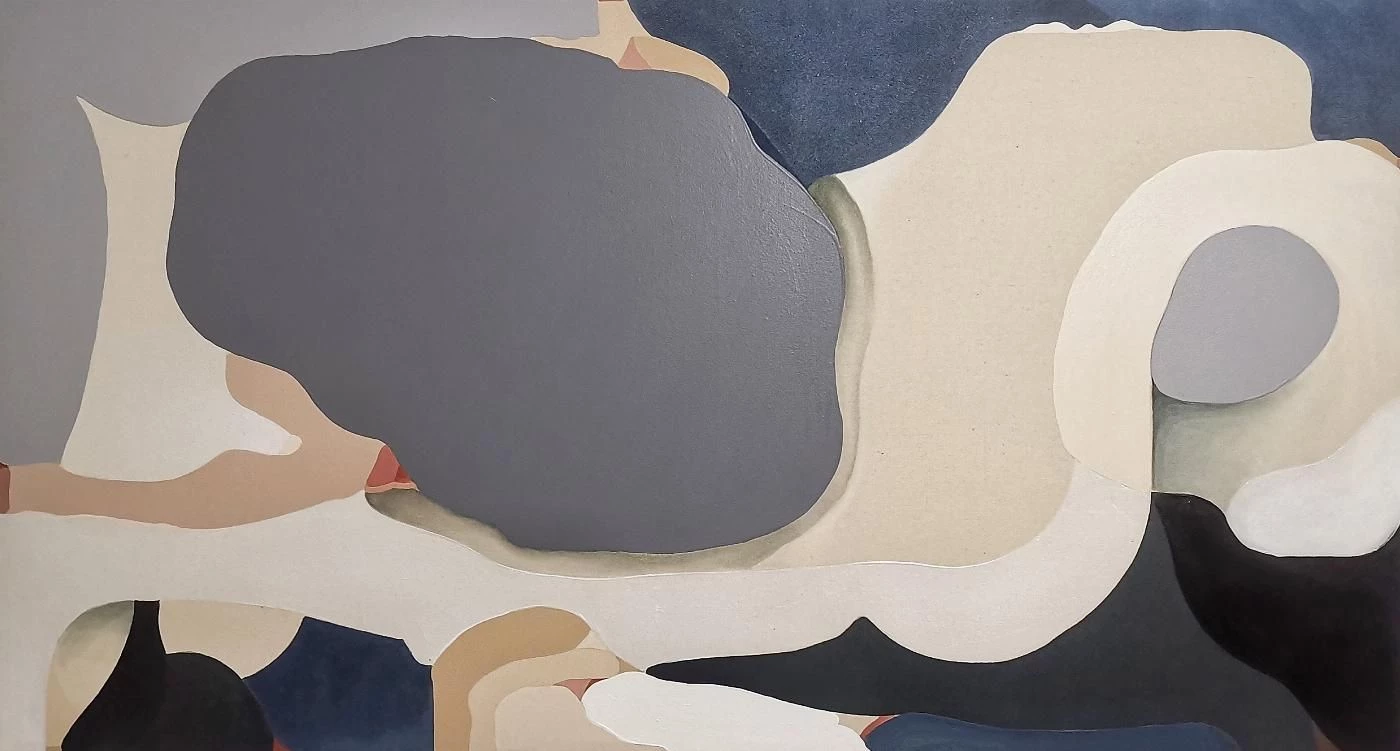
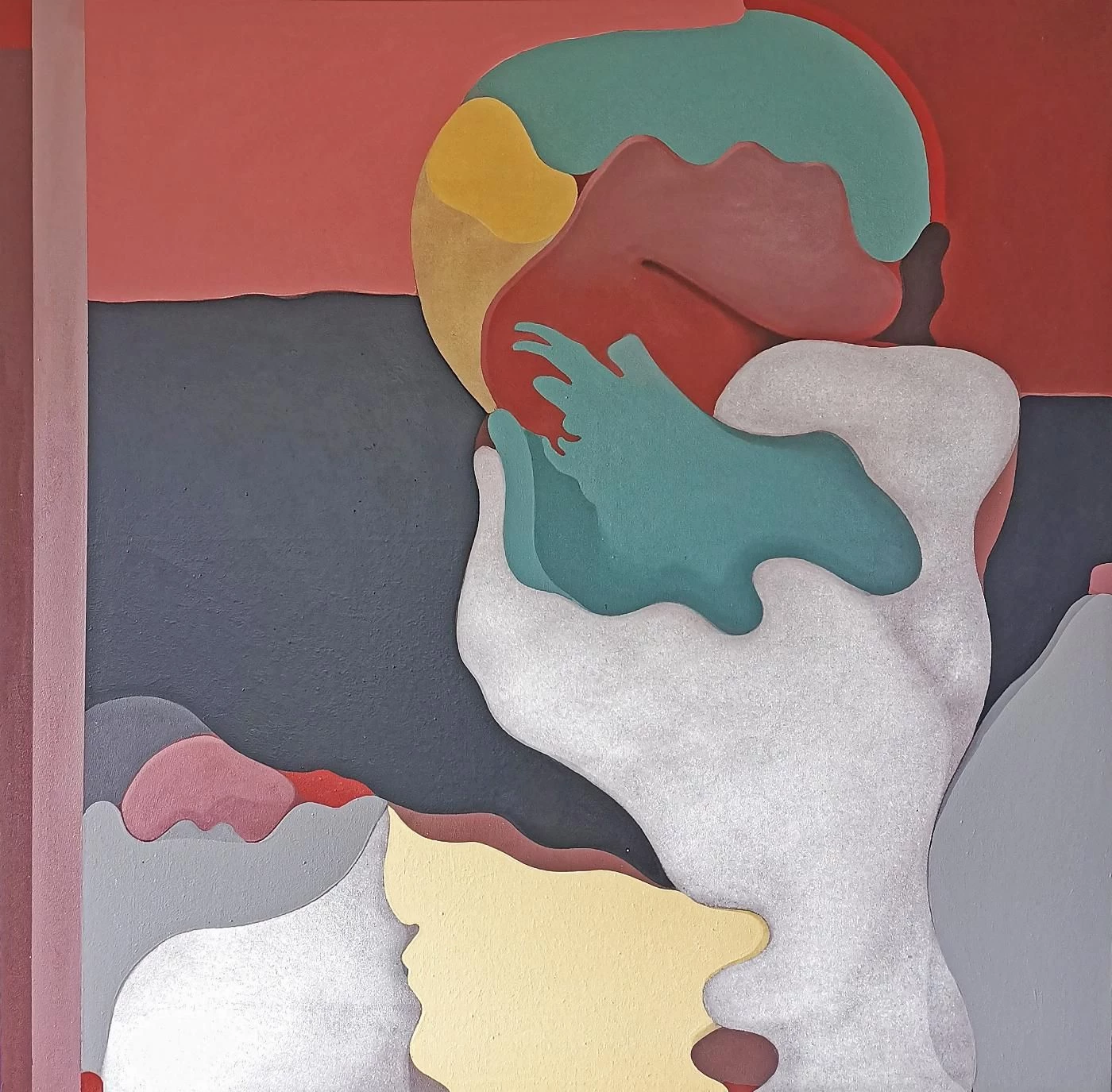
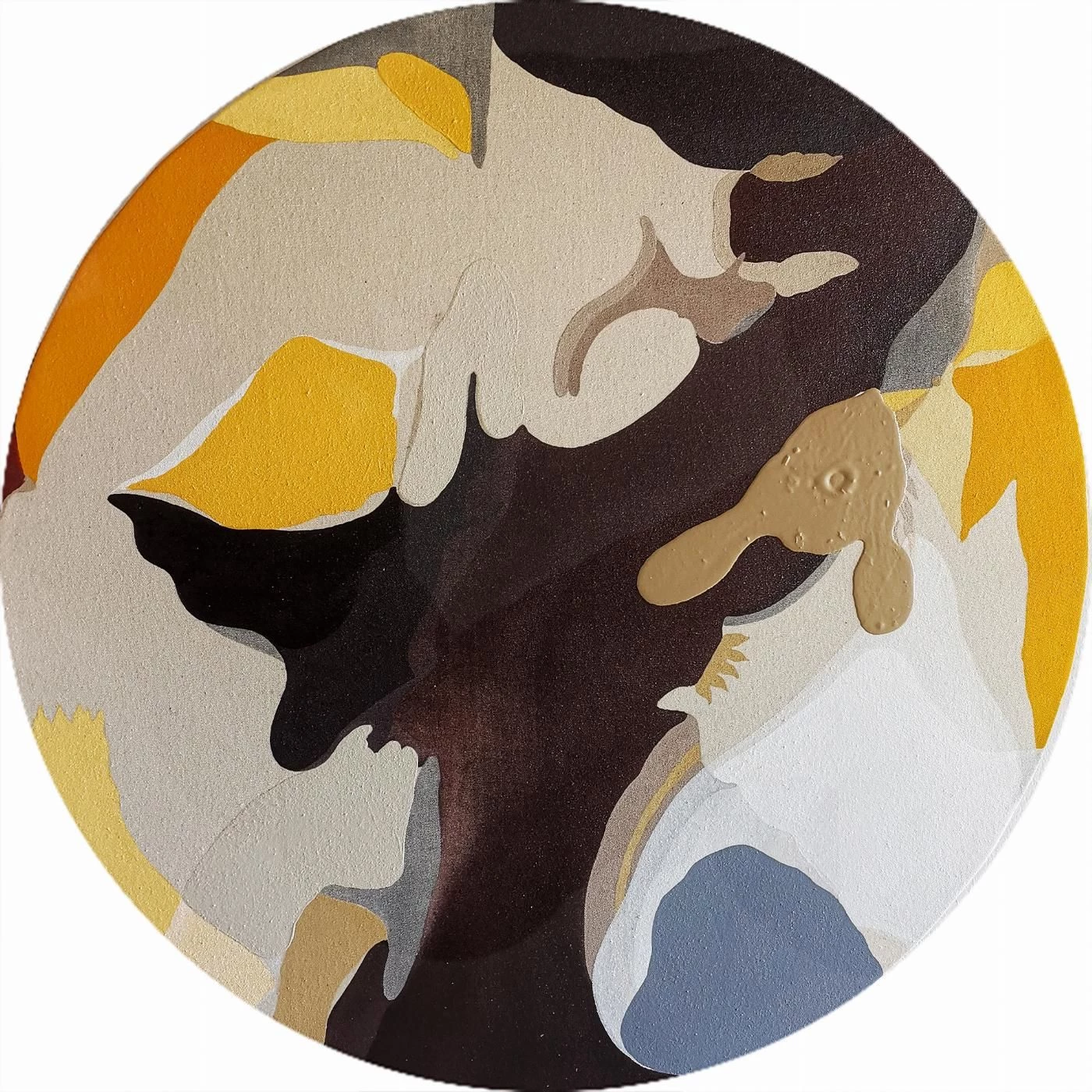
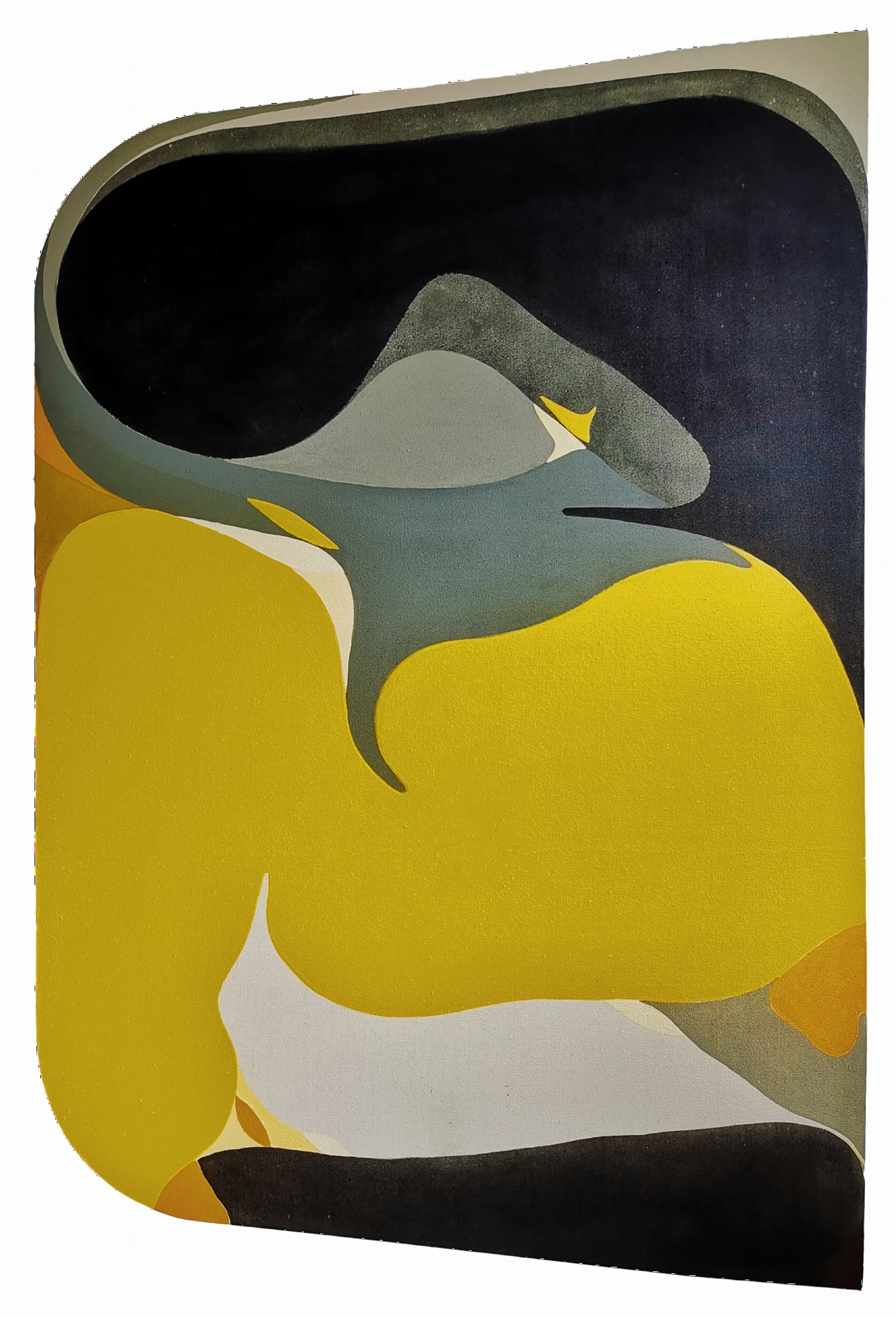
Fabián Monge works through painting with the concept of perception and the way we look. With a pop style marked by the vibrant use of color, he questions the ambiguity of vision: "What is seen when we don't know what we are seeing?". His works, such as Borderline 1 and 2 presented at Saisho, invite the viewer to recover a childlike, prejudice-free gaze that highlights the inherent ambiguity of all interpretation. His career includes solo and group exhibitions in spaces such as the Municipal Museum of Cartago, as well as participations in local biennials and festivals. His work is part of private collections in Costa Rica, Chile, Spain, the United States, Guatemala, Belgium, and Italy. Coming from a humble and conservative peasant family, Monge has made controversy and the search for alternative perspectives a vital and artistic driving force. His interest in questioning the established and exposing new perspectives has defined both his plastic career and his personal and social position. In this process, he recognizes how each idea tested in social debate strengthens him, forcing him to open himself to dialogue, to respect opposing viewpoints, and even to incorporate them into his own. For Monge, human beings share a common template or universal basis upon which we build our differences. This common ground, transparent and preceding the social paradigms that condition us, constitutes the foundation of his artistic work. From there, his painting becomes a space for communication and understanding, where the ambiguous, the perceptual, and the imaginative intertwine to invite the viewer to see the world with different eyes.
Explore the career, works, and analysis that define Fabián Monge's trajectory