Judas Arrieta

Judas Arrieta

Judas Arrieta (Hondarribia, 1971) is a contemporary artist whose practice spans painting, drawing, murals, inflatable sculpture, video, and installation. His imagery draws from manga and anime, Asian popular culture, and a European sensibility towards the contemporary, with which he redefines the boundaries between "high" and "low" culture. He studied at the Faculty of Fine Arts of the University of the Basque Country (1990–95) and completed an Erasmus exchange at the École Nationale Supérieure des Beaux-Arts in Paris. Since the mid-2000s, he has maintained a close relationship with China: in 2006 he founded MA Studio in Beijing, an artistic residency and exhibition space active until 2013, which hosted over thirty artists and programmed more than twenty-five exhibitions; in 2009, together with the Basque Government, he promoted the program “Goazen Txinara / ¡Vamos a China!”. His work has been shown in Europe and Asia—including Spain, the United States, Finland, Japan, Korea, and China—and is often displayed in formats designed for public experience: murals, inflatable sculptures, and object-pieces that activate play and humor as an entry point.

Financial information

Signature value

23.58 ¢/cm2

Accum. revaluation

22.6 %

Price evolution

Bubble Gum

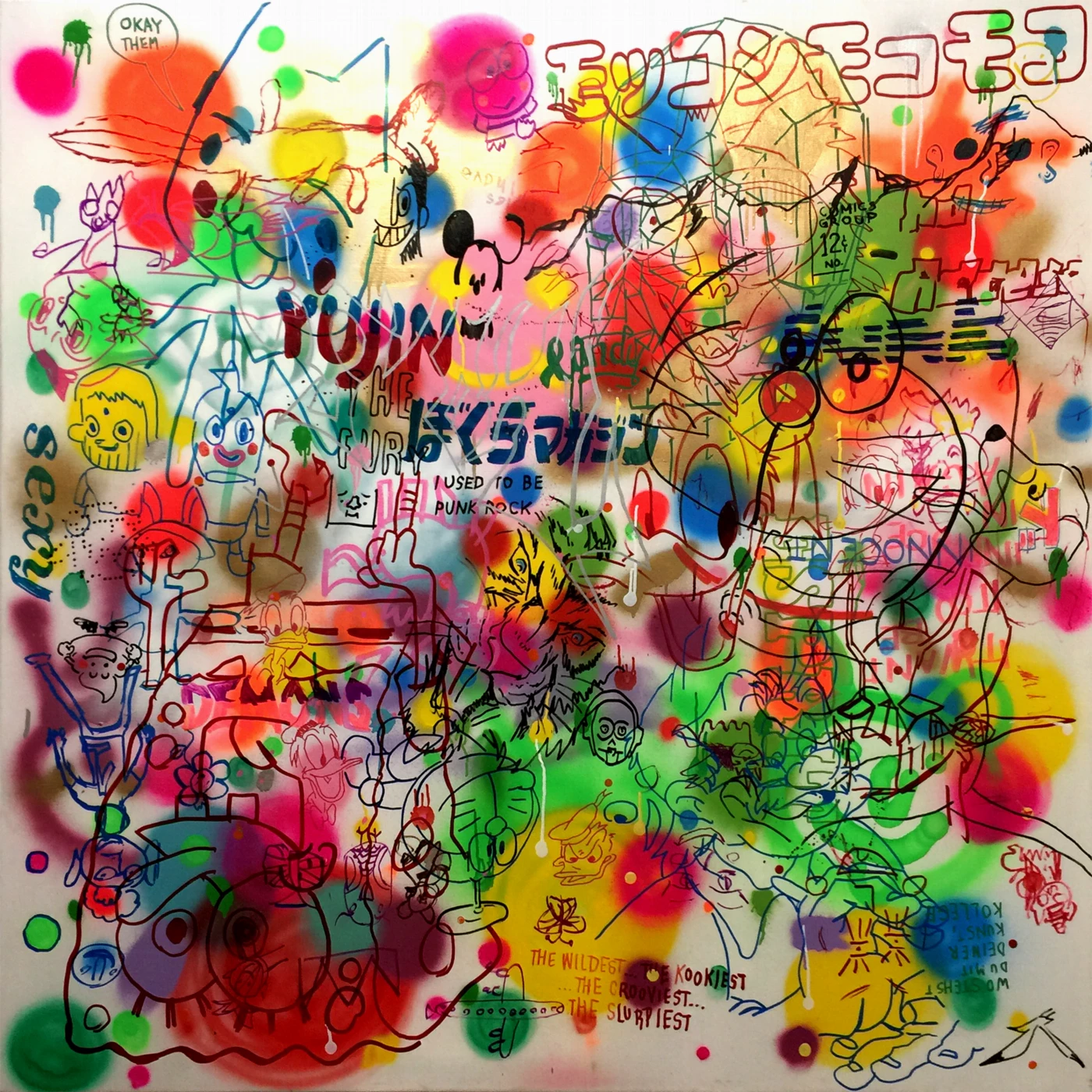
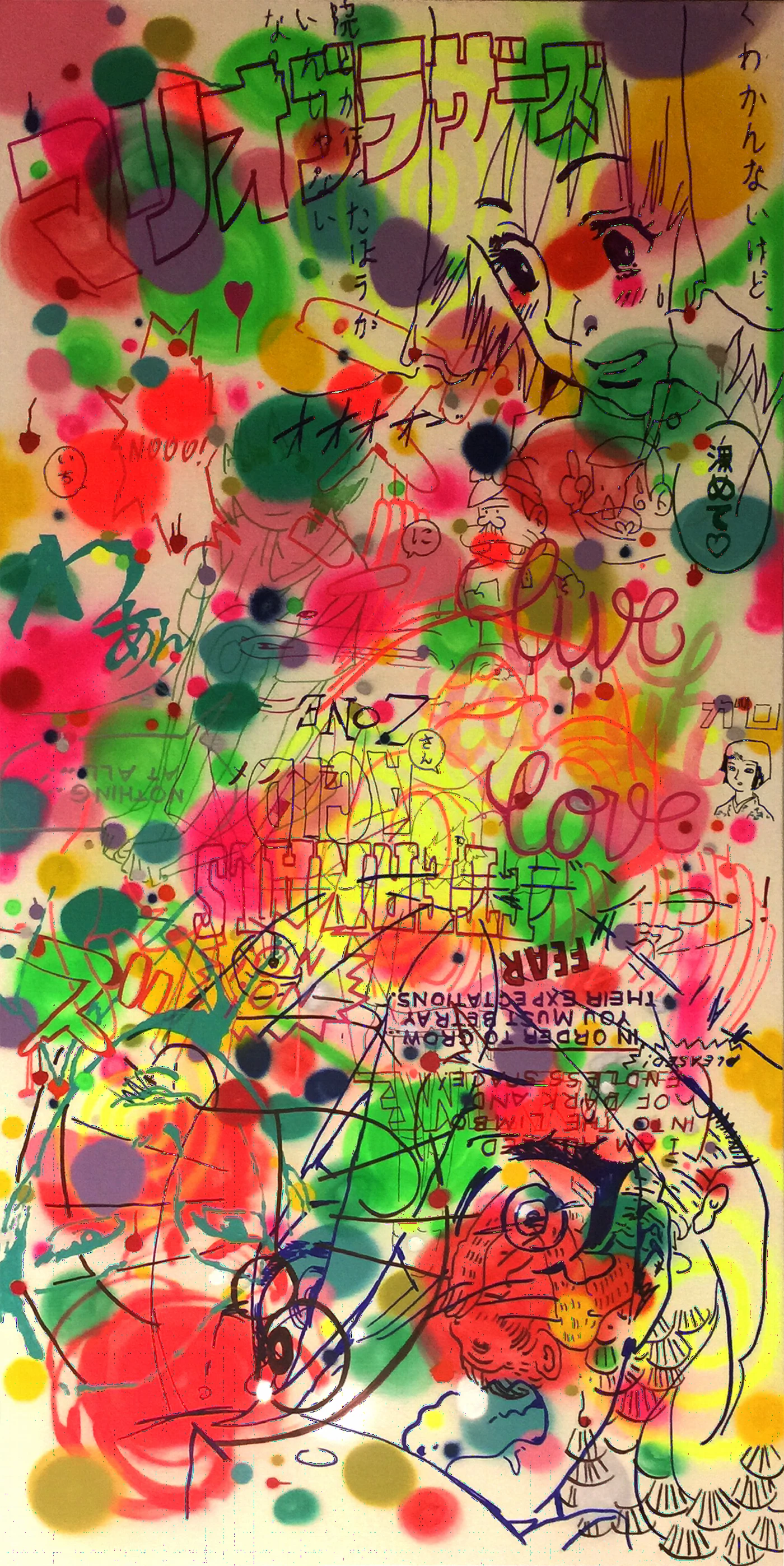
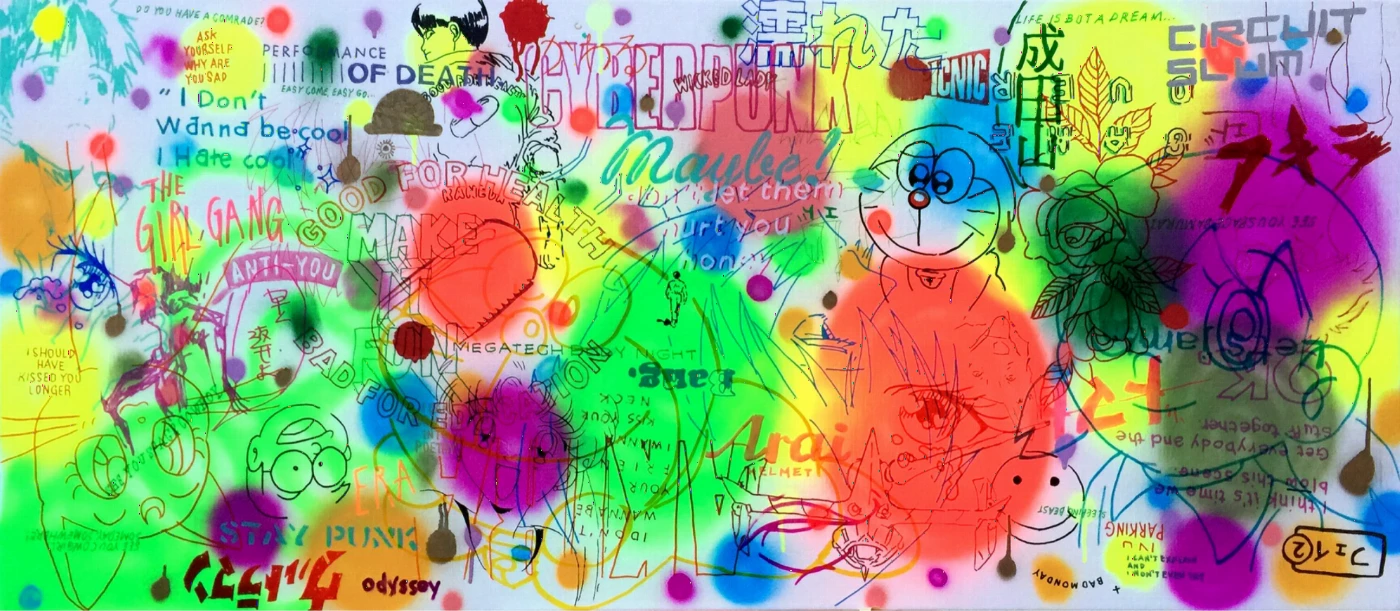
Judas Arrieta's Bubblegum series is an explosion of color and energy that combines technique, play, and collective memory. These works are characterized by their backgrounds created with spray paint, where fluorescent colors create vibrant and almost psychedelic atmospheres. But what truly distinguishes this series is its collaborative dimension: many of these backgrounds have been created with children, in spontaneous street sessions where free gesture and the joy of color become an essential part of the work. On these backgrounds, Arrieta intervenes with visual elements inspired by manga, anime, and Asian iconography, creating a dialogue between the childlike and the sophisticated, the spontaneous and the constructed. The result is pieces that celebrate imagination, shared visual culture, and the transformative potential of participatory art.

3 works in the series
imagen-picture

Abstract Comics

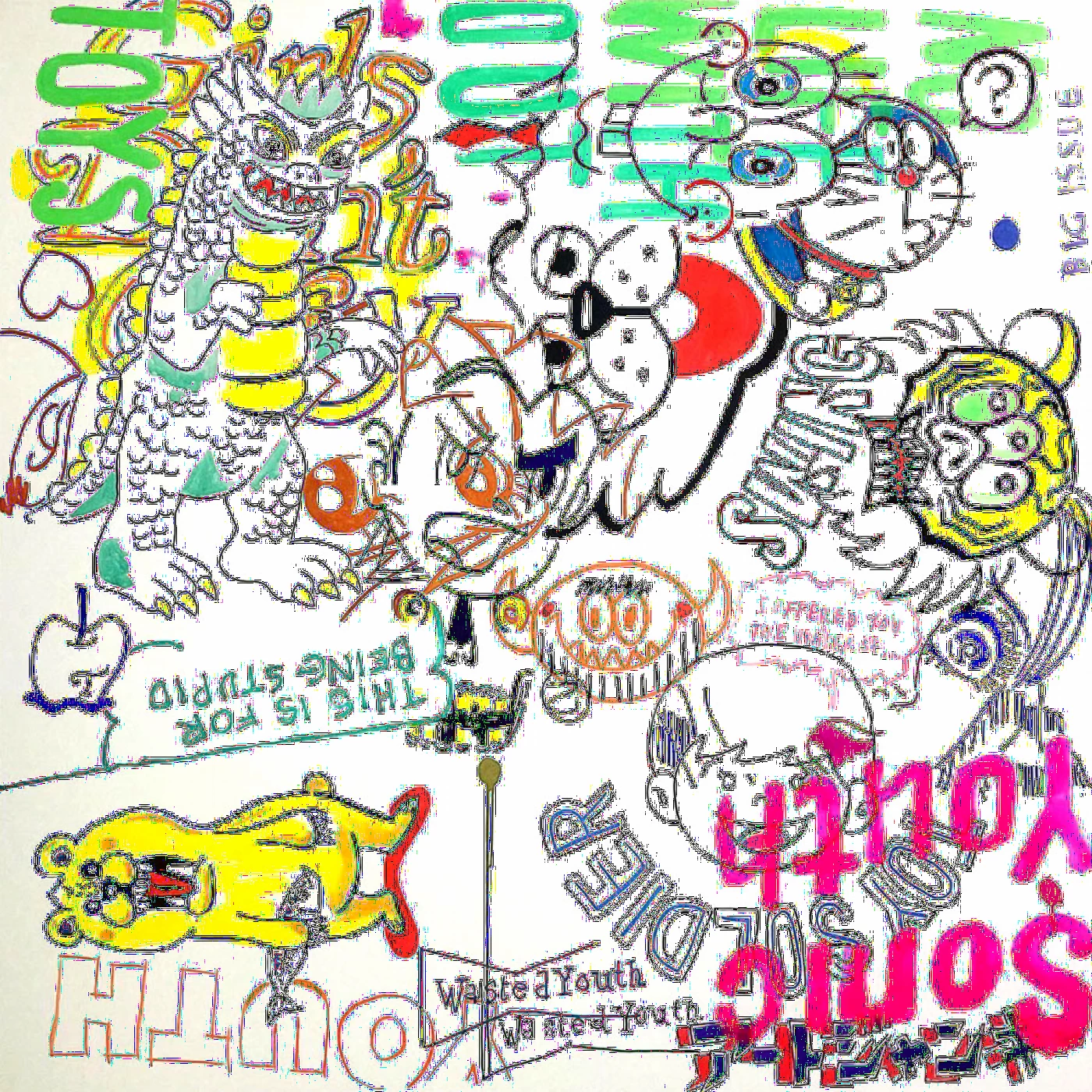
Judas Arrieta's paintings, grouped under the concept of abstract comics, are presented as surfaces saturated with images, strokes, and references that, at first glance, may appear chaotic or disordered. However, this apparent lack of control is a deliberate invitation: each work proposes that the viewer construct their own reading, as if navigating the panels of a comic without a fixed script, guided by intuition, memory, and desire. These pieces do not tell a single story, but many possible ones. Arrieta mixes influences from diverse cultures —especially Japanese and Chinese— with a solid Western academic background, generating a hybrid, free, and profoundly contemporary visual language. His paintings are multicultural palimpsests where manga, video games, pop art, cinema, calligraphy, graffiti, and art history coexist.

3 works in the series

My favorite art toys

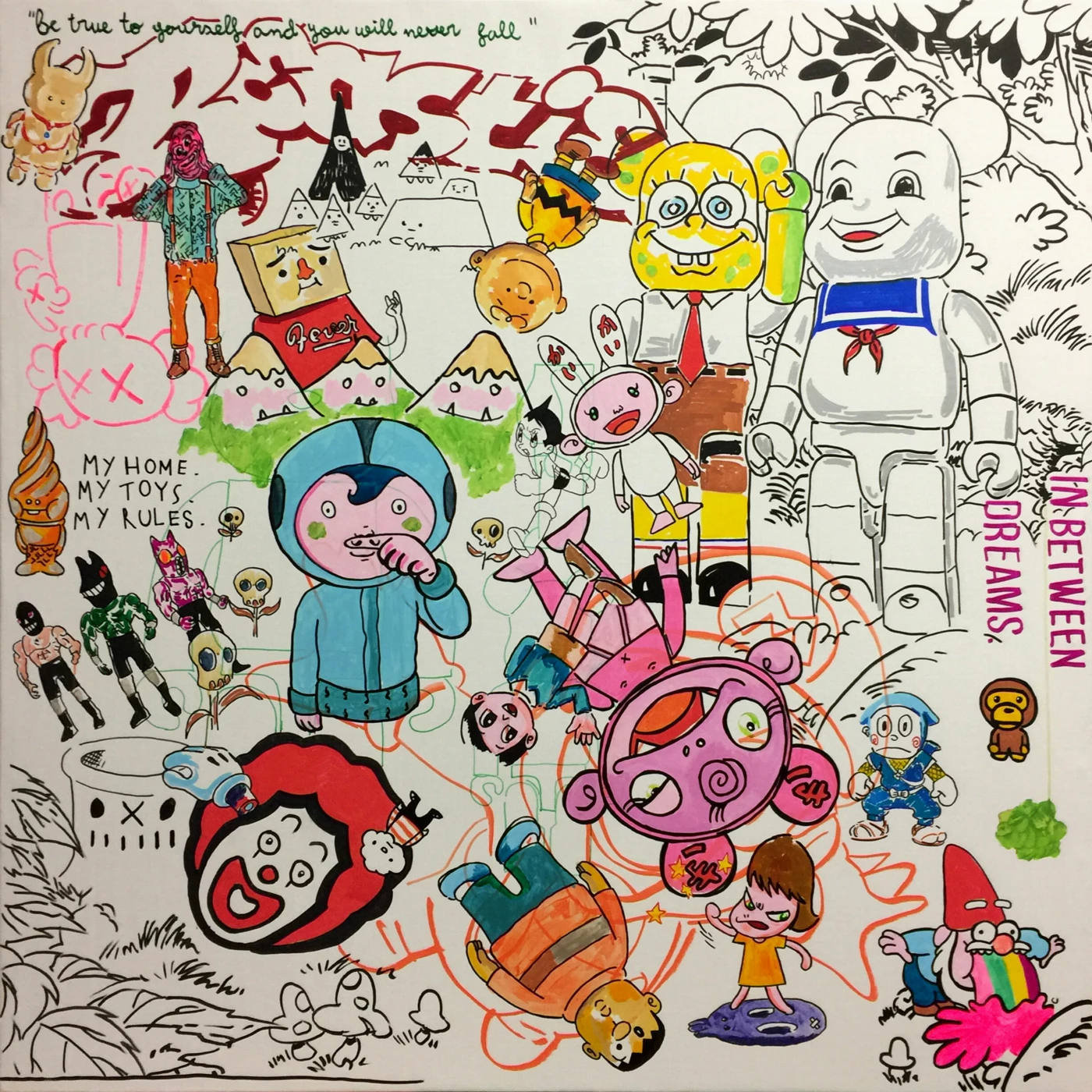
My Favorite Art Toys is a series of work that transforms art into a space for play, memory, and pop culture. Through paintings of various formats filled with color and characters inspired by designer toys / art toys, Arrieta creates a vibrant and emotional visual universe. The works combine mixed techniques with a pop aesthetic, inviting the viewer to reconnect with their childhood and reflect on cultural identity in a globalized world. A proposal to be enjoyed with the eyes… and with the heart.

3 works in the series
imagen-picture
47 Ronin | Judas Arrieta
120 X 200 CM

The blue symphony

In The Blue Symphony, Judas Arrieta revisits one of the oldest and most codified genres in art history: landscape. But he does so from a contemporary, hybrid, and profoundly personal perspective. Mountains, bays, river mouths, and valleys coexist in these works with visual references taken from comics, cinema, pop culture, and the objects that inhabit the artist's daily life. Thus, the landscape ceases to be a mere backdrop to become an emotional and cultural palimpsest, where memory, experience, and shared iconography intersect. Inspired by both the Japanese pictorial tradition and the evolution of landscape in Western painting —from decorative background to autonomous genre— Arrieta surfs art history with freedom, mixing techniques and scales. The result is a visual symphony that celebrates mixture, curiosity, and the subjective gaze as engines of creation.

10 works in the series