Jordi Diez
A masterful fusion of classical form and contemporary rigor, transforming steel into gestural explorations of the human condition.
Saisho Intelligence
Intelligence Score
Global score
The artist’s overall score out of 10, weighted across quality, market, potential and validation.
Artist stage
Classification of the artist based on the balance between quality and market.
Confidence level
Reliability level of the scoring based on the available data.
Relationship with Saisho
Relationship between Saisho and the artist.
Key readings on the artist’s current position and remaining trajectory.
Market insights
Specific milestones or risks to monitor over the next 12–24 months.
These factors are analysed in detail in the full report.
Ver informe completo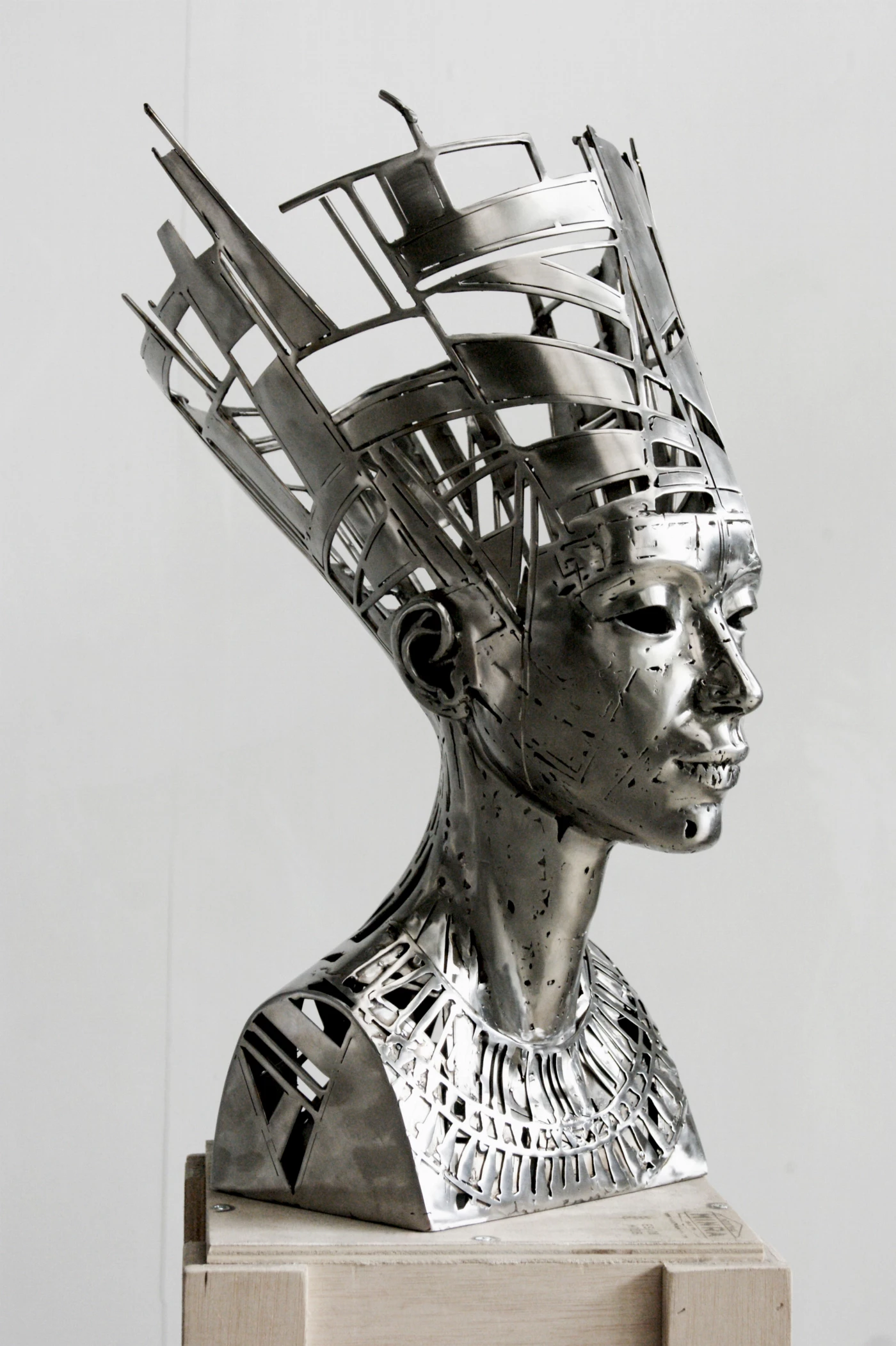
View full analysis
Access detailed scoring, economics and the historical evolution of the artist’s market.
View report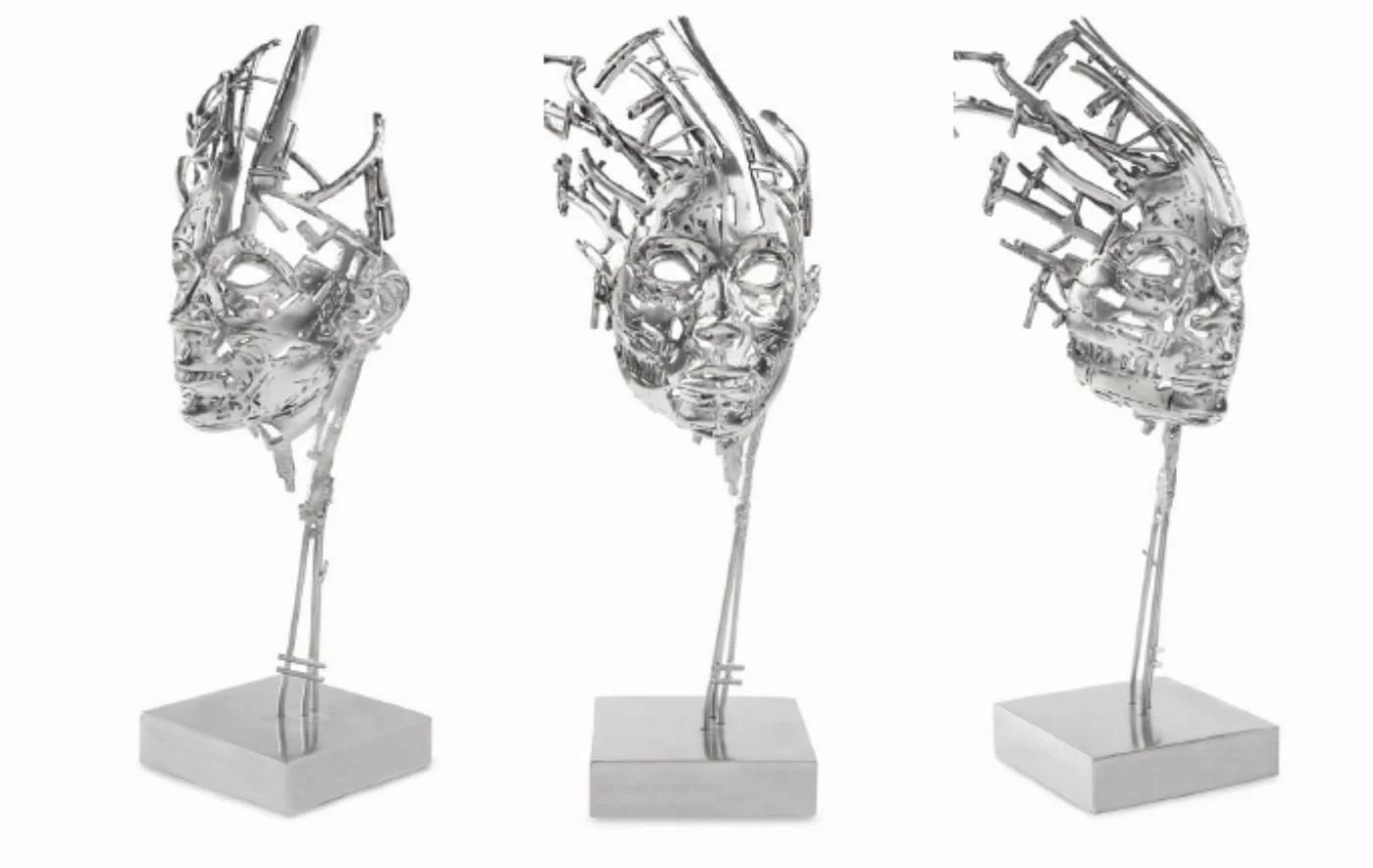
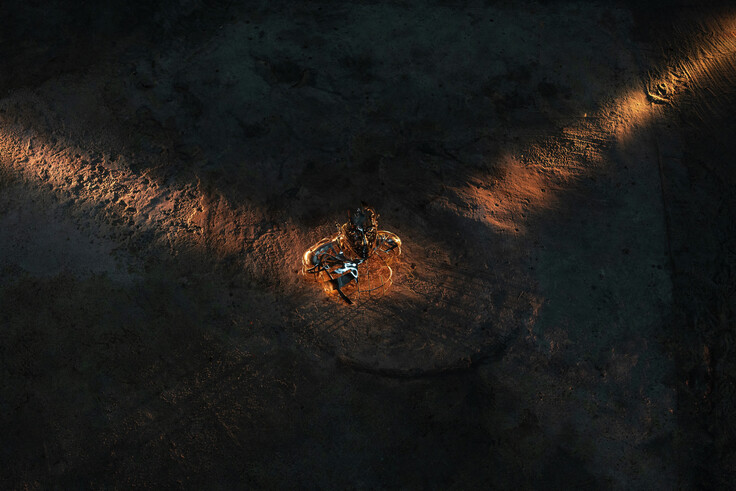
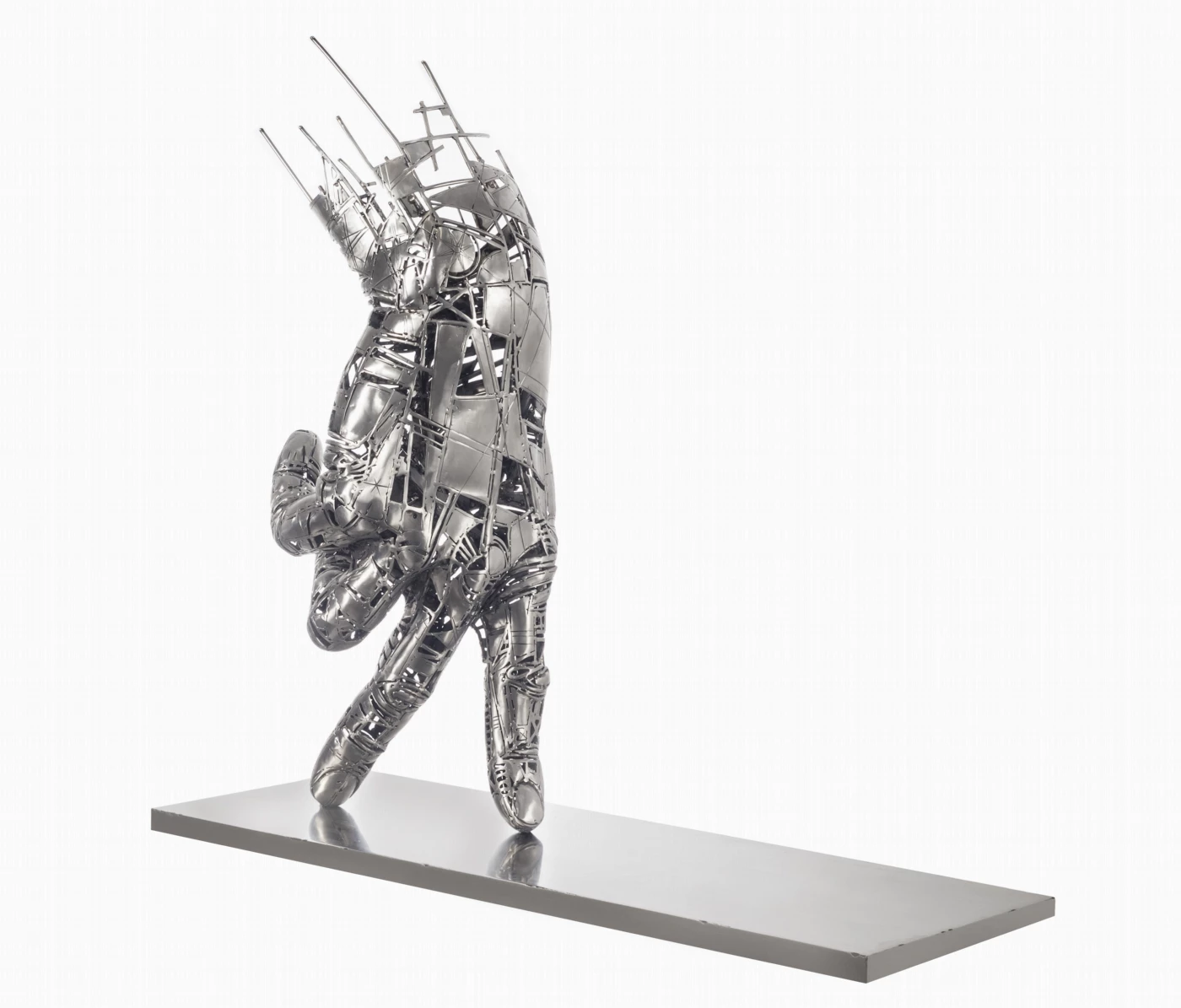
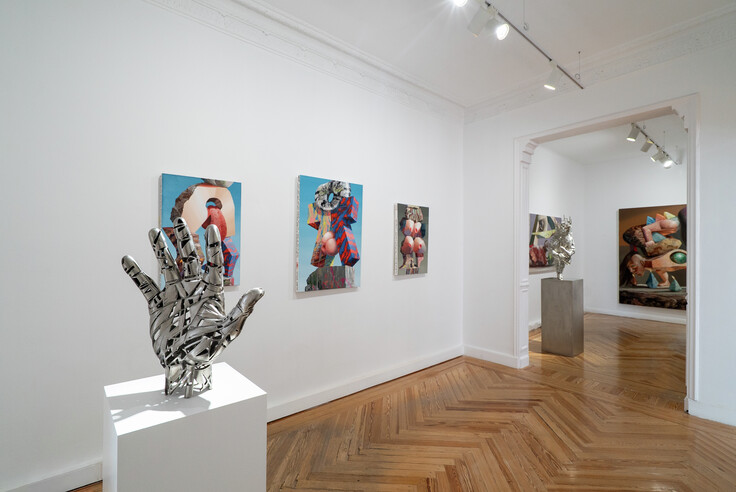
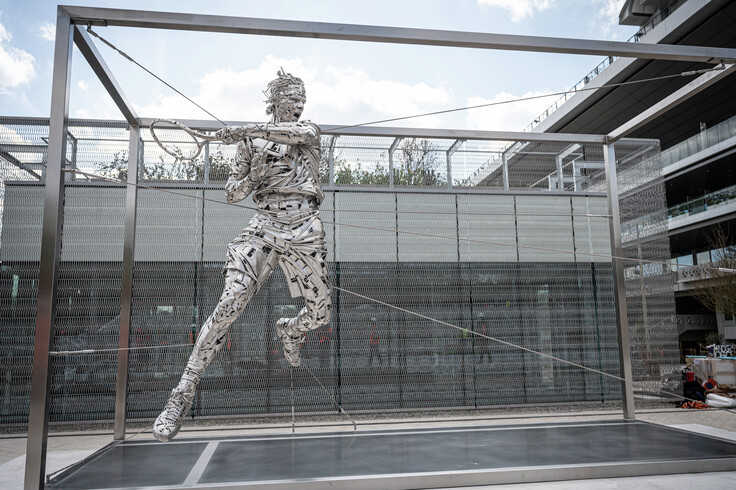
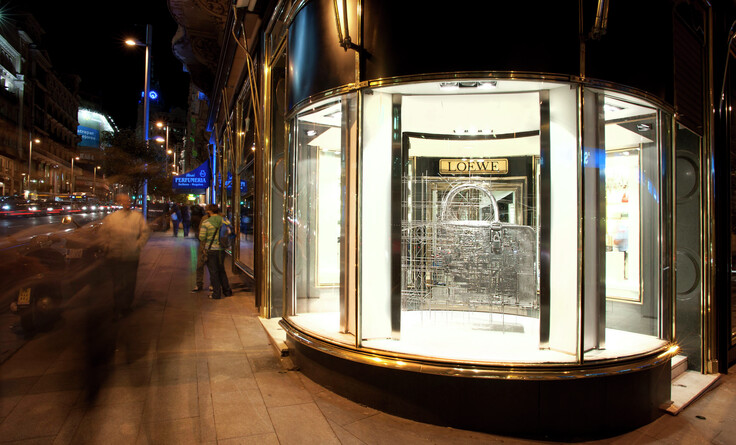
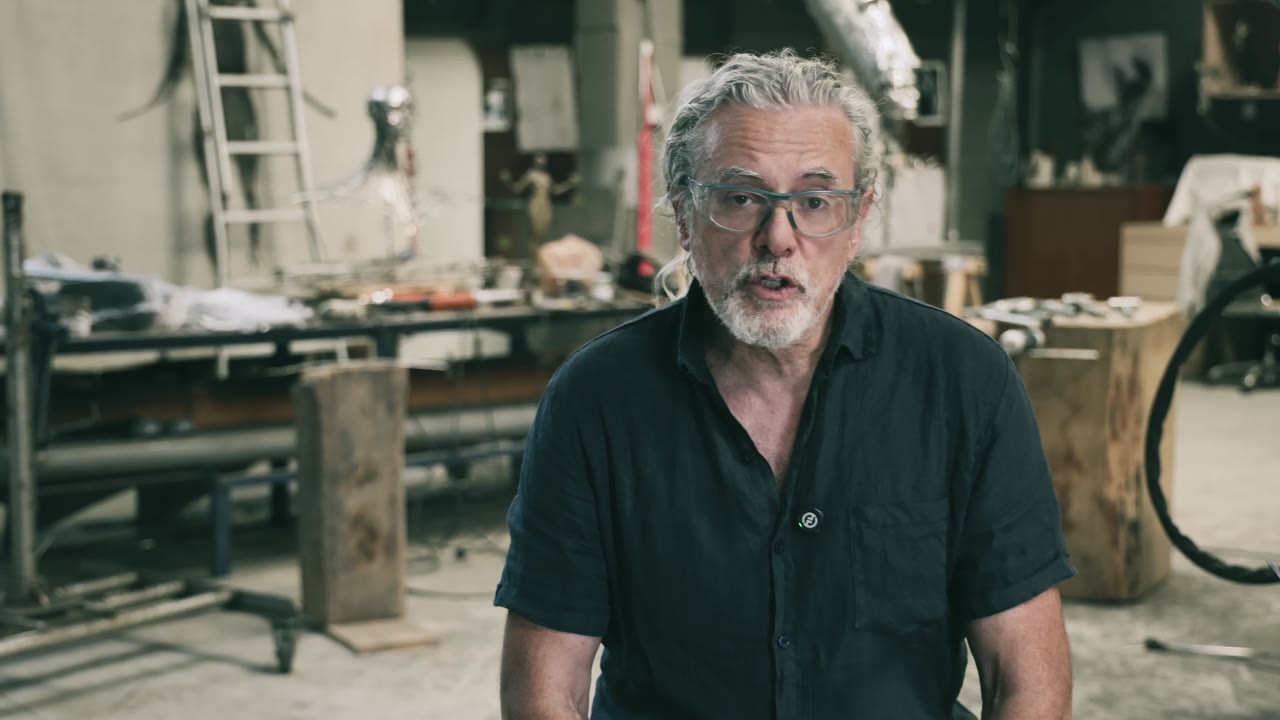
Jordi Díez is a figurative sculptor who distinguishes himself by executing a three-dimensional drawing, with which he achieves a high level of precision and detail in representing the human anatomy. His work comes to life through a challenging material like steel, which he transforms through impeccable folding and welding techniques, achieving a harmony between the hardness of the metal and the expressiveness of the body.
Discover the visual universe of Jordi Diez
Explore the career, works, and analysis that define Jordi Diez's trajectory