
Alejandra Glez
Alejandra Glez (La Habana, 1996) es una artista multidisciplinar cuyo trabajo abarca la fotografía, la instalación, el videoarte y la performance. Su práctica explora la identidad, la memoria y la espiritualidad, profundamente influenciada por la cultura afrocubana y por su vínculo con el agua como símbolo de transformación y sanación. Reconocida por una mirada profundamente personal y crítica, Glez aborda temas como la feminidad, la sororidad y la emancipación, cuestionando narrativas impuestas y generando espacios de resistencia. Su obra ha sido expuesta en prestigiosas instituciones internacionales y recogida en numerosos medios especializados.
Financial information
Agua
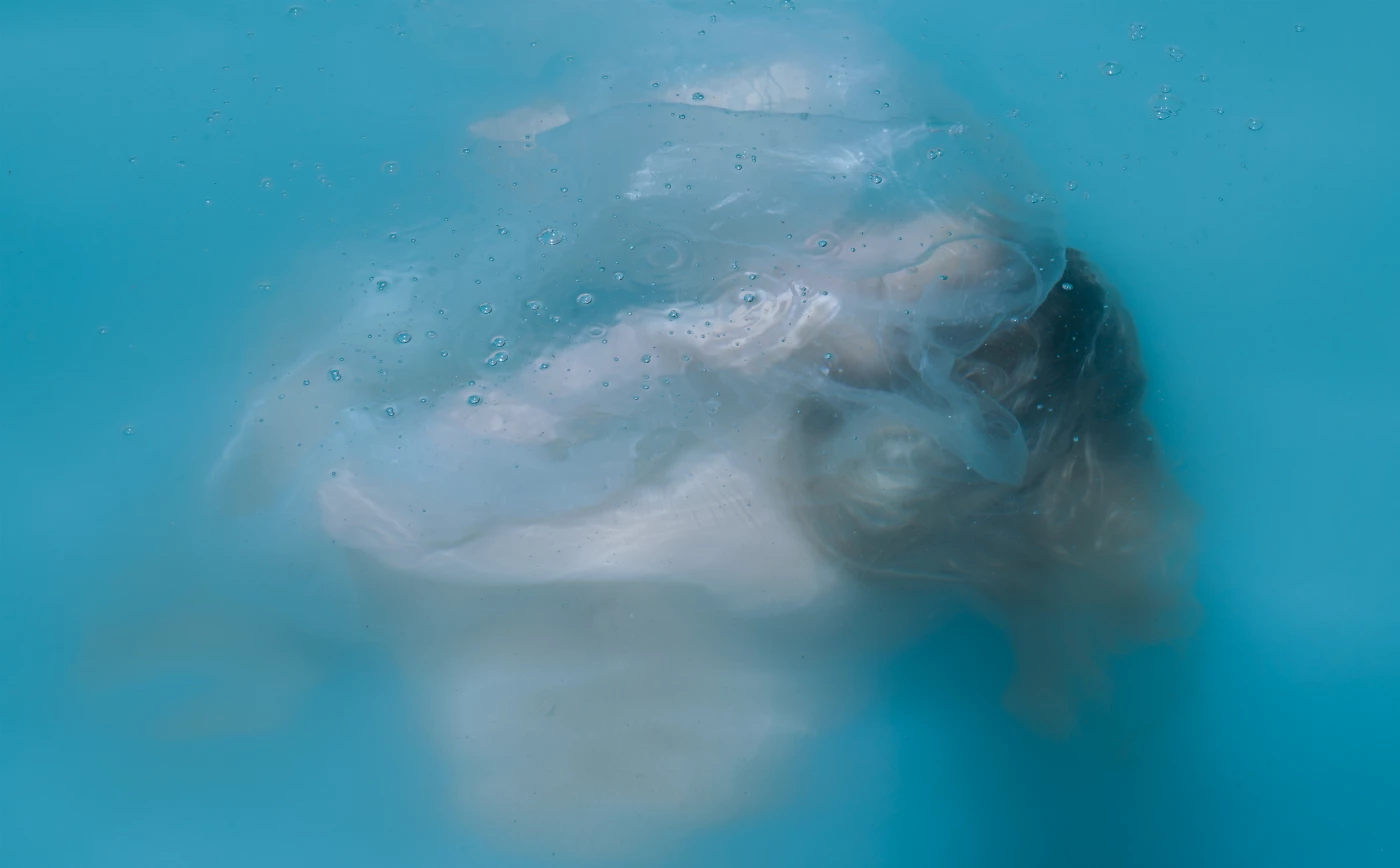
Underwater, a female body appears suspended, enveloped by the folds of a plastic bag that blend with the skin. The image, murky and almost abstract, places the gaze in a space of suspension and silence. The work is born from the intersection of the intimate and the ecological: the body embodies vulnerability in contaminated environments, where the artificial is no longer alien, but an extension of the natural. The plastic does not intrude violently, but adheres, envelops, and seduces, generating a subtle tension between beauty and discomfort. The scene oscillates between the poetic and the dystopian, proposing a reflection on what floats, sinks, and ends up becoming part of the landscape, even when it shouldn't be there.
Dancing with the sea
Dancing with the Sea is a performative series captured in photography and video that explores water as origin, memory, and space of transformation. The body, in suspension, surrenders to the movement of the sea, dissolving its limits and evoking a primordial rhythm, preceding form. The dance becomes a ritualistic and silent gesture, where floating is a way of remembering. The ocean acts as an active presence, accompanying a process of return to origin, to the liquid, and to an ancestral memory that still inhabits the body.
Transformación
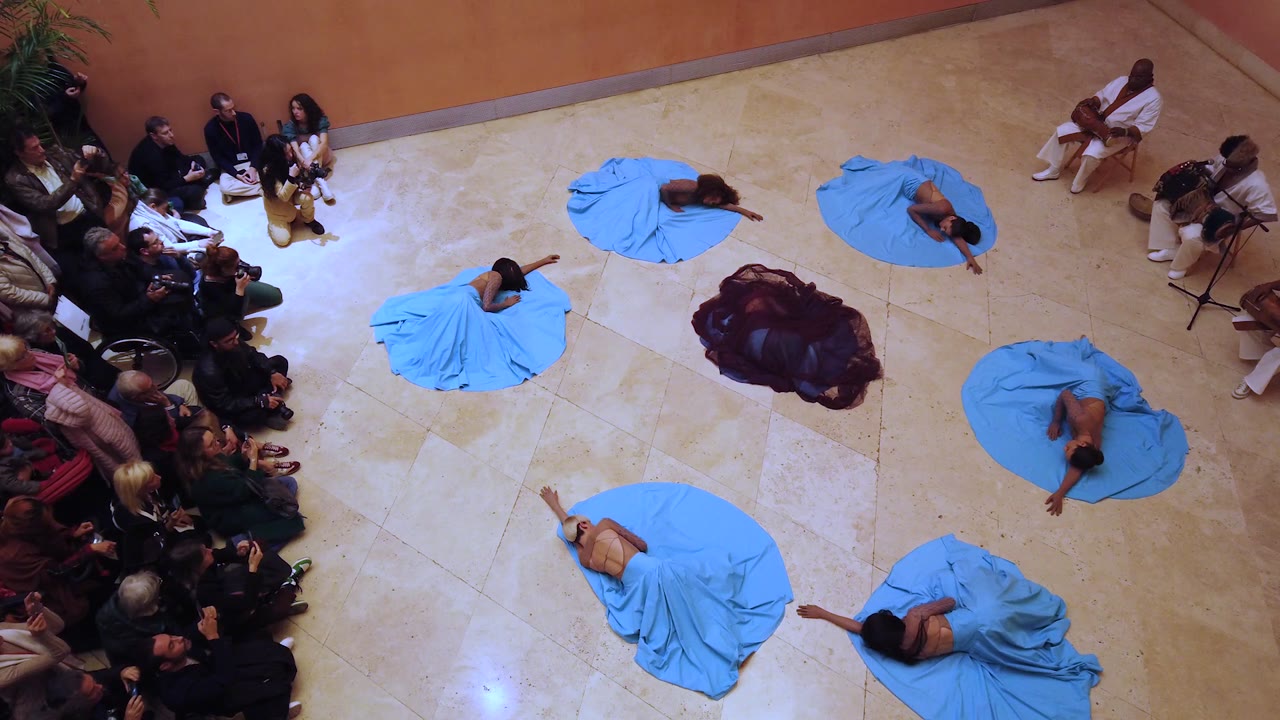
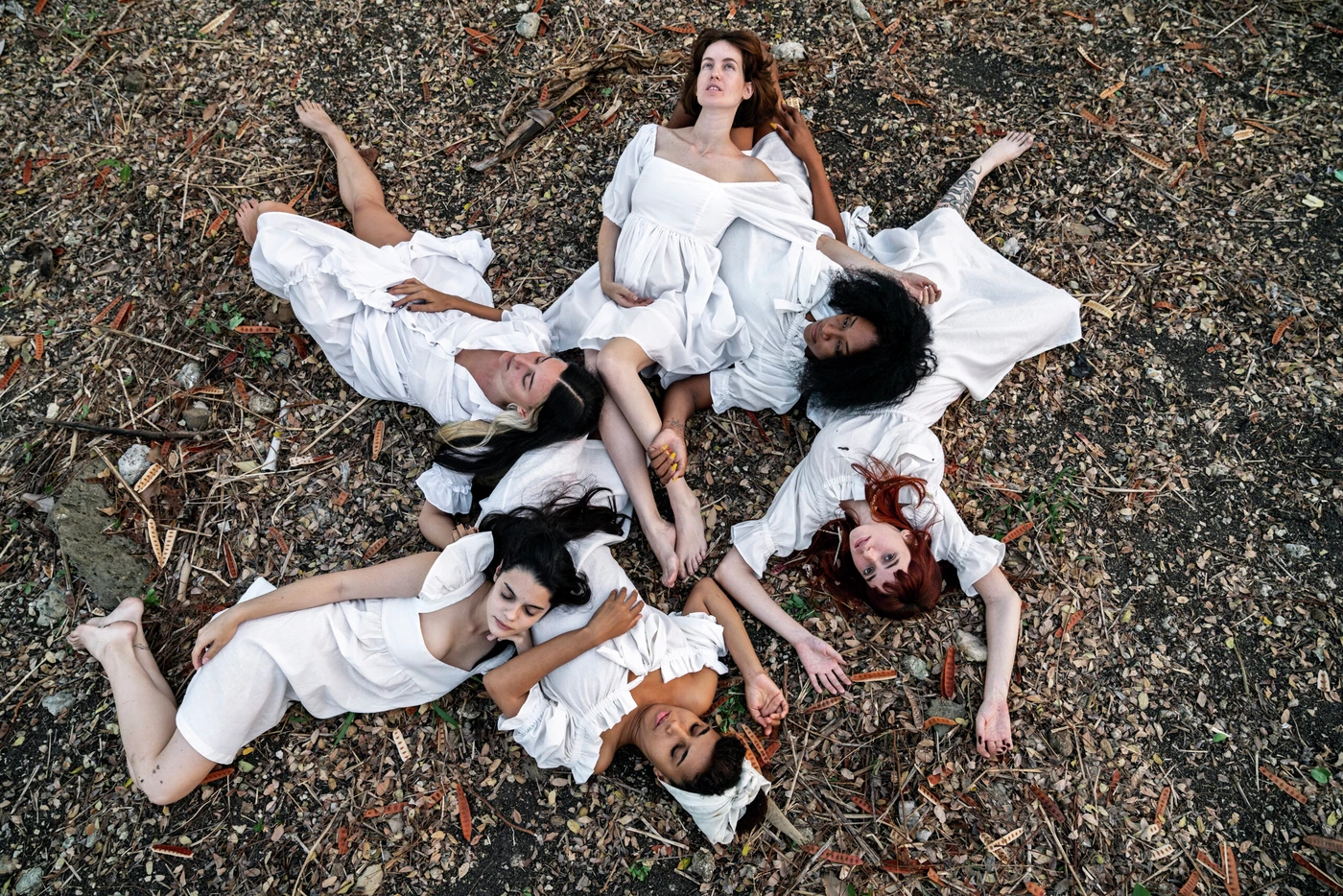
The artistic project developed by Alejandra Glez, María de la Rica, and Lucía Lamata arises from mutual support among women as a force for transformation and resilience. Through a collective process based on accompaniment and care, the work generates a shared space to heal, grow, and reaffirm oneself. The sea acts as a central metaphor for this process: a territory in which the individual and the collective intertwine, where each woman is both an island and part of an archipelago in constant redefinition. Beyond the final result, the project focuses on the process itself as an act of resistance, healing, and empowerment, celebrating the capacity of support among women to generate profound and lasting change.
Oyalokun
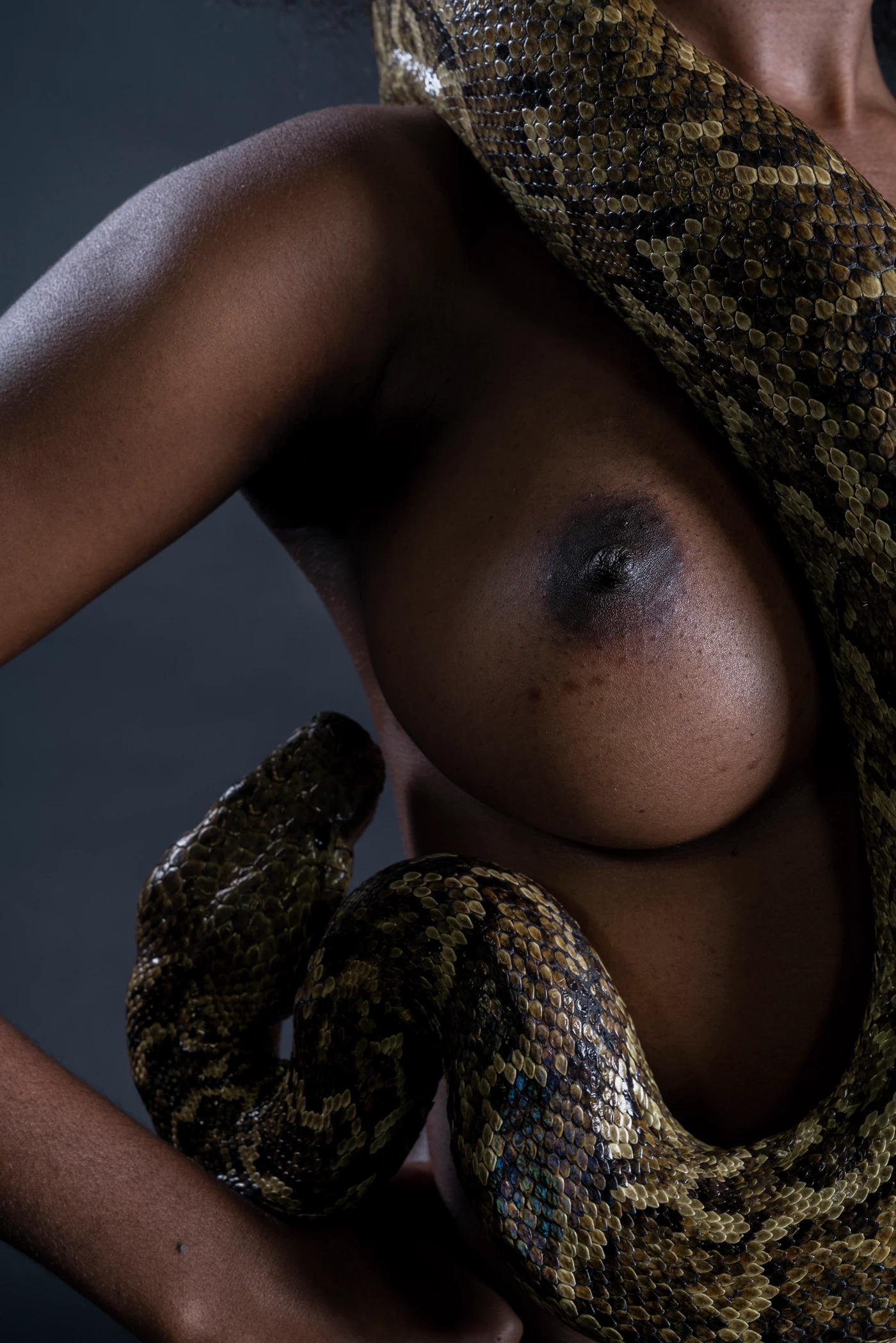
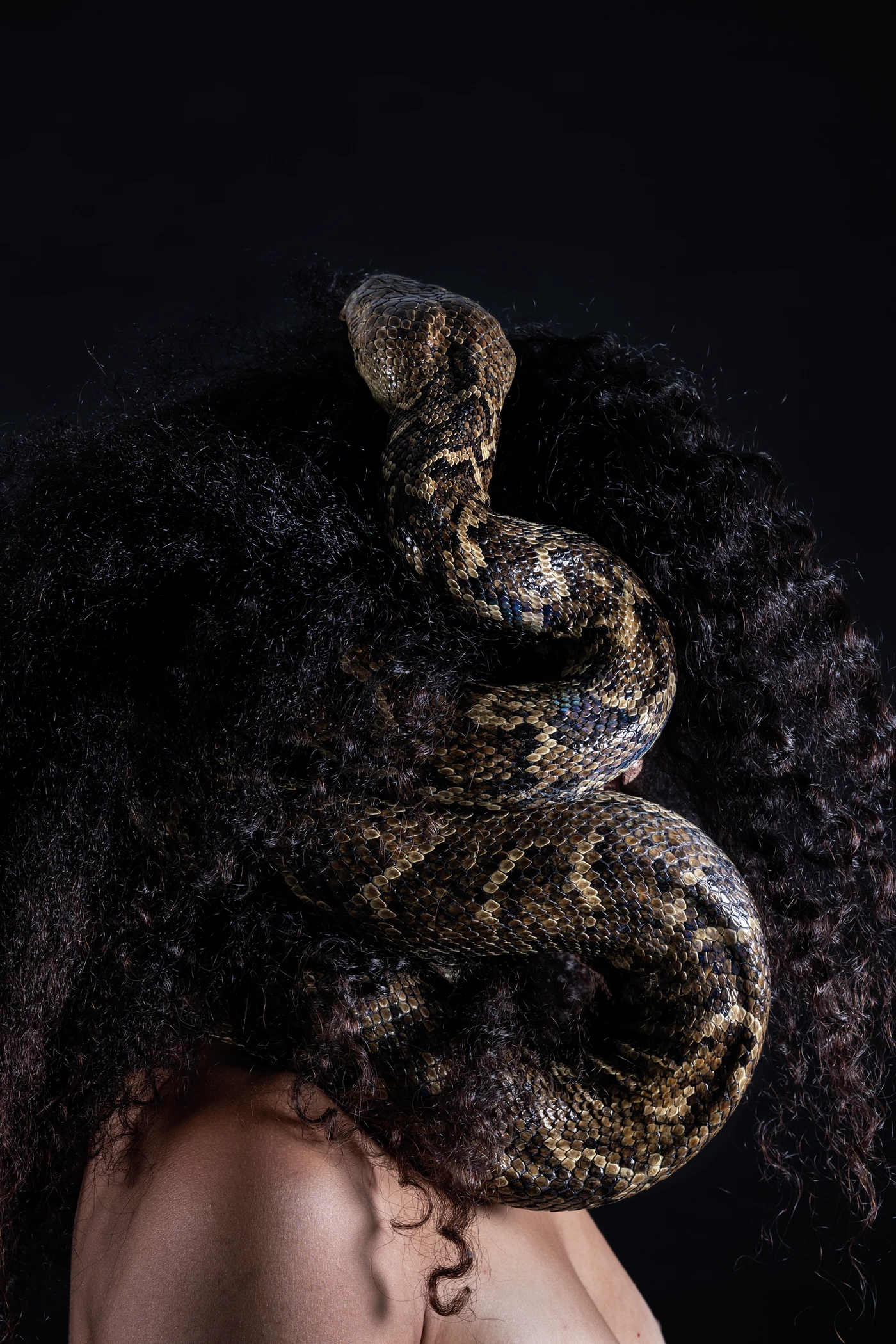
Oyalokun is a visual ode to the ocean as a border between the tangible and the sacred. Through a series of performances materialized in photography and video, Alejandra Glez fuses body and water in a black and white universe where ancestral memories emerge. The work is born from a dream in which the artist imagines herself inhabiting a time prior to colonization, transforming the sea—historically a threshold of conquest—into a space of symbolic return, transit, and resistance. The title intertwines the figures of Oya, goddess of winds, and Olókun, guardian of the ocean depths, also evoking the presence of Guabancex, the hurricane force born in the ocean. Through seven chiaroscuro compositions, water envelops the bodies like an ancestral skin, turning the sea into a mirror where spirituality, history, and identity converge, and where the tension between fury and calm reveals the ocean as genesis, wound, and threshold of transformation.
Black Sea
Mar Negro is a series that addresses darkness as a space of transit and transformation. Through the insistent repetition of the same image, Alejandra Glez turns the sea into a reflection of the inner void, a territory where absence and search coexist. Seriality functions as a ritualistic gesture: insisting on the image to name the wound and open a process of healing. Inspired by Andy Warhol's repetitive logic, the work proposes reiteration as a form of exorcism and transformation, where darkness is not an end, but a trial. The inclusion of text—a prayer written by the artist—introduces an intimate dimension that tensions the image and opens the possibility of change. In Mar Negro, repetition and language dialogue to transform pain into resistance and blackness into the latent promise of a return to blue.
Artistic career
Solo exhibitions
Collective exhibitions
Biennials and festivals
Fairs
Awards, grants and residencies
Collections
Analytical information
Market information
Signature value evolution
Professional artistic critique
Works by Alejandra Glez in the catalogue: Agua I · Agua II · Black Sea · Dance with the sea · Oyalokun · Oyalokun I · Oyalokun II · Oyalokun III · Oyalokun IV · Transformation · Transformation I · Transformation II · Transformation III · Transformation IV