"Unbeatable service and outstanding advice. We bought well and we could not be more satisfied. We will do it again."Francisco Parras
Checking availability
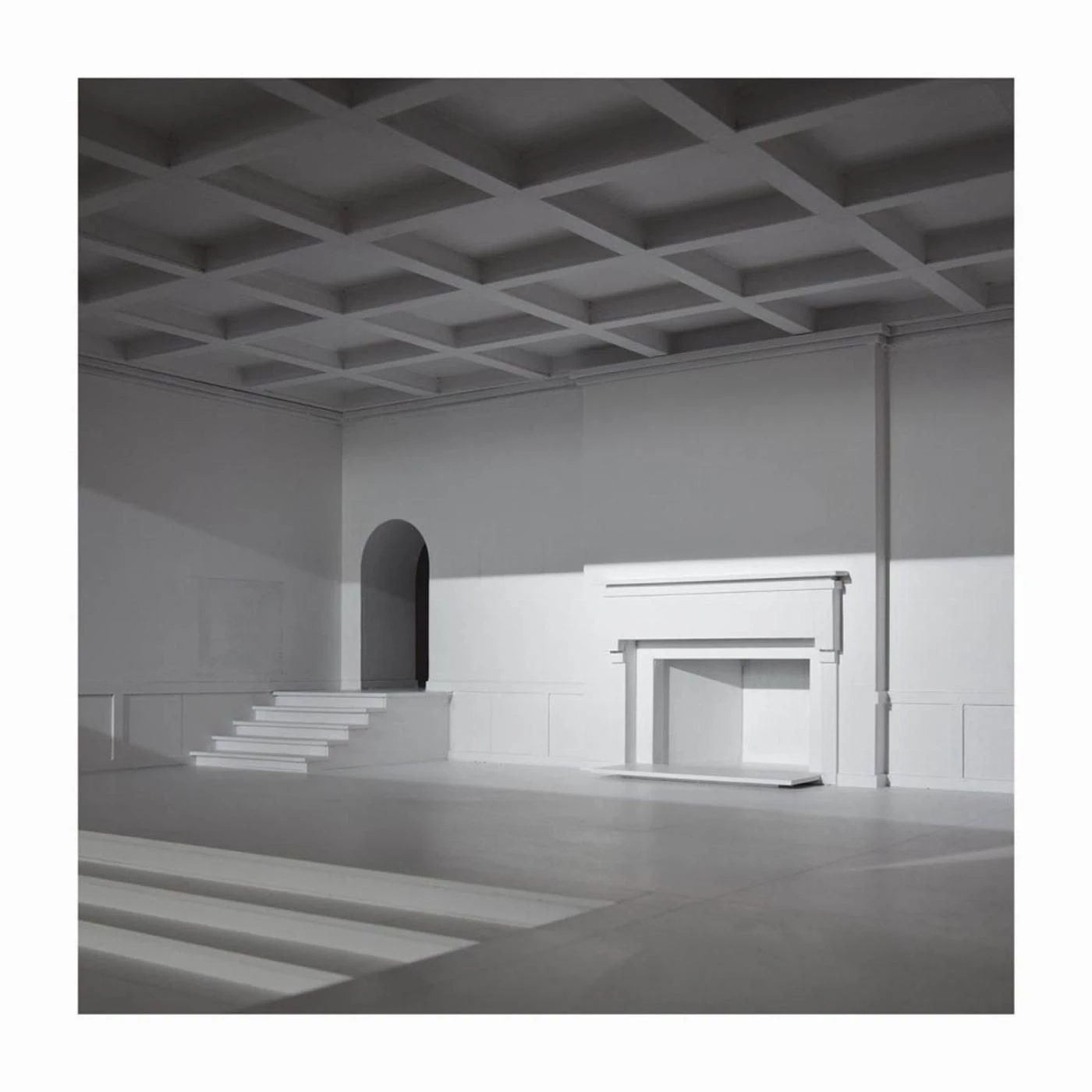
Palimpsest
Emilio PemjeanQuoted market with traceable prices
Artist selection validated by expert criteria
Value evolution based on real demand
Personalized guidance from Saisho Advisors
Price evolution
Illustrative example. The real price evolution of this artwork is available with the Duchamp plan or above.
HOW WE MEASURE IT AT SAISHO
At Saisho, every artist starts from an initial signature value, determined through the analysis of their artistic fundamentals.
Only 1 in every 500 artists we analyze meets the quality criteria required to enter Saisho.
From that point, value changes according to real market demand, making it possible to understand transparently how it evolves over time.
View full analysisArtwork details
- Measurements
- 90 x 90 cm
- Discipline
- Fotografía
- Styles
- Supports
- Papel +250 grs/m2
- Techniques
- Impresión
- Year
- 2015
- Rationale
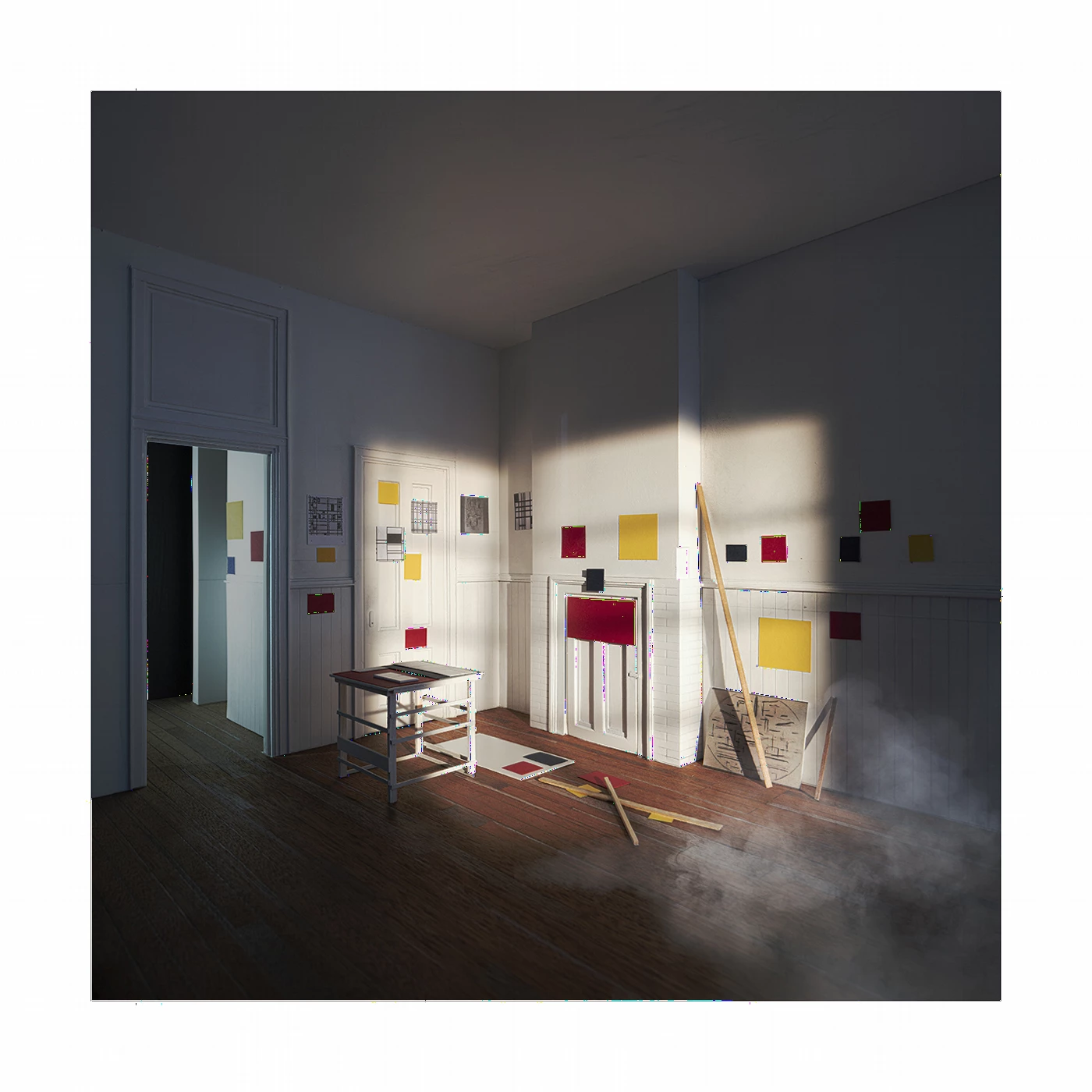
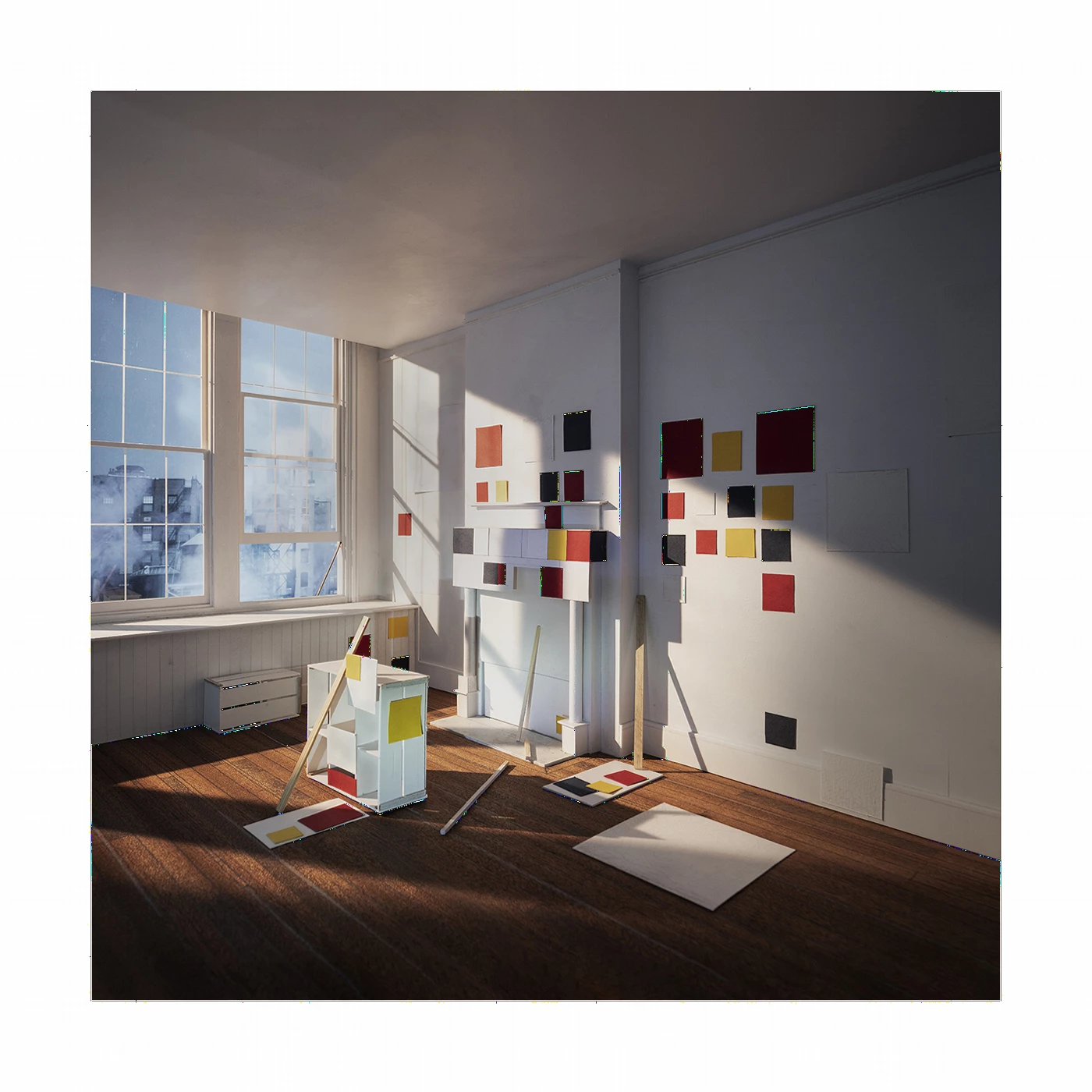
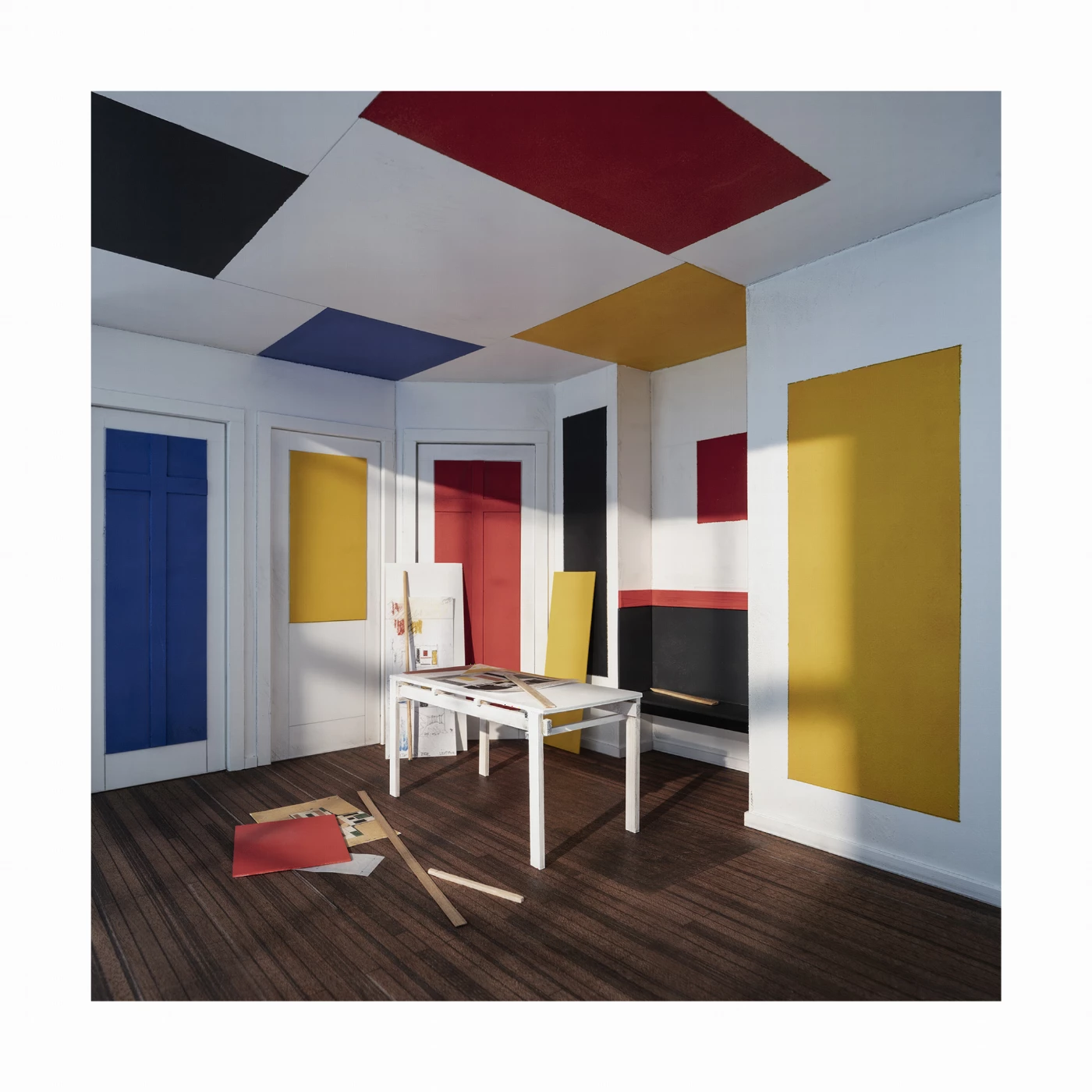
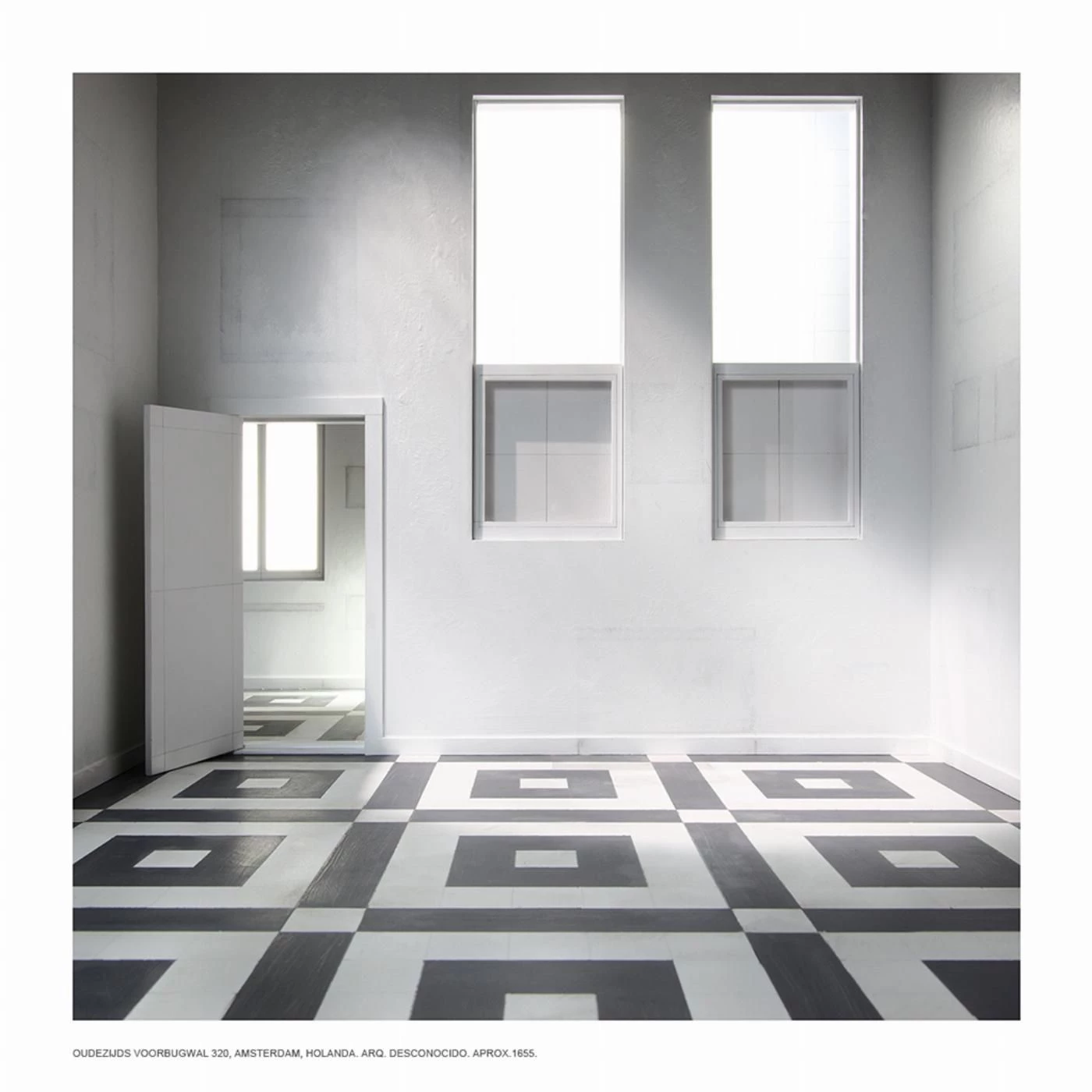
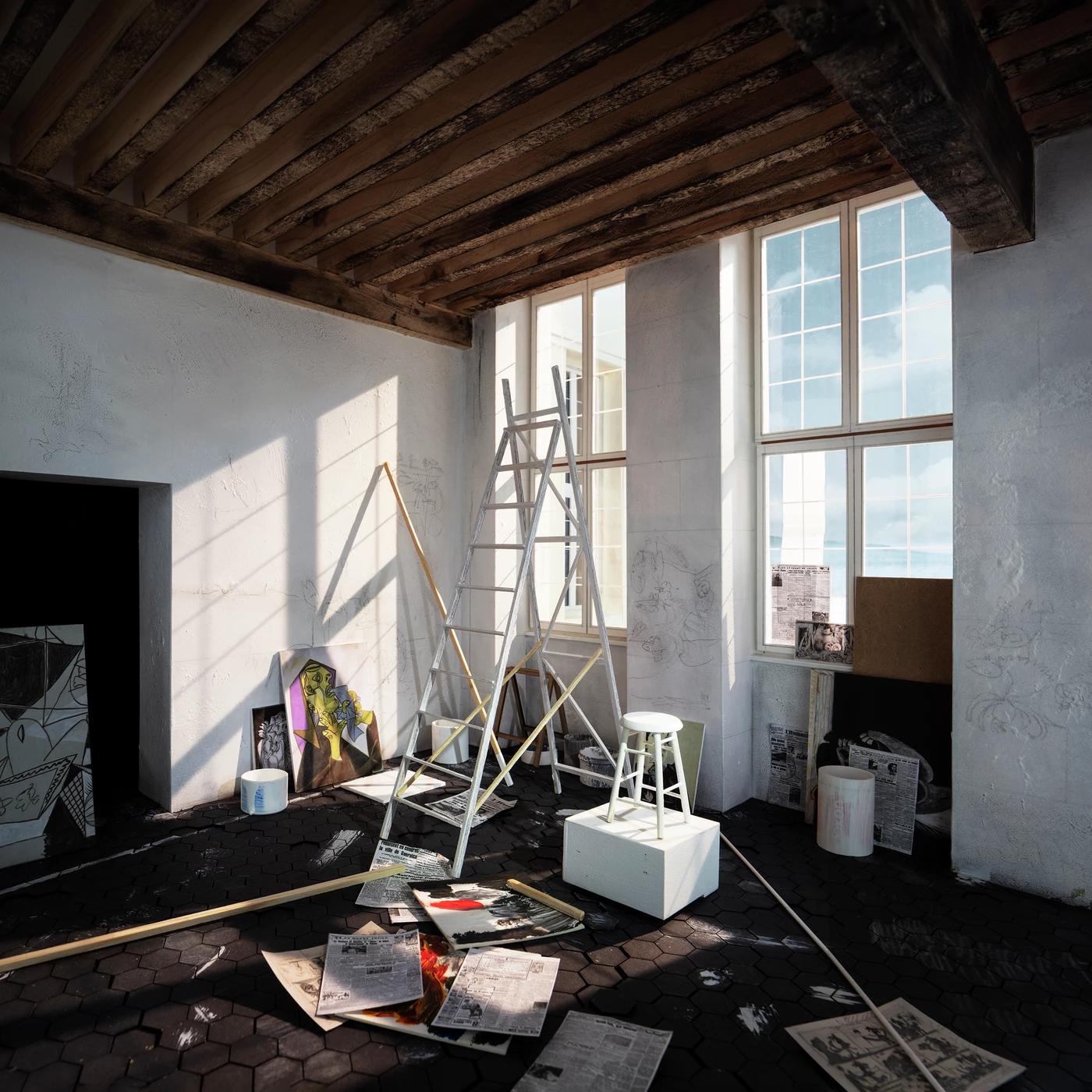
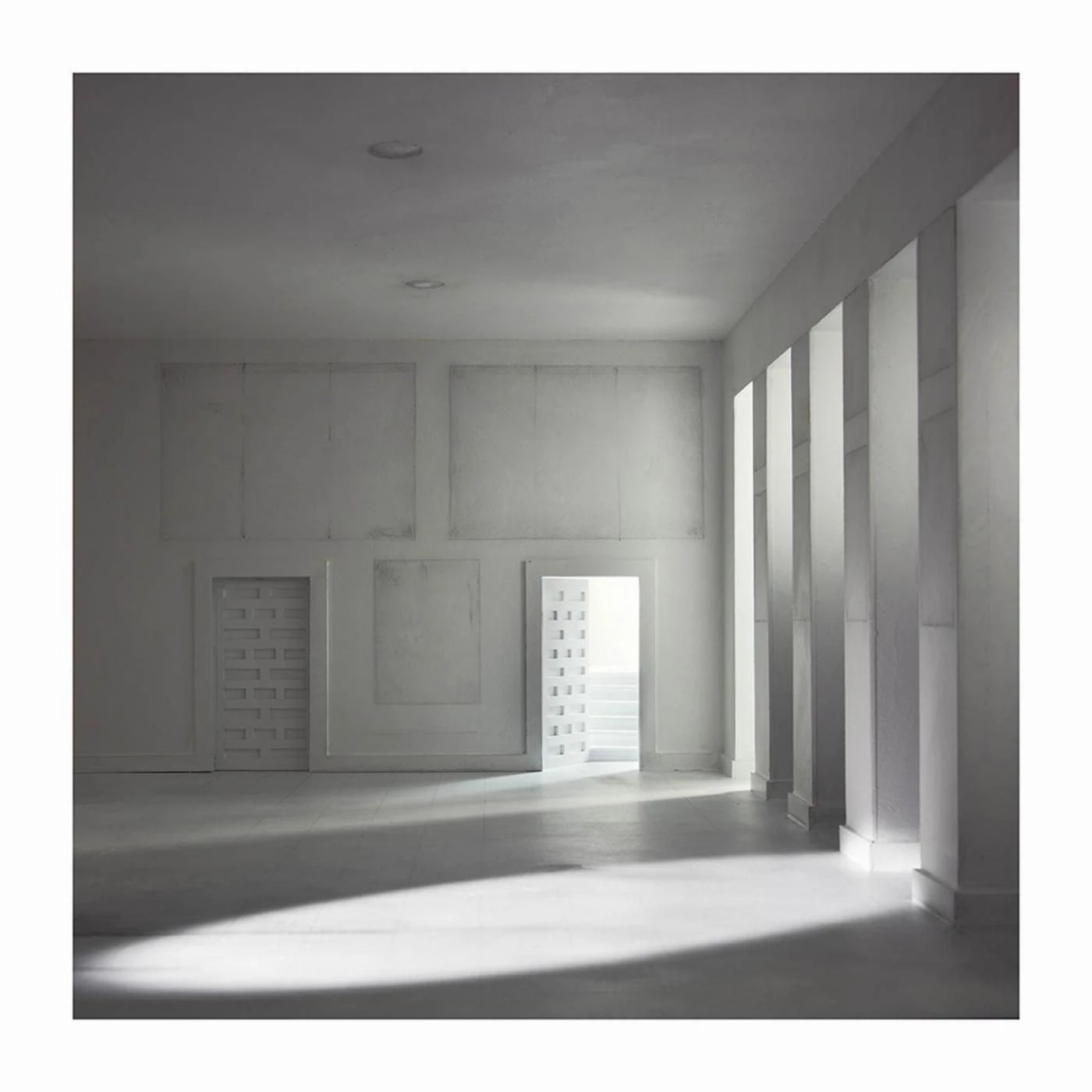
- “Oh admirable thing. You were naked before the eyes of all without feeling shame. It is because you truly carried within you the image of the first Adam, who was naked in paradise without feeling shame...” (Cyril). "…………but today after having been whipped, full of scars caused by you or by others, after having shown your worn-out body and soul, of being observed by the Voyeur, it is already impossible to return to primitive innocence, to the condition of Adam before the fall." The project takes a journey through architectures that are today non-existent but identifiable and have become collective references and myths through painting. The architectures used are those represented in masterpieces of painting. They have been stripped bare and reconstructed (models), from their two-dimensional representation, completing and reinterpreting spaces partially hidden by the objects used to form the pictorial scene. The project makes present a process of temporal transformation (associated with a transformation in its perception and representation) that begins with the real construction of the space, its use through the intentional arrangement of the “props” necessary for pictorial representation, its subsequent abandonment and loss of use value (and appropriation of a sign and symbol value that reaches our days), the physical destruction of the buildings that contain them, the three-dimensional reconstruction of a scale model (diorama), and the photographic (two-dimensional) process of the same. The photographed naked space is perceived as a palimpsest, retaining the traces of one or more superimposed and partially erased writings and inviting a reading of multiple layers that dialogue with each other (and with other photographs) and that invite a rereading of the represented space, its value as a symbol, and its capacity to represent a specific socio-economic, cultural, and political order."- Emilio Pemjean
Includes certificate of authenticity
Shipping and transport
Each artwork is prepared and shipped with specialized transport, custom packaging, and insurance through final delivery.
- Home delivery: You will receive the artwork at the address you provide.
- Delivery time: Estimated according to the origin, destination, and characteristics of the artwork.
- Shipping origin: Pieces are shipped from the artist's studio or from our facilities in Madrid, depending on the artwork.
- International coverage: We ship worldwide through specialized operators.
- End-to-end management: We handle transport, insurance, and shipping-related procedures, including import taxes and duties when applicable.
- Transport cost: Calculated according to the destination and characteristics of the artwork, and confirmed before completing the acquisition.
This artwork ships from Spain.
Prices and payment
The displayed price corresponds to the artwork's current value within the Saisho Market.
ARTWORK.NEW.PRICES_PAYMENT_TEXT2


Saisho guarantee
Artworks available at Saisho have been selected through an artistic and market analysis system that guarantees their quality.
If the artwork is not right for you, you can recover your deposit or apply it to another artwork.
We accompany you throughout the process so every acquisition is an informed decision.
At Saisho you do not only acquire an artwork, you acquire with criteria.
Reserve with 5% and complete the acquisition later

Artist
Emilio Pemjean
Emilio Pemjean (Santiago de Chile, 1971) conceives his work from a multidisciplinary framework, connecting architecture, painting, video, and photography. The project he presents at Saisho constructs or reconstructs, through manipulation, remnants of now-nonexistent architectures, designing models and photographing them. Pemjean reflects on time, the present, the absent, and memory. In this case, photography abandons its traditional documentary function, capturing "truth," and introduces doubt about what is seen and naively accepted as real.
View full profileOther works by the artist
Emilio Pemjean
Have questions?
We advise you in 2 minutes.