"Unbeatable service and outstanding advice. We bought well and we could not be more satisfied. We will do it again."Francisco Parras
Checking availability
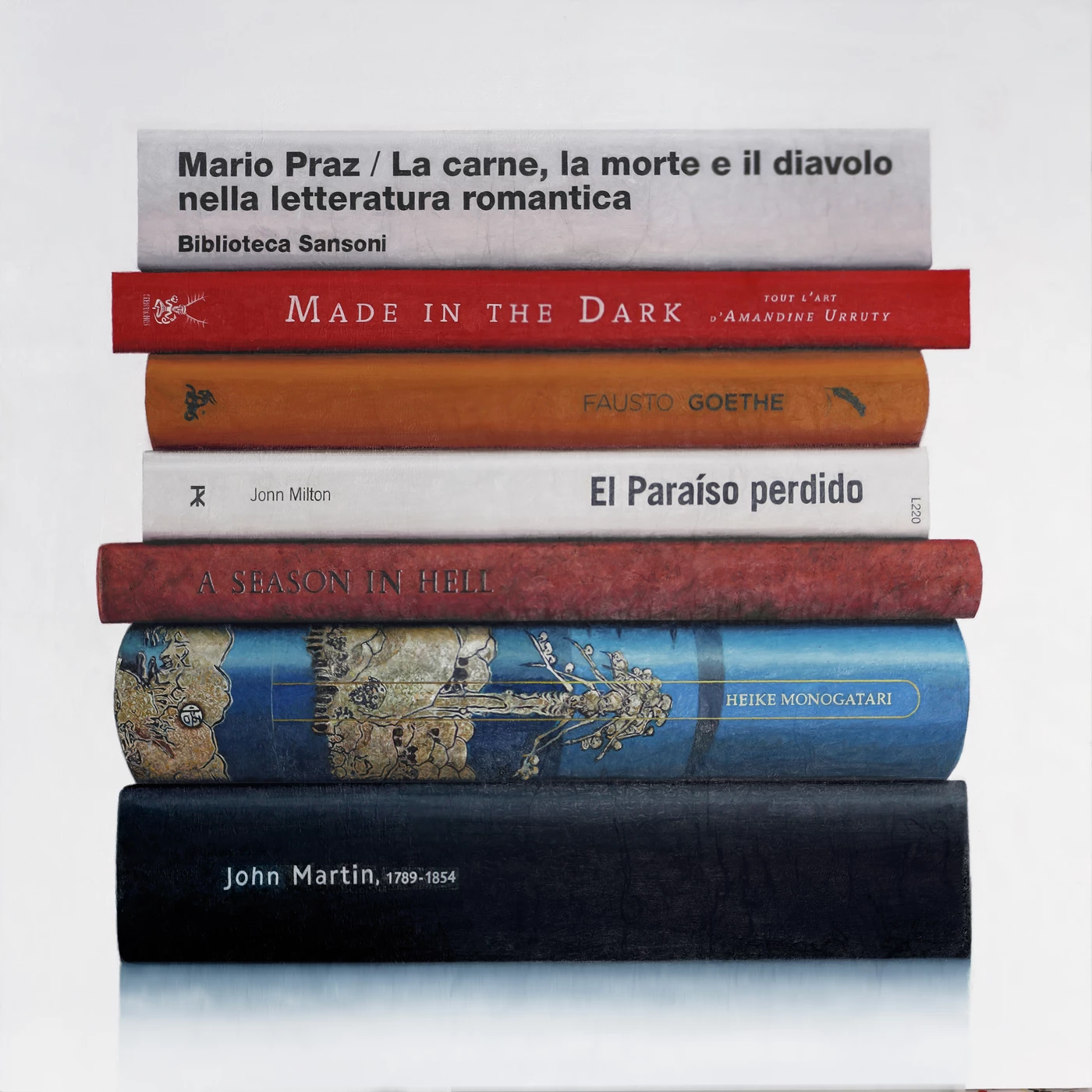
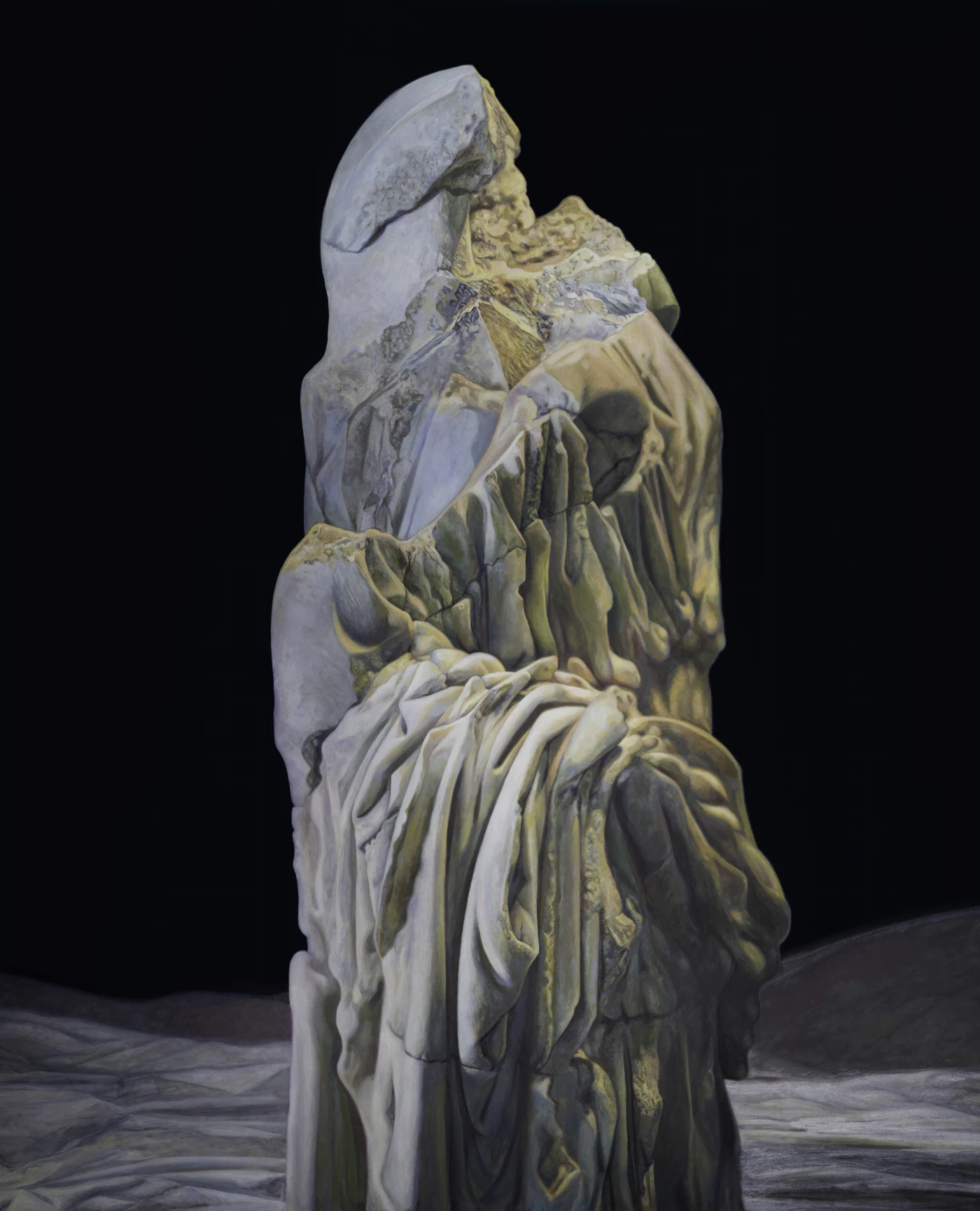
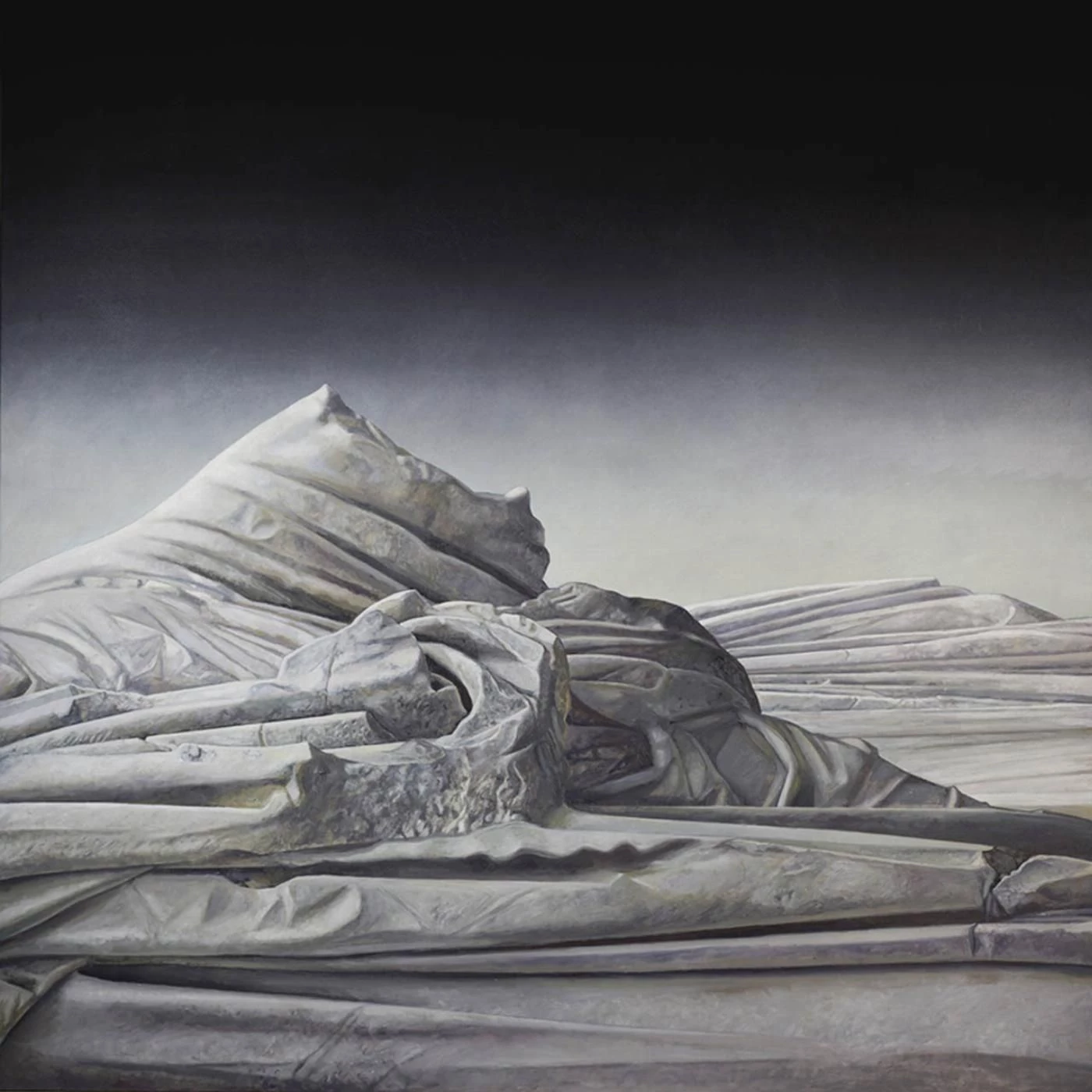
Rome III
Paco DíazQuoted market with traceable prices
Artist selection validated by expert criteria
Value evolution based on real demand
Personalized guidance from Saisho Advisors
Price evolution
Illustrative example. The real price evolution of this artwork is available with the Duchamp plan or above.
HOW WE MEASURE IT AT SAISHO
At Saisho, every artist starts from an initial signature value, determined through the analysis of their artistic fundamentals.
Only 1 in every 500 artists we analyze meets the quality criteria required to enter Saisho.
From that point, value changes according to real market demand, making it possible to understand transparently how it evolves over time.
View full analysisArtwork details
- Measurements
- 100 x 100 cm
- Discipline
- Pintura
- Styles
- Minimalismo | Neofiguración
- Supports
- Lino
- Techniques
- Óleo
- Year
- 2019
- Rationale
- "In Wim Wenders' “Faraway, So Close!” (In weiter ferne, so nah!, 1993), angels observe us with a distant gaze, analyzing the human soul in black and white. And they envy us, because they cannot feel or enjoy as we do. And sometimes, only on rare occasions, there are angels who prefer to surrender, to lose their immortality to feel and see like humans, in full color. A little over a year ago, I entered the National Museum of Roman Art in Mérida for the first time. As I walked through the rooms designed by Moneo, Piranesi's series The Prisons came to mind: from ancient ruins, sets are constructed that can somehow be read as a portrait of the soul. Perhaps that was the starting point that led me to see a whole world concentrated in a few centimeters of marble when looking at the sculptures of senators, august patricians, and Roman emperors, in the folds of their togas and garments. A matter of scales, that is, of space. A portion of marble that could well be the model for a landscape of several kilometers. The carved folds that want to be fabric can represent valleys, slopes, plateaus, and mountains, a journey in space. But also in time, to childhood, to the cowboy movies shown on television during Saturday afternoons. Monument Valley, Bryce Canyon with its gigantic natural amphitheaters, or the arches of Arches National Park became a familiar place. Rocky, stern, sculptural landscapes that served as a backdrop for fiction. Looking at the Roman sculptures, other types of landscapes came to mind, also associated with my childhood, those seen on Tatooine. The desolate fictional planet we know as if it were real thanks to George Lucas's saga. Lies that turn out to be more convincing than some truths. More journeys: to the works of Caspar David Friedrich, yes, but also to the visionary ones of John Martin, to the heart of Romanticism. In 1863, the landscape photographer Lyndon Smith proclaimed that the genre (landscape) served as a purgative against the “decayed and overexploited systems of “high art” and the “classical” advocated by sir Joshua Reynolds, [...] as well as against [...] the cold, disloyal, and heartless works of pagan Rome and Greece”.1 And yet, observing a portion of Roman marble closely can evoke something similar to what you feel when looking at Friedrich's “The Sea of Ice”. A whole world concentrated in a few centimeters. Another journey, this time returning. The stone, extracted centuries ago from the quarry where it formed part of a landscape and which man modified, becomes landscape again. A recreated landscape, as all landscapes actually are. Because the gaze, the framing, is always subjective, and the one who decides what to select and how is indebted to the past. To the way of looking and the subjects of interest of those who preceded us. Then we can conform to them or rebel and question them, but there they are, forming part of our way of seeing." - Paco Díaz
Includes certificate of authenticity
Shipping and transport
Each artwork is prepared and shipped with specialized transport, custom packaging, and insurance through final delivery.
- Home delivery: You will receive the artwork at the address you provide.
- Delivery time: Estimated according to the origin, destination, and characteristics of the artwork.
- Shipping origin: Pieces are shipped from the artist's studio or from our facilities in Madrid, depending on the artwork.
- International coverage: We ship worldwide through specialized operators.
- End-to-end management: We handle transport, insurance, and shipping-related procedures, including import taxes and duties when applicable.
- Transport cost: Calculated according to the destination and characteristics of the artwork, and confirmed before completing the acquisition.
This artwork ships from Spain.
Prices and payment
The displayed price corresponds to the artwork's current value within the Saisho Market.
ARTWORK.NEW.PRICES_PAYMENT_TEXT2


Saisho guarantee
Artworks available at Saisho have been selected through an artistic and market analysis system that guarantees their quality.
If the artwork is not right for you, you can recover your deposit or apply it to another artwork.
We accompany you throughout the process so every acquisition is an informed decision.
At Saisho you do not only acquire an artwork, you acquire with criteria.
Reserve with 5% and complete the acquisition later
Artist
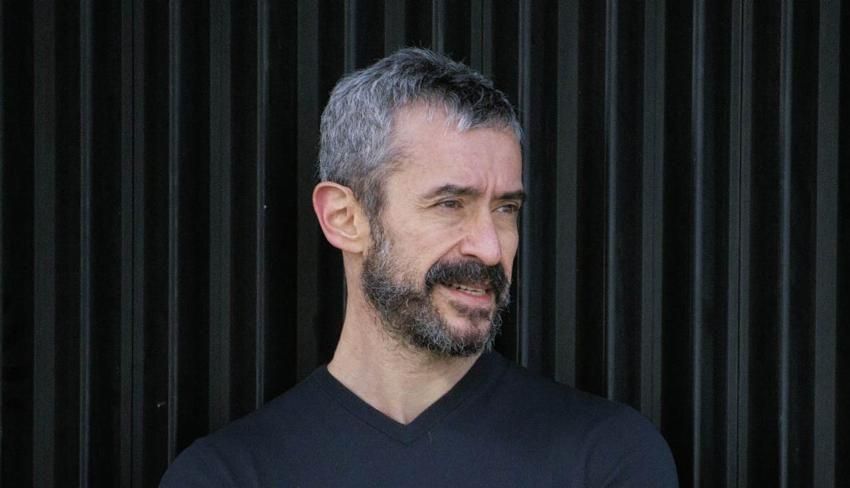
Paco Díaz
Paco Díaz is a figurative artist who connects past, present, and future through his artistic proposal and formally appropriates aesthetic resources from a variety of styles different from classical figuration. His genius lies particularly in his theoretical proposal by reimagining historical memory (cemeteries, Roman sculptures) as symbolic landscapes, and in using fiction (science fiction, architectural utopias) to reflect on our human condition and yearning for transcendence. Paco Díaz's enigmatic works reflect the influence of cinema and architecture on his production. Both his urban landscapes and his still lifes share an aesthetic of iridescent, cool, and clean colors; these convey sensations of melancholy and frustration while he plays with irony and pop aesthetics to immerse us in a surreal imaginary. Through meticulous post-production, Díaz manages - with a dark elegance - to make us reflect on our quest for transcendence in this life by using cemetery scenes and religious iconography, playing with a pop and ironic imaginary.
View full profileOther works by the artist
Paco Díaz
Have questions?
We advise you in 2 minutes.