"Unbeatable service and outstanding advice. We bought well and we could not be more satisfied. We will do it again."Francisco Parras
Checking availability
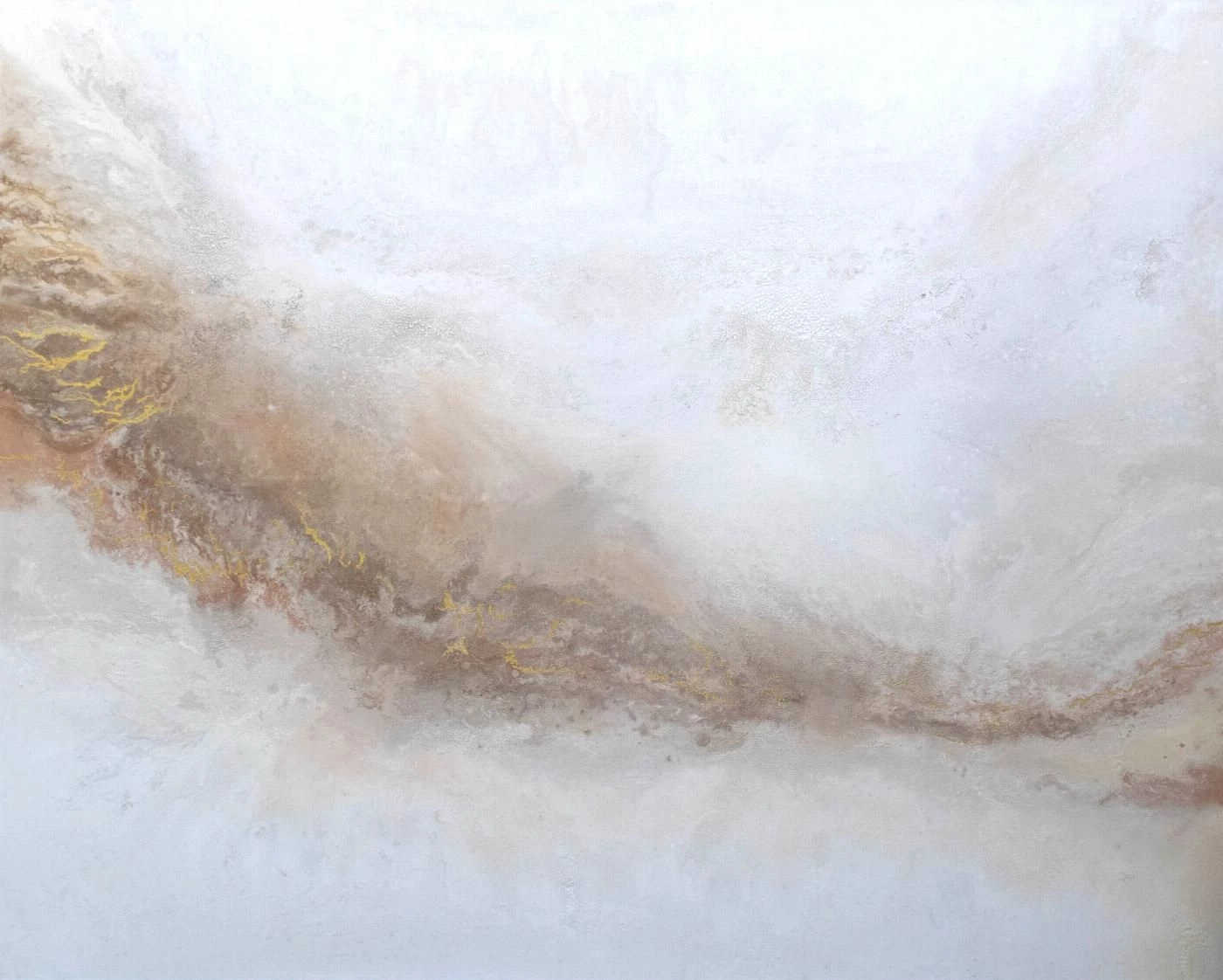
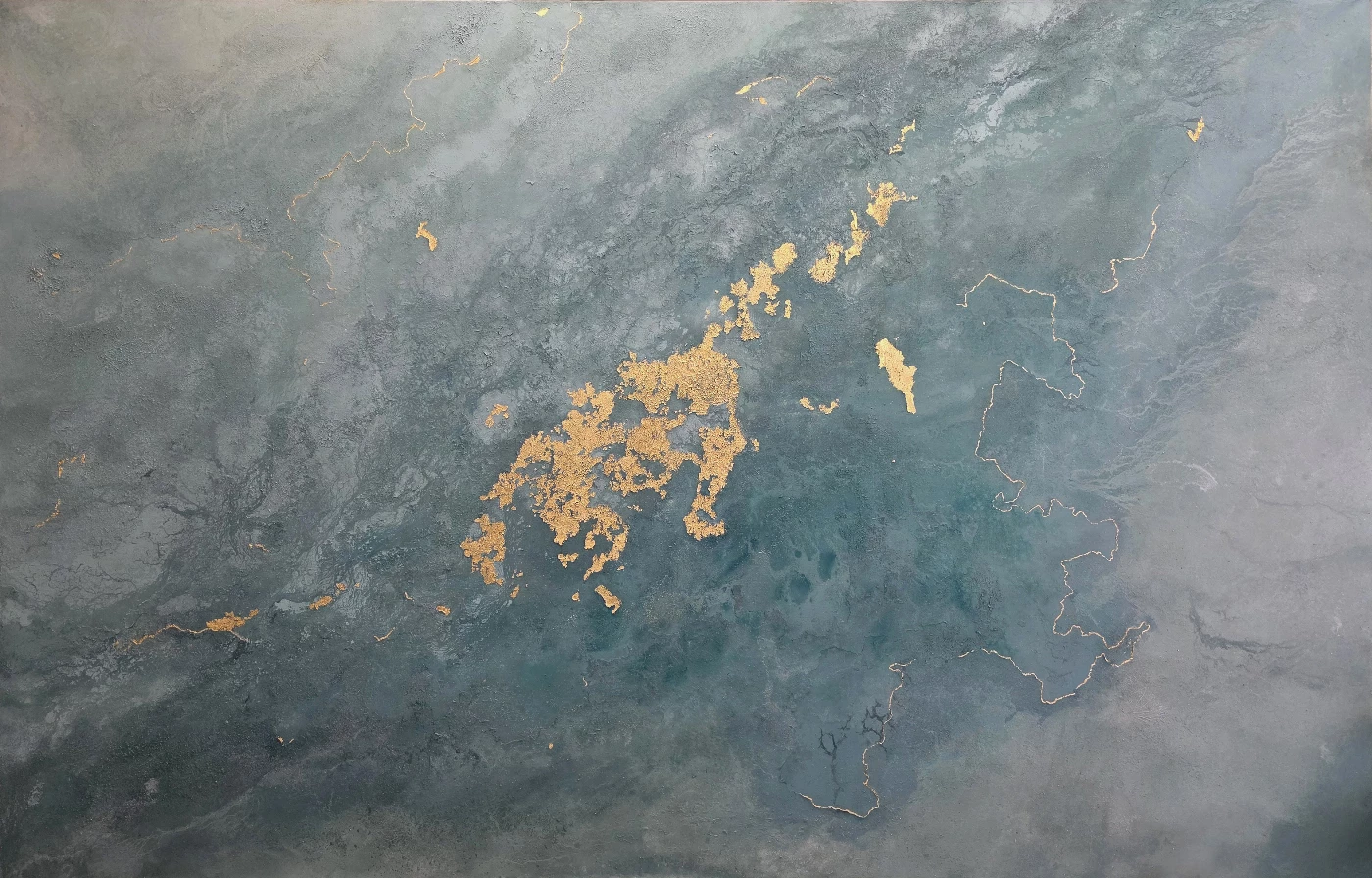
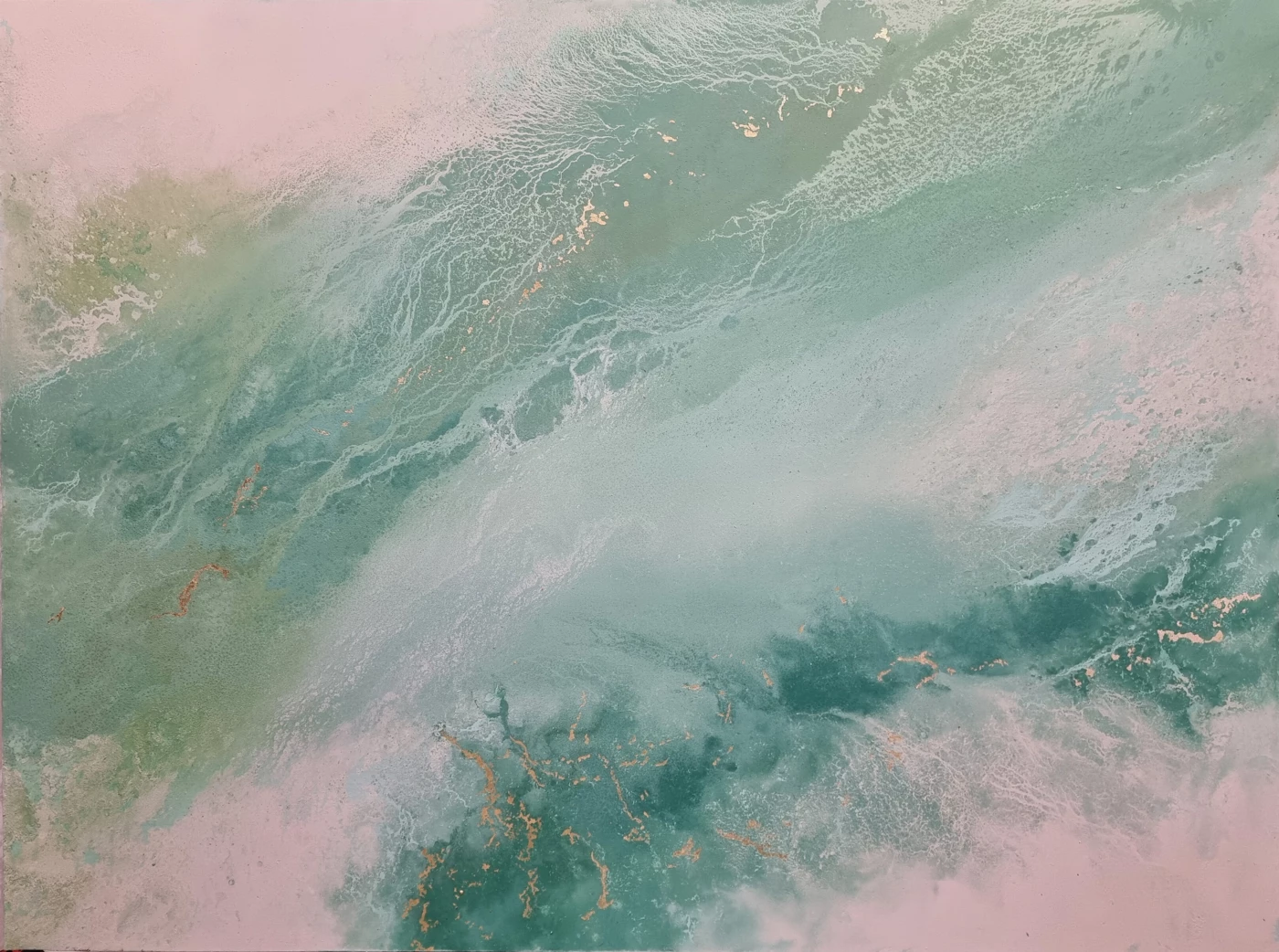
Mosses XXXIII
Elisa de la TorreQuoted market with traceable prices
Artist selection validated by expert criteria
Value evolution based on real demand
Personalized guidance from Saisho Advisors
Price evolution
Illustrative example. The real price evolution of this artwork is available with the Duchamp plan or above.
HOW WE MEASURE IT AT SAISHO
At Saisho, every artist starts from an initial signature value, determined through the analysis of their artistic fundamentals.
Only 1 in every 500 artists we analyze meets the quality criteria required to enter Saisho.
From that point, value changes according to real market demand, making it possible to understand transparently how it evolves over time.
View full analysisArtwork details
- Measurements
- 120 x 160 cm
- Discipline
- Pintura
- Styles
- Arte abstracto
- Supports
- Lienzo
- Techniques
- Acrílico | Pan de oro | Minerales | Oro 22k | oro
- Year
- 2024
- Rationale
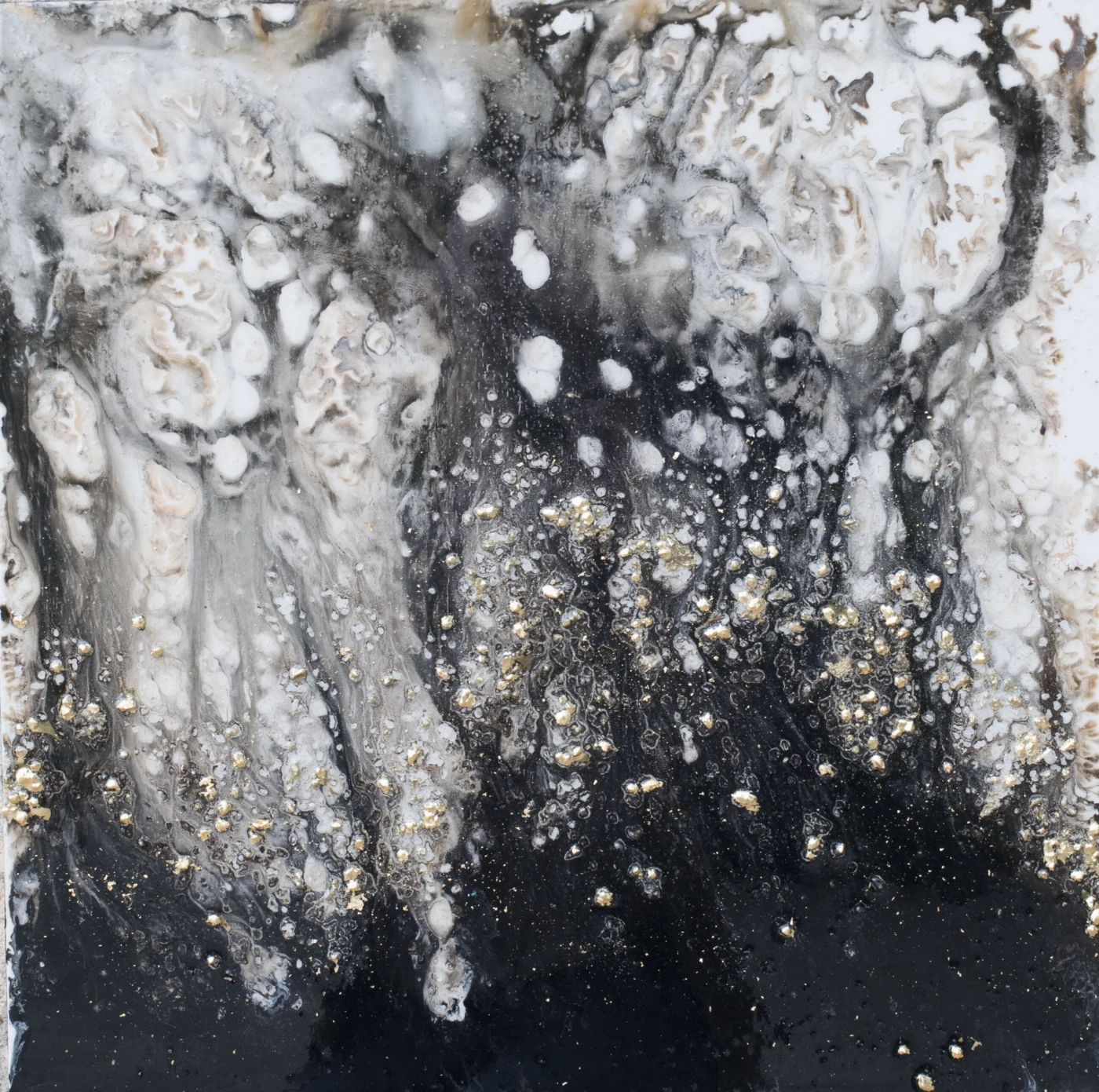
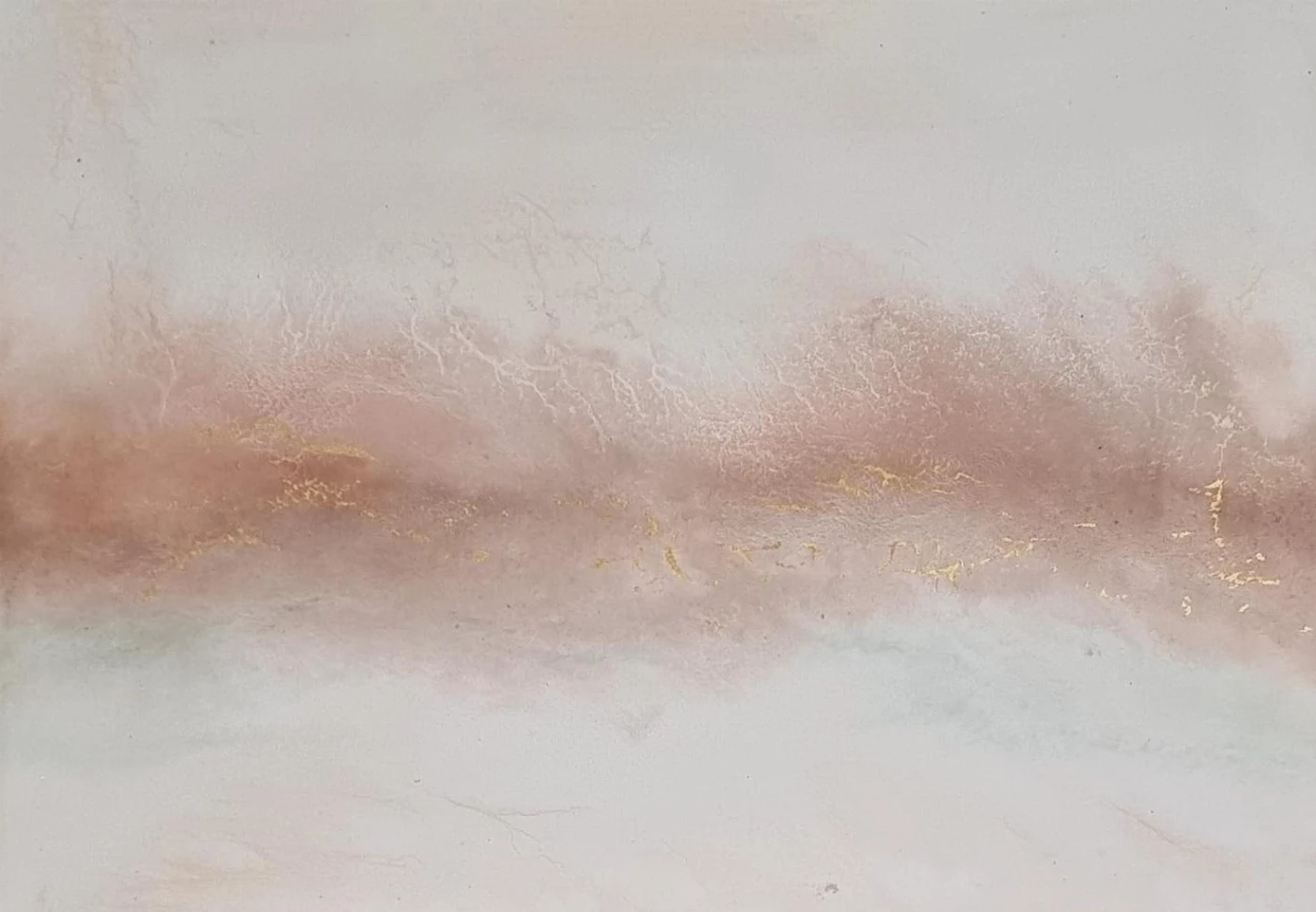
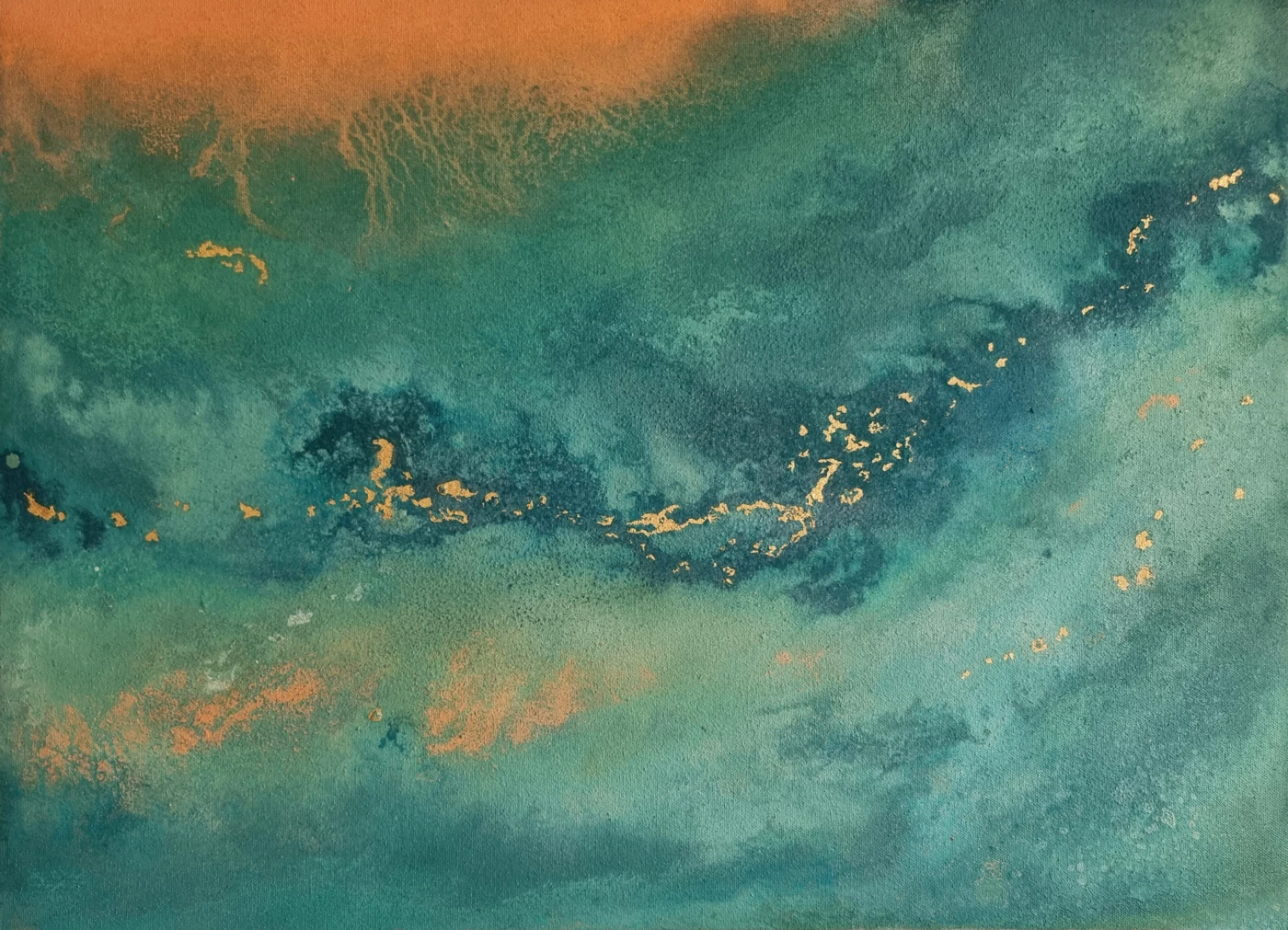
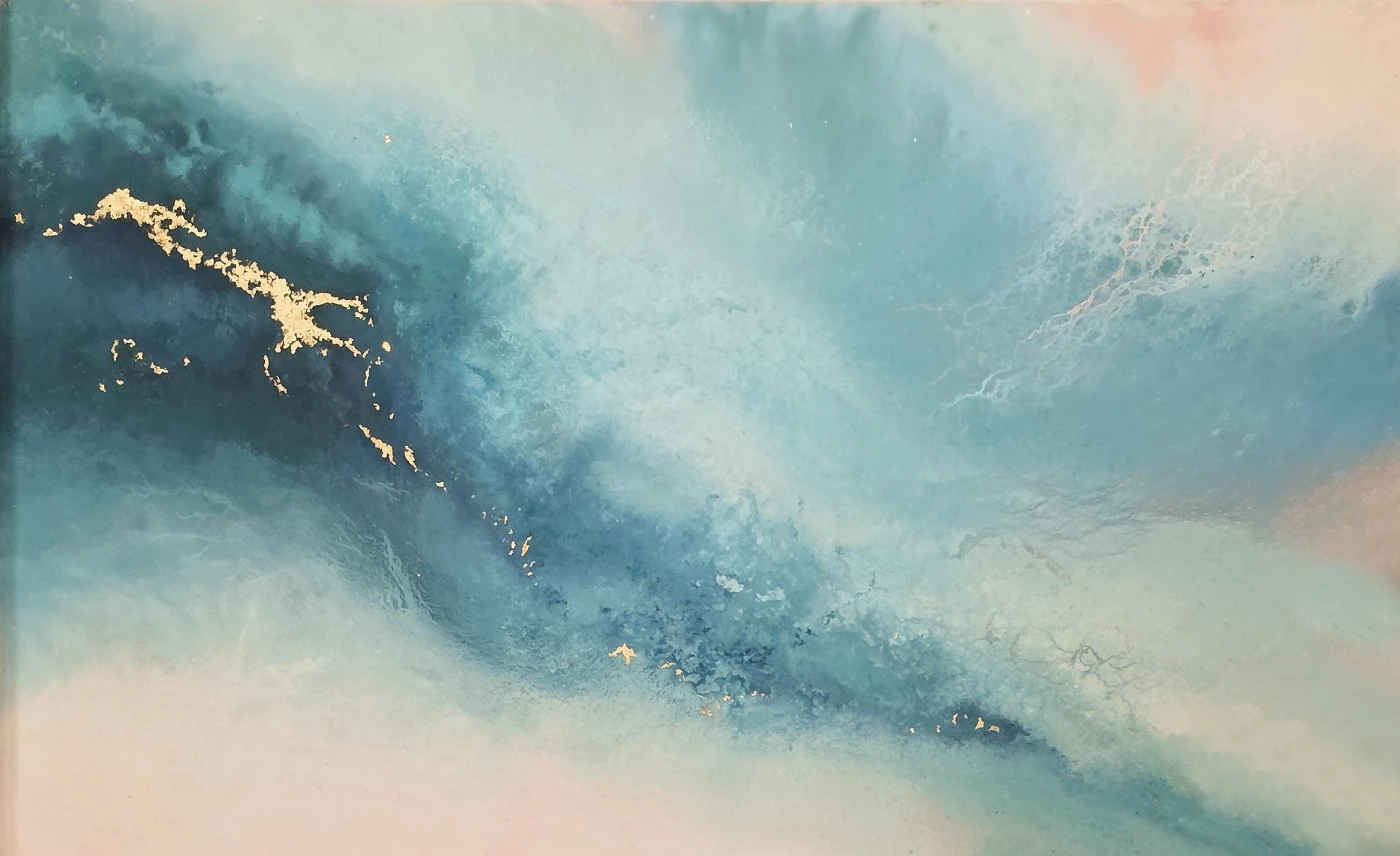
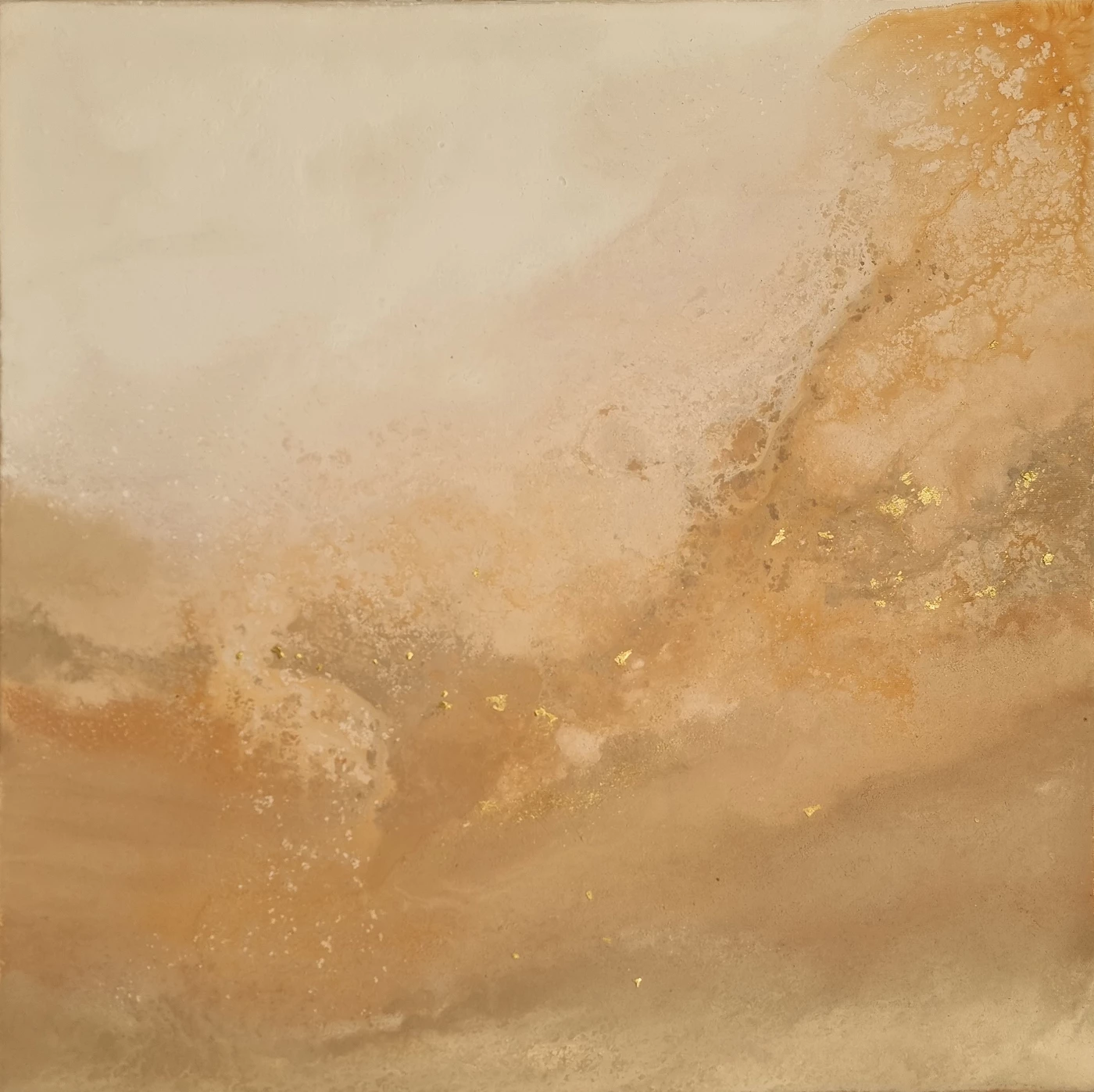
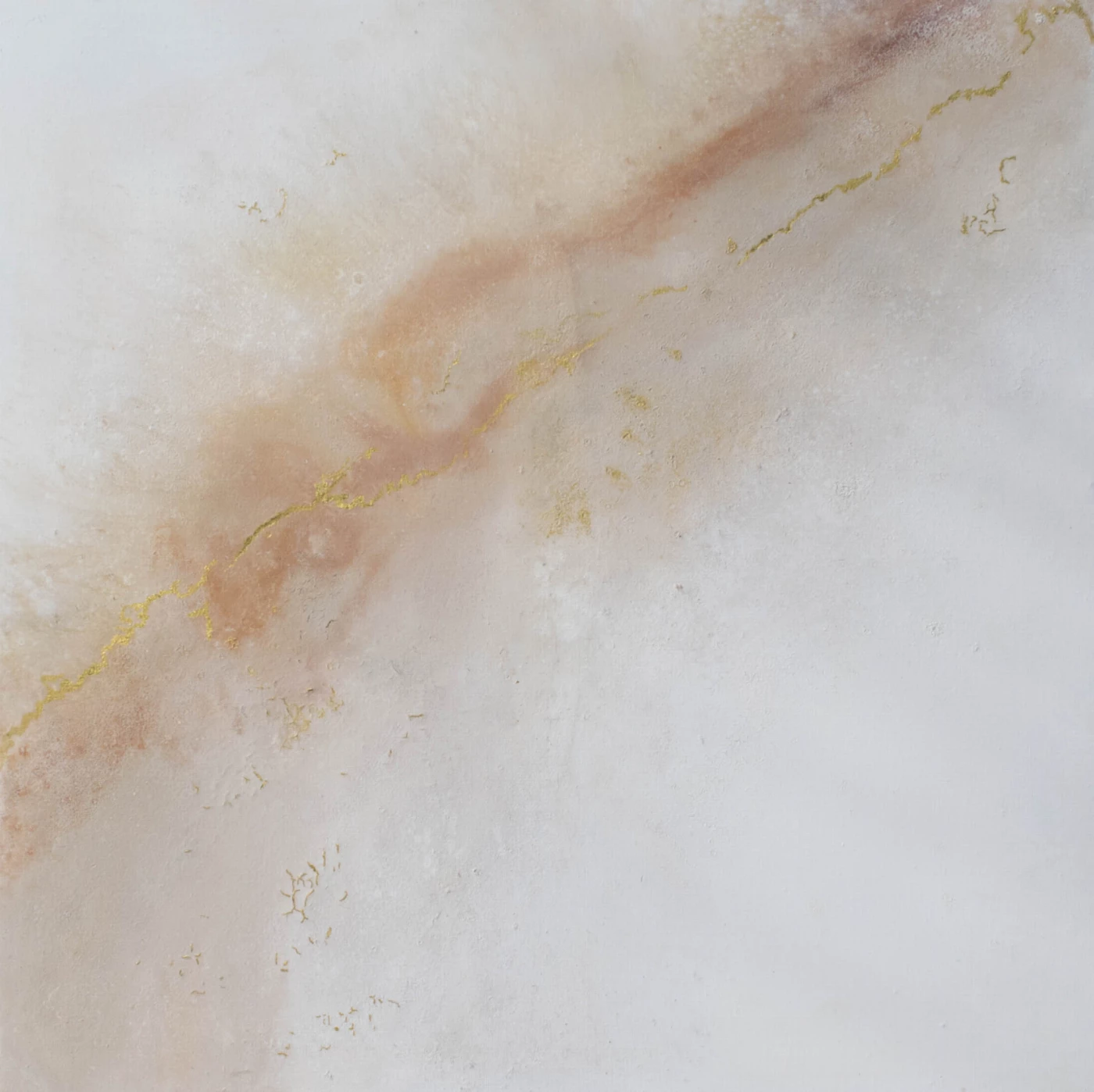
- [musgos] is a subtle conversation of natural elements. A dialogue of broken dryness is presented against a proposal full of life and moisture. The organic appearance connects the viewer with memories of places and landscapes of green tones that abstract into shapes and textures. From them, memory can dive into its exploration freely, entering a state of serene contemplation, moving between memories and sensations that permeate the whole being. The continuous movement of fluid forms against the stillness and repose manifested by the balance of forms also contrasts with the presence of emptiness versus the overabundance of information in textures and details. [musgos] is a subtle conversation between dryness and humidity, between emptiness and overabundance. The organic shapes suggest unnamed green territories that awaken memory: fragments of forest, mist, moss, earth. It is not about representing a landscape, but about invoking it from sensation, from matter that transforms and opens up like a living organism. In these works, fluid movement coexists with stillness, creating a space where the gaze moves slowly, like someone exploring a place without a map. Each texture, each contrast, invites serene contemplation and mental drift: memories that are not entirely reconstructed, but persist. In this suspended territory, where the natural becomes abstract, the crack appears as an inevitable gesture: a fracture that reveals what lies beneath, as if time left its mark on the surface. Gold does not hide this wound; it underlines it, makes it an essential part of the narrative, reminding us that fragility also has value. The textures —dense, fractal, almost geological— suggest maps of the natural and the mental, spaces where the gaze moves unhurriedly, between movement and repose. [musgos] is an invitation to contemplate what changes and remains, to get lost in an abstract landscape that does not seek to impose itself, but to resonate: an echo of nature that becomes an experience.
Includes certificate of authenticity
Shipping and transport
Each artwork is prepared and shipped with specialized transport, custom packaging, and insurance through final delivery.
- Home delivery: You will receive the artwork at the address you provide.
- Delivery time: Estimated according to the origin, destination, and characteristics of the artwork.
- Shipping origin: Pieces are shipped from the artist's studio or from our facilities in Madrid, depending on the artwork.
- International coverage: We ship worldwide through specialized operators.
- End-to-end management: We handle transport, insurance, and shipping-related procedures, including import taxes and duties when applicable.
- Transport cost: Calculated according to the destination and characteristics of the artwork, and confirmed before completing the acquisition.
This artwork ships from Spain.
Prices and payment
The displayed price corresponds to the artwork's current value within the Saisho Market.
ARTWORK.NEW.PRICES_PAYMENT_TEXT2


Saisho guarantee
Artworks available at Saisho have been selected through an artistic and market analysis system that guarantees their quality.
If the artwork is not right for you, you can recover your deposit or apply it to another artwork.
We accompany you throughout the process so every acquisition is an informed decision.
At Saisho you do not only acquire an artwork, you acquire with criteria.
Reserve with 5% and complete the acquisition later
Artist
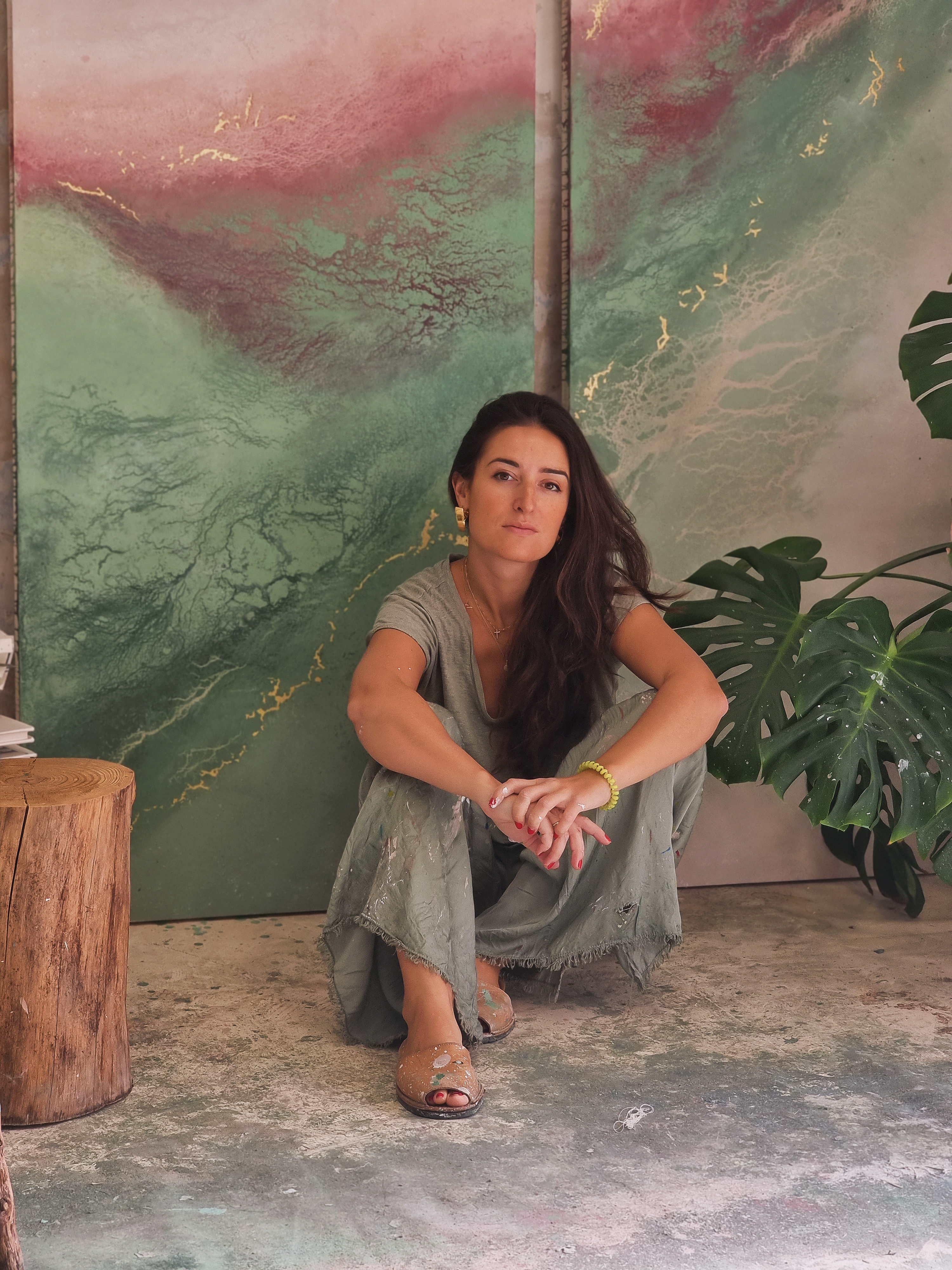
Elisa de la Torre
Young Madrid-based artist, focused on abstract painting. Elisa de la Torre's work is based on the exploration of fluid and crystallized painting through mineralization, which results in orographies of organic formations and textures related to elements of nature. Elisa has developed her work primarily in Spain to date, participating in fairs such as Art Madrid and Estampa, and belongs to collections such as Mensajeros por la Paz.
View full profileOther works by the artist
Elisa de la Torre
Have questions?
We advise you in 2 minutes.