Global score
The artist’s overall score out of 10, weighted across quality, market, potential and validation.
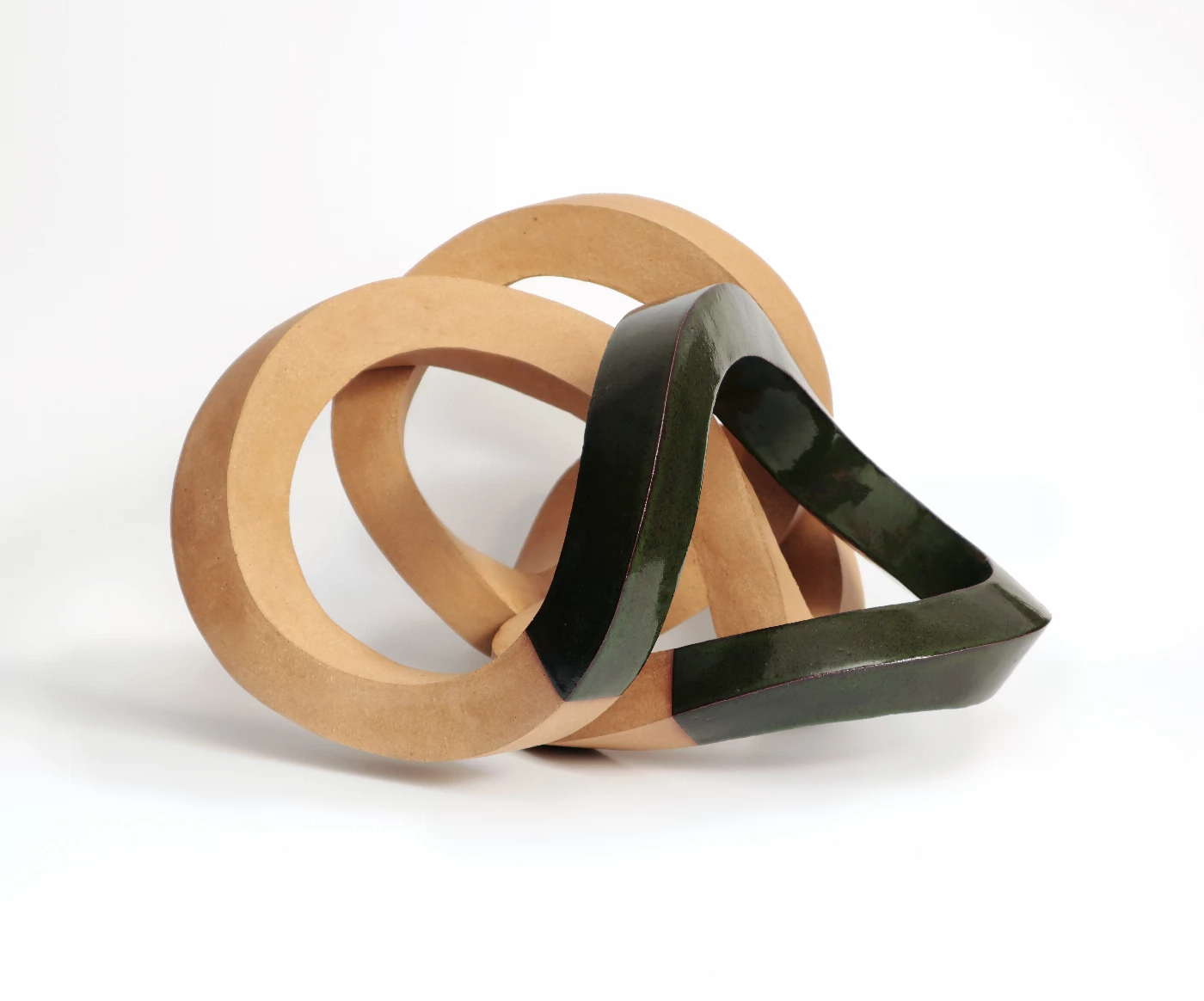
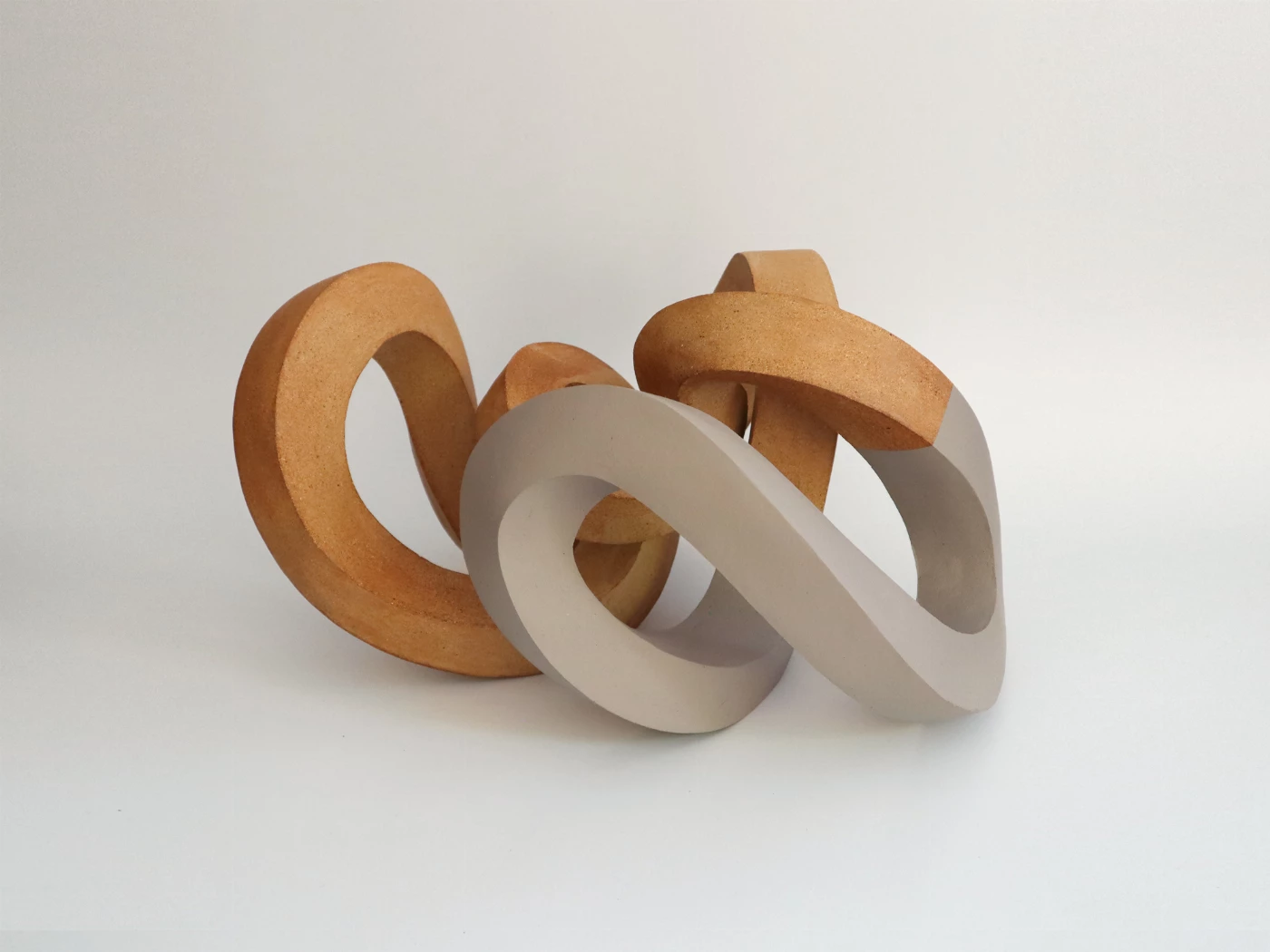
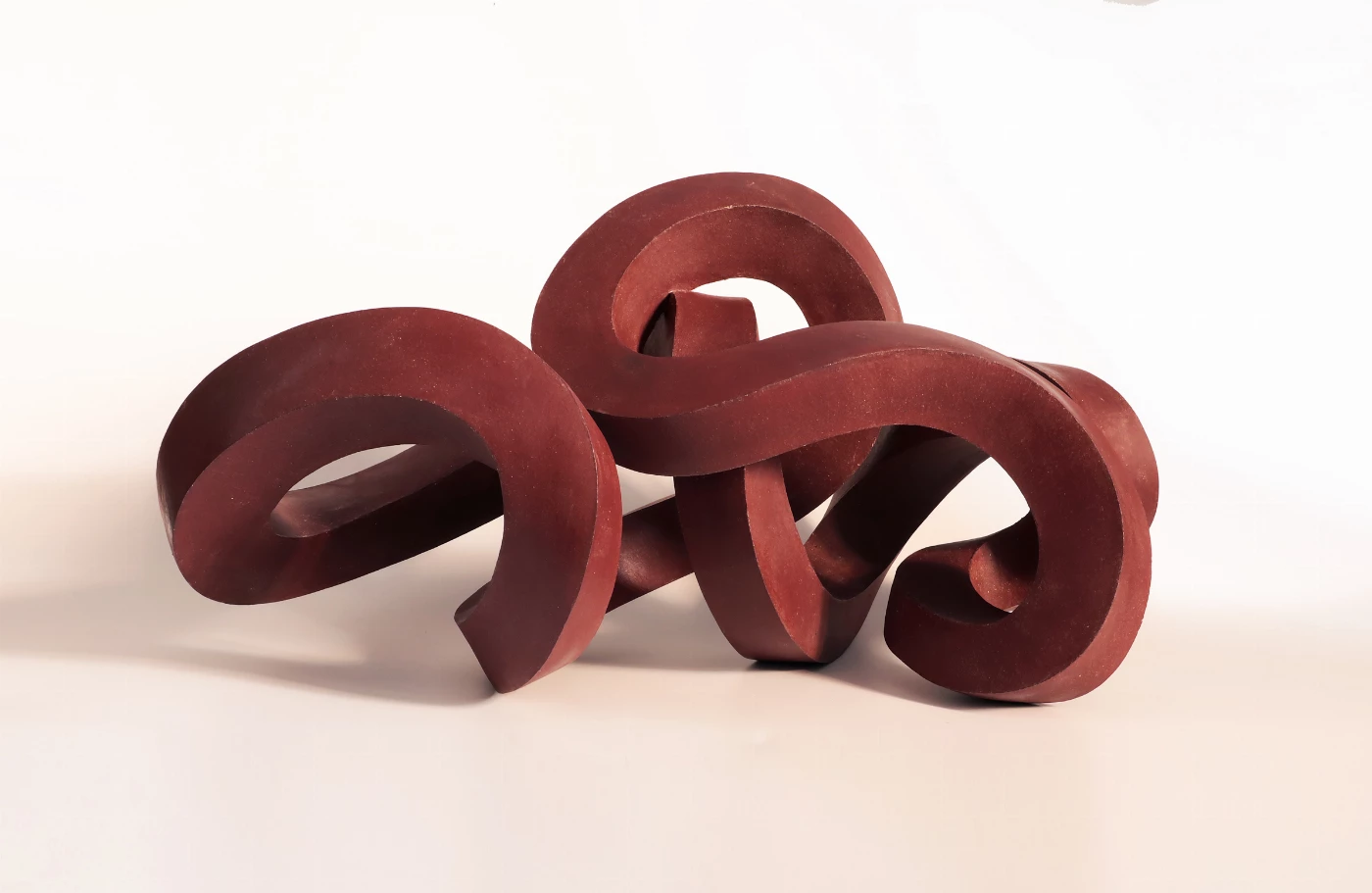
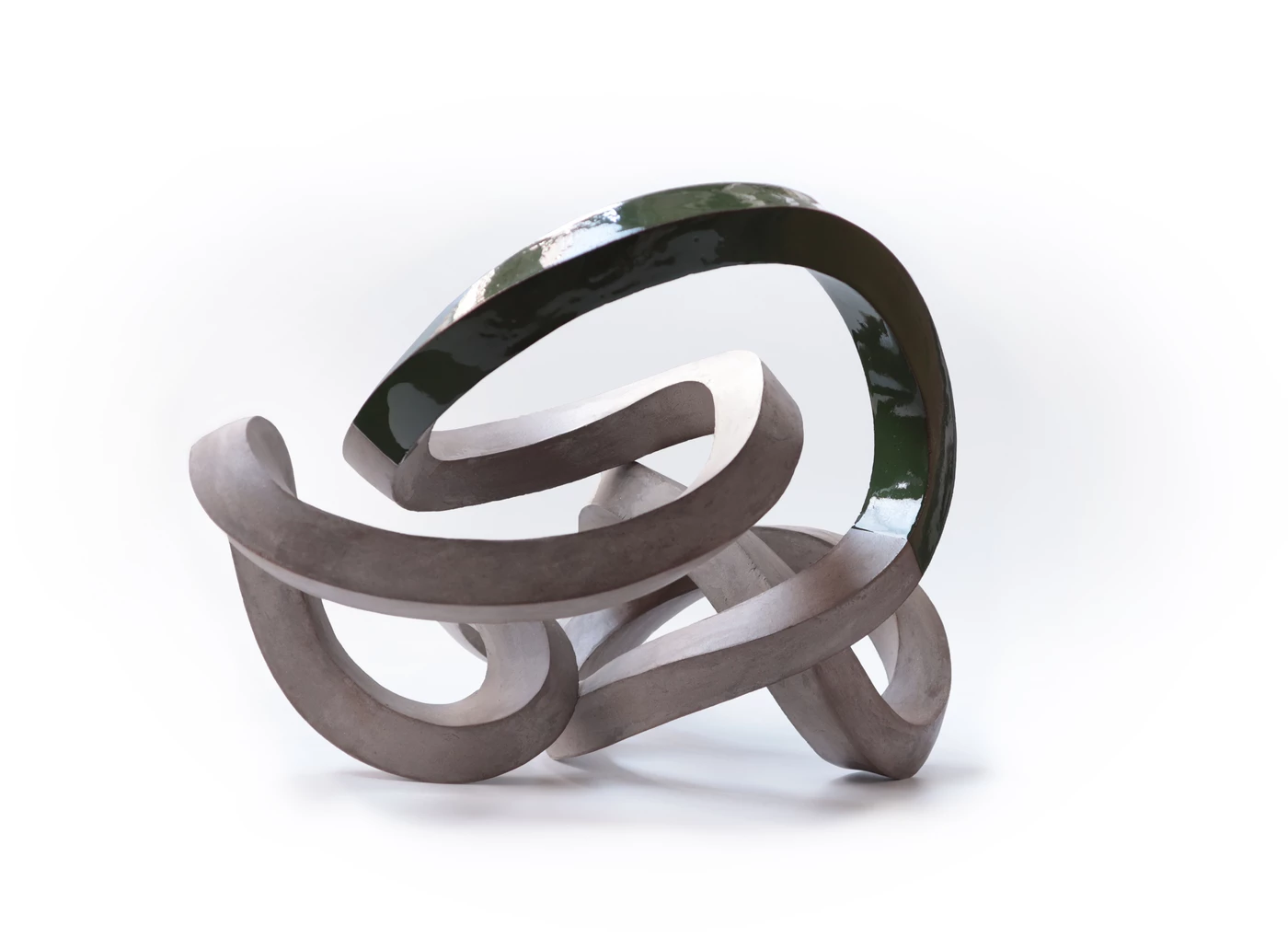
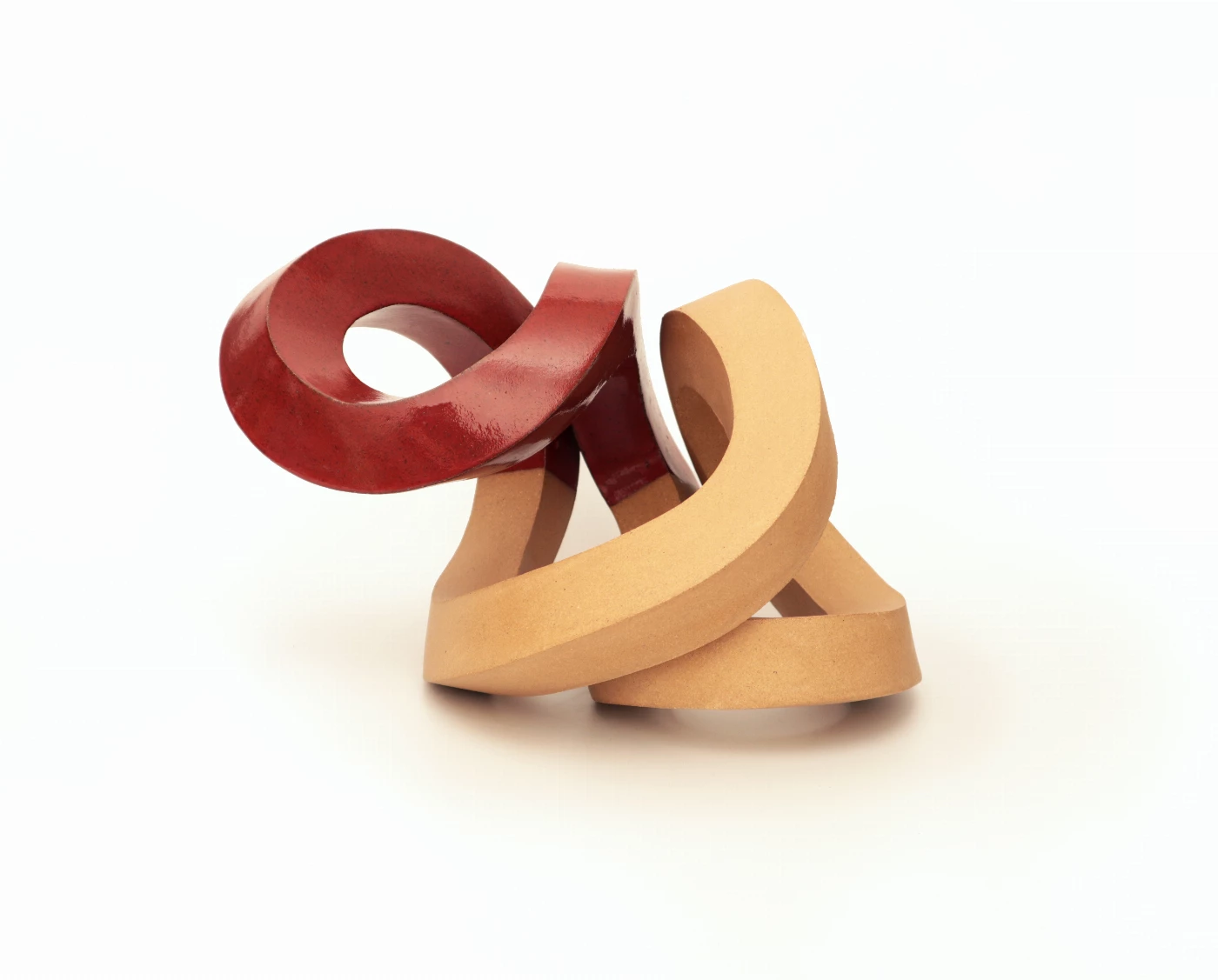
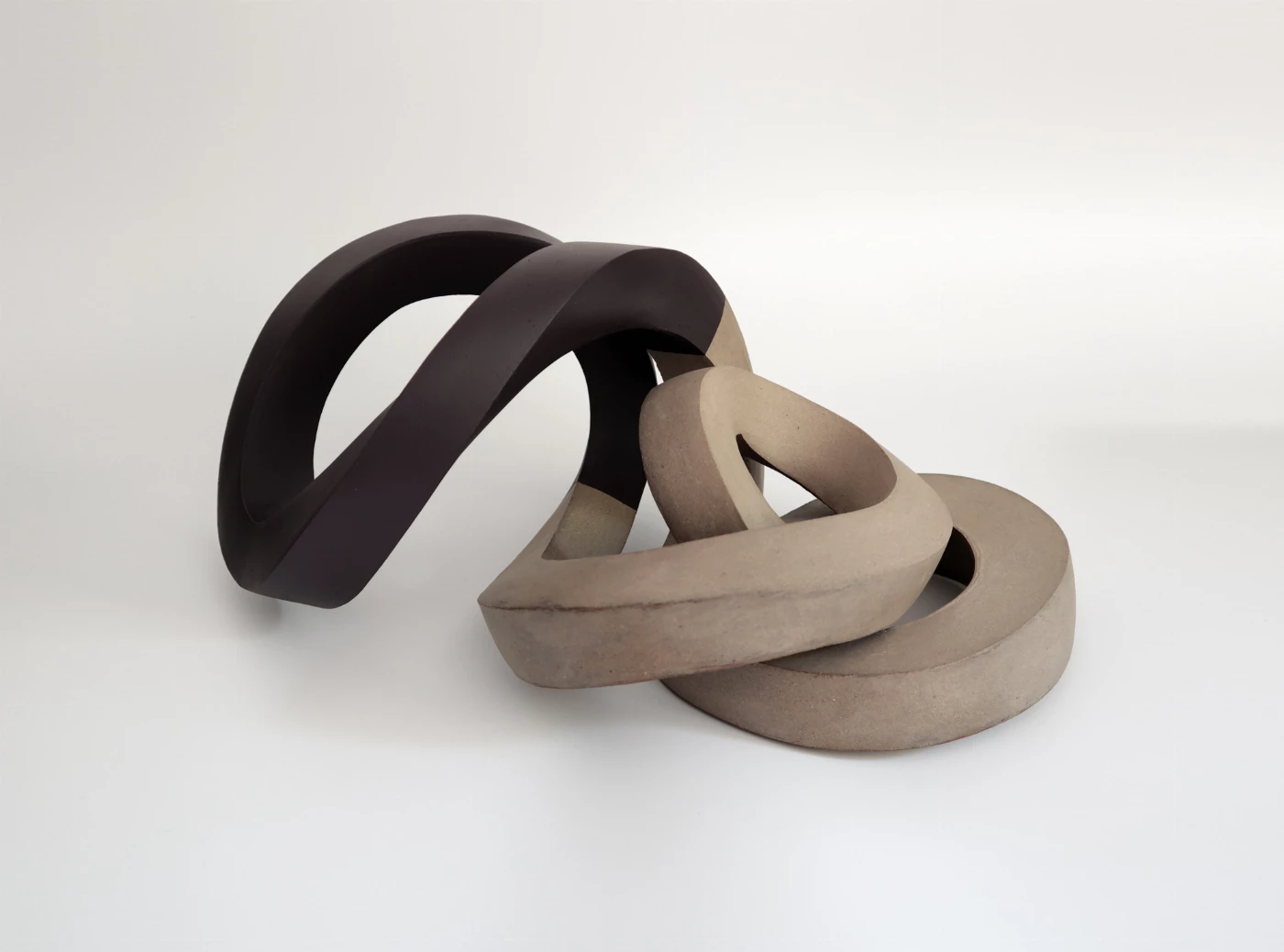
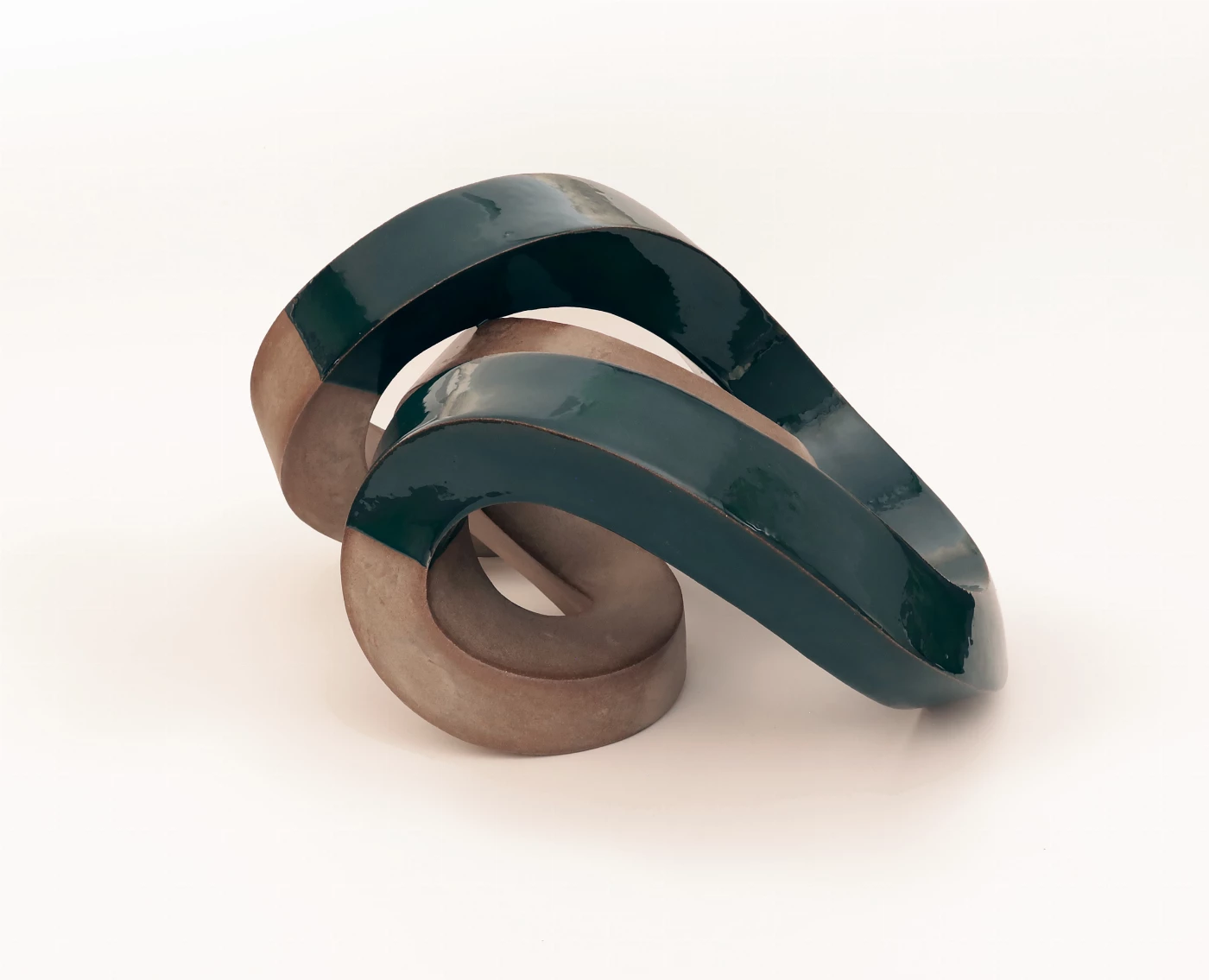
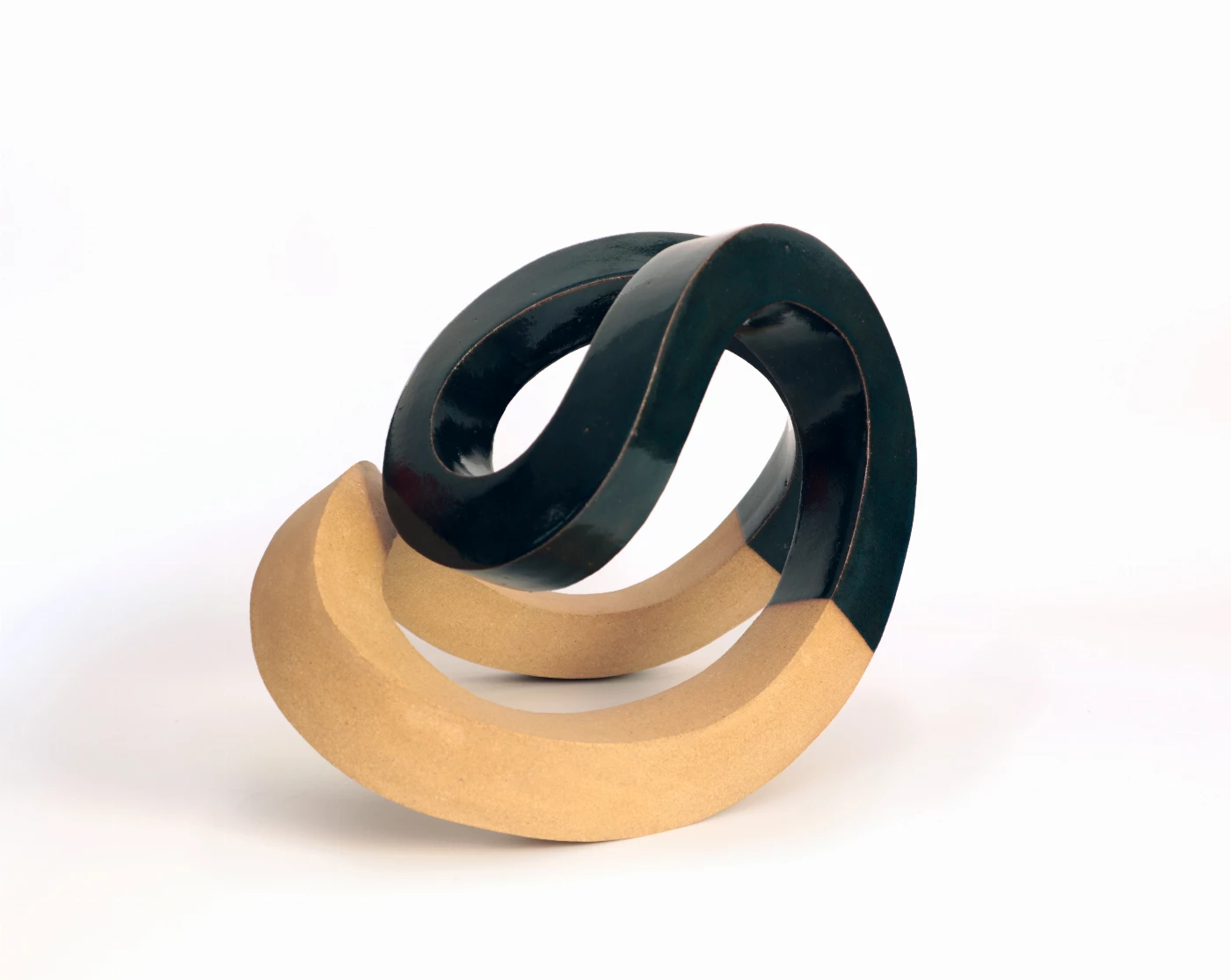
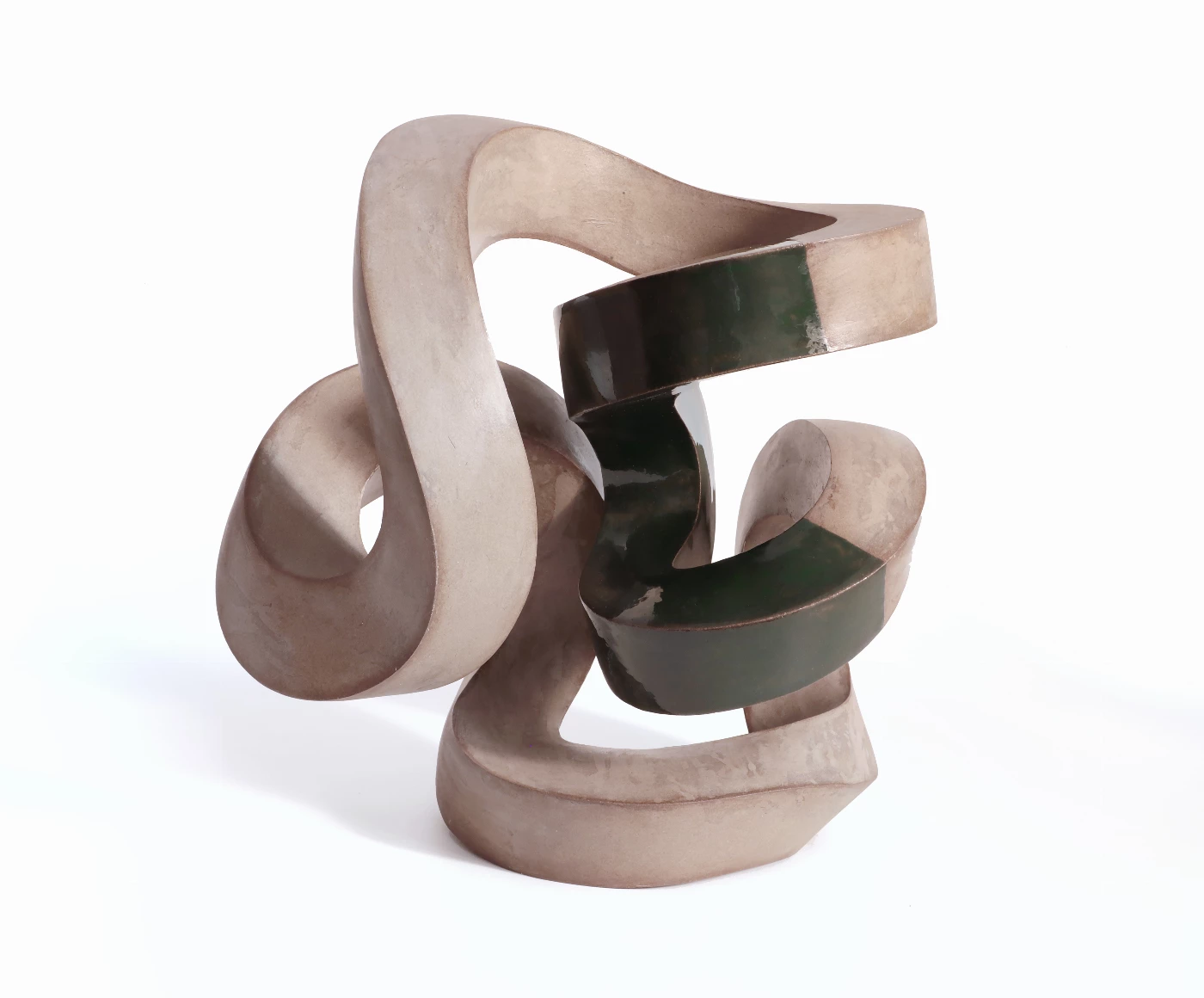
Sculptural forms embodying movement, where ceramic volumes twist and open, inviting a visceral dialogue between body and space.
Saisho Intelligence
The artist’s overall score out of 10, weighted across quality, market, potential and validation.
Classification of the artist based on the balance between quality and market.
Reliability level of the scoring based on the available data.
Relationship between Saisho and the artist.
Key readings on the artist’s current position and remaining trajectory.
Specific milestones or risks to monitor over the next 12–24 months.
These factors are analysed in detail in the full report.
Ver informe completo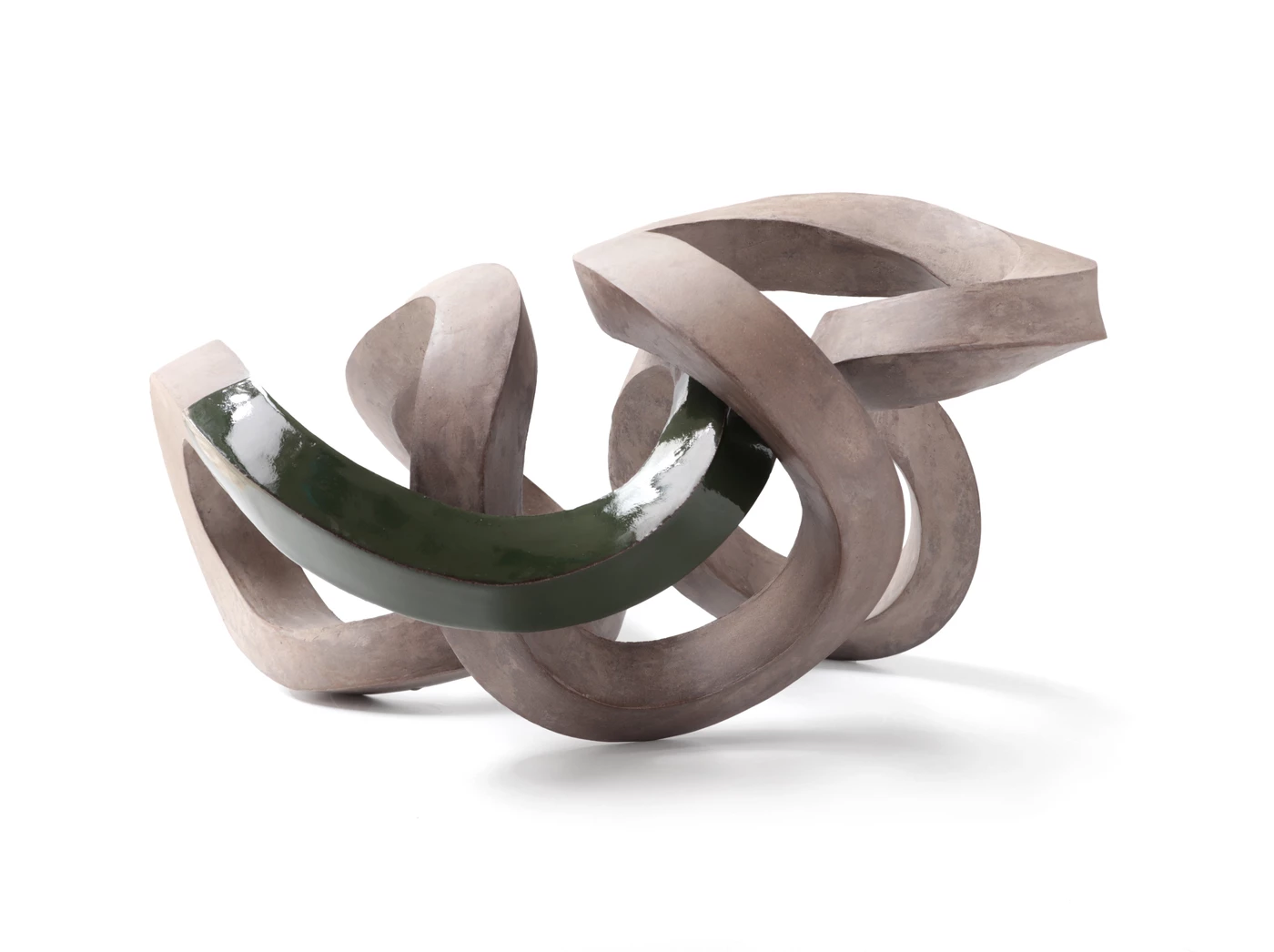
Access detailed scoring, economics and the historical evolution of the artist’s market.
View report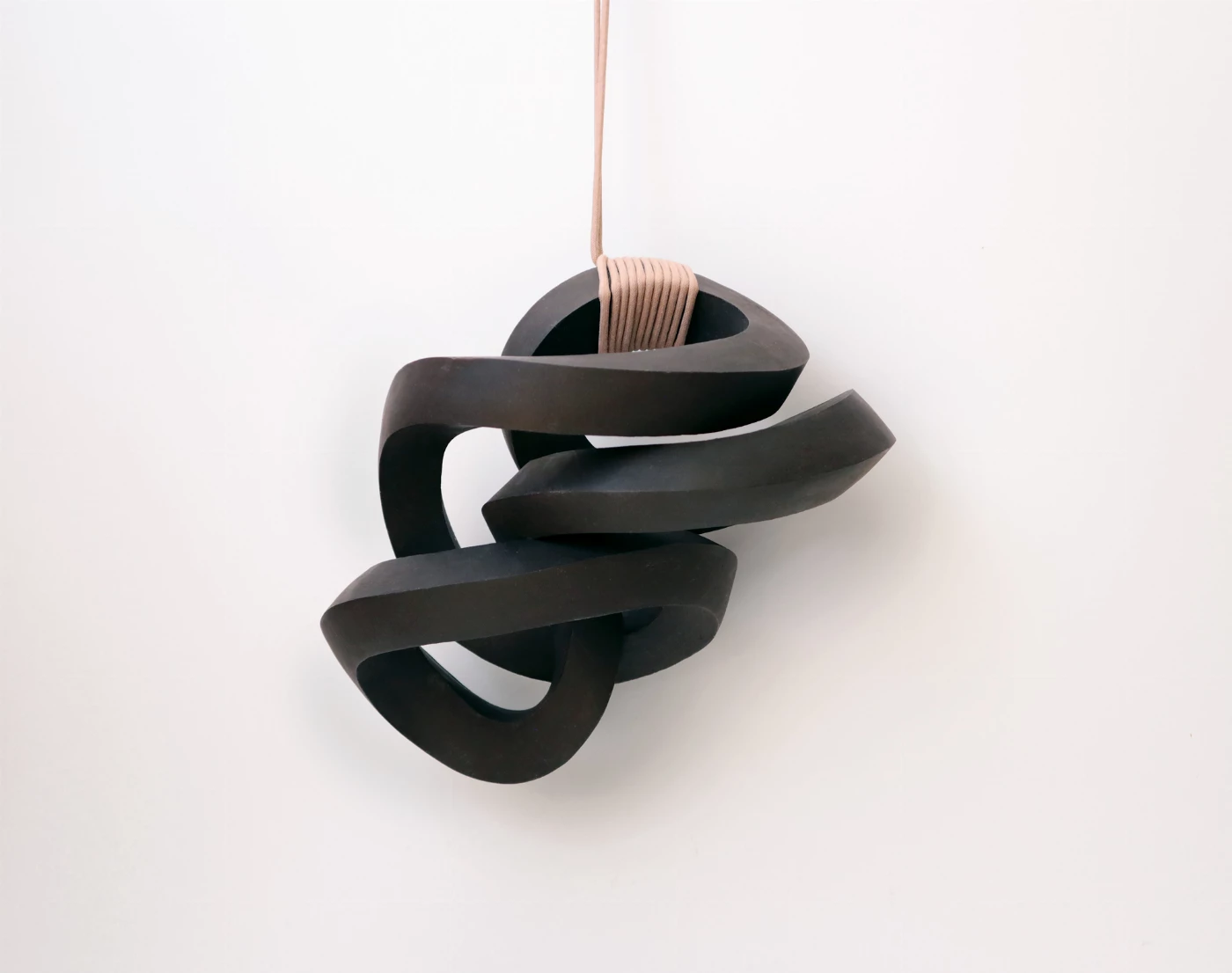
His work is distinguished by a constant exploration of volume as a living organism, where the straight line folds, twists, and becomes charged with emotional meaning. In his sculptures, balance and openness are not just formal solutions, but conceptual drivers that lead creative thought towards a poetic experience of space. Trained in Fine Arts at the École Boulle in Paris and the École Supérieure des Beaux-Arts d’Angers, Benech has developed his own language that draws from both European sculptural tradition and a profoundly physical contemporary sensibility. His technical mastery allows him to work with various materials and supports, continuously expanding the expressive possibilities of volume, although his preferred material, and the one for which he stands out, is undoubtedly ceramics. His work has been presented in France, Spain, Portugal, Mexico, and Australia. After living in cities like New York, Sydney, and Melbourne, he has resided and worked in Madrid for over 16 years. Influenced by artists such as Barbara Hepworth, Tony Cragg, Martín Chirino, Eva Hild, Eduardo Chillida, and Antony Gormley, his practice is consolidated as a coherent and generous quest, open to dialogue and artistic exchange.
Explore the career, works, and analysis that define Thomas Benech's trajectory