Global score
The artist’s overall score out of 10, weighted across quality, market, potential and validation.
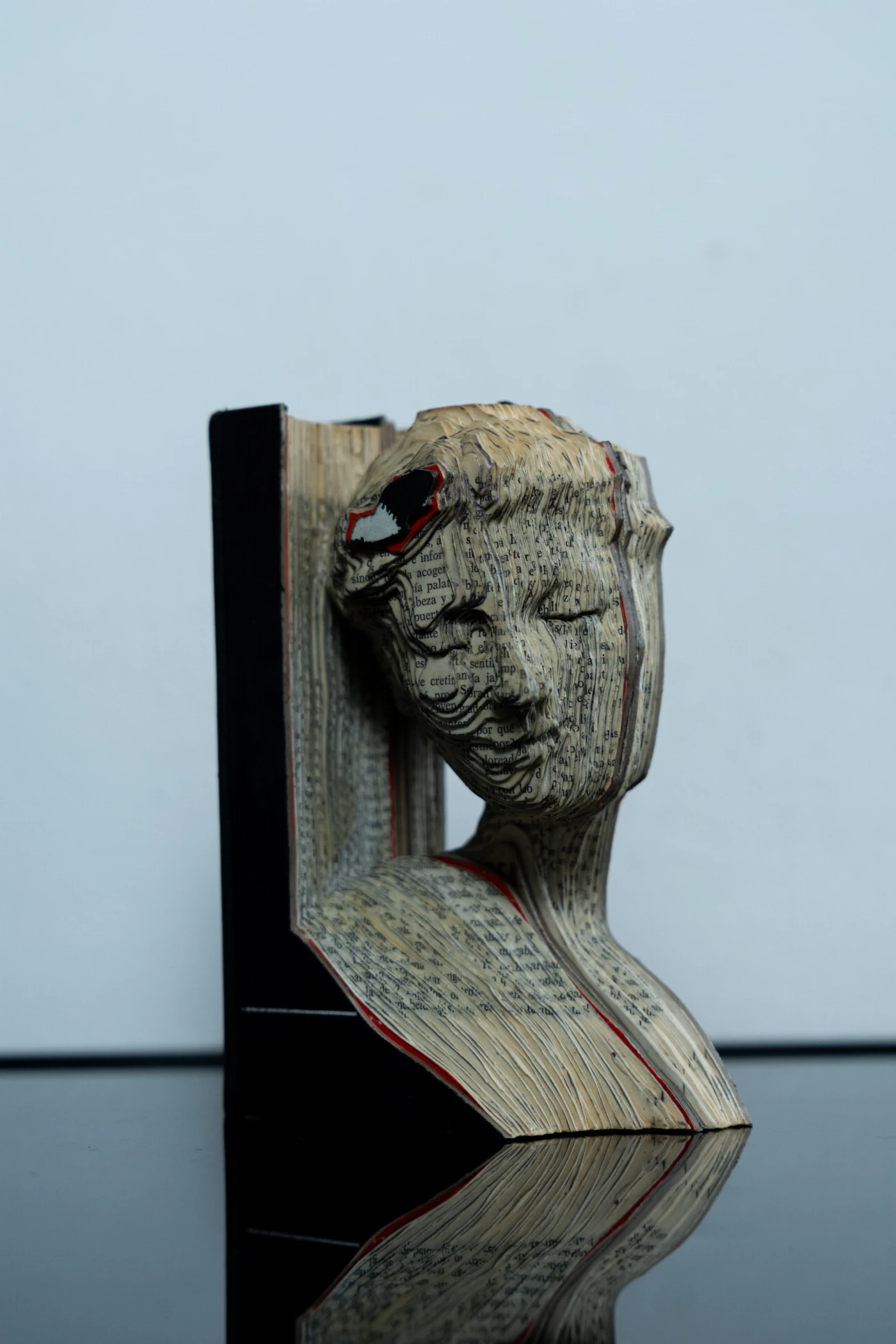
A meticulous topographic process reveals forgotten narratives within discarded books, transforming obsolete knowledge into sculpted explorations of form and memory.
Saisho Intelligence
The artist’s overall score out of 10, weighted across quality, market, potential and validation.
Classification of the artist based on the balance between quality and market.
Reliability level of the scoring based on the available data.
Relationship between Saisho and the artist.
Key readings on the artist’s current position and remaining trajectory.
Specific milestones or risks to monitor over the next 12–24 months.
These factors are analysed in detail in the full report.
Ver informe completo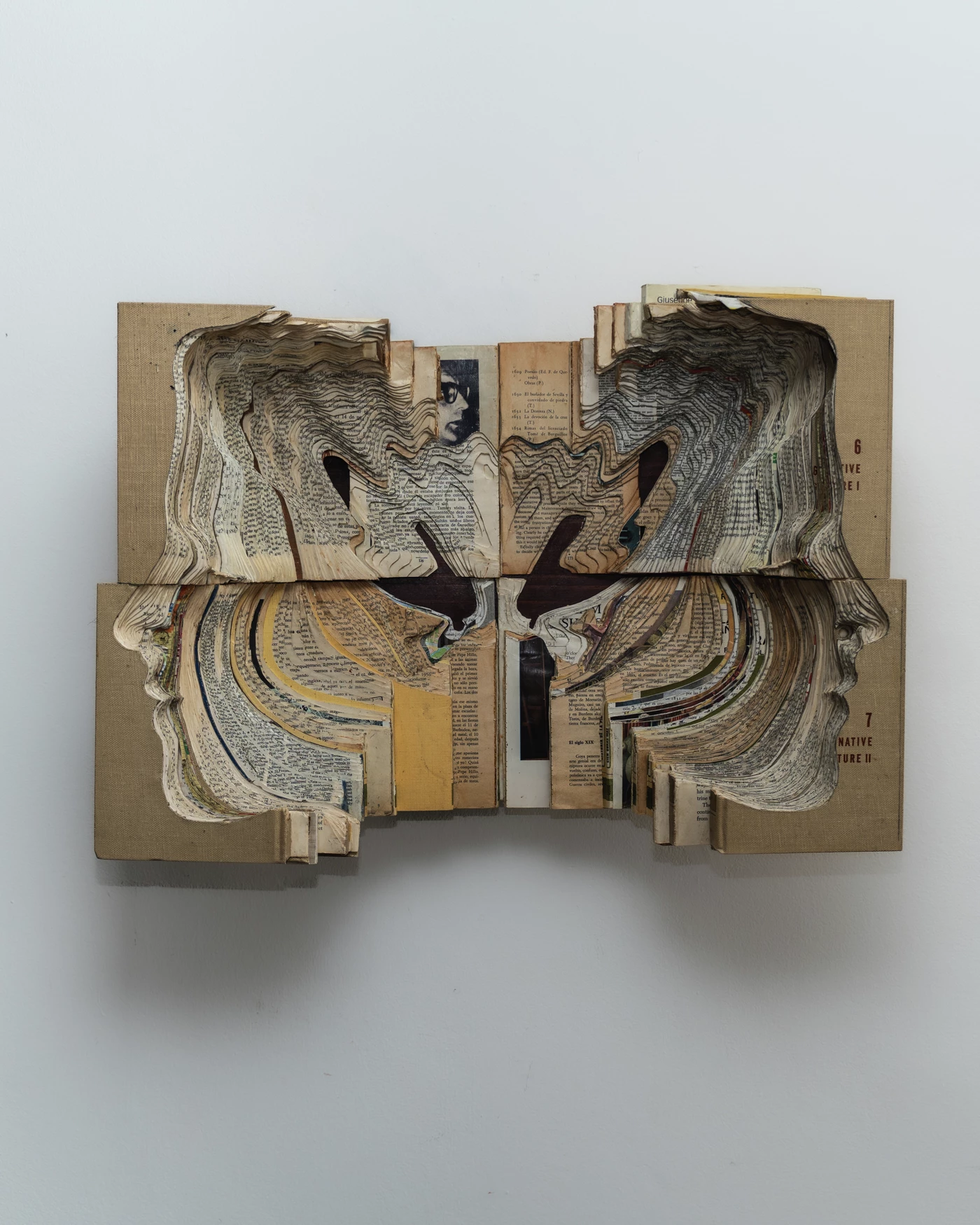
Access detailed scoring, economics and the historical evolution of the artist’s market.
View report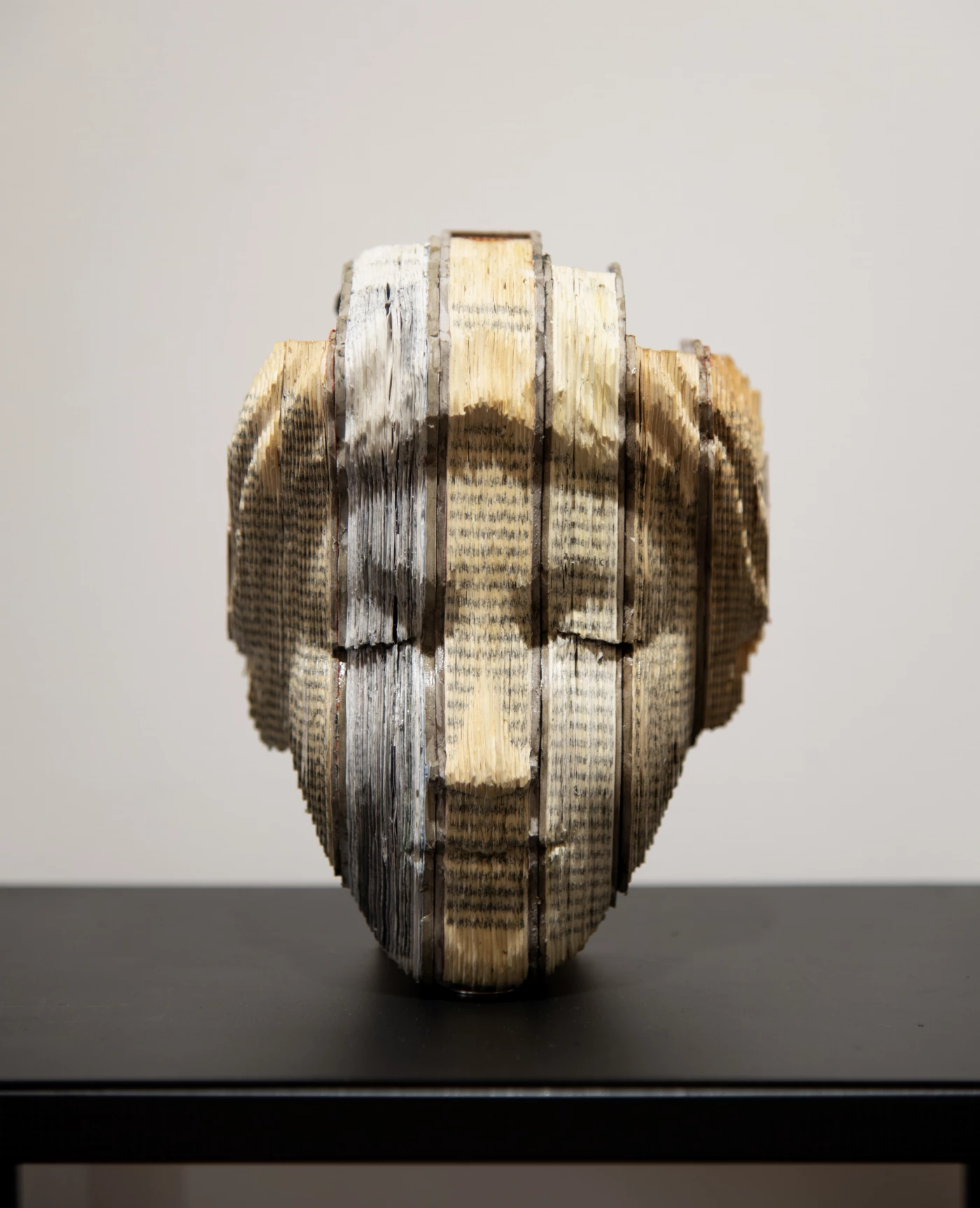
Alejandro Pantín's work (1990) articulates a formal and conceptual investigation into the book as a sculptural object and container of memory. Through a topographic technique of manual cutting, derived from his architectural training, the artist shapes organic volumes from discarded books, generating structures that evoke anatomical forms and classical proportions. His process is based on precision, symmetry, and constructive logic, exploring the relationship between materiality, knowledge, and beauty. In this reinterpretation of the book, Pantín transforms obsolete information into a new three-dimensional body, where text and matter interact in a visual and symbolic dialogue. The work thus transcends the utilitarian function of the medium to reflect on the transience of information in the digital age and to reclaim the permanence of the tangible. His practice combines the Platonic ideal of beauty with the formal rationality of architecture, achieving a synthesis between technical precision and aesthetic sensibility.
Explore the career, works, and analysis that define Alejandro Pantin Gil's trajectory