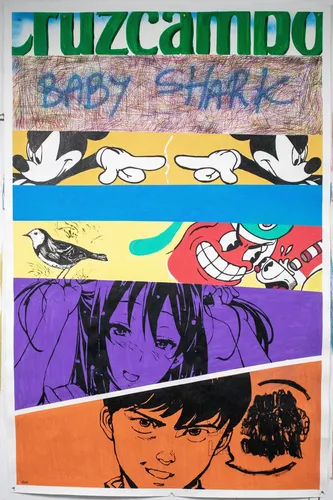
Viola
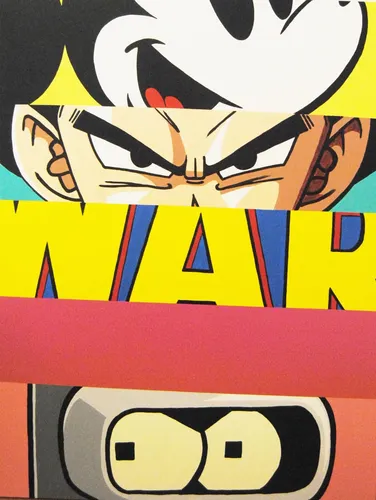
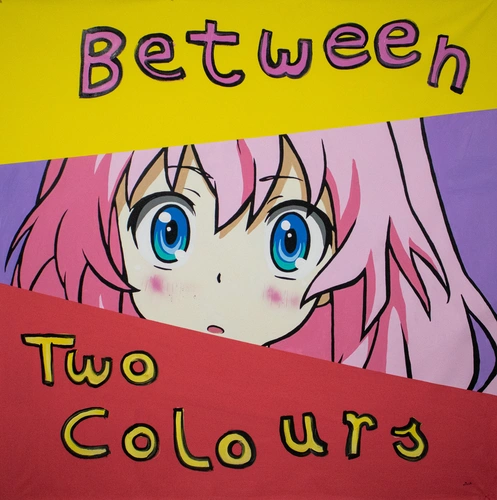
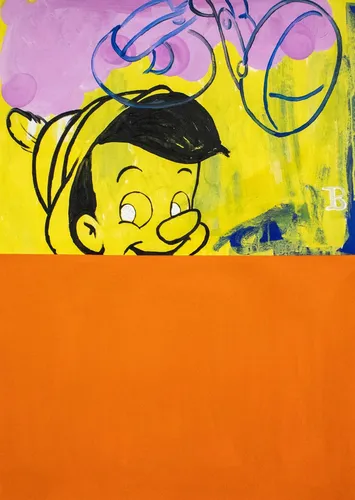
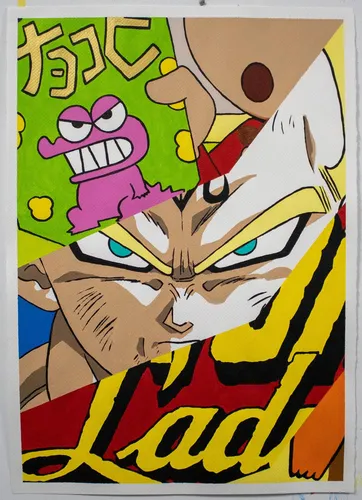
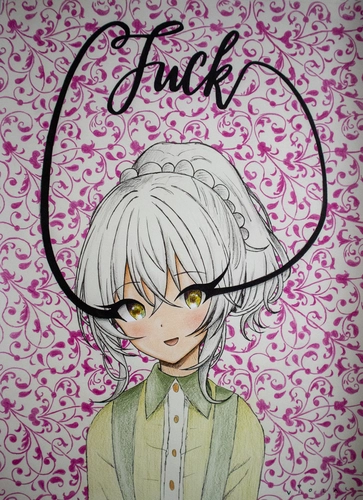
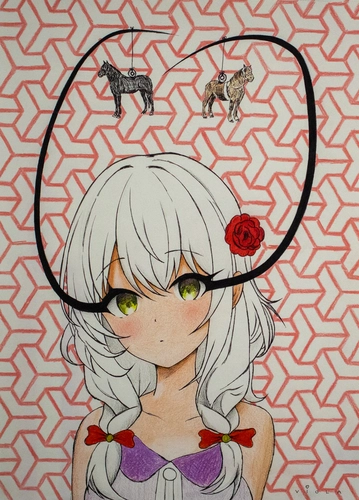
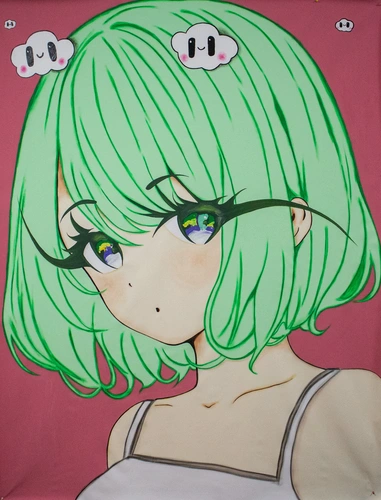
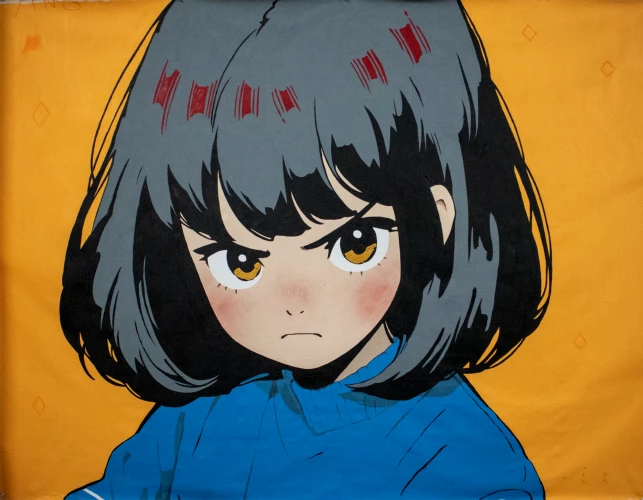
Fran Ramírez Viola (Seville, 1984) is a visual artist whose work lies at the intersection of contemporary pop culture, pictorial tradition, and Japanese anime aesthetics. Based in Spain, he has developed a career marked by the investigation of the human figure and its symbolic representation, exploring portraiture as a mirror of collective emotions and vital transition states. His production combines drawing, painting, and mixed techniques, with special attention to detail and finish, allowing him to create highly defined images that oscillate between the intimate and the fantastic. In exhibitions such as One Summer’s Day (CAC Malaga, 2021), he presented a universe of over eighty works that blended references to Studio Ghibli and anime tradition with a melancholic and contemplative tone. Viola's work is part of private collections and contemporary art investment platforms, consolidating his presence in the Spanish and international art market. His series explore from feminine portraits inspired by manga iconography to more conceptual visions of isolation, light as a symbol, or adolescent identity, constructing a personal narrative that connects with global sensibilities.
Financial information
Something to Serve as Light
Something to Serve as Light aspires to be a visual constellation where light —fragile, interior, symbolic— acts as a link between the intimate and the universal. In Viola's work, where the fantastic and the melancholic already resonate, this series delves into the idea that light is not a static object, but a pulsating gesture, an allusion to memory, connection, a presence that survives oblivion. Light appears not simply as physical illumination, but as an emotional trace: a luminous memory that sustains the invisible, a vestige that pierces contemporary darkness. In this series, the pieces are capsules of illuminated silence: solitary figures in liminal environments, light objects casting minimal light, veiled translucency, gestures of offering.
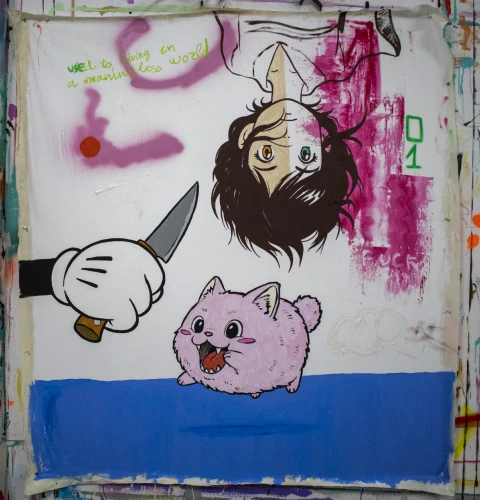
One summer's Day
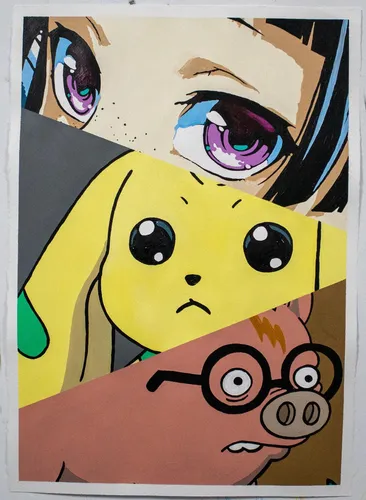
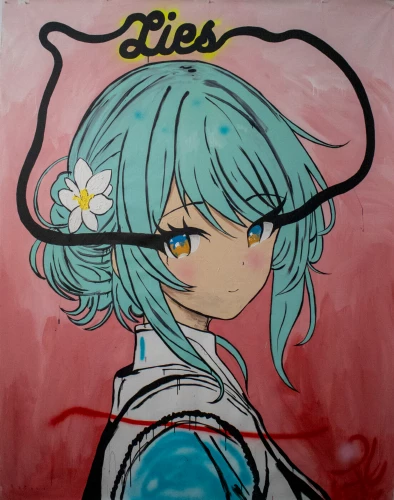
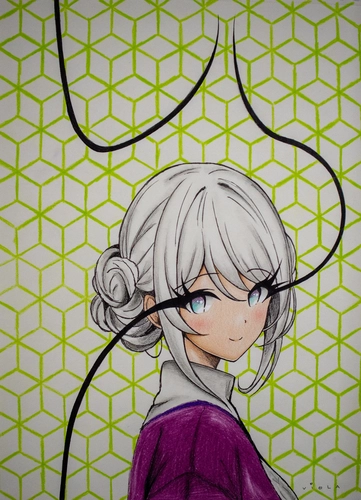
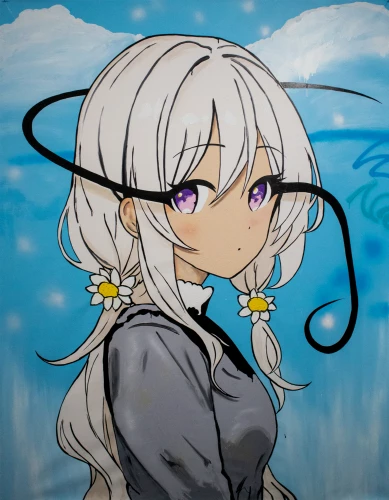
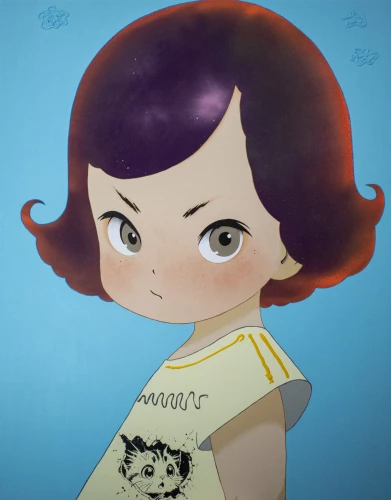
In One Summer's Day, Fran Viola evokes the intensity of an ephemeral moment: a summer frozen in images that combine delicacy and unease. Her portraits are reminiscent of manga-style figures, with large eyes and suspended gestures, but here they are not just visual icons, but symbols of a life experience that escapes as quickly as it arrives. The series is not limited to reproducing an aesthetic, but reinterprets it to speak of the fragility of memories and the tension between what we live and what we imagine. The characters portrayed function as mirrors of our memory: bodies that appear perfect yet empty, gazes that question without revealing their secrets, frozen gestures that suggest both innocence and isolation. In this play, Viola uses manga iconography as a language to explore how our contemporary visual culture turns the ephemeral into an aesthetic ideal.
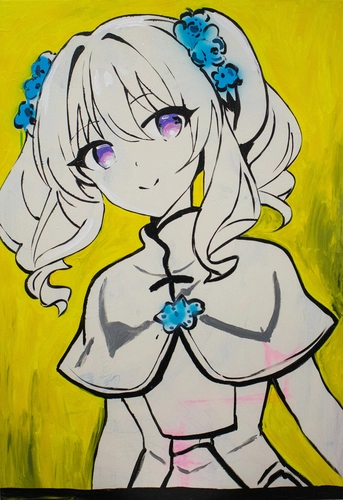
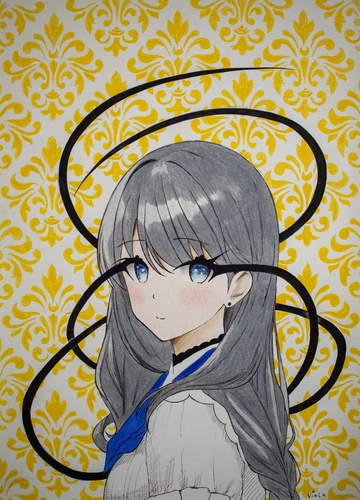
Fluids
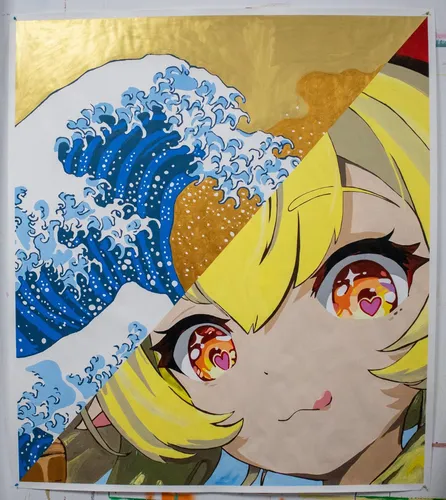
In Fluids, Fran Viola explores the liquid condition of contemporary culture, where images circulate, overlap, and transform ceaselessly. His works combine manga aesthetics with universal iconographies —such as Hokusai's wave— to reveal an ever-flowing imaginary, where the classic and pop, the natural and the artificial, intermingle. The figures represented seem to emerge and dissolve simultaneously: faces with bright eyes, suspended gestures, and bodies traversed by visual currents that destabilize them. Painting thus becomes a surface in transformation, where the solid dissolves into the liquid and identity into the mutable. Viola uses manga iconography not as an aesthetic end, but as a catalyst for broader reflection on our visual culture: a liquid ecosystem where symbols are consumed, reinterpreted, and fade away.