Global score
The artist’s overall score out of 10, weighted across quality, market, potential and validation.
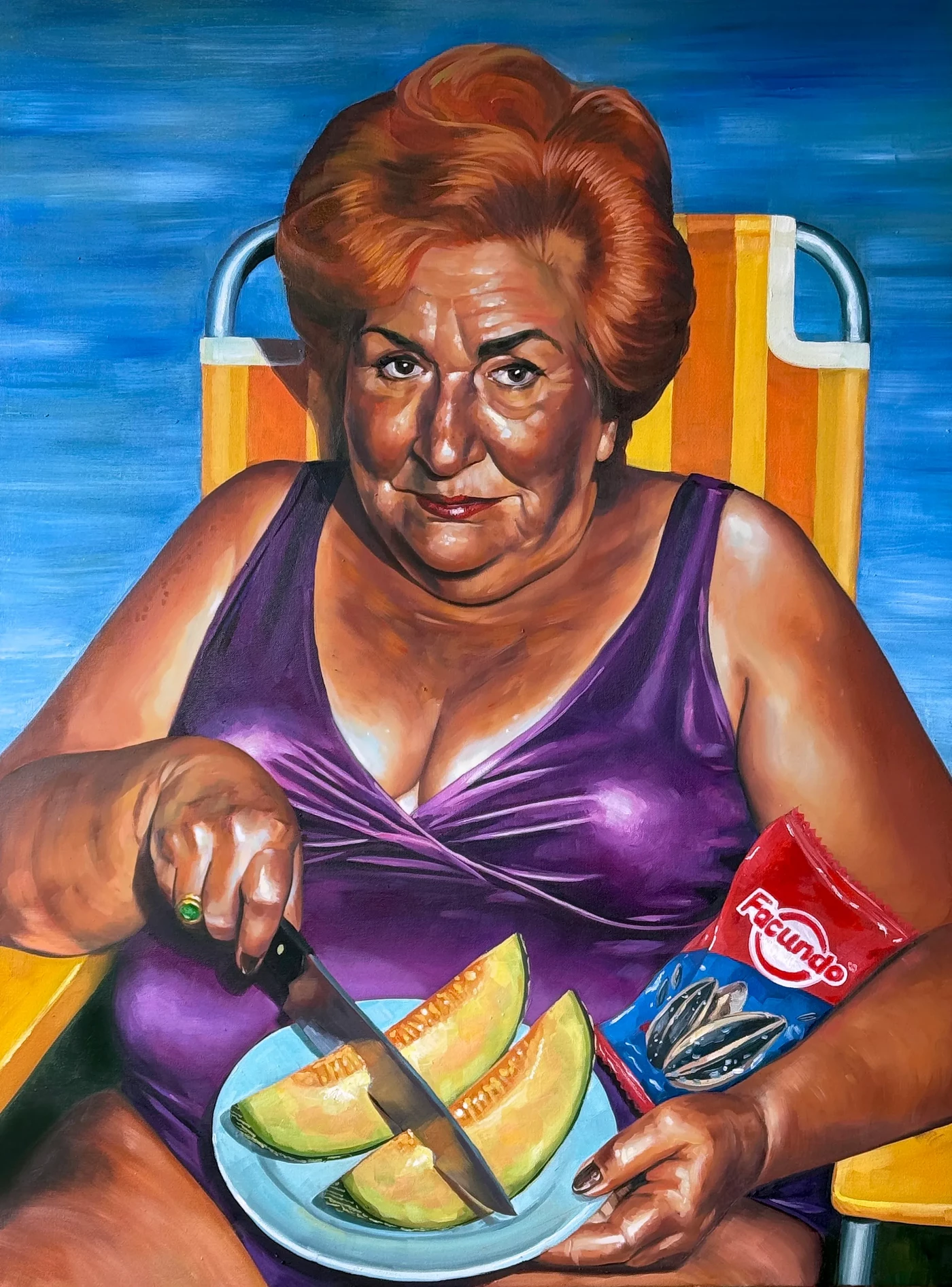
A visceral exploration of generational identity and vulnerability through saturated portraits and amplified gestures.
Saisho Intelligence
The artist’s overall score out of 10, weighted across quality, market, potential and validation.
Classification of the artist based on the balance between quality and market.
Reliability level of the scoring based on the available data.
Relationship between Saisho and the artist.
Key readings on the artist’s current position and remaining trajectory.
Specific milestones or risks to monitor over the next 12–24 months.
These factors are analysed in detail in the full report.
Ver informe completo
Access detailed scoring, economics and the historical evolution of the artist’s market.
View report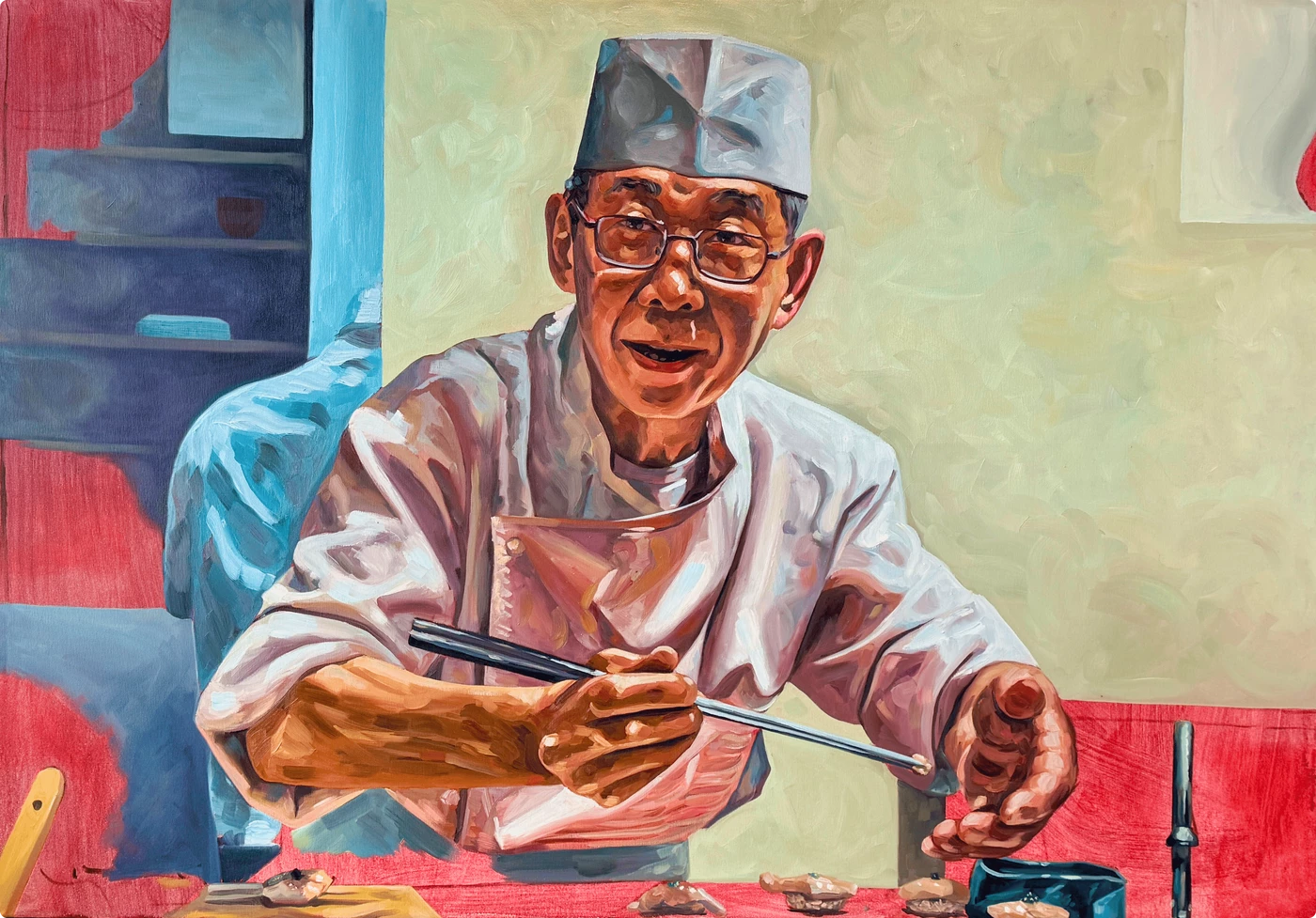
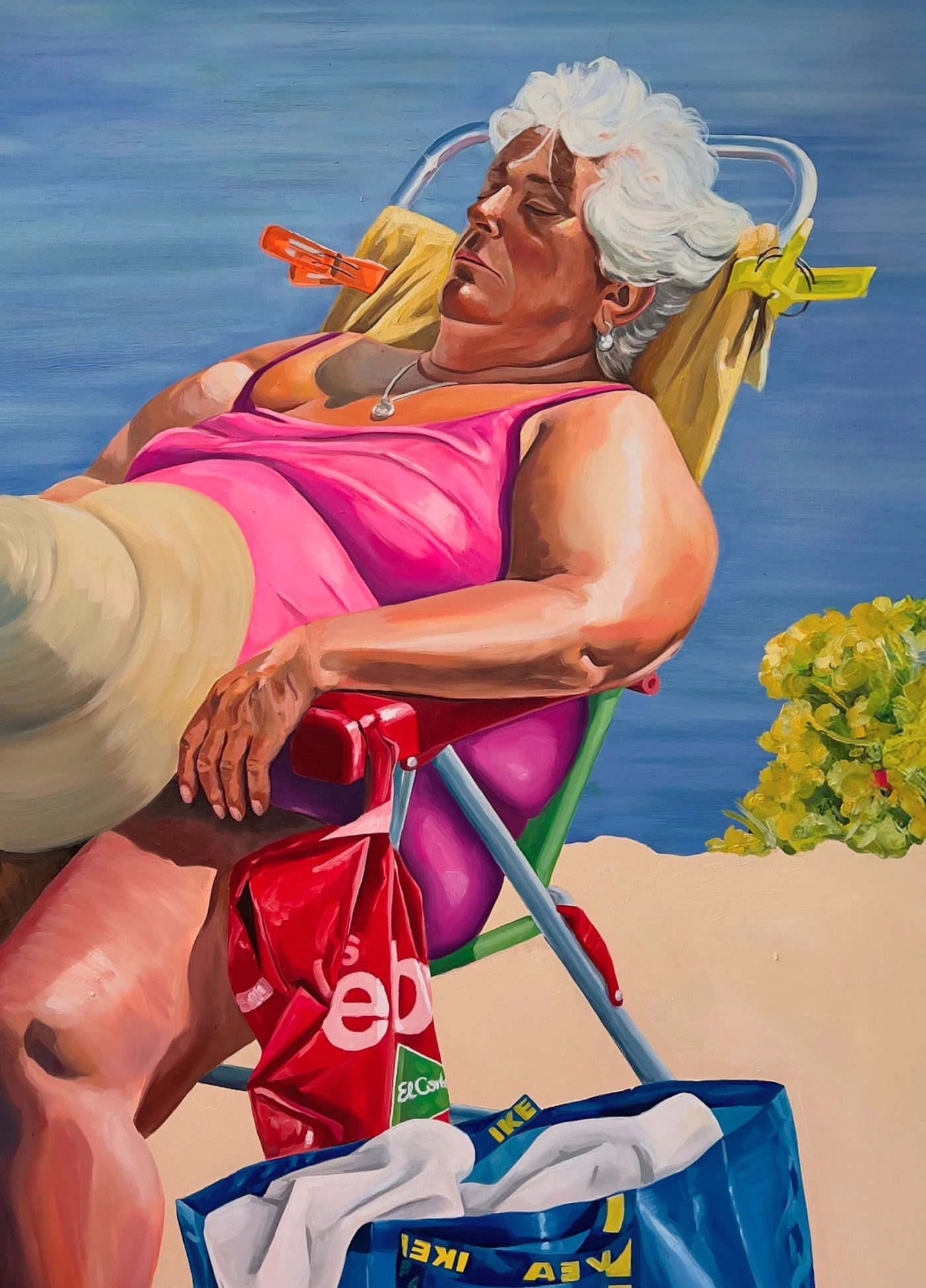
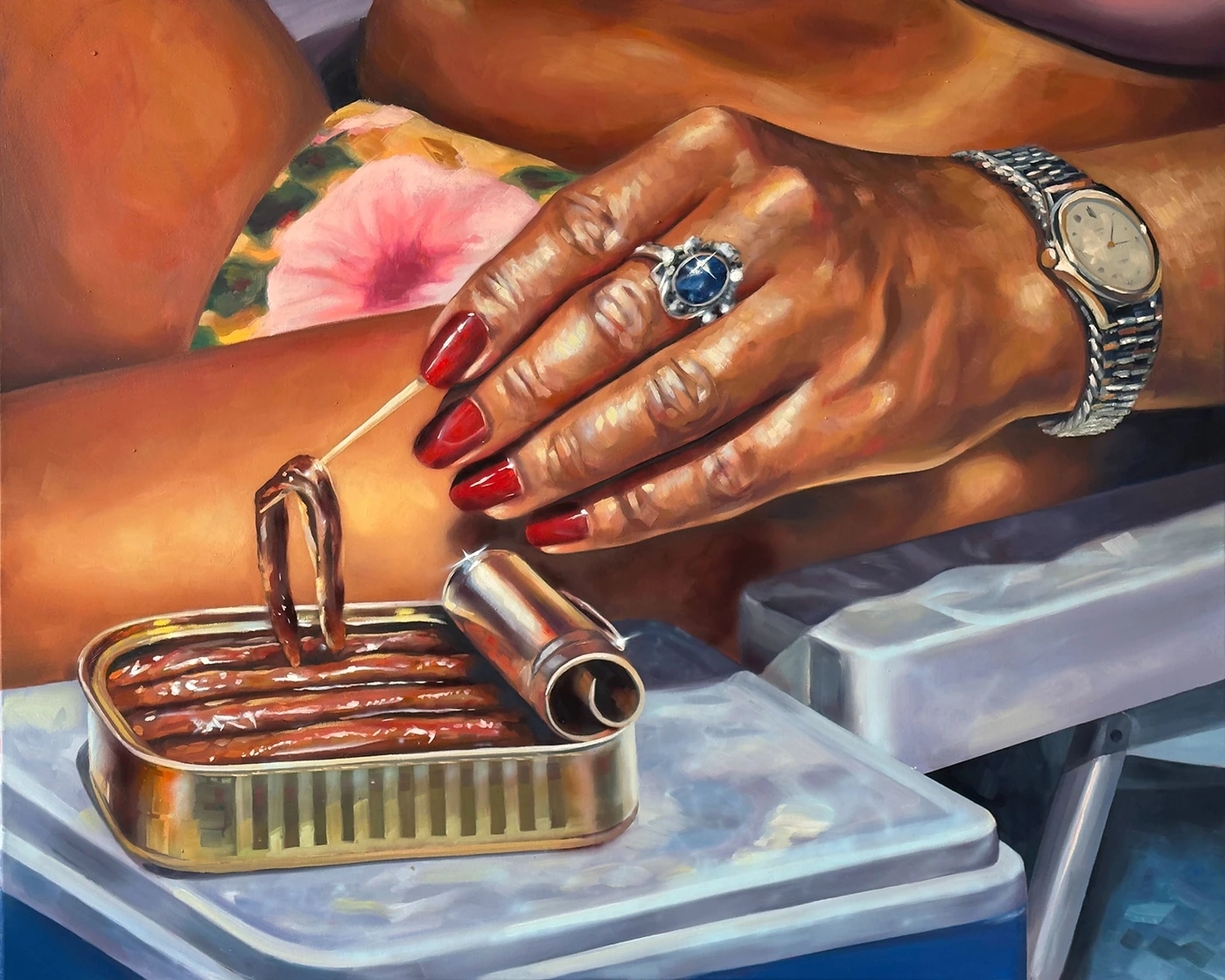
Marta de la Fuente is, above all, a generational artist. Her practice stands out mainly in three fundamental aspects. Firstly, a solid and recognizable visual identity: she has built her own language within contemporary portraiture and genre painting, characterized by tense framing, amplified gestures, and a chromatic saturation that turns the everyday into an emotionally intense territory. Her work is easily identifiable and maintains formal coherence throughout her different series. Secondly, a structured conceptual coherence. Her design background and more than a decade of experience in digital branding translate into a systematic way of constructing projects: each series functions as a closed body, with an internal narrative and clear evolution. She does not produce isolated pieces, but consistent universes that dialogue with each other and reinforce her artistic positioning. Lastly, her capacity for cultural connection and transversal projection stands out. Starting from intimate concerns —identity, social pressure, vulnerability—, she manages to capture emotional states shared by her generation. This quality, combined with her experience in the brand field, has allowed her to collaborate with top-tier firms and institutions and to expand her practice into three-dimensional media and diverse exhibition contexts, maintaining coherence and sustained growth. Overall, Marta de la Fuente articulates a body of work that combines her own language, a conceptual system, and the capacity for contemporary resonance, consolidating a trajectory with a clear identity and consistent evolution.
Explore the career, works, and analysis that define Marta De la Fuente's trajectory