"Unbeatable service and outstanding advice. We bought well and we could not be more satisfied. We will do it again."Francisco Parras
Checking availability
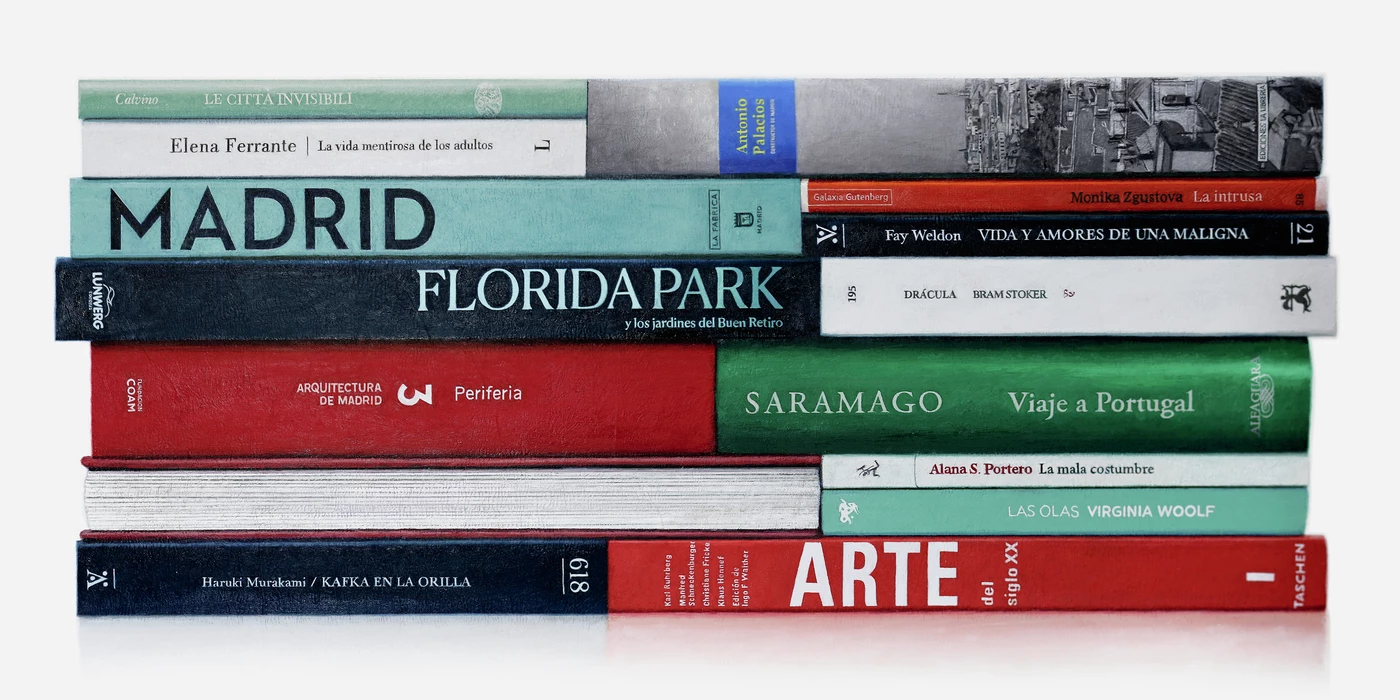
La ciudad invisible
Paco DíazQuoted market with traceable prices
Artist selection validated by expert criteria
Value evolution based on real demand
Personalized guidance from Saisho Advisors
Price evolution
Illustrative example. The real price evolution of this artwork is available with the Duchamp plan or above.
HOW WE MEASURE IT AT SAISHO
At Saisho, every artist starts from an initial signature value, determined through the analysis of their artistic fundamentals.
Only 1 in every 500 artists we analyze meets the quality criteria required to enter Saisho.
From that point, value changes according to real market demand, making it possible to understand transparently how it evolves over time.
View full analysisArtwork details
- Measurements
- 100 x 50 cm
- Discipline
- Pintura
- Styles
- Arte conceptual | Neofiguración
- Supports
- Madera
- Techniques
- Óleo
- Year
- 2026
- Rationale
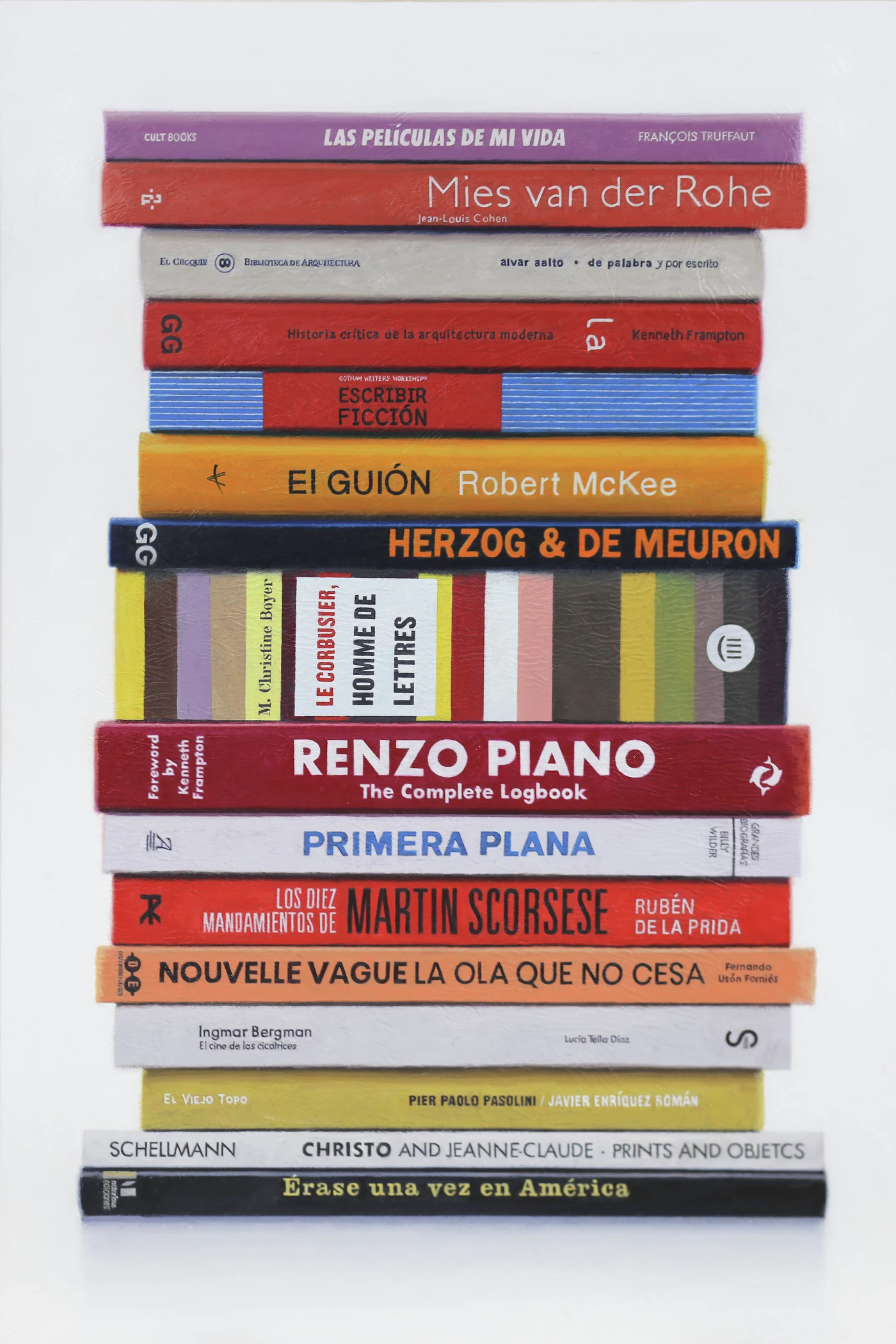
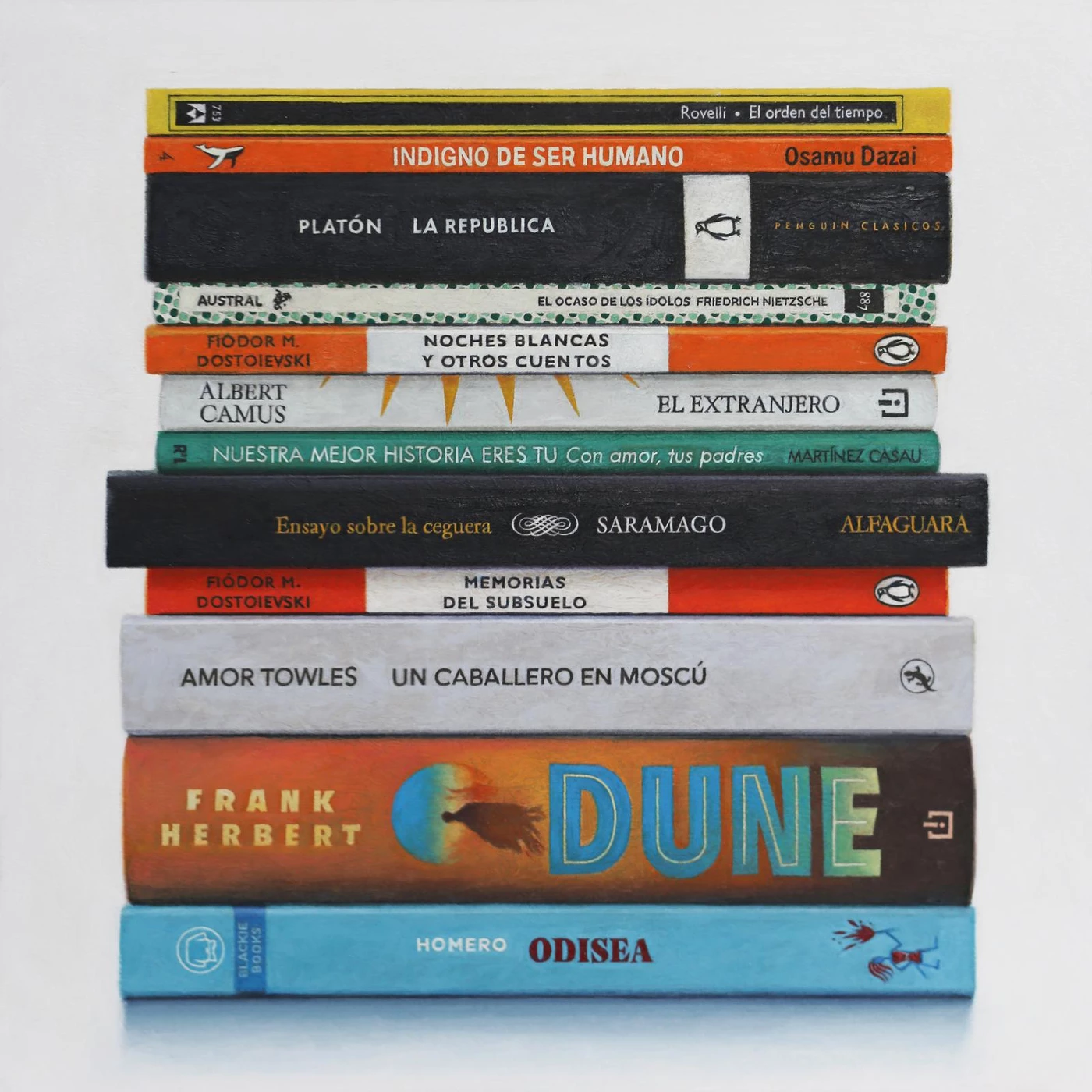
- "Le città invisibili," the Italian title of Italo Calvino's book Invisible Cities, gives the piece its name and refers to a previous exhibition by the artist. The choice of the Italian edition responds both to a personal connection and a chromatic issue, in dialogue with his pictorial series Books, where the color of the spines plays an essential role. Calvino's book, in which Marco Polo describes imaginary cities to Emperor Kublai Khan, serves as a conceptual starting point: a reflection on travel, desire, symbols, and the human condition. The final quote—to seek what is not hell amidst hell and give it space—acts as an interpretative key. The selection of books revolves around travel and transformation, both physical and mental. Works such as Dracula, Kafka on the Shore, The Lying Life of Adults, The Vile Life of a Madam, or The Bad Habit share characters who evolve profoundly until they reach a form of catharsis. Another important axis is Madrid and its urban and symbolic transformation, through books dedicated to Antonio Palacios, El Retiro Park, the architectural periphery, or the city itself as a literary character. The collection is completed with key artistic and literary references—Rothko, Saramago, Velázquez, Virginia Woolf, or Gala Dalí—which reinforce the ideas of inner journey, change, memory, and identity construction. Overall, the piece articulates a reflection on travel understood as constant transformation: physical, emotional, artistic, and urban.
Includes certificate of authenticity
Shipping and transport
Each artwork is prepared and shipped with specialized transport, custom packaging, and insurance through final delivery.
- Home delivery: You will receive the artwork at the address you provide.
- Delivery time: Estimated according to the origin, destination, and characteristics of the artwork.
- Shipping origin: Pieces are shipped from the artist's studio or from our facilities in Madrid, depending on the artwork.
- International coverage: We ship worldwide through specialized operators.
- End-to-end management: We handle transport, insurance, and shipping-related procedures, including import taxes and duties when applicable.
- Transport cost: Calculated according to the destination and characteristics of the artwork, and confirmed before completing the acquisition.
This artwork ships from Spain.
Prices and payment
The displayed price corresponds to the artwork's current value within the Saisho Market.
ARTWORK.NEW.PRICES_PAYMENT_TEXT2


Saisho guarantee
Artworks available at Saisho have been selected through an artistic and market analysis system that guarantees their quality.
If the artwork is not right for you, you can recover your deposit or apply it to another artwork.
We accompany you throughout the process so every acquisition is an informed decision.
At Saisho you do not only acquire an artwork, you acquire with criteria.
Reserve with 5% and complete the acquisition later
Artist
Paco Díaz
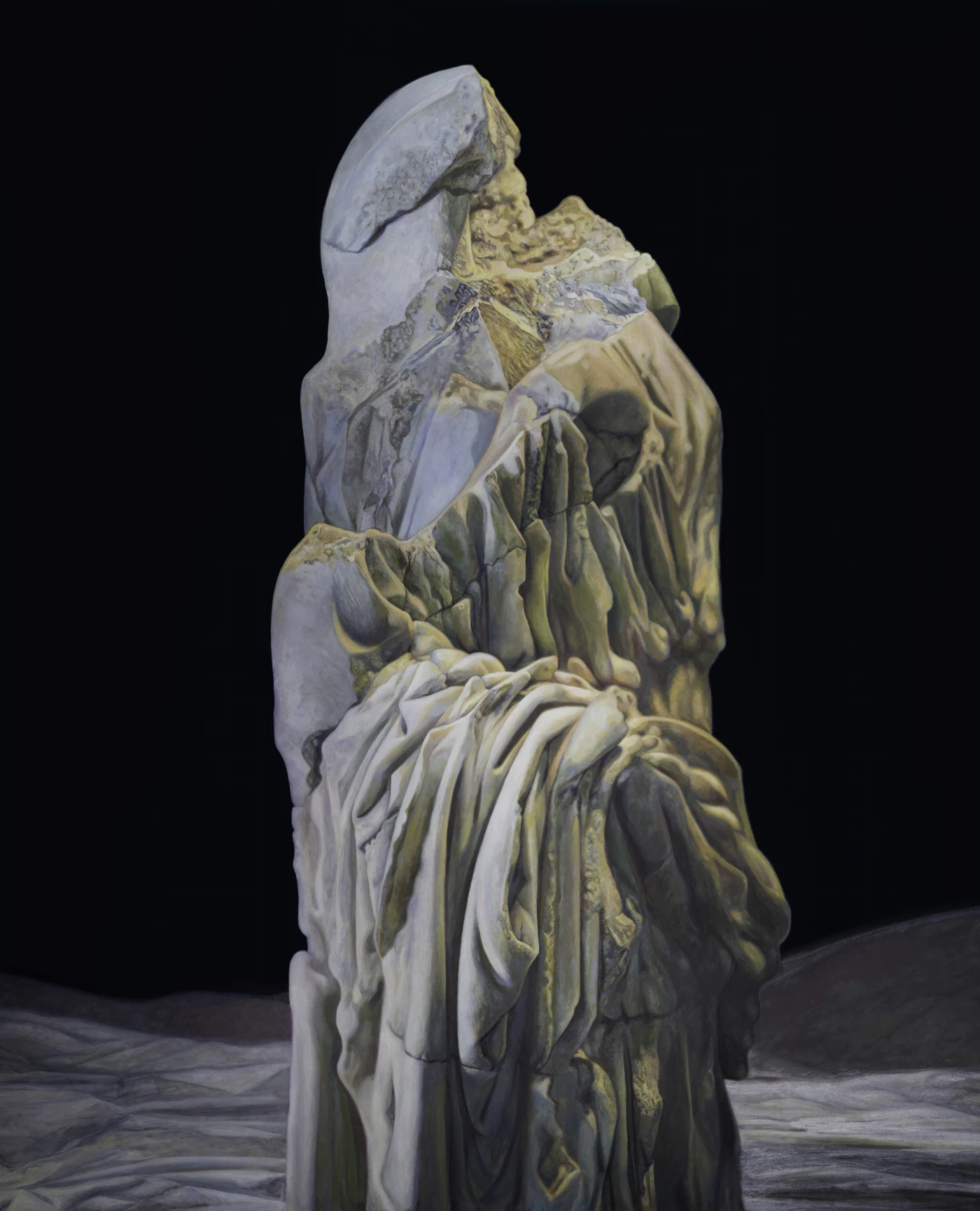
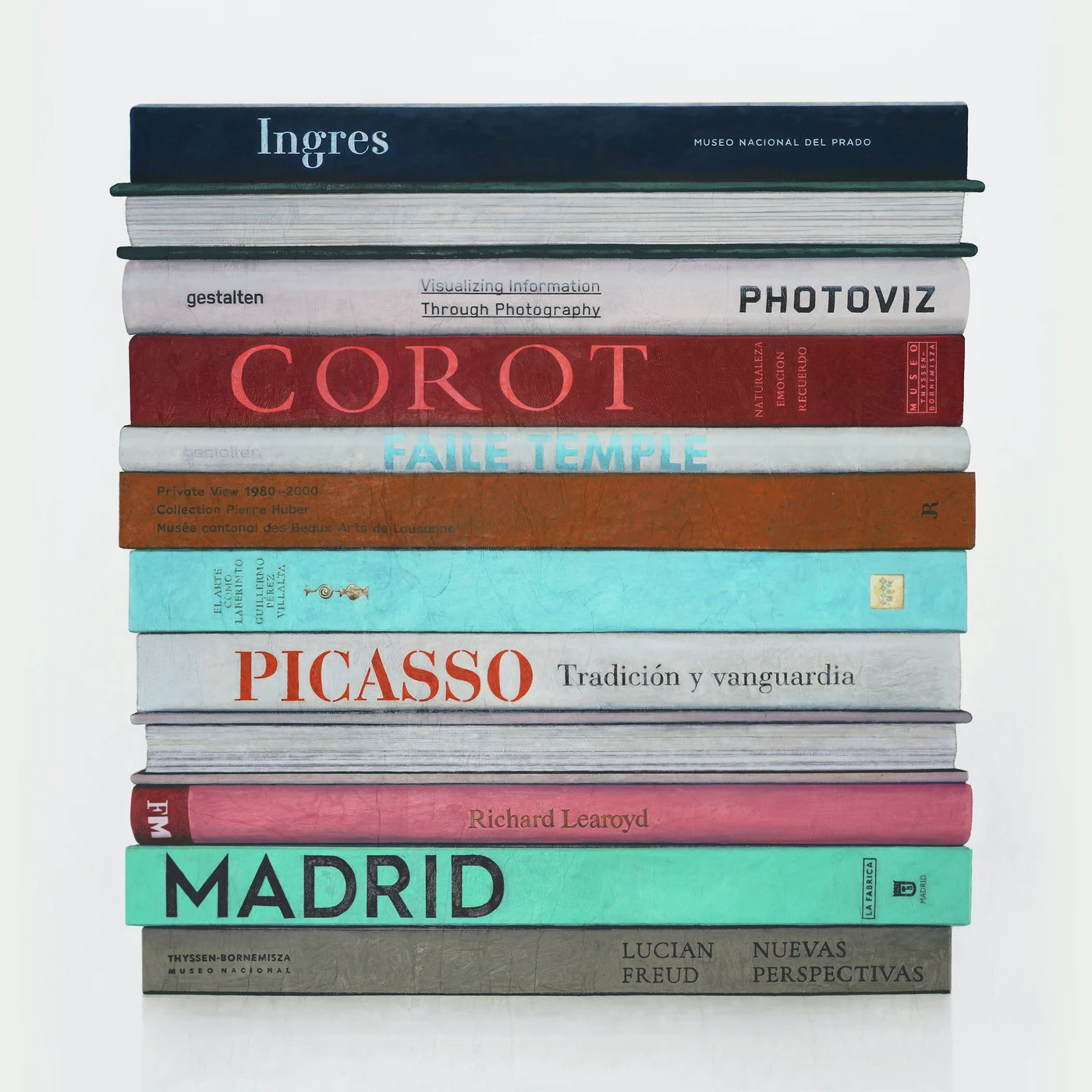
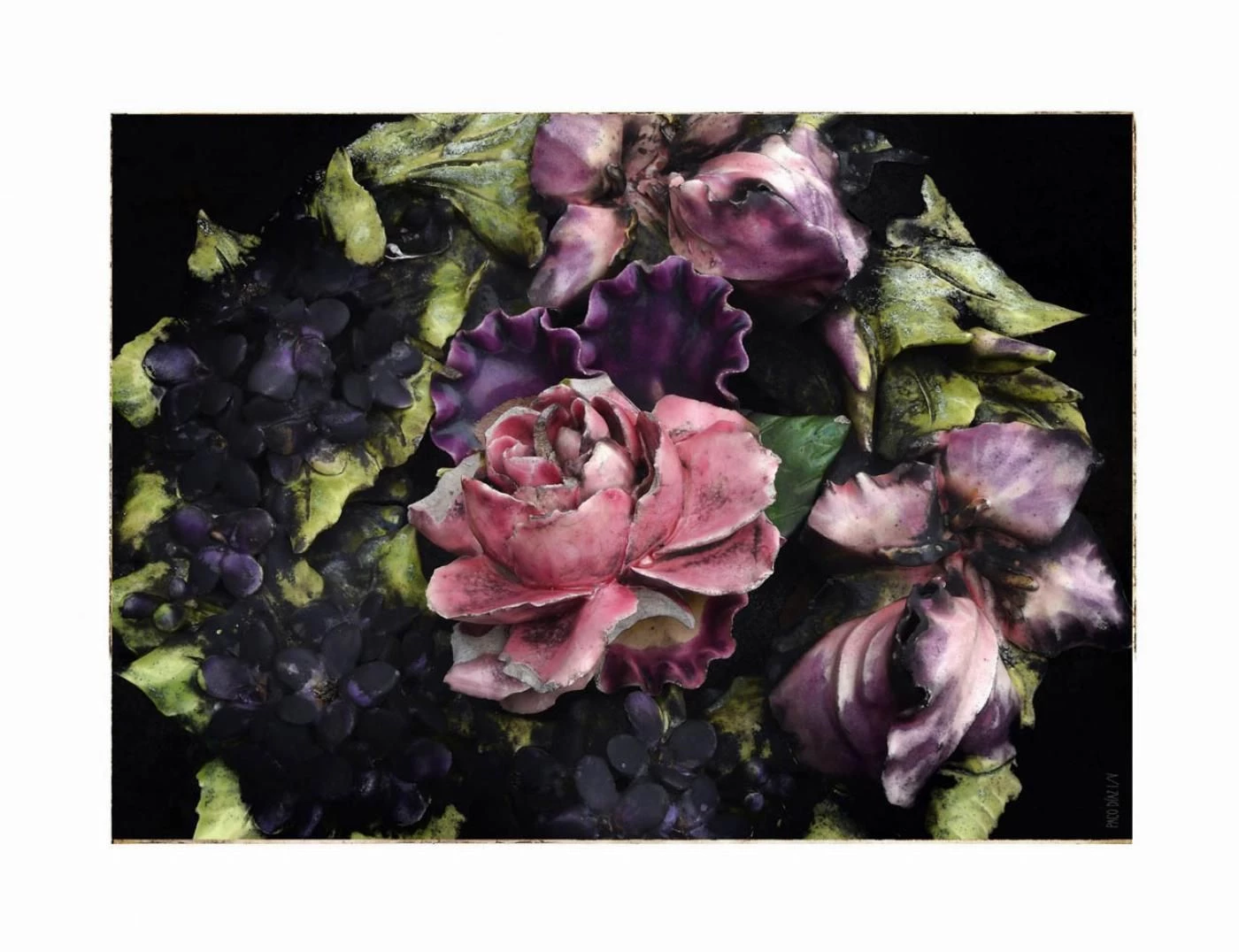
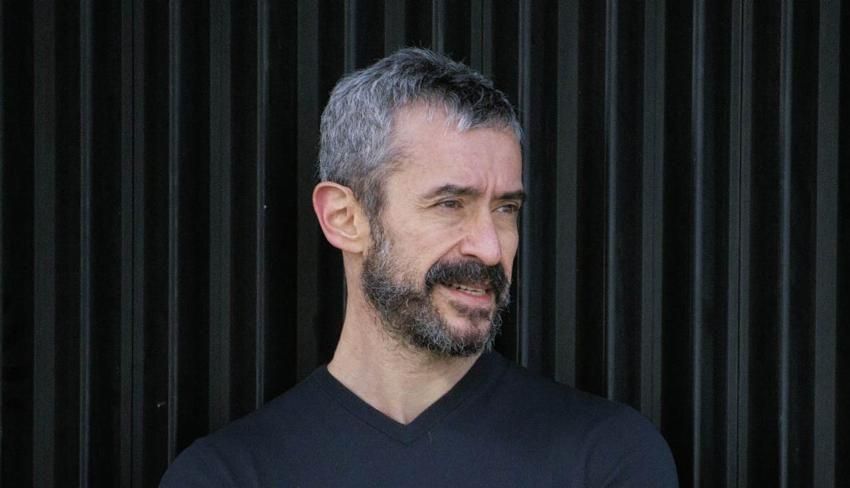
Paco Díaz is a figurative artist who connects past, present, and future through his artistic proposal and formally appropriates aesthetic resources from a variety of styles different from classical figuration. His genius lies particularly in his theoretical proposal by reimagining historical memory (cemeteries, Roman sculptures) as symbolic landscapes, and in using fiction (science fiction, architectural utopias) to reflect on our human condition and yearning for transcendence. Paco Díaz's enigmatic works reflect the influence of cinema and architecture on his production. Both his urban landscapes and his still lifes share an aesthetic of iridescent, cool, and clean colors; these convey sensations of melancholy and frustration while he plays with irony and pop aesthetics to immerse us in a surreal imaginary. Through meticulous post-production, Díaz manages - with a dark elegance - to make us reflect on our quest for transcendence in this life by using cemetery scenes and religious iconography, playing with a pop and ironic imaginary.
View full profileOther works by the artist
Paco Díaz
Have questions?
We advise you in 2 minutes.